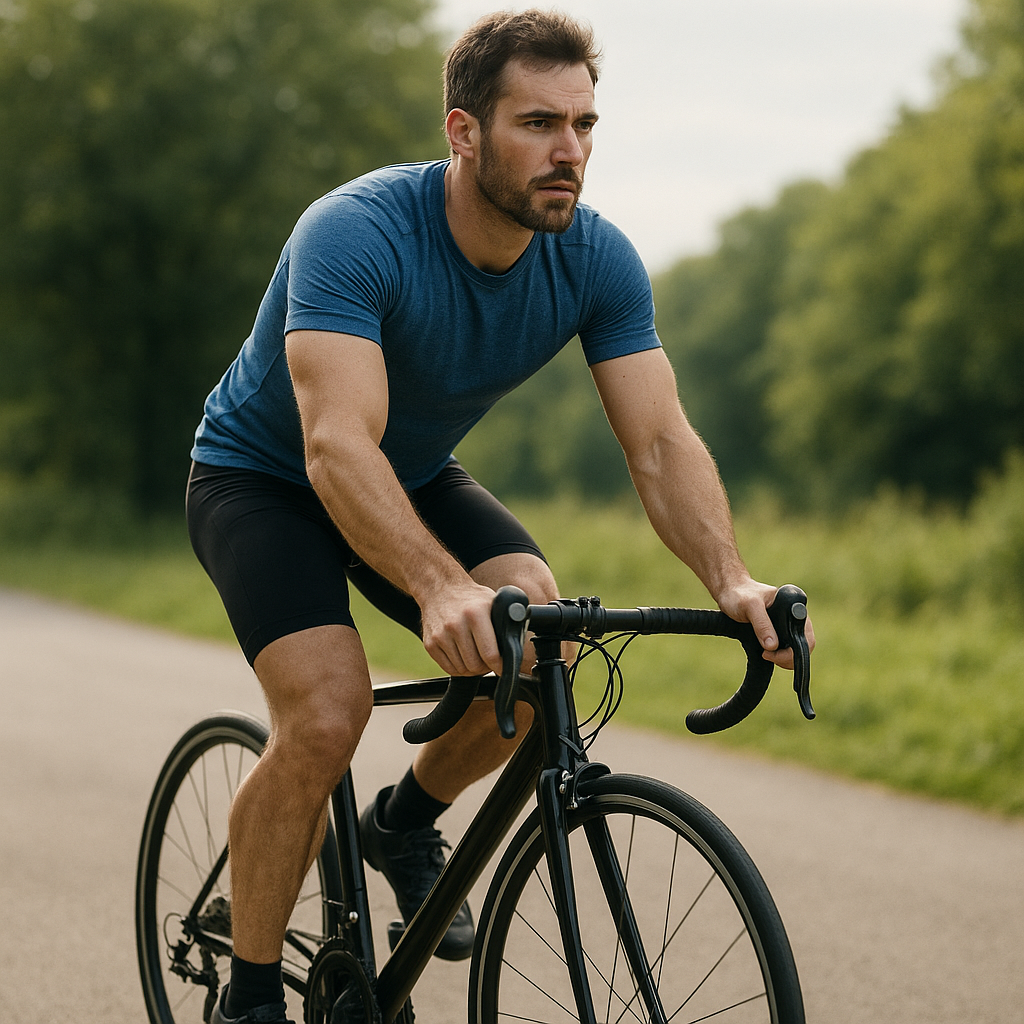
Cycling provides an accessible path to boosting cardiovascular health while enjoying the outdoors and improving overall endurance. Through consistent practice, riders can expand their aerobic capacity, strengthen leg muscles, and refine their cadence. This article explores key aspects of cycling for endurance, from physiological benefits to equipment selection and optimal training strategies.
Cycling and Cardiovascular Benefits
Regular cycling stimulates the heart and lungs, delivering oxygen-rich blood to active muscles. By raising and sustaining your heart rate, you improve resistance to fatigue and lower resting heart rate over time. Research indicates that moderate-intensity cycling can reduce the risk of heart disease by up to 50%, thanks to improved blood flow, reduced blood pressure, and healthier cholesterol profiles.
Heart Rate Zones
- Zone 1 (Recovery): 50–60% of maximum heart rate; promotes active recovery.
- Zone 2 (Endurance): 60–70% of max; ideal for building aerobic base.
- Zone 3 (Tempo): 70–80% of max; increases sustainable speed and power.
- Zone 4 (Threshold): 80–90% of max; enhances high-intensity capacity.
- Zone 5 (VO2 Max): 90–100% of max; develops peak performance.
Physiological Adaptations
Long-term adaptations include increased capillary density in muscles, more efficient mitochondrial function, and improved stroke volume of the heart. Cyclists often see a drop in resting heart rate by 5–15 beats per minute after several months of consistent riding.
Designing an Effective Cycling Program
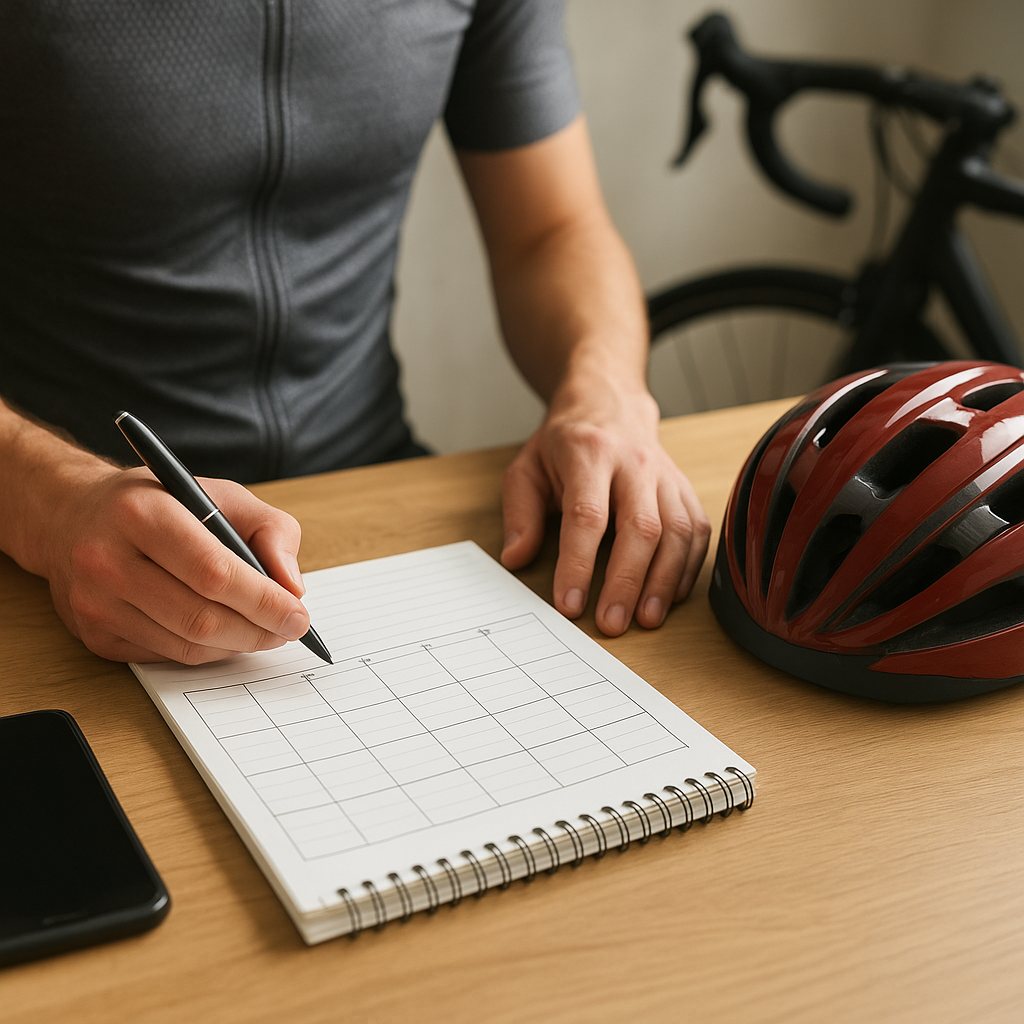
Building a structured plan is crucial for maximizing gains and avoiding overtraining. Consider the following elements when crafting your weekly routine:
1. Volume and Intensity Balance
- Start with two to three rides per week, gradually increasing duration by 10% each week.
- Mix long, steady rides (2–4 hours) with shorter, high-intensity sessions.
- Use heart rate or power data to ensure proper zone distribution.
2. Interval Workouts
Incorporating interval training elevates stroke volume and VO2 max more efficiently than steady rides alone. Example sessions:
- 4×5 minutes at Zone 4, with 3 minutes easy pedaling in between.
- 10×1 minute all-out efforts, 2 minutes recovery.
- Pyramid intervals: 1-2-3-2-1 minutes at high intensity, equal rest.
3. Cadence Drills
Improving cadence helps develop neuromuscular coordination and spares leg strength for longer efforts. Try:
- 80–90 rpm steady-state riding for 10 minutes.
- High-cadence spins at 100–110 rpm for 30-second bursts.
- One-legged pedaling drills to smooth out the pedal stroke.
Choosing the Right Bicycle and Gear
Selecting an appropriate bike and accessories can enhance comfort, efficiency, and safety on each ride. Key considerations include frame material, geometry, and component quality.
Frame and Fork
- Aluminum: Affordable, lightweight, responsive.
- Carbon Fiber: Optimized stiffness-to-weight ratio, vibration damping.
- Steel: Durable with a forgiving ride, ideal for touring.
Wheels and Tires
Wheel selection impacts rolling resistance and aerodynamics:
- Deep-section rims for time trials and flat courses.
- Shallow rims for climbing and variable terrain.
- Tubeless tires at lower pressures for comfort and puncture resistance.
Essential Accessories
- Clipless pedals and compatible shoes for efficient power transfer.
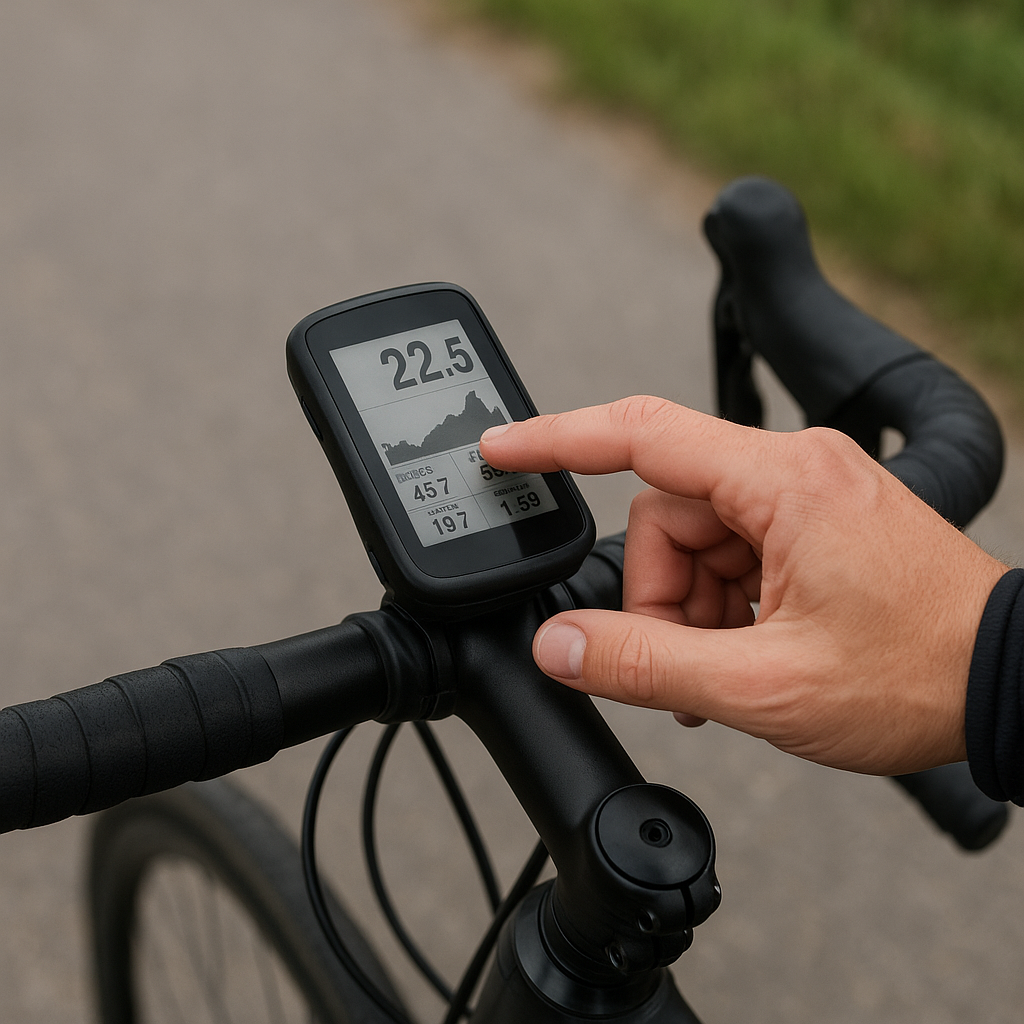
- A heart rate monitor or power meter for precise feedback.
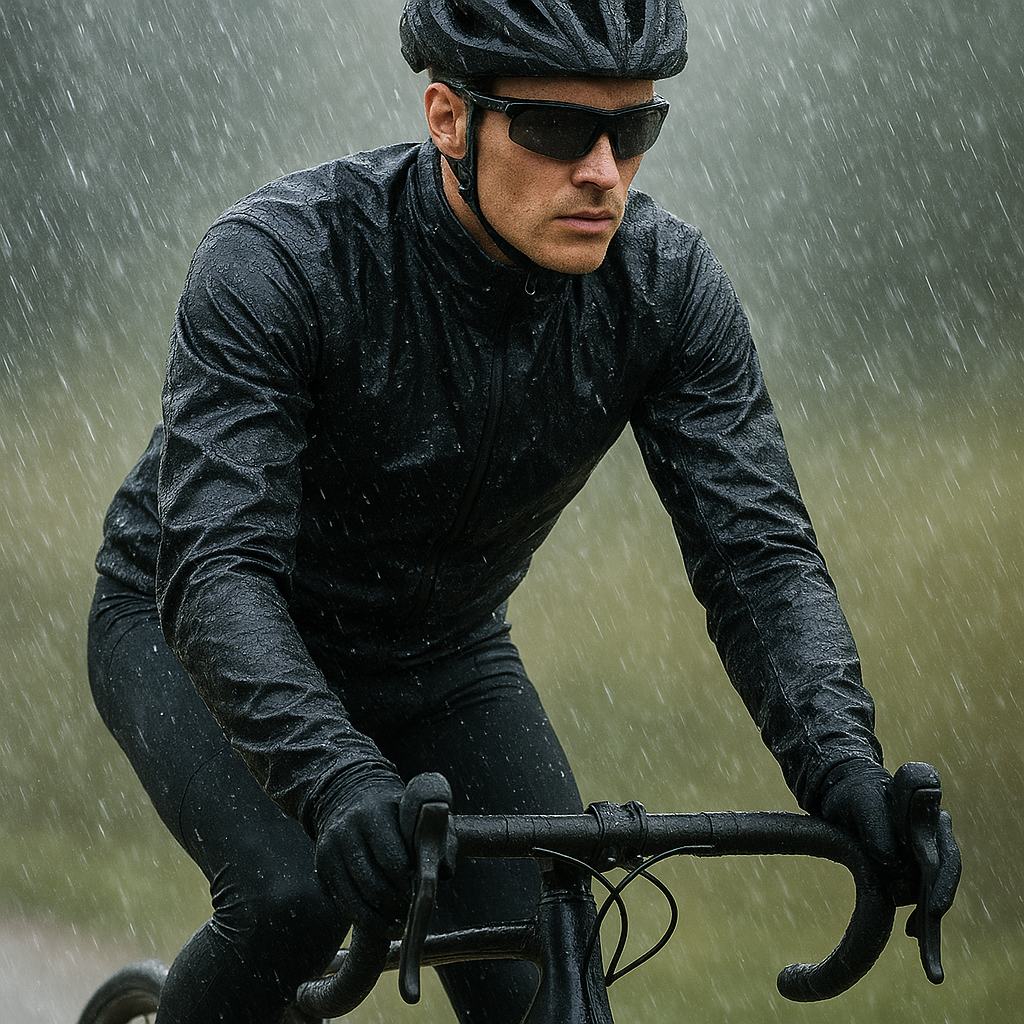
- Properly fitted helmet and gloves for safety.
- Hydration systems and saddle bags for rides longer than two hours.
Nutrition and Recovery Strategies
Fueling your body and allowing adequate recovery are as important as the ride itself. Proper nutrition before, during, and after training supports muscle repair, glycogen replenishment, and performance improvements.
Pre-Ride Fueling
- Consume 1–2 grams of carbohydrates per kilogram of body weight 2–3 hours before long rides.
- Include a moderate amount of protein to support muscle maintenance.
- Avoid high-fat or high-fiber meals that may cause digestive discomfort.
On-Bike Nutrition
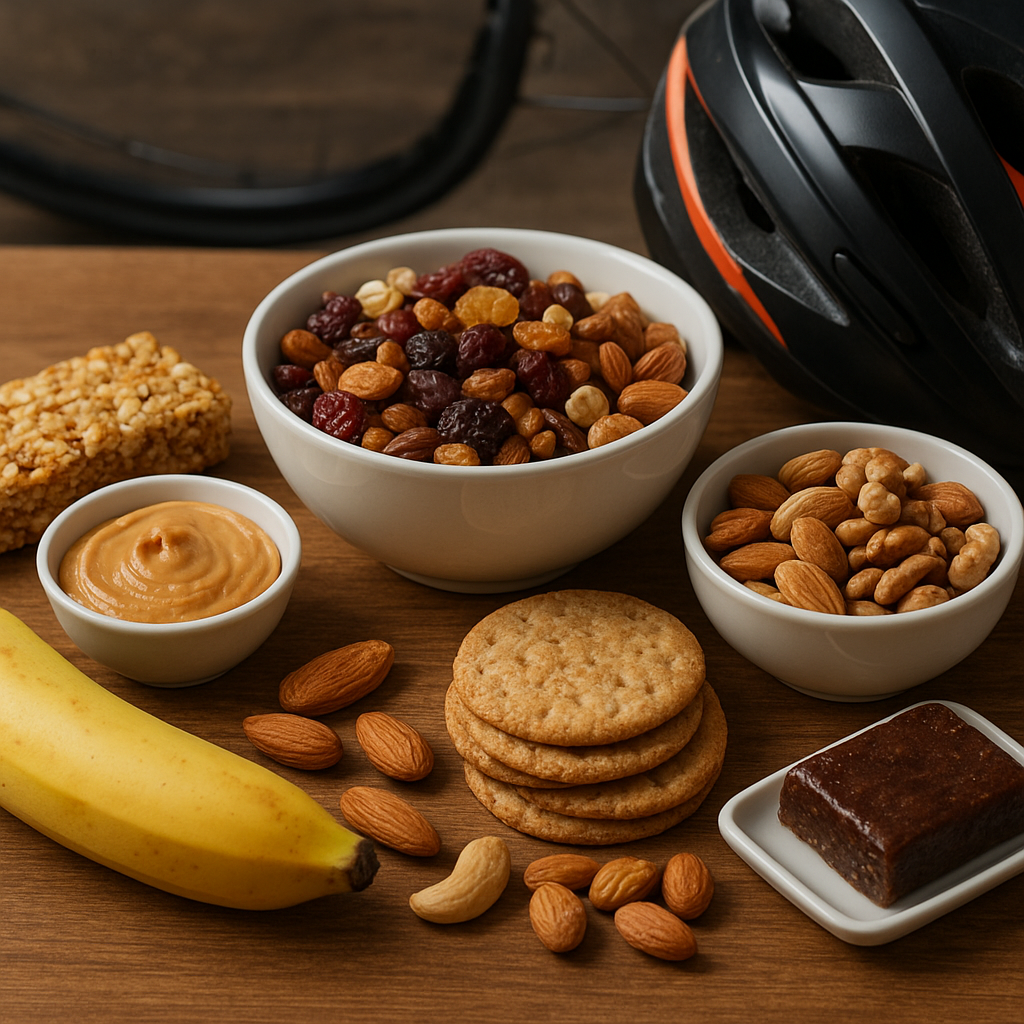
Maintain energy levels and prevent bonking with regular intake:
- 20–30 grams of carbohydrates every 30–45 minutes.
- Electrolytes to replace sodium and prevent cramps; aim for 300–600 mg sodium per hour.
- Use gels, bars, or homemade rice cakes depending on personal preference.
Post-Ride Recovery
- Within 30 minutes, ingest a 3:1 ratio of carbs to protein to optimize muscle repair.
- Ensure adequate hydration by replacing 150% of fluid lost during exercise.
- Incorporate foam rolling and light stretching to support muscle elasticity and reduce soreness.
Biomechanics and Injury Prevention
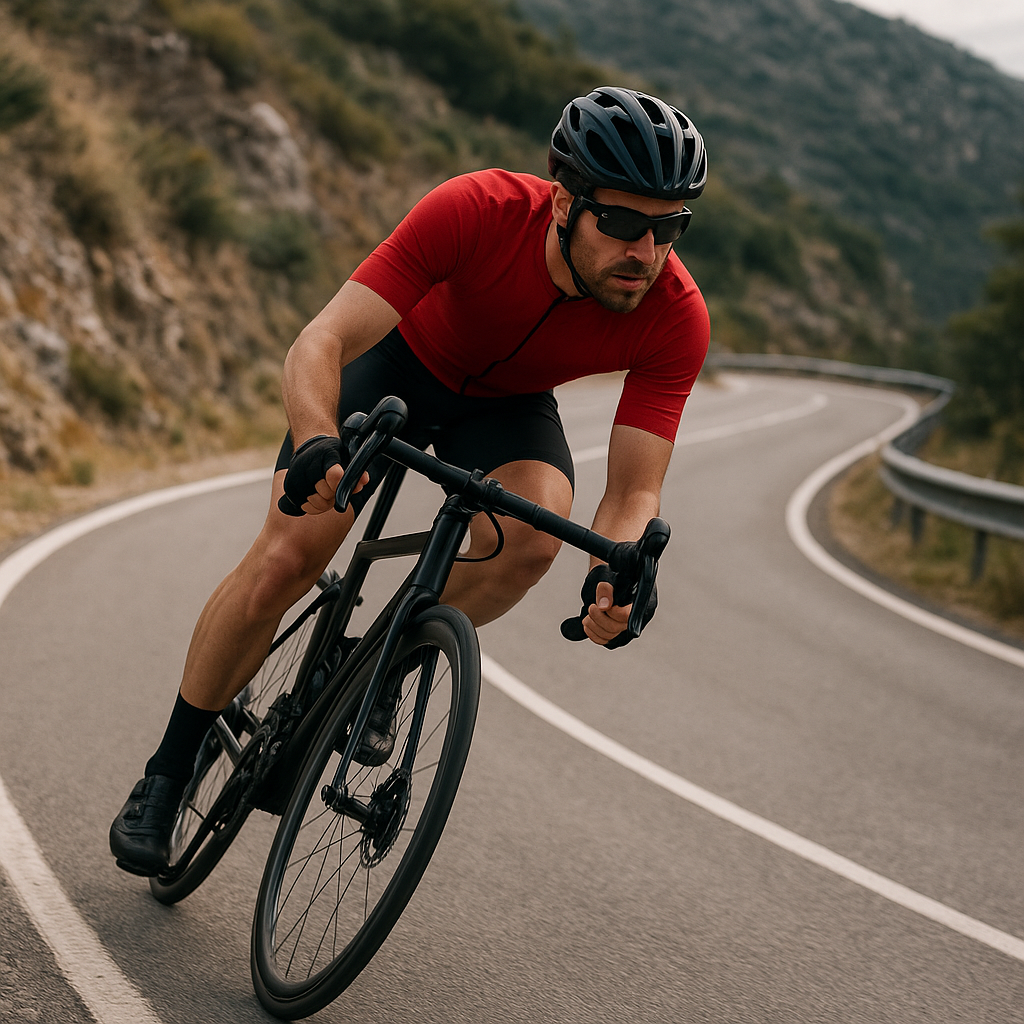
Efficient pedaling technique reduces wasted energy and minimizes the risk of overuse injuries. Paying attention to bike fit and riding posture can protect the lower back, knees, and neck.
Optimizing Bike Fit
- Saddle height should allow a slight knee bend (25–35 degrees) at bottom stroke.
- Handlebar reach and drop tailored for comfort and aerodynamics.
- Cleat position aligned under the ball of the foot for efficient force application.
Common Overuse Injuries
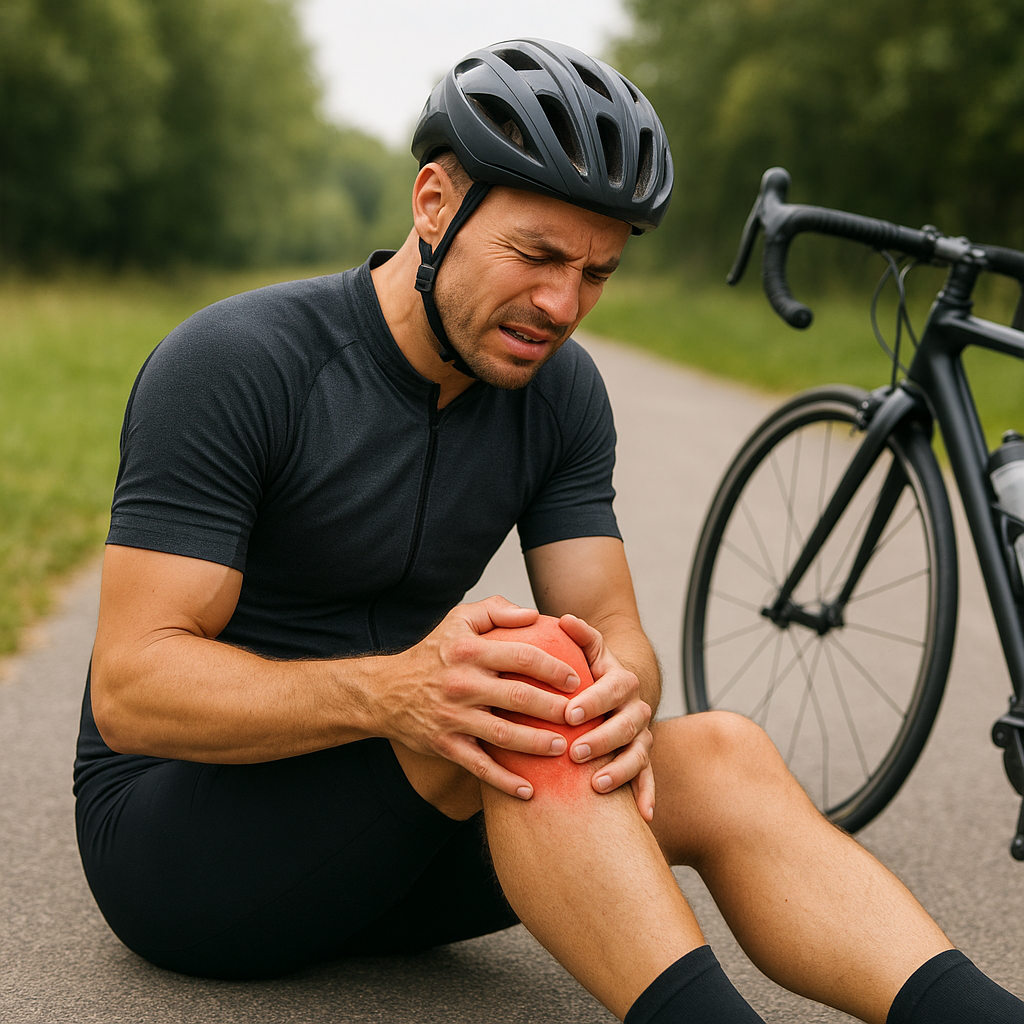
- Knee pain: often due to incorrect saddle height or cleat misalignment.
- Lower back strain: caused by excessive reach or weak core muscles.
- Neck discomfort: alleviated by alternating head position and strengthening cervical muscles.
Strength and Flexibility
Supplement cycling with off-bike exercises:
- Squats and lunges to build hip and thigh strength.
- Planks and bridges for core stability.
- Yoga or dynamic stretching to maintain flexibility, especially in hip flexors and hamstrings.
By integrating structured workouts, selecting the right equipment, and following smart nutrition and recovery protocols, cyclists can significantly enhance their endurance and performance. Consistent attention to form, hydration, and rest ensures long-term progression and enjoyment on every ride.