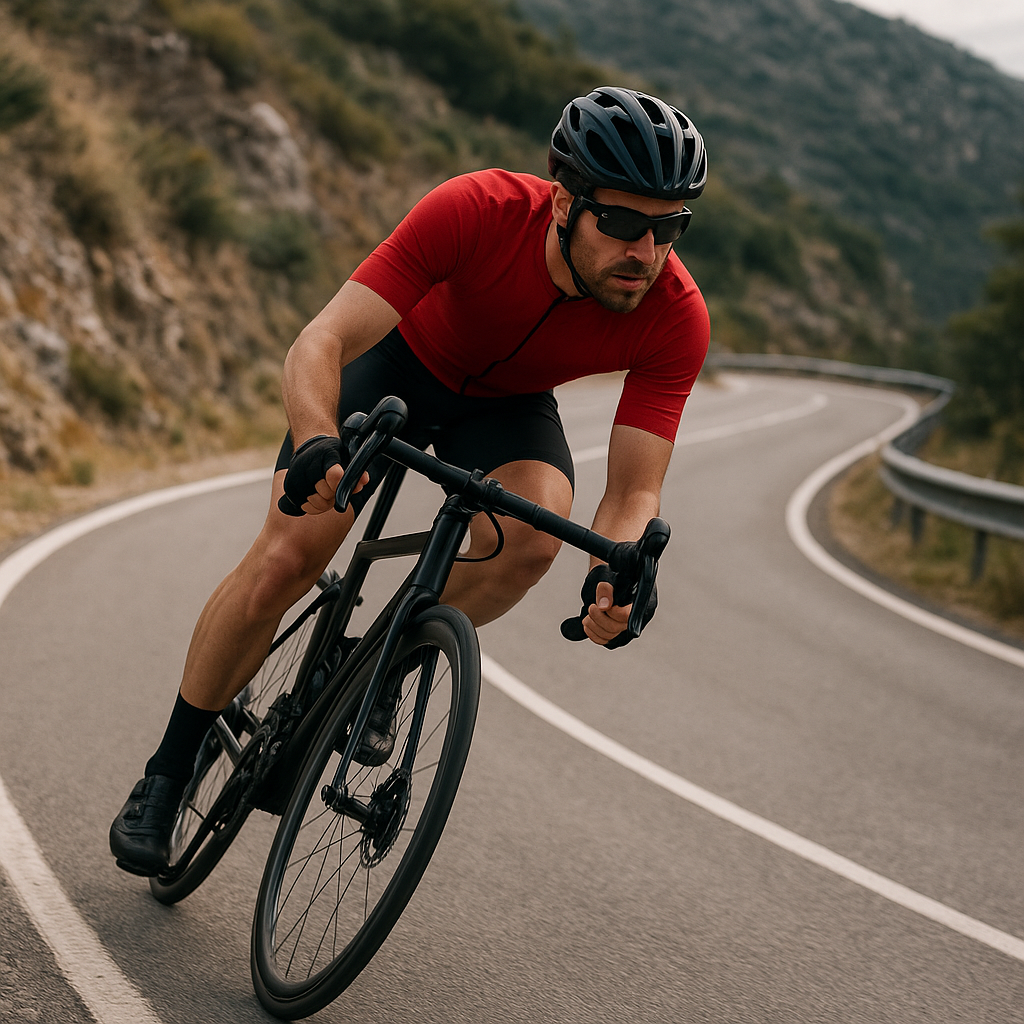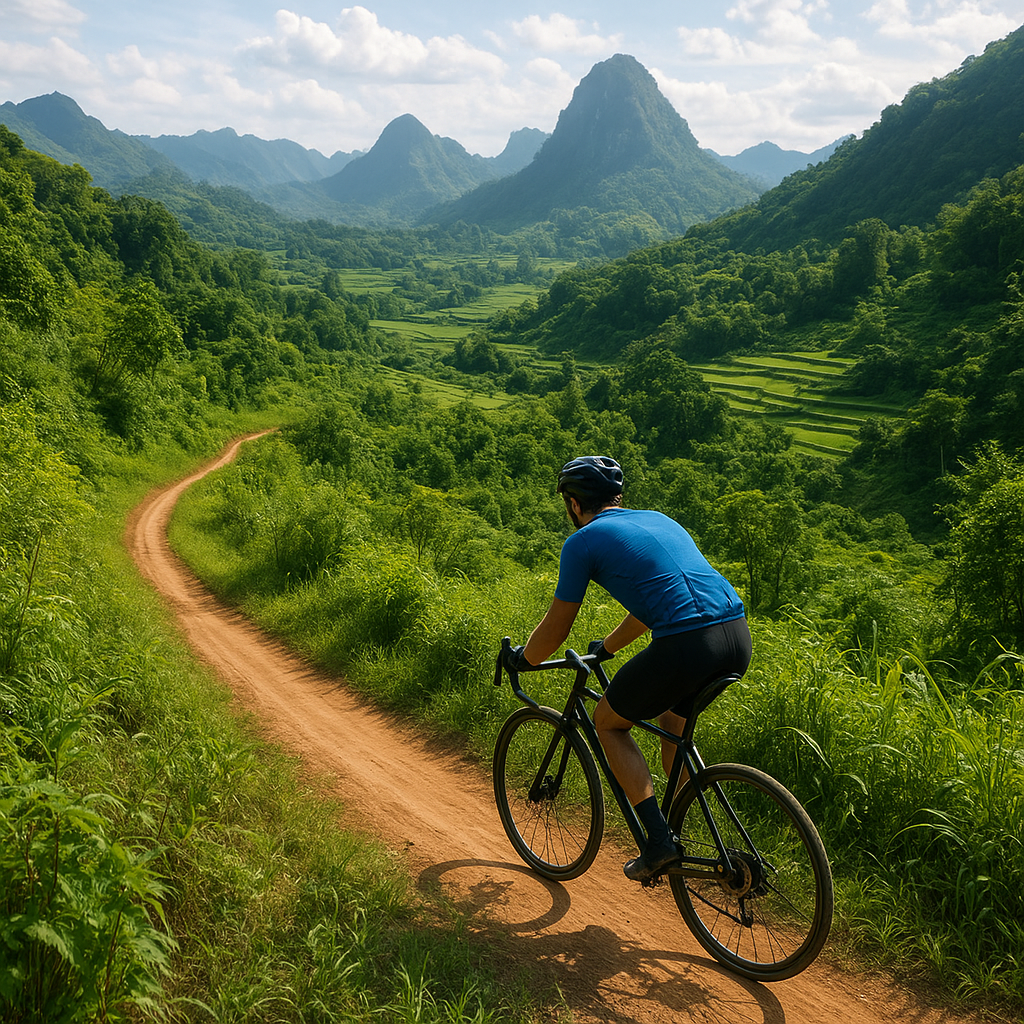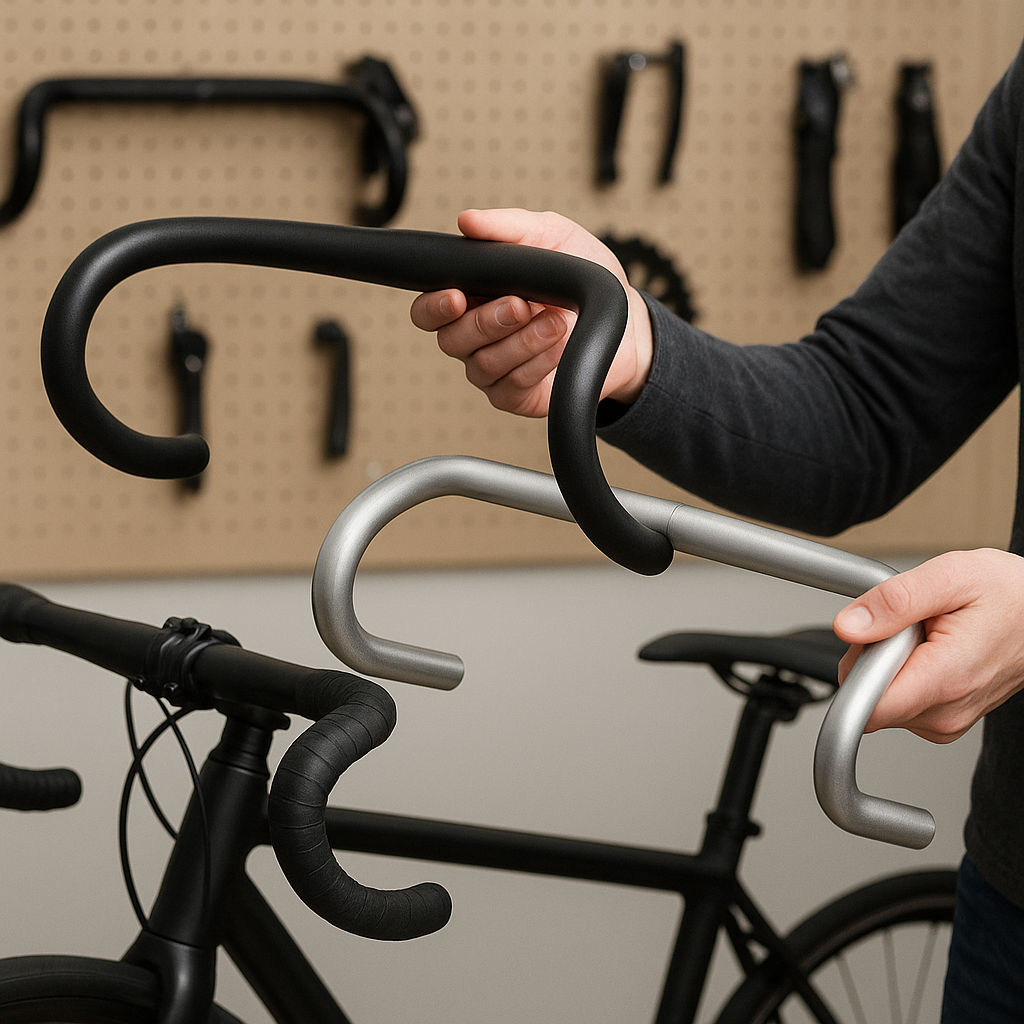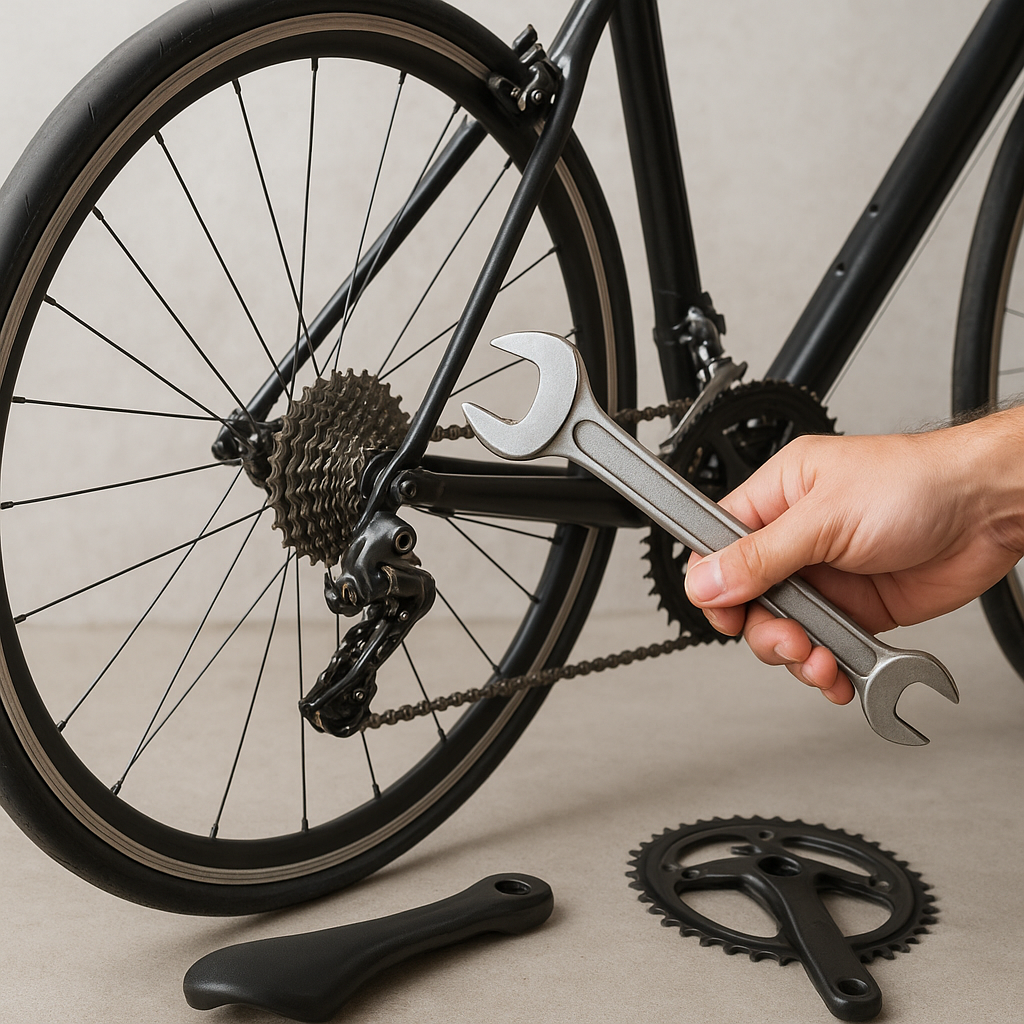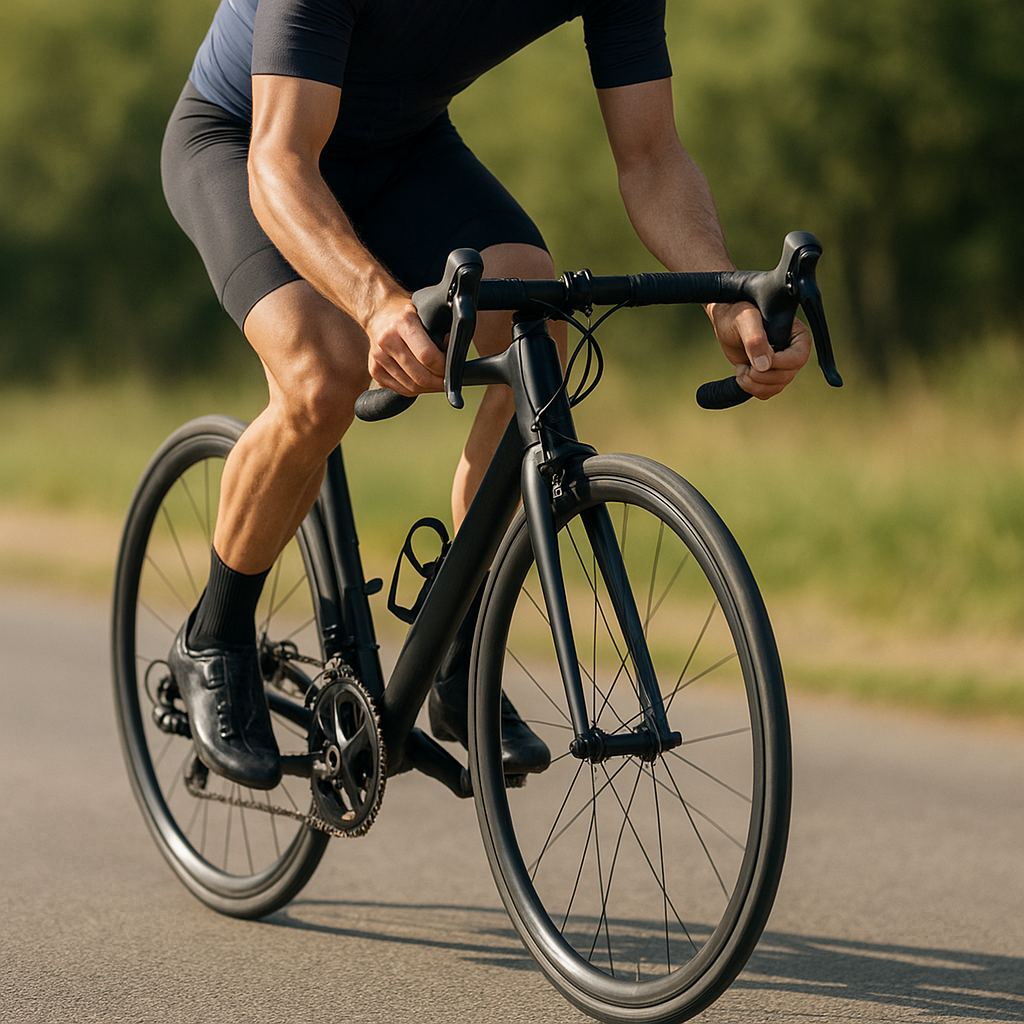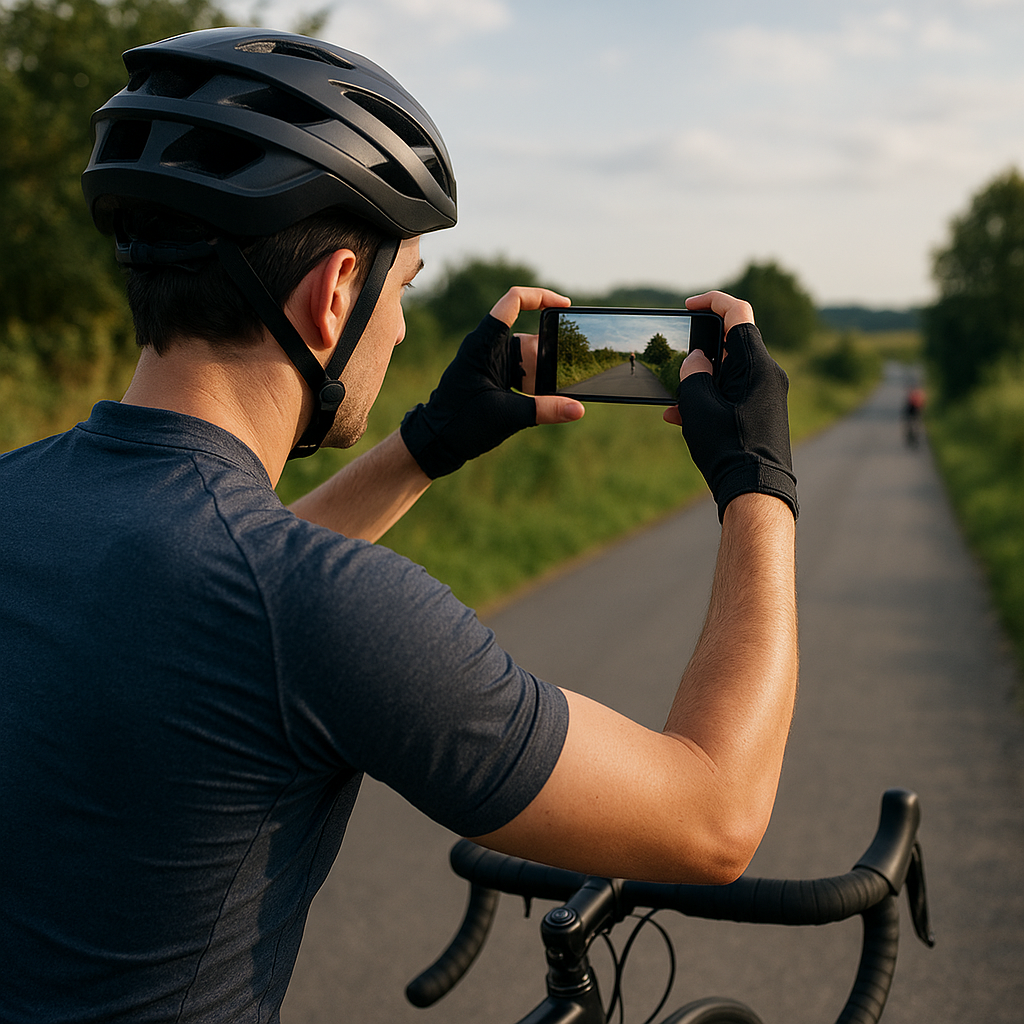
Capturing the essence of cycling culture requires a blend of creativity, technical skill, and an understanding of what resonates on social media. Whether you’re photographing a solo road ride, a group mountain biking adventure, or an urban bike commute, mastering the art of cycling photography can elevate your content and engage your audience. This guide will walk you through essential tips to take your bicycle shots from ordinary to extraordinary.
Preparing Your Gear and Planning the Shoot
Before you hit the road or trail, take the time to get your equipment and mindset in order. A well-prepared photographer can anticipate challenges and seize unique moments.
- Camera and Lenses: A versatile DSLR or mirrorless body paired with a mid-range zoom lens (e.g., 24-70mm) covers most scenarios. For tight action, add a telephoto lens; for wide context shots, include a wide-angle option.
- Tripod or Gimbal: Stabilization tools help with long exposures and smooth video pans—ideal for low-light dawn rides or cinematic reels.
- Spare Batteries and Memory Cards: Cold weather and prolonged shooting sessions can drain power quickly. Always carry backups to avoid missing the perfect shot.
- Cleaning Kit: Dust, mud, and water splashes are common when you shoot outdoors. Keep lens wipes and a blower to maintain clarity.
- Protective Gear: Rain covers for your camera and protective cases for transport ensure your equipment survives unexpected downpours or rough handling.
Planning the route and scouting locations in advance can save time. Use mapping apps to identify scenic overlooks, urban murals, or winding forest trails where the interplay of light and shadow will highlight the bike’s form and the rider’s effort.
Mastering Composition and Framing
Strong composition is key to compelling cycling photos. Consider these principles when you line up the shot:
Rule of Thirds and Leading Lines
Imagine dividing the frame into thirds horizontally and vertically. Position the bicycle or rider along these lines to create balance. Use roads, trails, or architectural features as leading lines that guide the viewer’s eye toward the subject.
Negative Space and Minimalism
Isolate the bike against a clean backdrop—beach, sky, or concrete walls—to emphasize form and color. Negative space allows the subject to breathe, making the shot feel uncluttered and modern.
Angles and Perspectives
- Low Angle: Shooting upward makes the bike appear powerful and heroic, perfect for showcasing frame geometry and wheel details.
- High Angle: Overhead or drone shots highlight the connection between bike, rider, and terrain, ideal for group rides or complex trail networks.
- Dynamic Tilt (Dutch Angle): A slight tilt adds energy and movement, suggesting speed even in a still image.
Experiment with depth of field too. A shallow focus (wide aperture) can blur distracting backgrounds and isolate spokes, chains, and other mechanical details, drawing attention to craftsmanship.
Techniques for Capturing Motion and Action
One of the greatest challenges in cycling photography is conveying speed and dynamism. Use these techniques to freeze or emphasize motion:
Fast Shutter Speeds
To freeze spinning wheels and flying mud, set your shutter speed at 1/1000 second or faster. This isolates every spoke, droplet, and gear shift in crisp detail.
Panning Shots
For a sense of movement, choose a slower shutter speed (1/30 to 1/60 second). Track the rider’s motion smoothly as you press the shutter. The rider remains relatively sharp while the background streaks, creating a dynamic blur.
Continuous Shooting Mode
Action unfolds in milliseconds. Switch to burst mode to capture a rapid sequence of frames. Later, select the image where the rider’s posture, wheel height, and facial expression align for maximum impact.
Anticipating Key Moments
Great cycling shots often hinge on split-second events—wheelies, hops, jumps, or corner drifts. Study the rider’s style and know when they’ll launch, brake, or lean. Pre-focus on that spot and be ready to fire.
Optimizing Lighting for Dramatic Effect
Lighting transforms an average photograph into a cinematic masterpiece:
- Golden Hour: The soft, warm tones of early morning or late afternoon cast long shadows and accentuate textures on frames and clothing.
- Backlighting: Position the sun behind the rider to create a glowing rim light around the helmet, handlebars, and wheels. This separates subject from background and adds a halo effect.
- Fill Flash or Reflectors: In harsh midday sun, shadows can be deep. Use a fill flash or reflector to balance light across the rider’s face and bike components.
- Night Rides: Combine long exposures with LED bike lights or headlamps for light trails. Lock your camera on a tripod, set ISO around 800–1600, and expose for several seconds.
Editing and Sharing Your Cycling Shots
Post-processing is where you refine color, mood, and storytelling. Popular editing apps and desktop software offer powerful tools:
- Exposure and Contrast: Adjust highlights and shadows to recover detail in shiny frames and dark jersey creases.
- Color Grading: Enhance the greens of forest trails or the blues of cityscapes. Subtle shifts in temperature and tint can evoke warmth or coolness.
- Crop and Straighten: Ensure the horizon or road line is level. Crop for tighter composition or to remove distracting elements at the edges.
- Filters and Presets: Develop a signature look—moody, high-contrast blacks, or bright and airy whites—to establish a recognizable feed aesthetic.
When sharing on social media, craft captions that provide context or an anecdote. Use relevant hashtags like #cyclinglife, #bikelove, or #two_wheels to connect with the cycling community. Tag brands, fellow riders, and locations to increase engagement and build relationships.
Building a Cohesive Cycling Portfolio
Consistency is crucial for attracting followers and collaborators. Curate a mix of disciplines—road, gravel, mountain, and urban—to showcase versatility. Include behind-the-scenes shots, close-ups of filters, tires, and chains, as well as portraits that spotlight the human element.
Consider these strategies:
- Theme Days: Dedicate one day a week to specific content—Technique Tuesday (tips on gear setup), Flashback Friday (archival shots), or Weekend Rides (location highlights).
- Collaborations: Partner with local bike shops, apparel brands, or cafes. Joint posts expand reach and introduce fresh creative angles.
- User-Generated Content: Encourage followers to tag you in their best rides. Reposting their shots fosters a sense of community and provides authentic feed material.
By thoughtfully planning your shoots, mastering composition, experimenting with shutter speeds, leveraging light, and polishing your edits, you’ll create stunning cycling photography that resonates across social media. Let each frame tell a story of adventure, passion, and the boundless joy of two wheels.