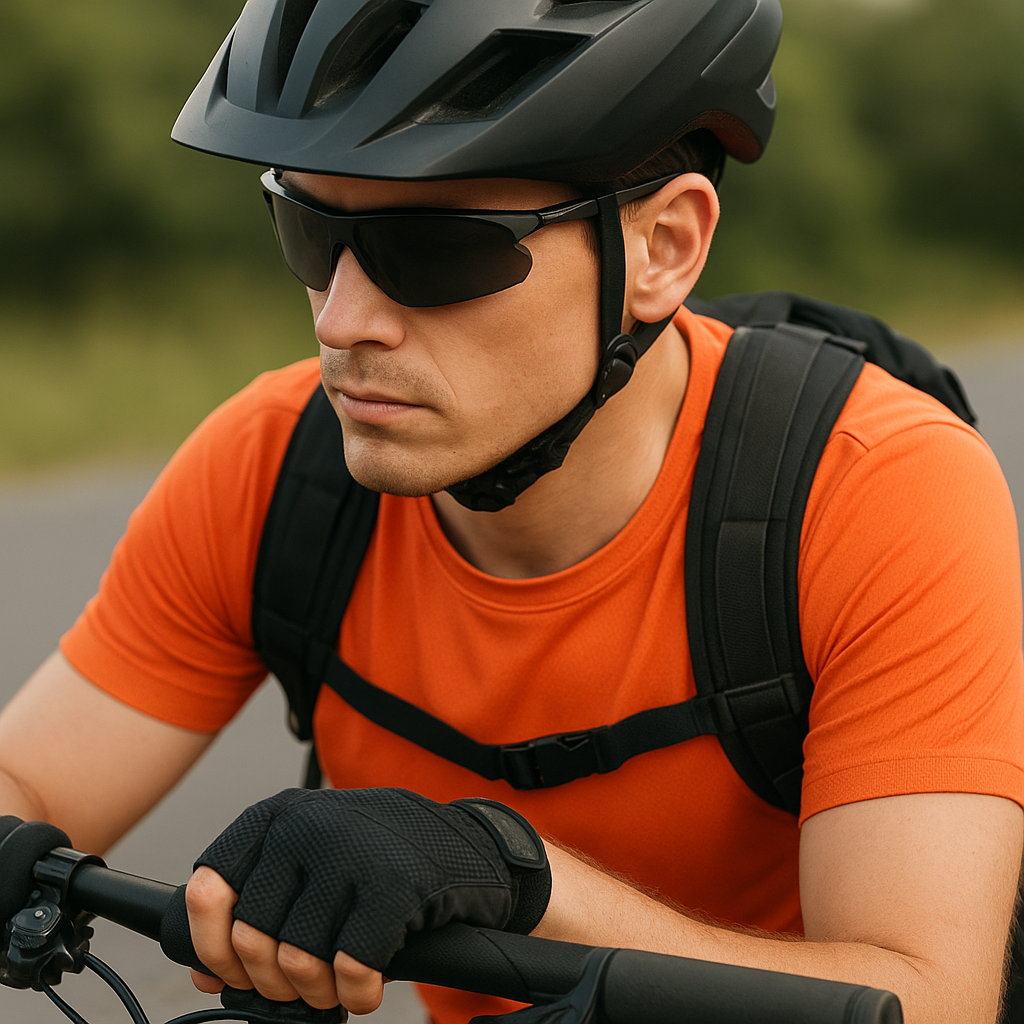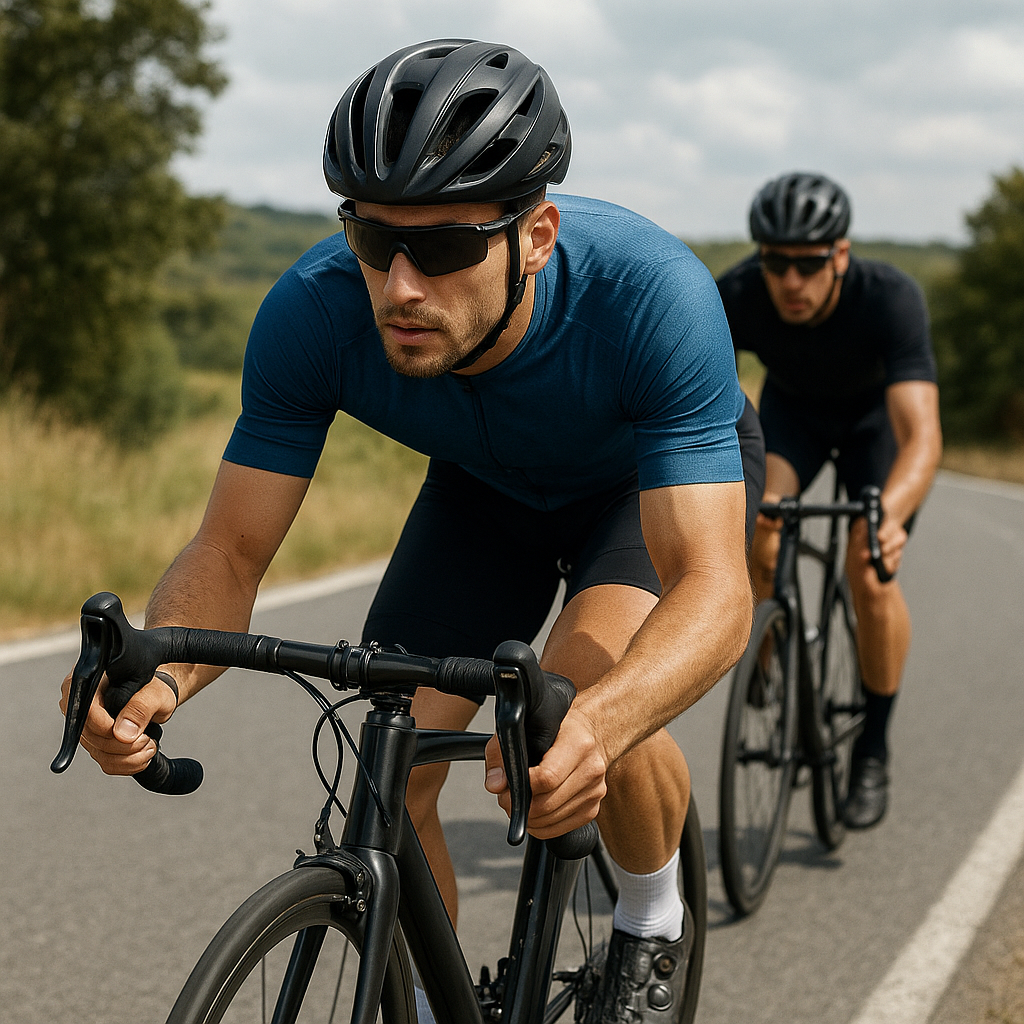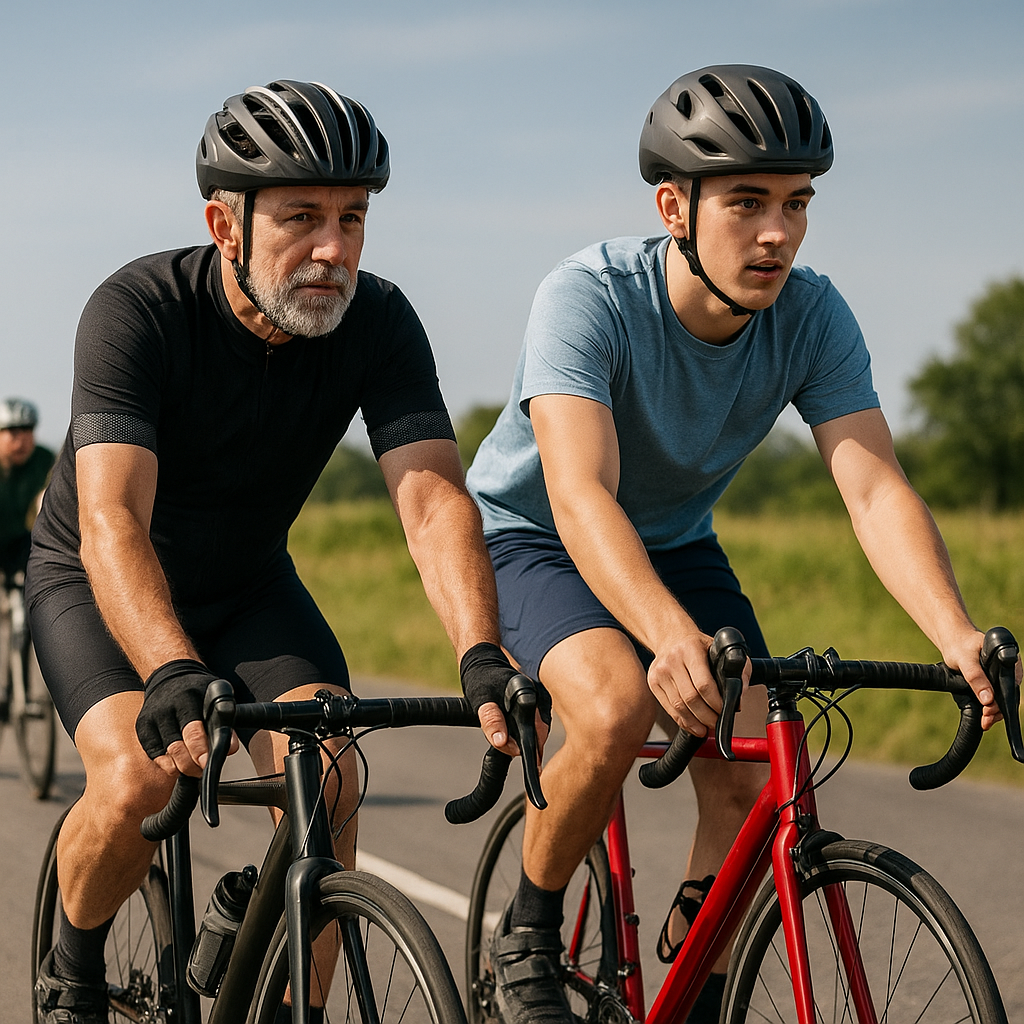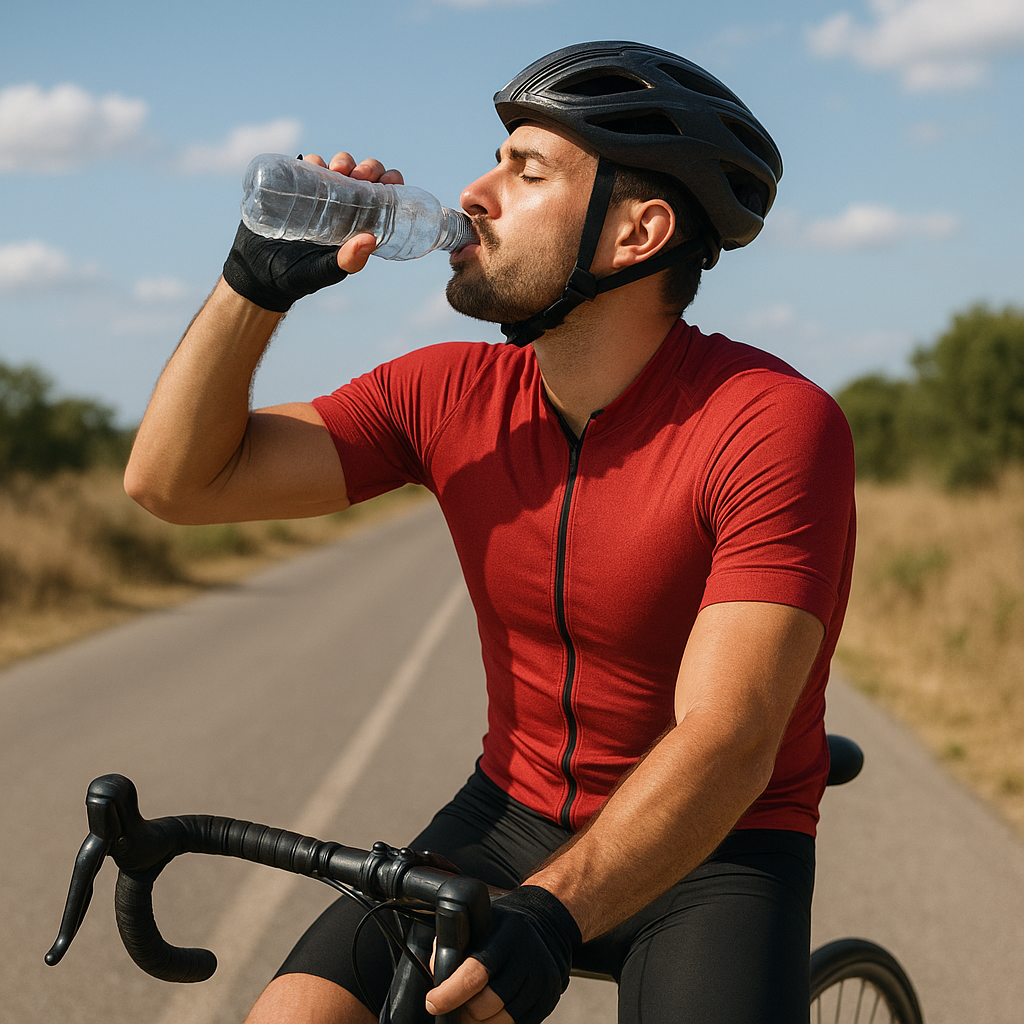
Stepping onto your bike under a blazing sun demands more than just physical readiness; it requires a well-planned strategy to maintain optimal hydration, protect against excessive fluid loss, and sustain peak performance. Whether you’re tackling a century ride or navigating scorching city streets, understanding how to manage your body’s cooling systems and refuel its stores can mean the difference between a triumphant finish and an early retreat.
Understanding the Risks of Dehydration on Hot Rides
When temperatures rise, your body activates its natural cooling mechanism: sweat. While perspiration helps regulate your core temperature, it also expels vital water and electrolytes. Losing just 2% of your body weight in fluids can impair muscle function, reduce cognitive sharpness, and hamper overall endurance. In severe cases, unchecked fluid loss may lead to heat exhaustion or heat stroke—conditions that demand immediate attention.
Key physiological factors at play:
- Increased heart rate: Your cardiovascular system works harder to circulate blood for both muscle activity and skin cooling.
- Reduced plasma volume: Less blood fluid means lower oxygen delivery to working muscles.
- Electrolyte imbalance: Sodium, potassium, magnesium, and calcium help nerves fire and muscles contract; losing them can cause cramping and fatigue.
Optimizing Pre-Ride Hydration
Effective thermoregulation begins long before you clip into your pedals. Aim to arrive at the start line with fully stocked fluid levels and a balanced electrolyte profile.
Hydration Schedule
- 24 hours before: Drink at least 2–3 liters of water, interspersed with sports drinks containing electrolytes.
- 2–3 hours before: Consume 500–750 ml of fluid to top off volume without causing discomfort.
- 15–30 minutes before: Sip an additional 200–300 ml of a carbohydrate-electrolyte beverage.
Nutrition and Electrolyte Loading
Complement your fluid intake with a diet rich in fruits, vegetables, and lean proteins to ensure you have ample fluids bound in glycogen stores. Foods like bananas, spinach, and yogurt supply natural electrolytes and help stabilize blood sugar.
Smart Hydration Strategies During the Ride
On the road, consistent drinking beats guzzling from an empty bottle. Tailor your approach to ride intensity, environmental conditions, and individual sweat rate. As a general guideline:
- Maintain a drinking frequency of 150–250 ml every 15–20 minutes.
- Alternate between plain water and an electrolyte-rich sports drink to balance hydration and mineral replacement.
- Monitor bottle weight: A noticeably lighter bottle signals it’s time to refill or switch.
Advanced Tips
- Freeze half of your bottles overnight for extended cooling effect on hot climbs.
- Carry salt tablets or electrolyte gels for ultra-endurance events surpassing two hours.
- Watch your urine color post-ride; it should be pale yellow—dark amber indicates inadequate hydration.
Managing Heat and Staying Cool
Heat management goes hand in hand with fluid balance. Keep your body’s thermoregulation system in check by adopting simple measures to shed excess warmth.
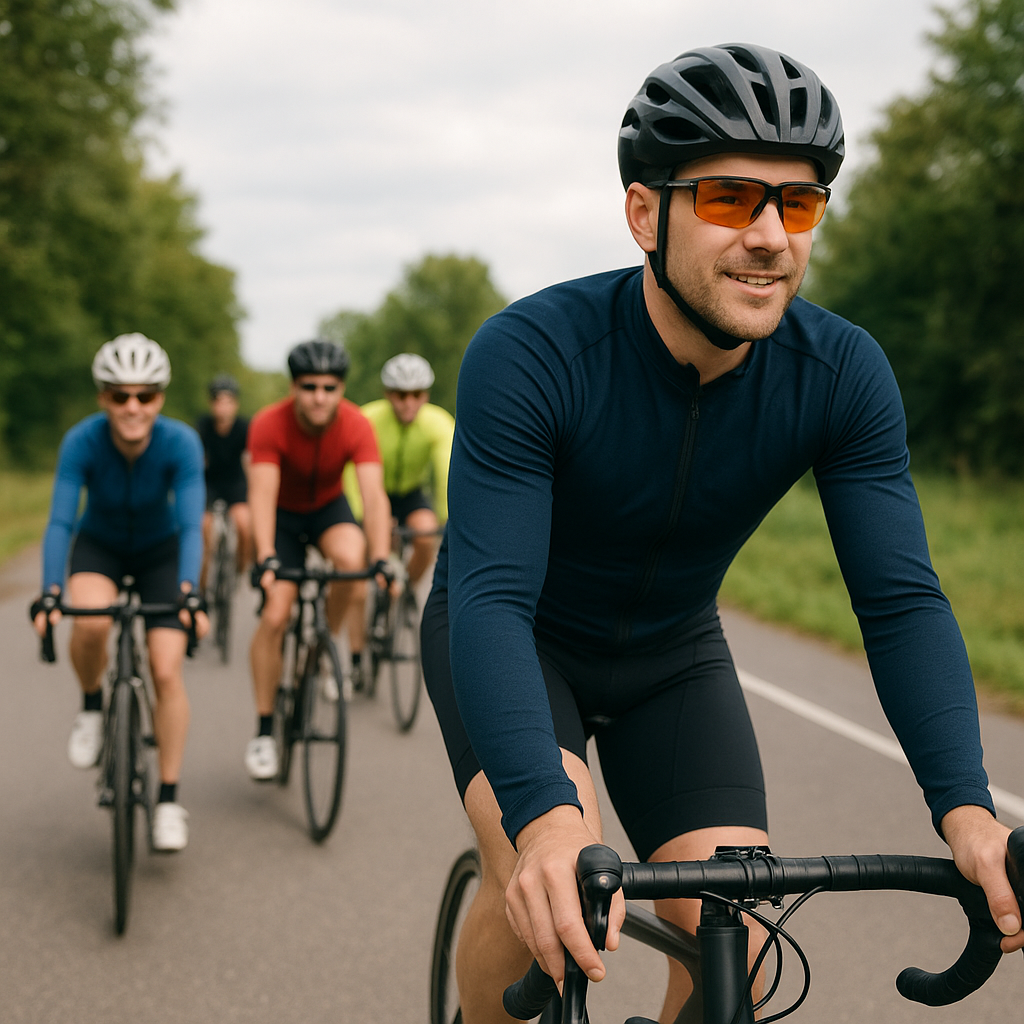
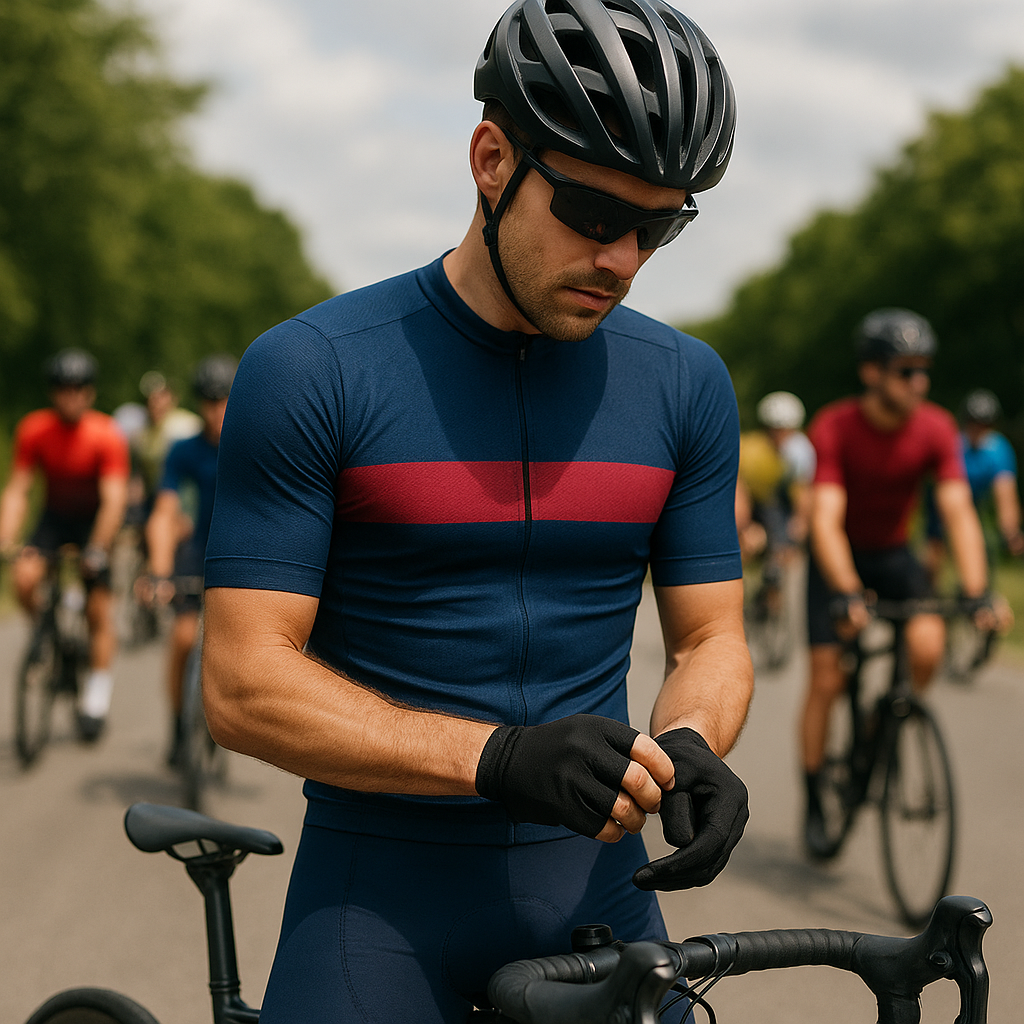
- Wear moisture-wicking, light-colored cycling kits that reflect heat.
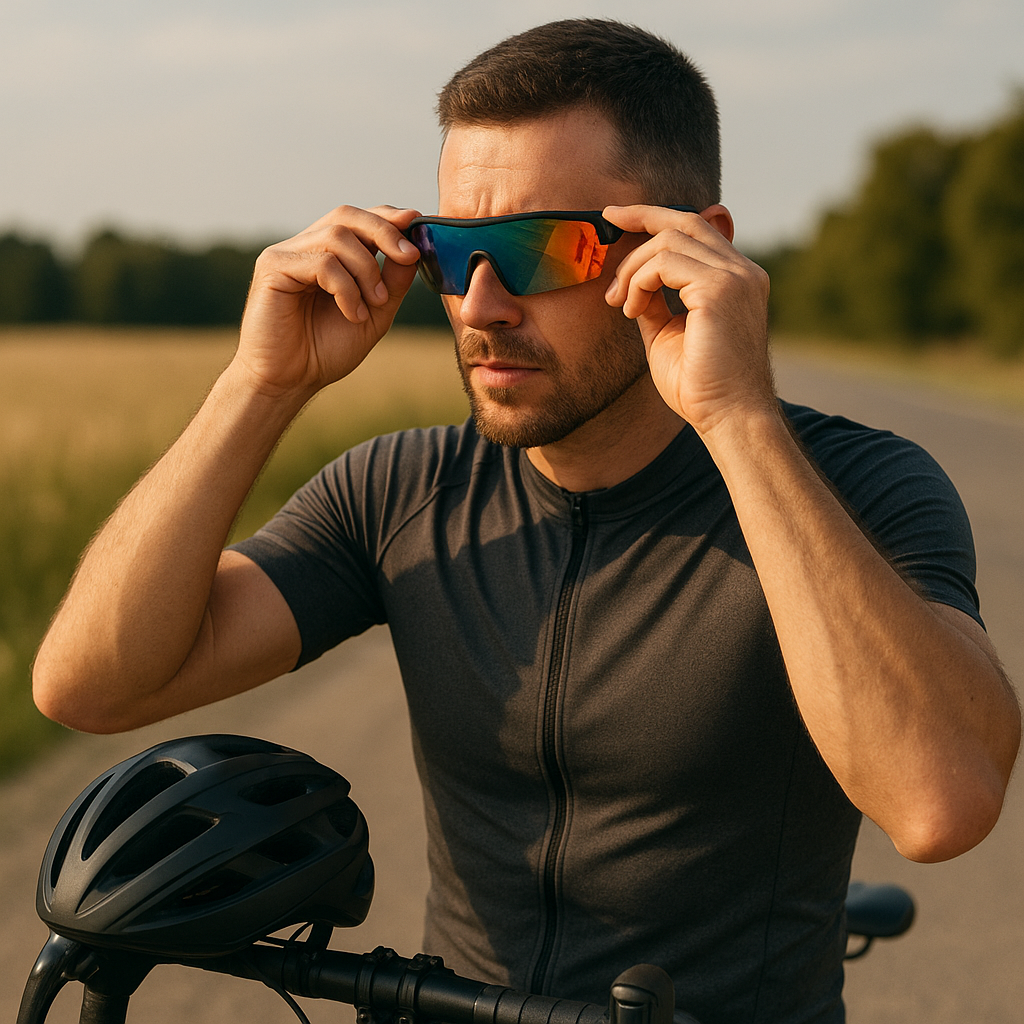
- Utilize a well-ventilated helmet and consider soaking a bandana in ice water for your neck.
- Plan routes with shaded sections or water fountains for mid-ride cool-downs.
Regularly pour small amounts of water over your wrists, forearms, and neck. This technique accelerates heat loss and can help extend your ride before fluid reserves become critically low.
Post-Ride Rehydration and Recovery
Once you cross the finish line, your focus shifts to recovery. Rapid restoration of your body’s fluid and mineral balance reduces muscle soreness, replenishes glycogen, and primes you for the next session.
- Consume 1.2 liters of fluid per kilogram of body weight lost during the ride.
- Opt for recovery drinks with a 3:1 to 4:1 carbohydrate-to-protein ratio to rebuild muscle tissue and restore energy.
- Include electrolytes through sports beverages, coconut water, or a pinch of sea salt in your fluids.
A balanced meal within 45 minutes post-exercise will seal in the benefits of proper hydration and nutrition.
Gear and Accessories for Better Hydration
Equipping yourself with the right tools can simplify fluid management and enhance ride comfort.
- Insulated bottle cages: Keep drinks cool for longer stretches.
- Hydration packs: Ideal for multi-hour adventures where bottle access is limited.
- Handlebar-mounted carrier: Provides quick reach to a chilled bottle without disrupting cadence.
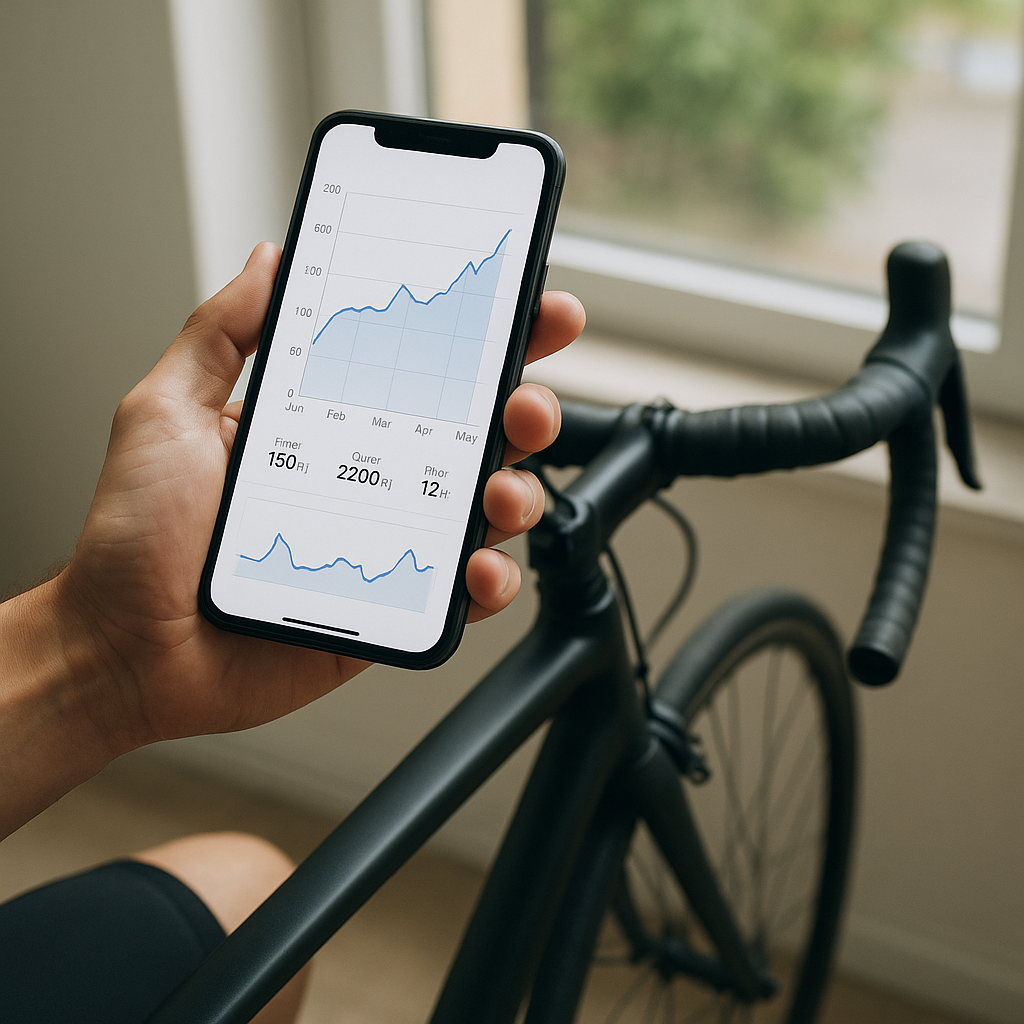
Additionally, smartphone apps and bike computers with temperature and hydration reminders can be invaluable in maintaining a steady intake.
When to Seek Medical Attention
Despite all precautions, extreme heat can overpower even the best plans. Be vigilant for warning signs:
- Confusion or disorientation
- Rapid, weak pulse
- Ceasing to sweat despite feeling overheated
- Nausea or vomiting
These symptoms may indicate heat stroke or severe dehydration, requiring immediate medical assistance.
Conclusion
Mastering the balance of fluids, electrolytes, and cooling techniques transforms hot-weather rides from daunting challenges into enjoyable tests of resilience. By understanding the body’s signals and adopting strategic hydration practices, you pave the way for safer, more rewarding cycling adventures under the sun.