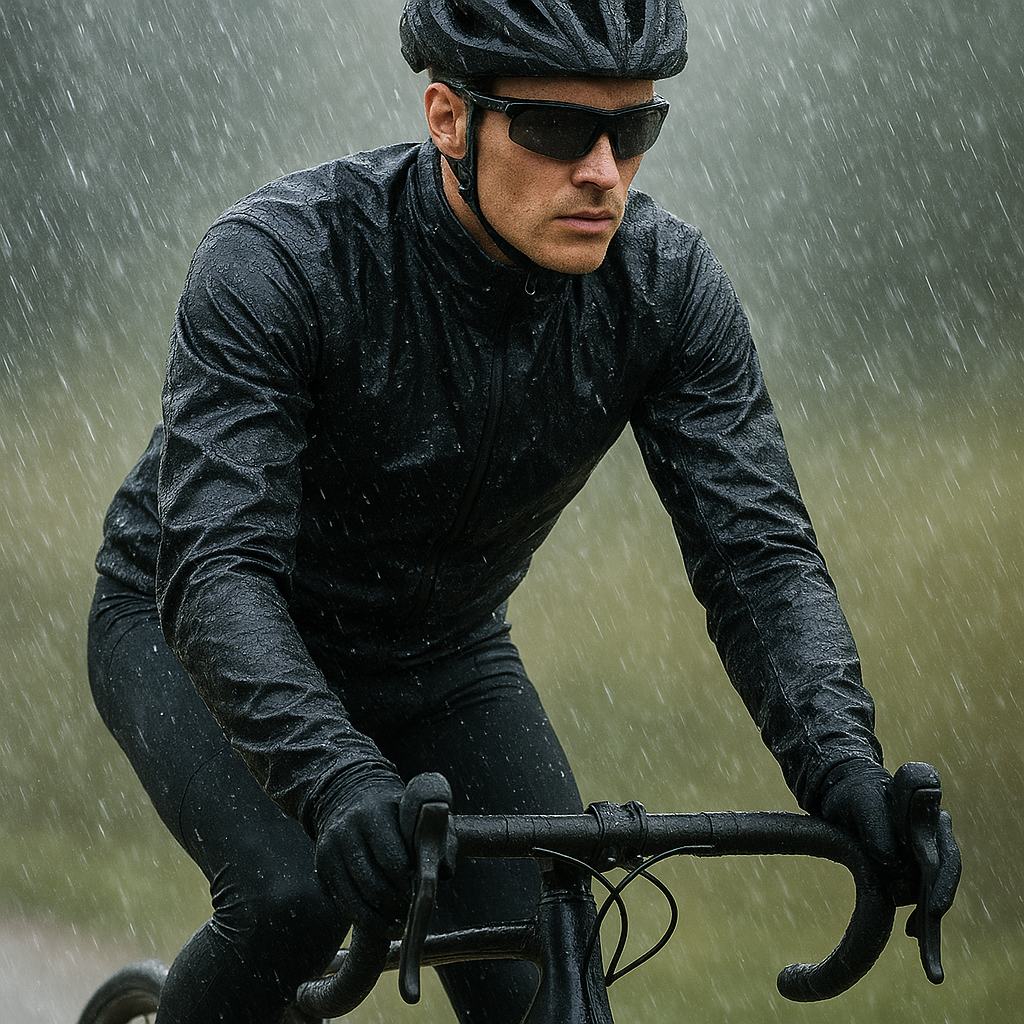
Embarking on wet-weather rides demands the right combination of functionality and style. Selecting the optimal waterproof cycling kit can transform a damp, chilly outing into an invigorating adventure. From high-performance jackets to seam-sealed shorts and gloves, the market offers innovative solutions designed to keep riders **protected**, **comfortable**, and at peak **performance** regardless of the rainfall. This guide dives into the best options, maintenance advice, and handy tips to maximize your wet-weather cycling experience.
The Importance of Quality Waterproof Cycling Gear
Choosing inferior rainwear can lead to a soggy, uncomfortable ride, risking chafing, cold stress, and even hypothermia. Premium **waterproof** cycling gear delivers reliable weather defense, optimal **breathable** membranes, and enhanced **durability**. Key benefits include:
- Protection: Keeping water out while allowing moisture vapor to escape.
- Comfort: Preventing clammy interiors and overheating during climbs.
- Performance: Streamlined designs that minimize wind drag.
- Durability: Reinforced panels and taped seams for long-lasting wear.
Investing in high-grade gear translates into significant improvements in overall ride quality, especially when the skies open.
Top Waterproof Jackets and Vests
Rain jackets and vests form the cornerstone of any wet-weather kit. Modern designs blend advanced fabrics, ergonomic cuts, and slick features:
1. Fully Sealed Rain Jackets
- Materials: Multilayer membrane fabrics (e.g., Gore-Tex, eVent) with DWR coatings.
- Features: Fully taped seams, water-repellent zippers, adjustable hoods or high collars.
- Fit: Close-cut profiles to reduce flapping, with ergonomic sleeves for unrestricted movement.
Examples:
- CyclistPro Elite GTX Jacket – renowned for its wind-blocking capabilities and lightweight construction.
- RainGuard Pro 500 – budget-friendly with surprising breathability.
2. Lightweight Waterproof Vests
- Purpose: Core protection against drizzle without overheating.
- Design: Sleeveless, packable into jersey pockets when the sun breaks.
- Use Cases: Ideal for fluctuating conditions and high-intensity efforts.
Essential Waterproof Accessories
Completing your wet-weather arsenal means paying attention to often-overlooked details. From hands to feet, gear matters:
Waterproof Gloves
- Construction: Softshell exteriors with laminated membranes and neoprene seals at wrists.
- Insulation: Thin fleece liners for warmth combined with touchscreen-compatible fingertips.
Sealed Shoes and Overshoes
- Overshoes: Neoprene or synthetic rubber sleeves that slip over existing cycling shoes, offering full coverage and reflective tabs for visibility.
- Waterproof Cycling Shoes: Integrated membranes and gusseted tongues for permanent protection without compromise on pedaling efficiency.
Rain Caps and Leg Covers
- Rain Caps: Clip-on visors that shield eyes from drops, improving visibility and safety.
- Leg Covers: Half-length waterproof shinguards that protect calves and knees from road spray.
Choosing the Right Fabric Technology
Fabric selection determines the balance between waterproofing and breathability. Below are the most common options:
- Polyurethane (PU) Coatings: Economical, with moderate breathability. Requires reproofing over time.
- Polyurethane Laminate (PUL): Thin films laminated to fabric; offers improved moisture transfer.
- ePTFE Membranes: Expandable polytetrafluoroethylene layers (e.g., Gore-Tex) that pump vapor outward.
- Proprietary Knit Laminates: Engineered by brands to deliver stretch and next-level comfort.
Maintenance and Care Tips
Prolong the life and functionality of your waterproof cycling gear with proper care:
- Regular Washing: Use specialized detergents that clean fabric pores without damaging the DWR finish.
- Reproofing: Apply spray-on or wash-in treatments after 10–20 washes to restore water repellency.
- Storage: Store in a cool, dry place; avoid cramming damp gear into bags for long periods.
- Repairs: Patch small holes promptly with repair kits to prevent leaks.
Following these steps ensures your attire remains highly **functional** and **long-lasting**, ready for every downpour.
Practical Tips for Riding in the Rain
Equipping yourself is only half the battle; riding technique adapts too:
- Braking: Allow extra distance and modulate pressure to prevent skidding on slick surfaces.
- Cornering: Take turns slowly and look for painted lines or metal surfaces—they become hazardous when wet.
- Visibility: Pair reflective elements on your gear with bright LED lights to stand out in low-light showers.
- Layering: Use thin baselayers to wick sweat, a mid-layer for insulation, then your waterproof shell on top.
By combining skillful riding habits with superior **waterproof** attire, cyclists can embrace rain instead of fearing it, unlocking new possibilities for year-round adventures.