Cycling in rainy conditions can be both exhilarating and challenging. With the right knowledge and gear, riders can transform a potentially slippery journey into a smooth adventure. This guide will share practical advice on preparation, techniques, and maintenance to keep you safe and confident on wet roads.
Preparation and Gear Essentials
Choosing the Right Clothing
Proper attire is the first line of defense against rain and cold. Opt for a waterproof jacket with sealed seams to keep you dry without trapping sweat. Pair it with breathable layers underneath to regulate body heat. Waterproof gloves with good grip help maintain control, while shoe covers protect your feet from puddles.
Protecting Your Vision
Reduced visibility is a major hazard. Invest in clear or light-tinted cycling glasses that repel water and resist fogging. Some riders apply anti-fog treatments or wipes for extra clarity. Don’t forget to wipe your helmet’s visor and keep a microfiber cloth handy at rest stops.
Essential Bike Accessories
- Fenders: Prevent water and mud from splashing onto your back and face.
- Lights: Front and rear lights with high lumens ensure you remain visible to motorists and pedestrians.
- Reflective gear: Straps, vests, or stickers increase your visibility during low-light conditions.
Techniques for Riding on Wet Surfaces
Maintaining Proper Traction
Wet roads demand a cautious approach to speed and handling. Reduce tire pressure by a few PSI to increase the contact patch, improving traction. Avoid sharp turns and sudden maneuvers; instead, initiate smooth and gradual changes in direction. When cornering, lean your bike rather than your body, which helps keep tires planted firmly on the asphalt.
Braking Safely
Brakes respond differently when wet. Allow extra stopping distance—approximately 20–30% more than on dry pavement. Use both front and rear brakes simultaneously but apply pressure gently to avoid skidding. Disc brakes generally offer more consistent performance in rain, but rim brakes paired with clean, mud-shedding fenders can also be effective.
Navigating Road Hazards
Rain often brings debris and slick surfaces. Watch out for:
- Manhole covers: Avoid them if possible or cross at right angles to minimize slipping.
- Pavement markings: Painted lines become extremely slippery when wet.
- Puddles: They can conceal potholes or debris—slow down before passing through.
Route Planning and Environmental Awareness
Selecting Safer Paths
Plan your ride to include quieter streets and dedicated bike lanes whenever possible. Roads with porous asphalt or textured surfaces provide better grip in wet conditions. Avoid high-traffic roads, especially during peak commuting hours when drivers may be less attentive to cyclists.
Monitoring Weather Updates
Check real-time weather forecasts and radar maps before setting out. A brief drizzle can become a steady downpour, so be prepared to adjust your route or schedule. If thunderstorms are predicted, consider postponing your ride to avoid lightning and sudden gusty winds.
Group Riding Protocols
When riding in a group, maintain a safe distance between cyclists to allow sufficient reaction time. Communicate hazards clearly—call out obstacles or slippery spots ahead. Slow down as a pack before turns to reduce the risk of multiple riders losing control simultaneously.
Bike Maintenance and Post-Ride Care
Cleaning and Drying Your Bike
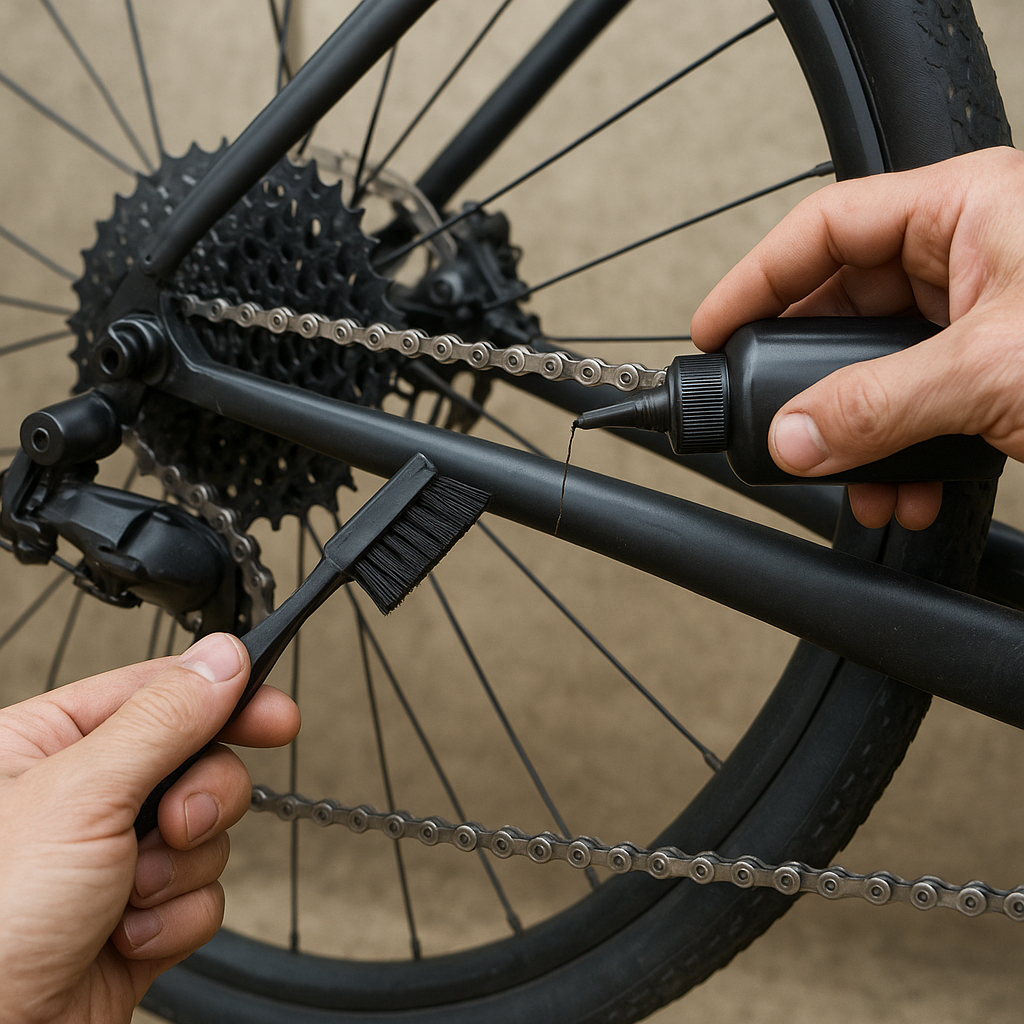
Immediately after a wet ride, rinse off mud and grit with clean water. Use a soft brush to reach tight spots around the drivetrain. Once clean, dry the frame and components thoroughly with a towel to prevent rust and corrosion. Pay special attention to the chain, cassette, and brake pads.
Lubrication and Component Checks
After drying, apply a high-quality wet-weather chain lubricant to displace moisture and protect against wear. Wipe off excess lube to prevent attracting grime. Inspect brake pads for embedded debris and check tire tread depth—replace worn tires to maintain reliable grip on slippery roads.
Storing Your Bike
Store your bike indoors or under cover to protect it from prolonged exposure to moisture. A quick hook or stand keeps it off the ground, reducing the risk of water pooling around components. Consider a light dusting of anti-corrosion spray on metal parts if you ride frequently in damp environments.
Building Confidence and Skill
Gradual Exposure
Start with short rides in light rain before tackling longer, heavier downpours. This approach builds confidence in your gear and technique without overwhelming you. Practice braking, cornering, and riding over varied surfaces in controlled conditions.
Improving Bike Handling
Regular drills in a safe, open area can sharpen your ability to react to sudden slips. Practice shifting your weight, modulating brake pressure, and steering smoothly. Over time, these skills become second nature, enabling you to maintain control even when roads are slick.
Mental Preparedness
Accept that rainy rides are inherently more challenging. Slow your pace, stay focused on the road ahead, and embrace a mindset of caution rather than speed. By staying calm and alert, you’ll reduce the likelihood of panic-induced mistakes.
Additional Safety Tips
- Always wear a well-fitted helmet with a visor to shield your eyes from raindrops.
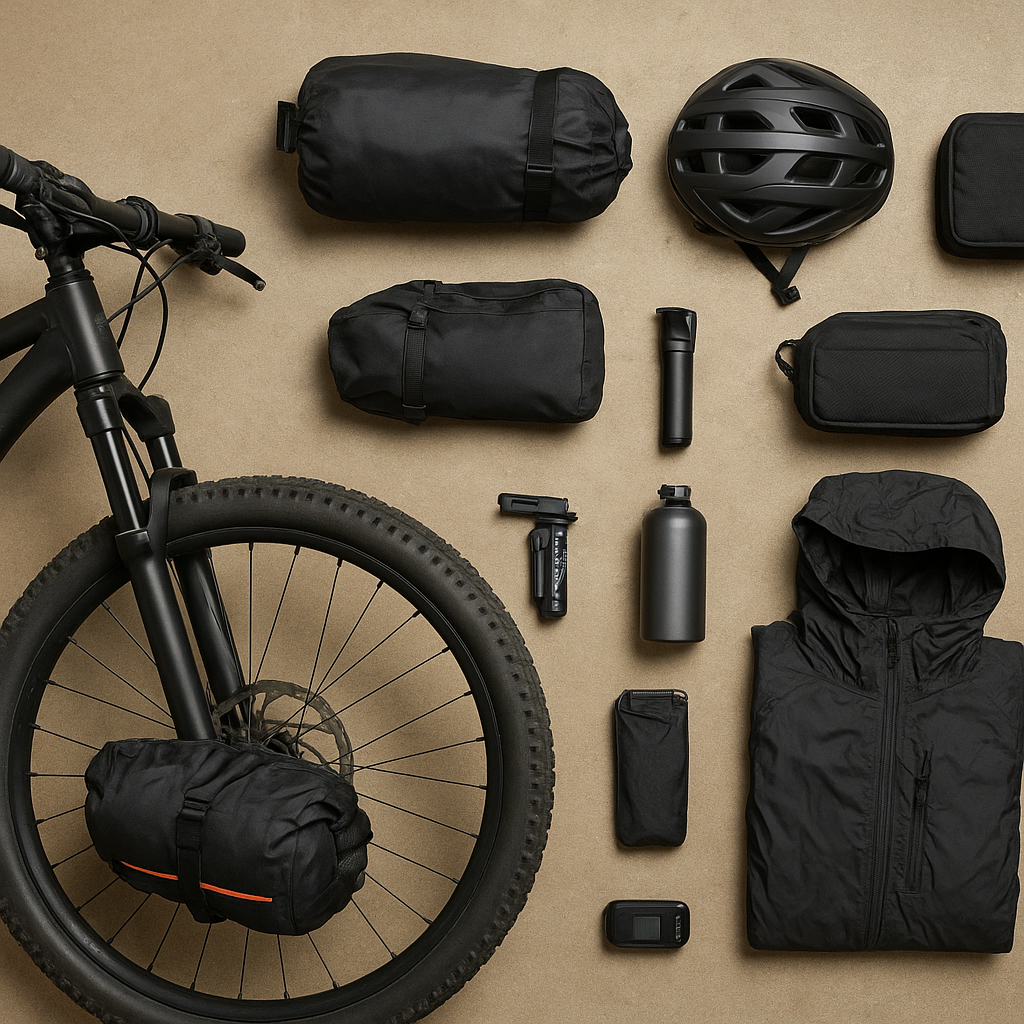
- Carry a compact toolkit and spare tube to handle flats caused by hidden debris.
- Use bar-end plugs to prevent water ingress and protect your hands in case of a fall.
- Increase your pedal visibility by attaching reflective ankle bands or colored lights near the cranks.
- Consider a mudguard extension or flap to further reduce spray into your drivetrain.
By combining the right equipment, refined techniques, and diligent maintenance, cycling in the rain becomes a safe and rewarding experience. With practice and preparation, wet-weather rides can expand your training opportunities and offer unique scenic vistas drenched in fresh, post-rain brightness.