Choosing the right bike can shape your cycling adventures, influence your comfort, and affect your overall satisfaction on the road or off-trail. Whether you lean toward a gravel bike’s rugged capability or a road bike’s speed-oriented design, understanding key differences helps you make an informed decision. This guide explores frame geometry, tire selection, riding experience, and budget considerations to help you pick the perfect ride.
Frame Geometry and Design
The frame is the backbone of any bicycle, dictating handling, weight distribution, and overall ride character. While gravel and road bikes share many design principles, subtle differences can significantly impact your experience.
Geometry and Handling
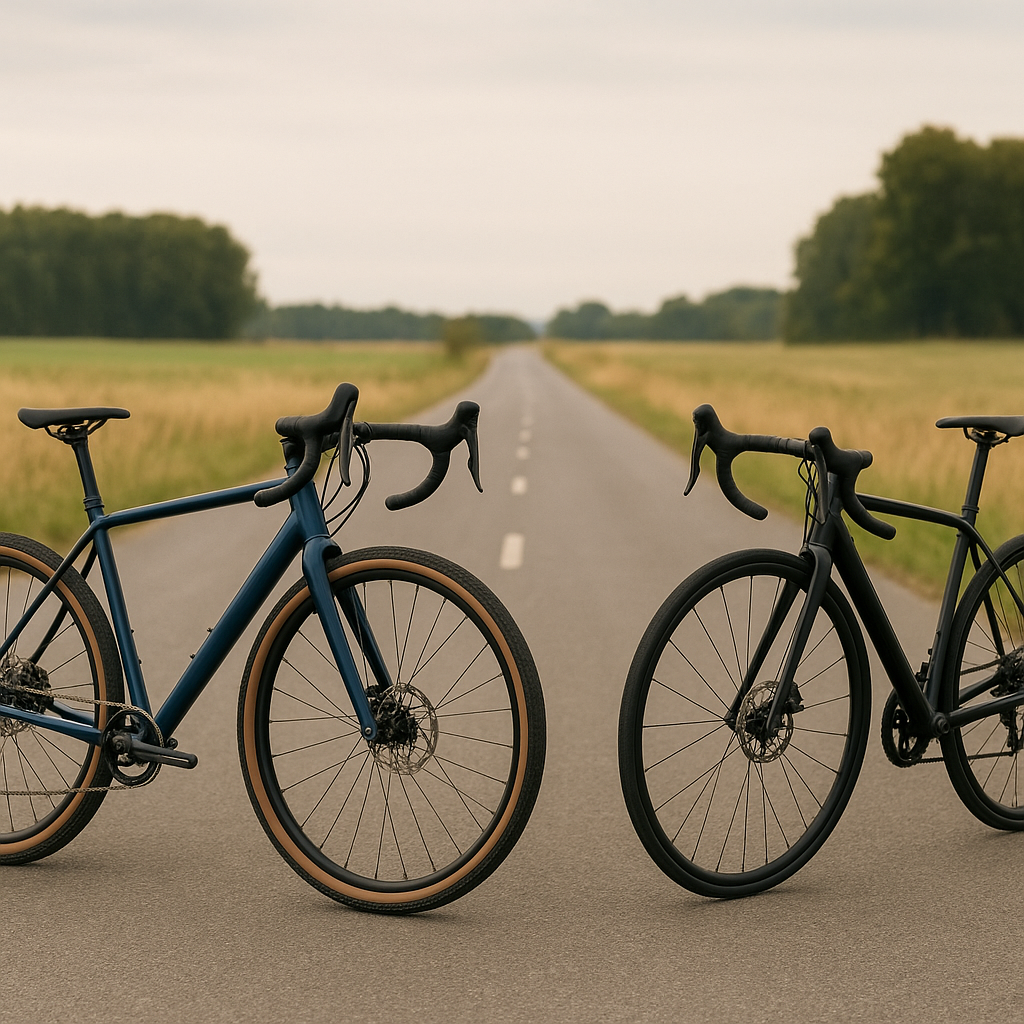
- Stability: Gravel bikes feature a more relaxed head tube angle and longer wheelbase, offering enhanced stability on loose surfaces and rough trails. Road bikes are designed with steeper angles for agile handling and sharp cornering.
- Comfort: The taller head tube on gravel frames promotes a more upright riding position, reducing strain on your neck and back during long rides. Road bikes typically have a lower front end to improve aerodynamics at the expense of a slightly more aggressive posture.
- Clearance: Gravel frames provide greater tire clearance, enabling you to run wider tires for improved shock absorption. Road frames often limit tire width to around 28mm, focusing on low rolling resistance.
Materials and Weight
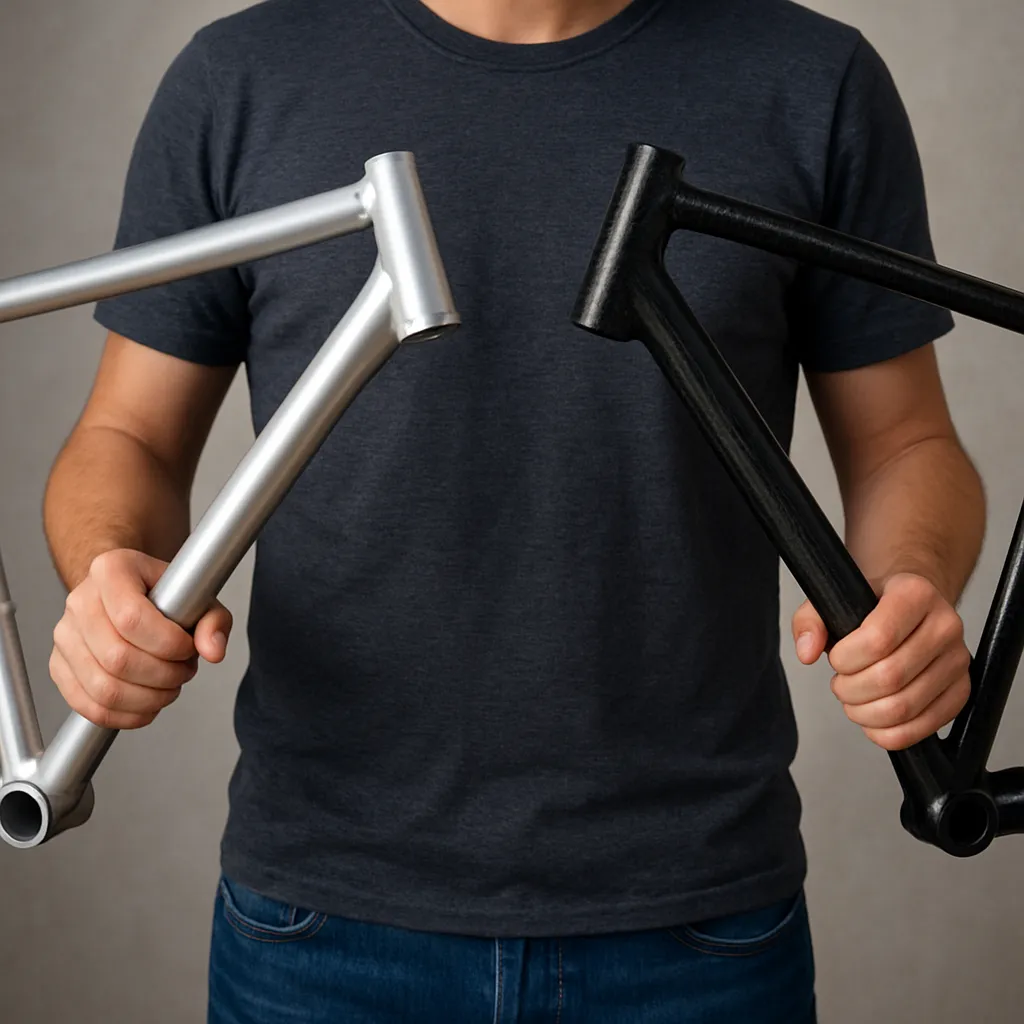
- Aluminum: Affordable and lightweight, aluminum frames excel at offering a snappy feel. Many entry-level road and gravel bikes use this material, balancing durability and cost.
- Carbon Fiber: Found on mid- to high-end models, carbon delivers an excellent strength-to-weight ratio, dampening vibrations and improving rideability. Gravel-specific carbon bikes often include reinforced layups to withstand rough terrain.
- Steel and Titanium: Favored by touring and endurance riders, steel and titanium frames absorb chatter and last for decades when properly cared for. These materials add weight but provide exceptional resilience and comfort.
Tire Selection and Traction
Tire choice dramatically influences how your bike performs across different surfaces. Width, tread pattern, and pressure combine to define the bike’s ability to grip, roll, and absorb shocks.
Width and Clearance
- Road Bikes: Typically equipped with 25mm to 28mm tires, optimized for efficiency on smooth pavement. Narrow tires reduce rolling resistance and improve acceleration.
- Gravel Bikes: Often fitted with 35mm to 45mm tires, offering a compromise between speed and shock absorption. Wider tires allow you to lower pressure, boosting traction on loose or uneven ground.
Tread Patterns and Surface Adaptation
- Slick Treads: Best for tarmac, slick or lightly patterned tires provide minimal drag. Ideal for pure road applications where speed is paramount.
- Knobby or Semi-Knobby Treads: Common on gravel bikes, these designs improve grip on dirt, gravel, and light mud. They may sacrifice some top-end speed but enhance control when conditions deteriorate.
- Puncture Protection: Look for tires with reinforced belts or thicker sidewalls. Gravel riders often face sharp rocks and debris, making durability a key factor.
Riding Experience and Intended Use
Your typical routes and riding goals should steer your choice between a gravel bike and a road bike. Reflect on where you’ll ride most, how often, and what type of performance you seek.
Road Riding and Fitness Focus
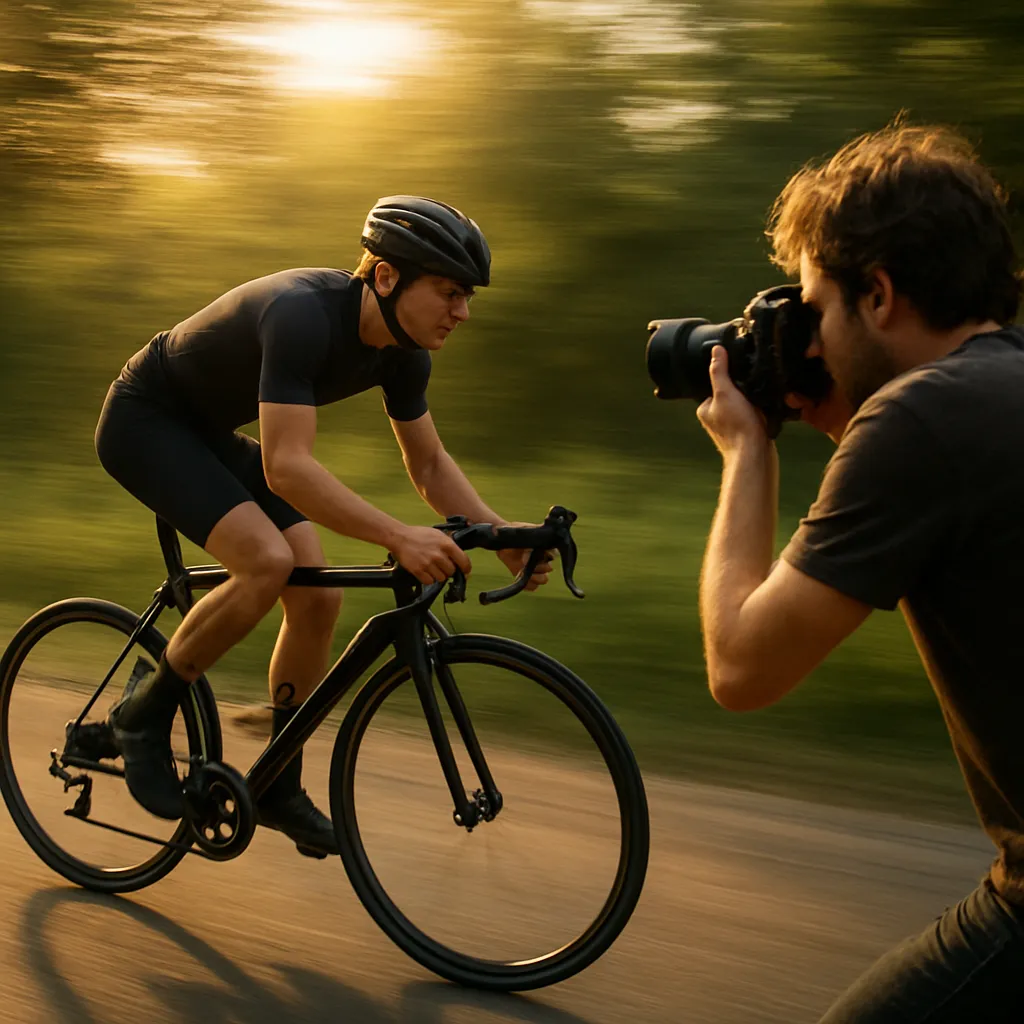
- Speed and Cadence: Road bikes emphasize maintaining high average speeds and a consistent cadence. Lightweight frames and narrow tires maximize performance in races or group rides.
- Aerodynamics: Aggressive positioning reduces wind resistance, helping you tackle long climbs and flats efficiently. Aero-specific road models integrate deep-section wheels and tube shapes to slice through the air.
- Community Events: If you thrive in pelotons or sportive events, a road bike’s compatibility with modern groups and pace lines offers social and competitive advantages.
Adventure and Mixed Terrain
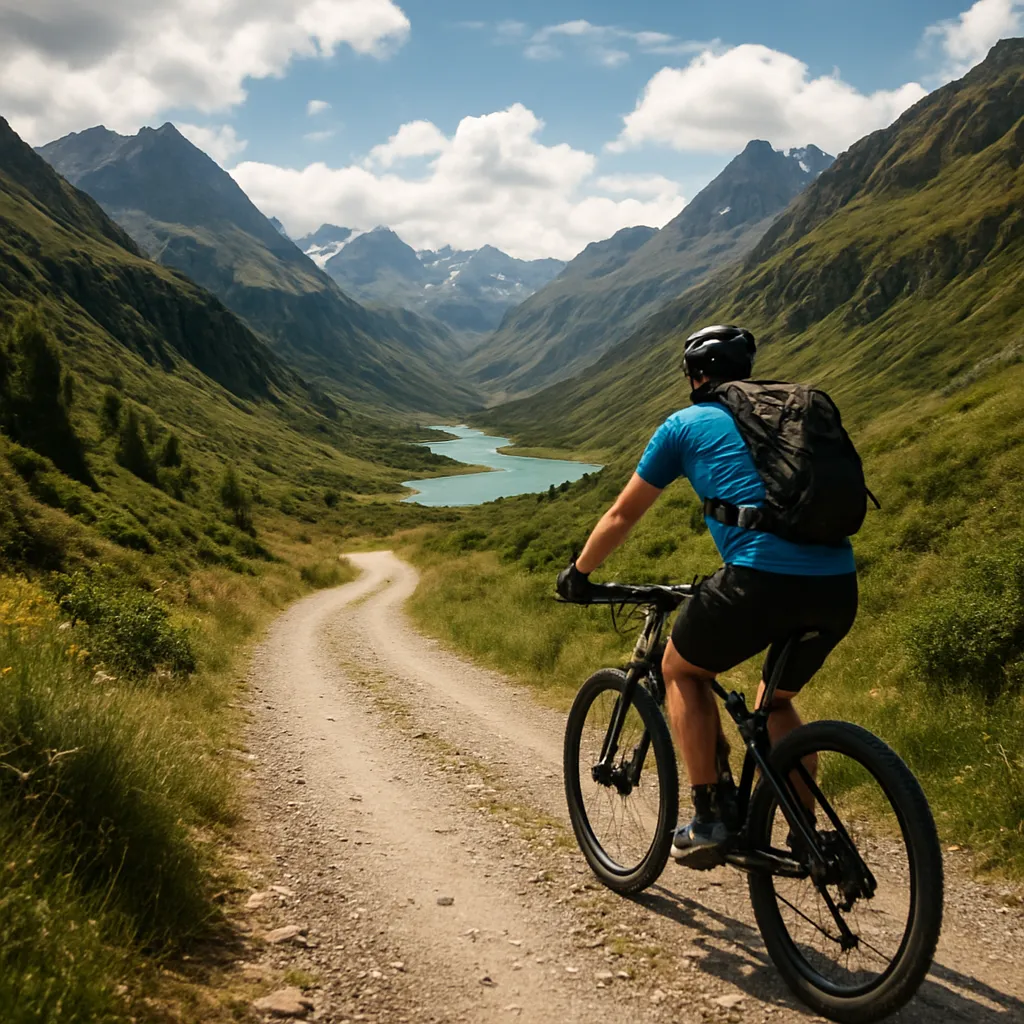
- Exploration: Gravel bikes excel on country roads, forest paths, and bikepacking adventures. Their adaptability encourages riders to stray from paved routes and discover hidden trails.
- Versatility: Many gravel frames accept racks and fenders, supporting touring setups and multi-day trips. This ability to carry gear enhances the exploratory spirit.
- Skill Development: Tackling variable surfaces helps improve bike-handling skills, from cornering on gravel to descending steep forest tracks with confidence.
Budget Considerations and Maintenance
Cost, upkeep, and upgrade paths often guide the practical side of choosing between a gravel bike and a road bike.
Initial Investment
- Entry-Level Options: Both gravel and road bikes have models starting around the same price point, typically built with aluminum frames and mechanical drivetrains. Evaluate component quality to ensure reliability.
- Higher-End Models: Carbon fiber frames and electronic shifting push prices upward. Decide whether the weight savings and performance gains align with your riding goals before splurging.
Ongoing Maintenance
- Drivetrain Wear: Off-road debris on gravel rides accelerates wear on chains and cassettes. Regular cleaning and lubrication are crucial to maintain optimal gear shifting.
- Brake Systems: Many gravel bikes come with disc brakes, offering consistent stopping power in wet and muddy conditions. Road bikes may use rim or disc brakes; discs demand less rim maintenance but require occasional bleed services.
- Tire Care: Wider gravel tires can be tubeless, reducing punctures and allowing lower pressure. Maintaining sealant levels is part of regular upkeep. Road tires also benefit from tubeless setups, but check compatibility before switching.
Upgrade Paths
- Wheelsets: Upgrading wheels can transform ride quality. A lightweight road wheelset boosts climbing and acceleration, while a robust gravel wheelset withstands impacts and rough surfaces.
- Handlebars and Saddles: Customizing cockpit components tailors fit and comfort. Consider wider drop bars for stability on a gravel bike or aero bars for time trials on a road frame.
- Accessories: Bottle cages, frame bags, and fenders enhance functionality. Gravel riders often equip more storage solutions, while road riders focus on minimalism for lighter setups.