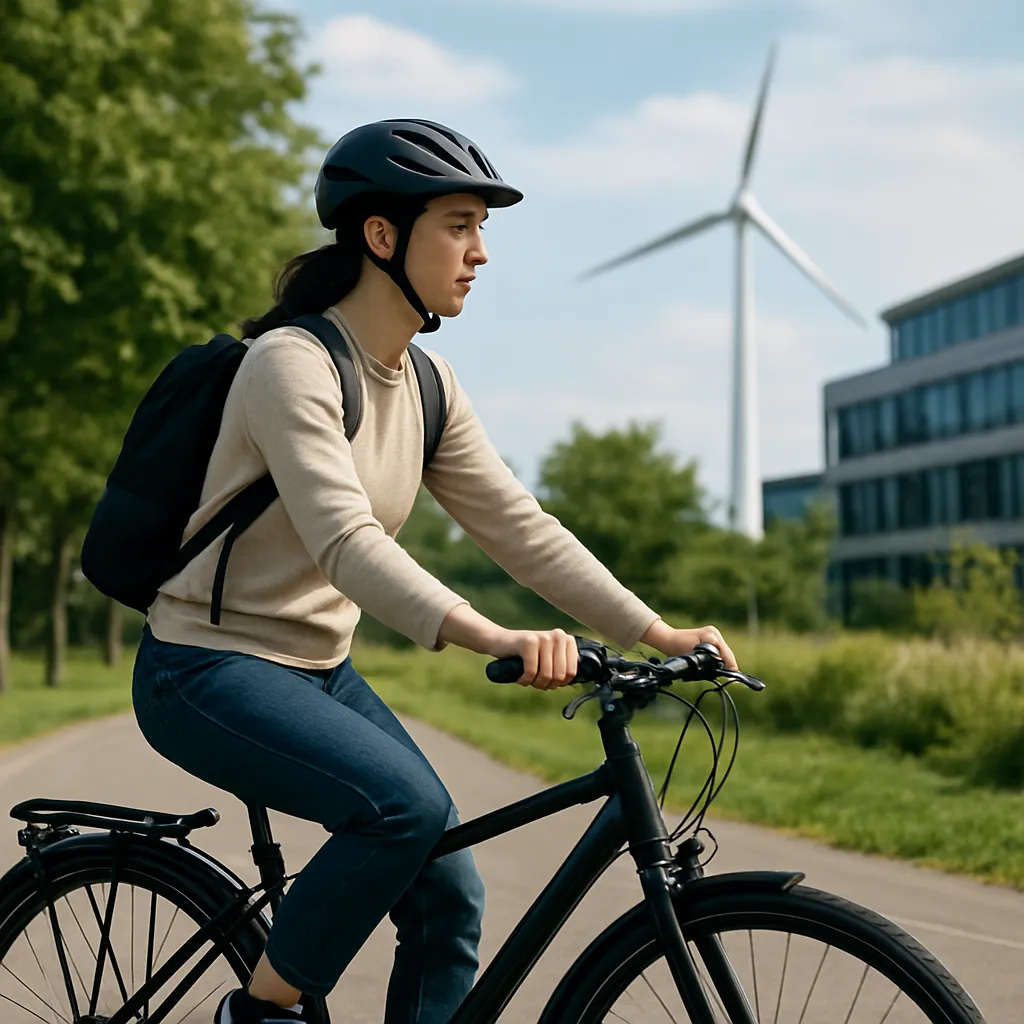
Cycling has emerged as a powerful agent for change in the quest to protect our planet. Beyond its health advantages and cost-effectiveness, riding a bicycle plays a pivotal role in shaping a cleaner, greener future. By exploring various dimensions of this eco-friendly activity, we discover how simple two-wheel journeys can significantly transform urban landscapes, reduce harmful impacts, and foster a culture of active engagement with nature.
The Green Advantages of Pedaling
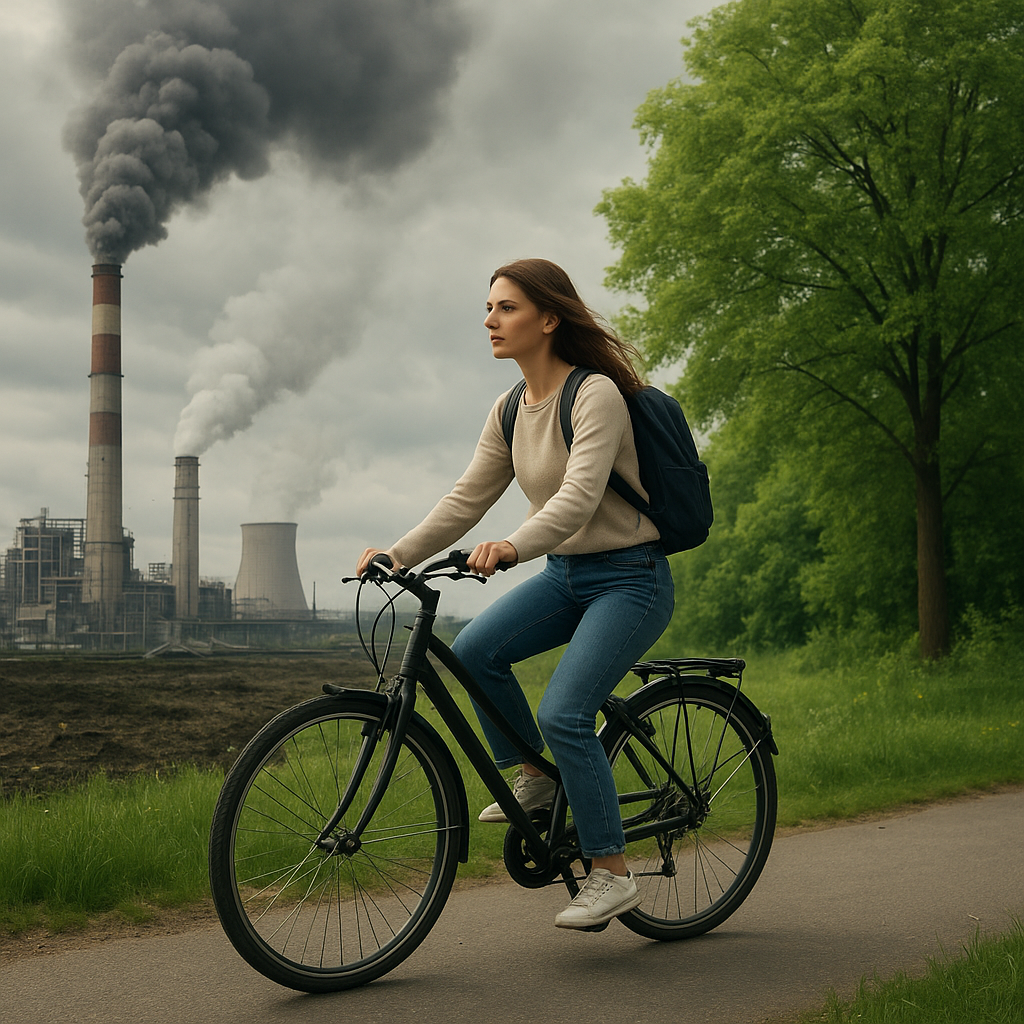
When people swap cars for bicycles, they make a strong statement in favor of a sustainable lifestyle. A single bicycle commute can prevent tons of CO₂ every year, contributing to a drastic decline in air pollution. This shift not only improves ambient air quality but also enhances public health by lowering the incidence of respiratory ailments.
Low Carbon Footprint
Cycling produces virtually zero direct emissions, contrasting sharply with motor vehicles that release a combination of carbon dioxide, nitrogen oxides, and particulate matter. Over its lifetime, an average bicycle may generate only a fraction of the greenhouse gases emitted by a typical car, even accounting for manufacturing and maintenance. Choosing a bike for daily travel means opting for a mode of transport that aligns tightly with climate action goals.
Conservation of Resources
Bicycles require fewer raw materials and less energy to produce compared to automobiles. Steel, aluminum, rubber, and plastic components combine to form a lightweight frame that endures years of use. By embracing a cycling culture, communities reduce strain on finite resources and mitigate the environmental toll of mass automobile production.
Urban Design and Cycling Infrastructure
Well-planned cities are those that prioritize both people and the planet. Integrating bicycle lanes, secure parking, and repair stations fosters a vibrant network of green transportation. Municipal authorities around the world are recognizing the value of cycling in shaping more livable urban environments.
Separated Bike Lanes
Dedicated lanes offer safety and convenience, encouraging riders of all ages to embrace bicycles as a primary mode of travel. With physical barriers between cyclists and motorized traffic, accidents decrease and overall street efficiency improves. This approach also integrates easily with existing pedestrian walkways, creating comprehensive multi-modal corridors.
Supporting Facilities
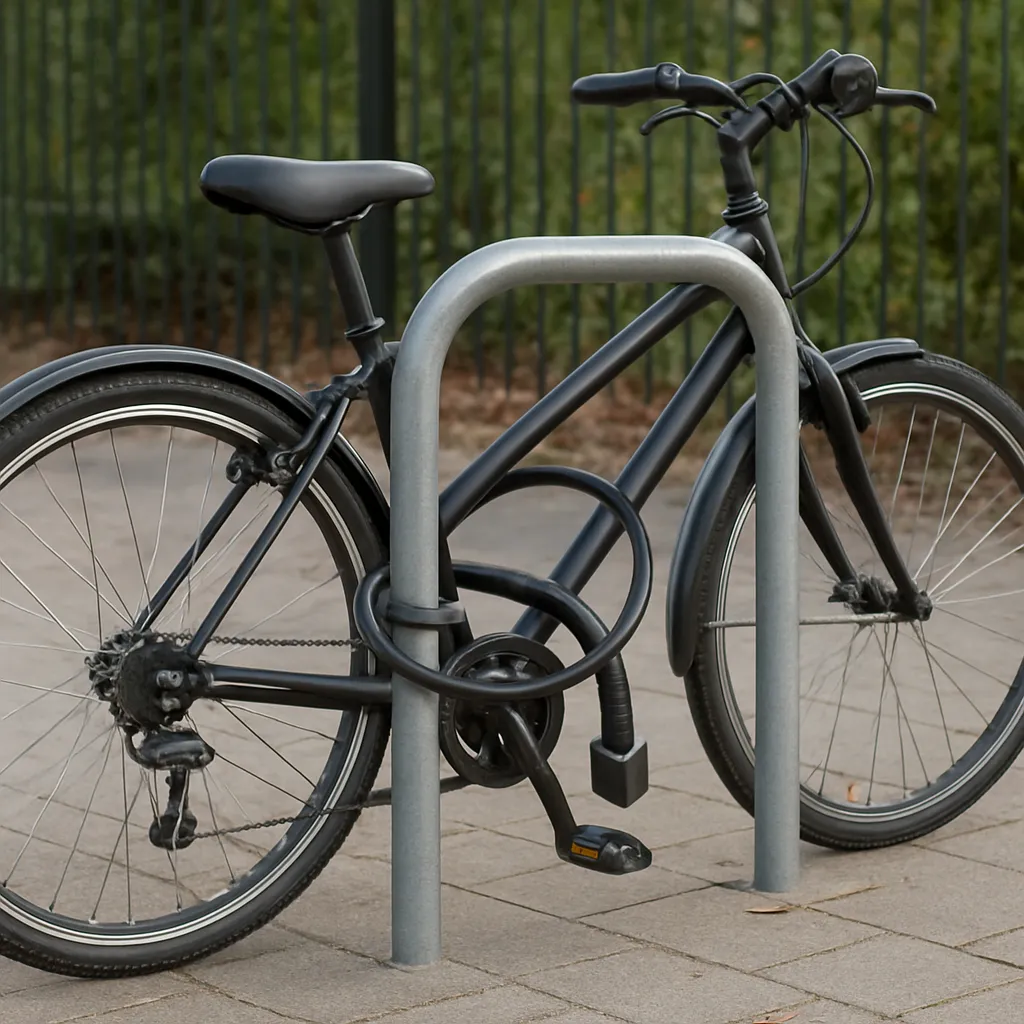
Essential amenities such as public bike racks, repair kiosks, and covered shelters help sustain a lasting cycling culture. Employers and transit hubs often provide complimentary tools and pumps to ensure that riders remain mobile. Such investment in infrastructure underscores a city’s commitment to environmental stewardship.
Ecological Impacts Beyond the Asphalt
Cycling transcends mere transportation; it fosters a deeper connection with natural ecosystems. Observing seasonal changes on a leisurely ride can inspire stewardship and raise awareness of delicate habitats. Moreover, extending cycling paths through green corridors can enhance urban biodiversity by protecting native plants and wildlife.
- Habitat Connectivity: Pathways interwoven with parks and riverbanks allow species to migrate safely.
- Stormwater Management: Pervious trail surfaces reduce runoff and filter pollutants before they enter waterways.
- Urban Heat Island Mitigation: Tree-lined cycling routes cool city centers and conserve energy by lowering demand for air conditioning.
In addition, promoting cycling helps curb the demand for extensive road expansions and parking lots, which often degrade natural landscapes. By reserving open space for greenways instead of asphalt, communities preserve vital ecological functions and protect wildlife habitats.
Socioeconomic and Long-Term Perspectives
Adopting a cycling-first mentality can drive profound economic and social benefits. Reduced healthcare costs, lower infrastructure expenditures, and increased productivity all flow from widespread bicycling. Neighborhoods with high cycling rates often enjoy vibrant street life, as riders stop at local shops and cafés, supporting small businesses.
Cost Savings and Equity
Owning and maintaining a bicycle is significantly less expensive than operating a car. This affordability enhances urban mobility for low-income populations, providing reliable access to work, education, and services. By bridging transportation gaps, cycling promotes social equity and empowers underserved communities.
Resilience and Future Innovations
In the face of climate uncertainties and energy price fluctuations, cycling offers a resilient alternative. Bikes can complement electric vehicles, public transit, and walking to form a robust, integrated system. Emerging trends like cargo bikes and bike-share programs further expand the role of two-wheelers in delivery, logistics, and first-mile/last-mile solutions.
Advancements in materials science promise lighter frames, while smart technology enables route optimization and real-time safety alerts. By continually innovating, the cycling sector stands at the forefront of sustainable transport development.
The humble bicycle transcends its simple design, offering a multifaceted approach to environmental preservation. From slashing greenhouse gas output to nurturing urban biodiversity, cycling embodies a powerful tool for positive transformation. As cities and individuals invest in this form of movement, they pave the way for cleaner air, healthier populations, and a more inclusive society rooted in respect for the natural world.