The role of cadence in cycling transcends simple pedaling frequency. It integrates physiology, biomechanics, and strategy to shape every ride. Riders often debate optimum revolutions per minute (RPM), yet understanding how cadence influences efficiency, energy expenditure, and muscle fatigue can unlock higher levels of performance. This article examines scientific principles, practical tips, and technological advancements that cyclists of all levels can apply to refine their pedal stroke and elevate overall cycling experience.
Physiological Foundations of Pedal Stroke
At its core, maintaining an effective cadence involves balancing muscular workload with cardiovascular capacity. Lower cadences (50–70 RPM) demand higher force per stroke, increasing mechanical stress on muscles and joints. Conversely, higher cadences (90–110 RPM) reduce per-stroke force but escalate cardiovascular demands. Riding at an optimal cadence harmonizes oxygen delivery, energy substrate utilization, and fatigue resistance.
Muscle Fiber Recruitment
Different pedaling speeds preferentially activate distinct fiber types. Slow cadences engage Type II (fast-twitch) fibers, boosting short-term power but accelerating lactic acid buildup, which limits endurance. Faster cadences recruit Type I (slow-twitch) fibers more sustainably, delaying the spike in blood lactate and preserving glycogen stores. Monitoring your personal lactate threshold in conjunction with cadence training can provide targeted insights for pacing strategies in time trials or long climbs.
Neuromuscular Coordination
An efficient pedal stroke is not solely brute strength—it is a finely tuned orchestration of motor units. Repeating high-RPM intervals enhances neuromuscular communication, teaching muscles to fire in smooth, circular motions rather than applying force only on the downstroke. This skill translates to a more constant power output and improved race-day consistency.
Biomechanical Considerations and Injury Prevention
Proper bike fit and technique directly influence how effective any chosen cadence will be. Misalignment can lead to knee pain, hip discomfort, or lower back strain—symptoms often misattributed to random fatigue rather than suboptimal biomechanics.
- Seat Height and Fore-Aft Position: Optimal height allows a slight bend (25–35°) in the knee at the bottom of the stroke, while fore-aft adjustments align the knee over the pedal spindle.
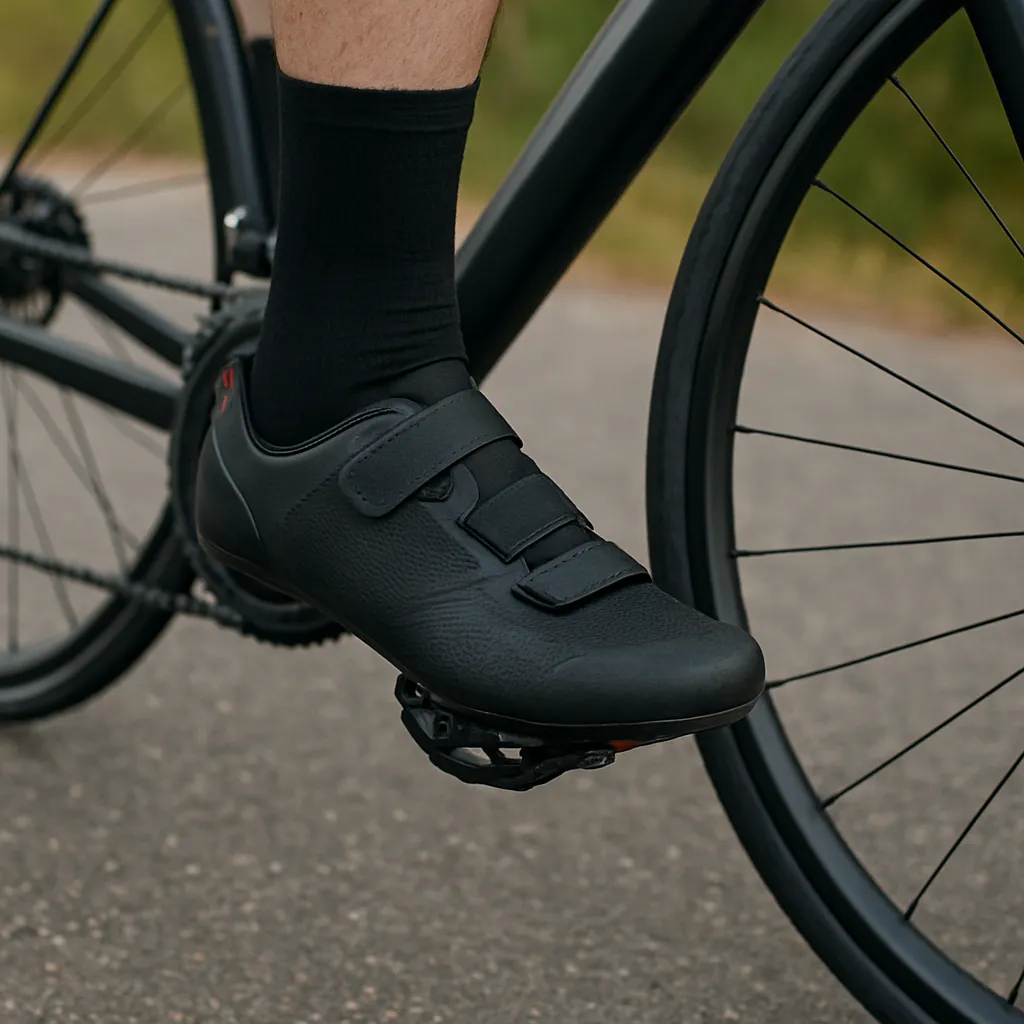
- Cleat Positioning: Ensures force transfer through the pedal spindle, reducing twisting moments that stress ankles and knees during high-RPM efforts.
- Frame Size and Handlebar Reach: Encourage a neutral spine, promoting comfort during extended high-cadence sessions and minimizing lower back loading.
By addressing these factors, cyclists can sustain higher cadences without overloading musculoskeletal structures. Incorporating single-leg pedaling drills further exposes imbalance, enabling targeted correction and reducing injury risk.
Training Strategies to Optimize Cadence
Integrating cadence-focused workouts into your routine can yield substantial gains in both upright cycling and indoor turbo sessions. Below are structured approaches to build strength and speed:
- Low-Cadence Strength Intervals: Pedal at 50–60 RPM in a gear 1–2 sizes larger than normal for 3–5 minutes. Builds muscular resilience and improves force application.
- High-Cadence Drills: Spin at 100–120 RPM for 2–4 minutes with minimal resistance, focusing on smooth transitions through top and bottom dead centers.
- Mixed-Cadence Threshold Rides: Alternate 10 minutes at threshold power with 5 minutes easy spinning. This boosts your lactate threshold and allows testing of sustainable cadences near race pace.
- Neuromuscular Pickups: Short 30 second accelerations at highest maintainable cadence. Enhances efficiency of motor unit recruitment and adaptation to abrupt speed changes in race scenarios.
Recording cadence data with a reliable sensor provides immediate feedback. Review ride metrics to identify patterns—such as cadence drops on climbs or final sprint fatigue—and adjust workouts accordingly.
Technological Advances and Gear Selection
Modern cycling technology offers tools to fine-tune cadence management. Smart trainers and power meters deliver real-time insights, while electronic drivetrains produce smooth, reliable shifts to maintain rhythm under duress.
- Power Meters: Measure actual output, enabling precise correlation between cadences and watts. Distinguish whether performance dips result from cardiovascular limits or mechanical inefficiencies.
- Smart Trainers: Simulate real-world resistance changes, allowing riders to practice shifting gear ratios mid-ride to adapt cadence swiftly when approaching steeper gradients.
- Electronic Shifting Systems: Provide crisp gear changes, reducing cadence disruptions that often accompany mechanical hesitation.
- Cadence Sensors: Integrate with cycling computers or mobile apps, plotting dynamic cadence zones for structured training and long-term progress analysis.
Choosing the right gear ratios for different terrains ensures you stay within your optimal cadence zone. A compact crankset with a wide-range cassette can offer a versatile setup for variable climbs and flats, promoting consistent revolutions per minute.
Integrating Cadence into Race Tactics
Effective cadence management isn’t confined to training; it plays a critical role in race execution. Here’s how:
- Maintain a slightly higher cadence in time trials to evenly distribute load across muscle fibers and reduce metabolic acidosis.
- Accelerate spin rate during breakaways or sprints to generate power quickly while preserving mechanics for repeated efforts.
- Modulate cadence on climbs based on gradient shifts—lower RPM for steep pitches where torque trumps speed, and higher RPM on rolling sections to conserve energy.
- Use pedal stroke drills during warm-up to activate key muscle groups and reinforce neuromuscular patterns before the start.
By weaving cadence awareness into every training and racing scenario, cyclists can achieve a harmonious balance between force, speed, and endurance.