Selecting the right handlebars can make a world of difference in your riding experience. Whether you’re tackling rugged trails, cruising city streets, or competing in a road race, the proper bar will optimize your comfort, **performance**, and **control**. This guide covers the main handlebar types, essential selection criteria, and practical installation and maintenance tips to help you make an informed choice.
Understanding Handlebar Types
Handlebars come in a variety of shapes and styles, each tailored to a specific riding discipline. Recognizing the unique features of each type will ensure you match the bar to your preferred style.
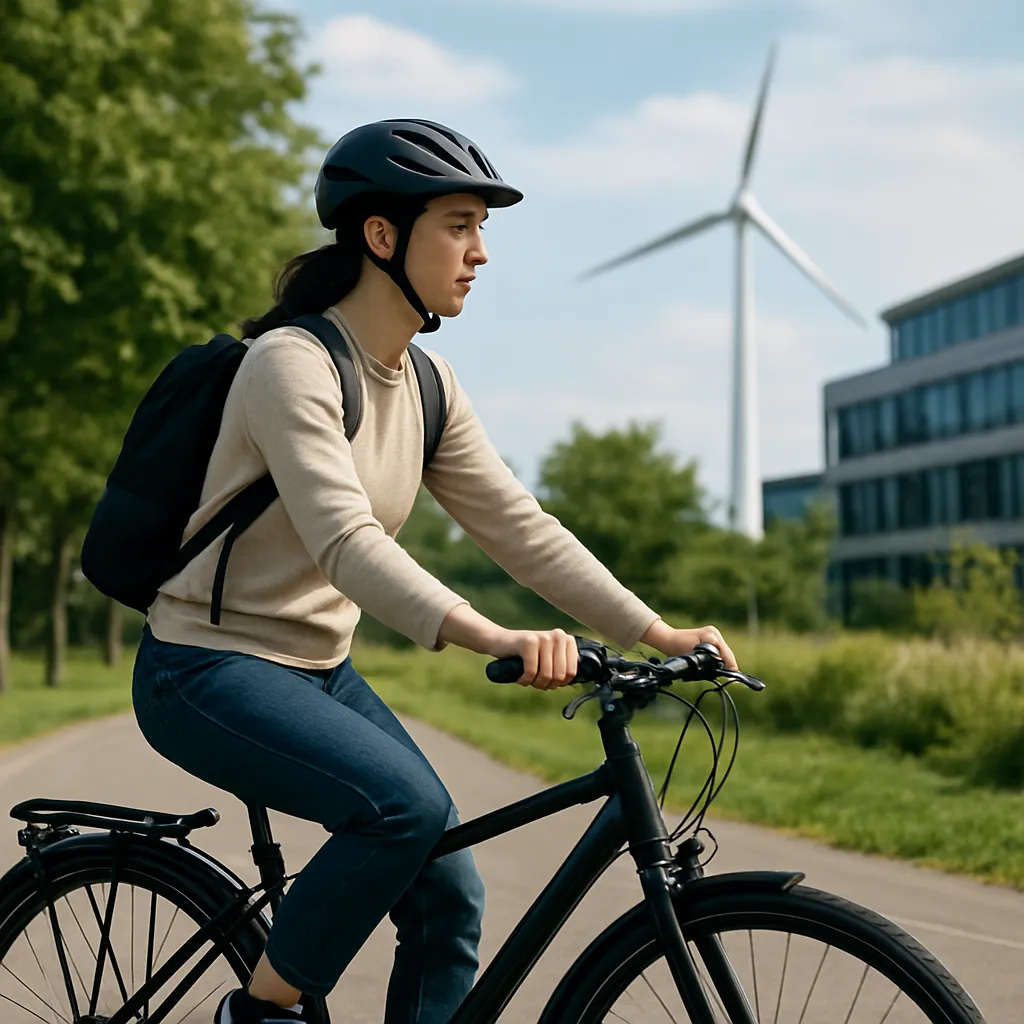
Flat Bars
- Often found on **hybrid** and mountain bikes
- Provide a neutral wrist position for greater **stability**
- Offer wide leverage for better control on technical terrain
Flat bars are ideal for riders seeking a straightforward, no-frills grip with an emphasis on an upright posture. Their simplicity makes them durable and easy to maintain.
Riser Bars
- Feature an upward sweep of 20–40 mm
- Increase handlebar height for improved **comfort** and visibility
- Popular among trail and all-mountain enthusiasts
By raising your hand position, riser bars reduce fatigue in the lower back and shoulders. The added height can also facilitate technical maneuvers on off-road trails.
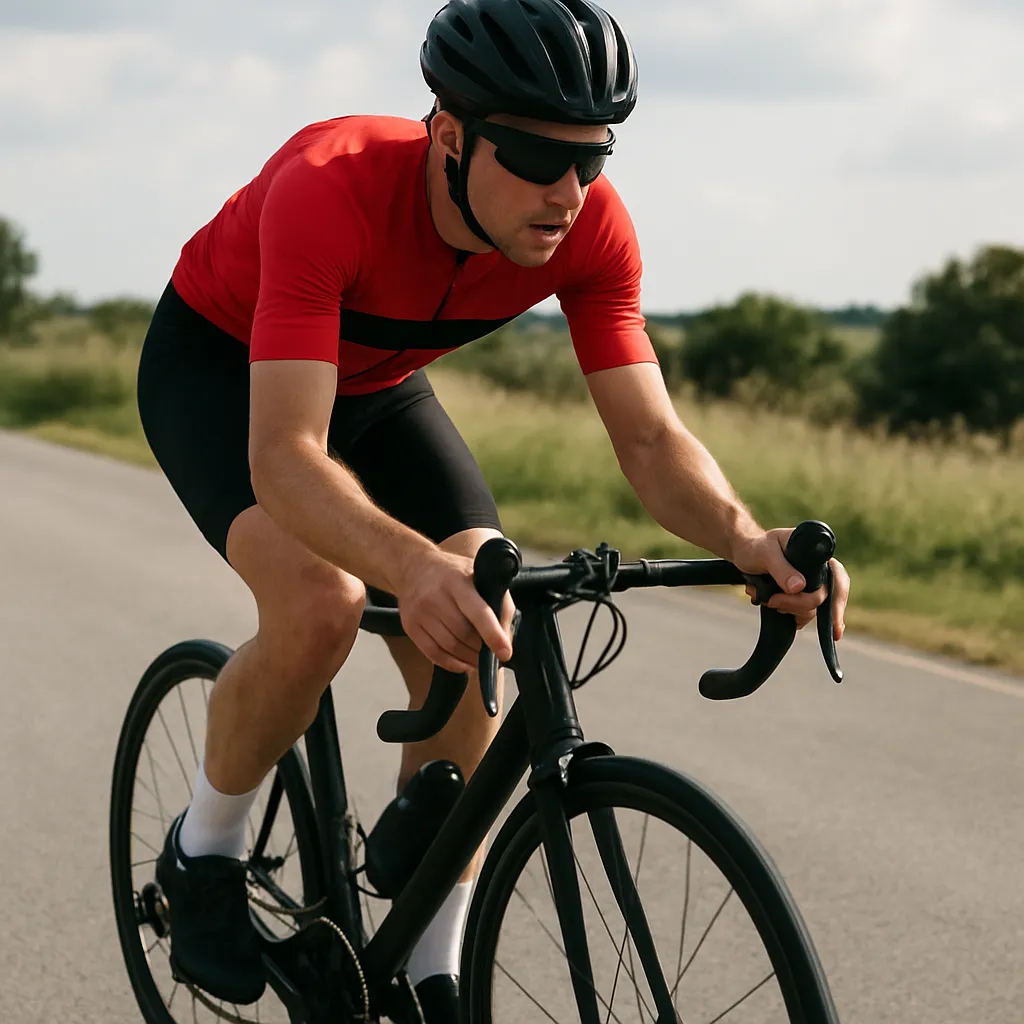
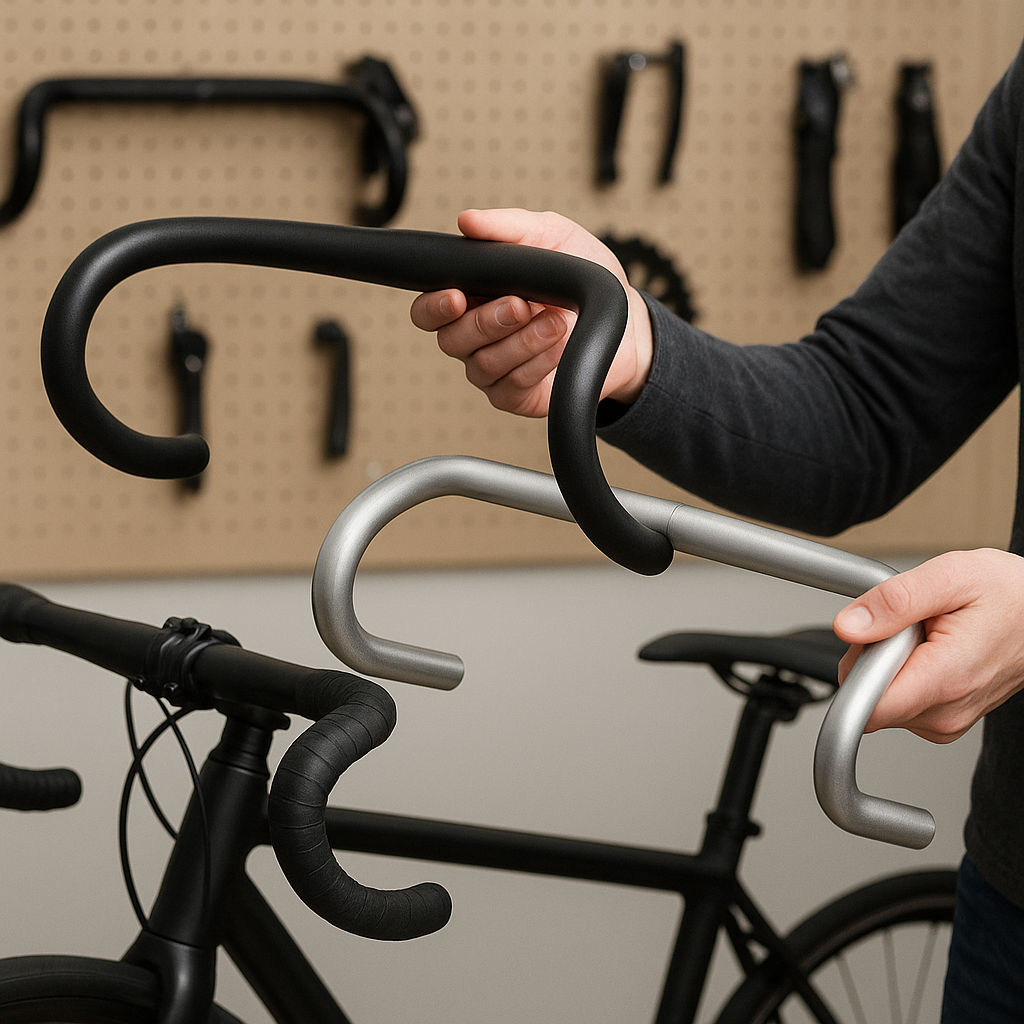
Drop Bars
- Standard on road, gravel, and cyclocross bikes
- Offer multiple hand positions: hoods, tops, and drops
- Enable an aerodynamic posture in the drops
Drop bars excel in scenarios where **speed**, varied terrain, and long-distance comfort are priorities. Their curved design allows you to shift weight distribution and optimize **aerodynamics**.
Bullhorn and Pursuit Bars
- Common in fixed-gear and track cycling
- Extend forward with slight upward or downward bends
- Encourage a low, **aggressive** stance
Bullhorn bars provide a balance between sprinting leverage and moderate reach to the stem. They’re favored by urban riders and track racers for their sleek profile and simplicity.
Factors to Consider When Choosing Handlebars
Picking the right handlebar involves more than just style. Several key factors will influence your decision, from ergonomic fit to compatibility with accessories.
1. Width and Sweep
Bar width impacts leverage and body position. Wider bars increase stability but may feel cumbersome in tight spaces. Narrow bars reduce arm extension but can limit steering precision. Consider these metrics:
- Width: Measured center-to-center at the grips
- Sweep: The angle of backward or upward bend
An appropriate sweep reduces strain on wrists and elbows, promoting a more natural, ergonomic grip.
2. Rise and Drop
Rise refers to how much the bar lifts above the clamp area. Drop is the vertical distance from the tops to the drops on a drop bar. Matching rise and drop to your riding style ensures optimal posture.
- High-rise bars favor upright riding
- Low-rise or zero-rise bars suit aggressive, forward-leaning positions
- Moderate drop enables quick transitions between hand positions
3. Material and Weight
Handlebars are typically made from aluminum, steel, or carbon. Each material offers unique **benefits**:
- Aluminum: Cost-effective, lightweight, moderate **durability**
- Steel: Highly **resilient**, can absorb road vibrations, heavier weight
- Carbon: Ultra-light, excellent vibration damping, premium price
Consider how much weight savings matter versus budget constraints. A well-chosen handlebar can shave grams without sacrificing strength.
4. Clamp Diameter and Compatibility
Ensure your chosen bar matches the stem clamp size—commonly 31.8 mm or 25.4 mm. Mismatched diameters require shims or adapters, which can compromise **stability**. Also verify compatibility with brake levers, shifters, and accessory mounts.
5. Intended Use and Terrain
Your typical riding environment dictates the ideal handlebar profile:
- Mountain trails: wide, sturdy riser or flat bars
- Road and gravel: drop bars with varied hand positions
- Urban commuting: comfortable sweep bars or bullhorn designs
Choosing a bar that complements your terrain maximizes both efficiency and **safety**.
6. Ergonomics and Grip
Proper ergonomics can prevent numbness and fatigue. Look for bars with subtle bends, flares, or inbuilt palm rests to support your hands. Pairing with quality grips or bar tape further enhances comfort and reduces hand stress during long rides.
Installation and Maintenance Tips
Once you’ve settled on the perfect handlebars, proper installation and care will ensure longevity and optimum performance. Follow these guidelines to keep your bars secure and in top condition.
Pre-Installation Checks
- Inspect the stem clamp area for debris or damage
- Verify clamp diameter tolerance
- Apply a thin layer of **grease** or carbon assembly paste for carbon bars
Torque Specifications
Adhering to recommended torque settings is critical. Over-tightening can crack carbon or strip threads; under-tightening can cause slippage. Typical ranges:
- Aluminum bars: 5–8 Nm
- Carbon bars: 4–6 Nm (with assembly paste)
Use a calibrated torque wrench to achieve precise tension and avoid uneven clamping.
Cable and Accessory Routing
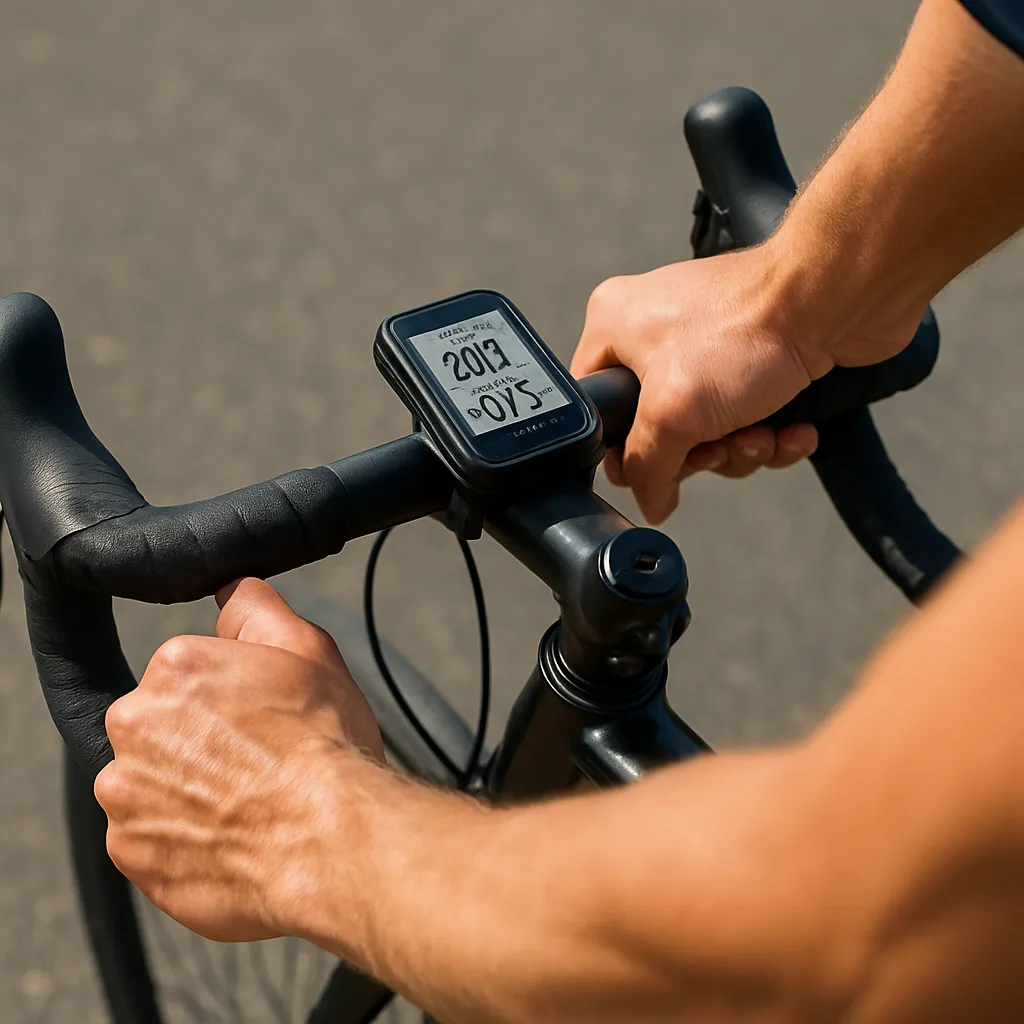
Efficient cable routing reduces clutter and prevents interference with steering. Consider internal routing through the bar if your frame supports it. When mounting lights, phone holders, or cycle computers, distribute weight evenly to maintain balanced handling.
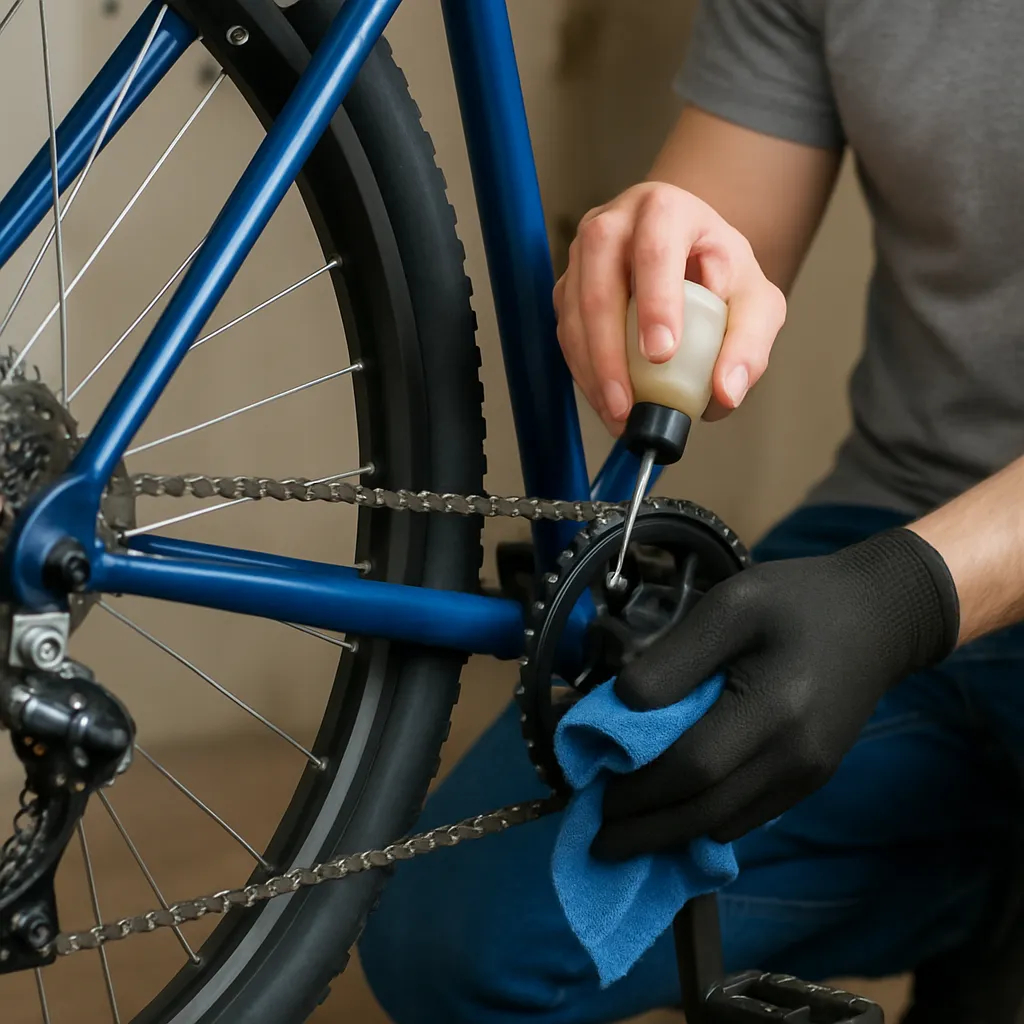
Routine Inspection
- Check for hairline **cracks** or material fatigue
- Retorque bolts after the first few rides
- Replace worn grips, tape, or padding
Early detection of issues safeguards against sudden failures and maintains top-level **safety**.
Bar Tape and Grip Upgrades
Refreshing bar wrap or upgrading grips can transform comfort levels. Options include gel-infused tape, ergonomic extensions, and anti-slip textures. Select materials suited to your climate and riding frequency to ensure lasting **durability**.