Selecting the ideal cycling GPS computer can transform an ordinary ride into an exceptional journey, elevating every pedal stroke with precise tracking, seamless navigation, and robust performance. Riders of all levels seek devices that blend advanced technology with intuitive operation, ensuring each outing is memorable and data-rich. By focusing on crucial aspects such as accuracy, battery life, and compatibility, cyclists can make an informed decision that aligns with their riding goals, whether they tackle rugged mountain trails, carve through urban streets, or embark on long-distance adventures.
Understanding Core GPS Computer Capabilities
Before investing in a cycling GPS, it’s essential to recognize the fundamental attributes that distinguish one model from another. Here’s a closer look at the critical dimensions that influence overall value and performance.
- Accuracy: High-precision satellite reception ensures reliable speed, distance, and elevation readings. Models with multi-band GNSS support often deliver superior route fidelity, especially in dense forests or narrow urban canyons.
- Battery life: Endurance varies widely, from basic units offering 10–15 hours to advanced computers boasting up to 60 hours or more. Extended rides and multi-day tours demand a long-lasting power source.
- Connectivity: Bluetooth, ANT+, and Wi-Fi enable pairing with heart rate monitors, power meters, and smartphones. Seamless data transfer and live tracking features keep you connected with teammates and supporters.
- Navigation: Turn-by-turn directions, breadcrumb trails, and preloaded maps enhance route guidance. Some GPS computers offer on-device route planning, while others rely on companion apps for mapping.
- Durability: A rugged, water-resistant casing shields sensitive electronics from crashes, mud, and rain. Check for IPX ratings and shock-resistant designs to withstand harsh conditions.
- Features: Advanced metrics such as climbing performance, power zone analysis, and VO2 max estimations help optimize training. Customizable data screens let riders focus on the metrics most important to them.
- Software: User-friendly interfaces and regular firmware updates ensure a smooth experience and access to the latest enhancements. Proprietary platforms may offer deeper insights but consider third-party compatibility.
- Compatibility: Ensure your GPS works with existing sensors, bike computers, and training apps. A versatile device can integrate with various power meters, trainers, and cycling platforms.
- Data analysis: Post-ride analytics reveal trends in performance, fatigue, and recovery. In-depth reports guide future training cycles and help set realistic goals.
Aligning Device Selection with Riding Style
Every cyclist has unique requirements influenced by terrain, distance, and training objectives. Matching a GPS computer to your specific style guarantees maximum benefit from your investment.
Road Cycling Enthusiasts
Road riders typically seek a slim profile and aerodynamic mounting. Lightweight units with bright, sunlight-readable screens enhance visibility at highway speeds. Key considerations include:
- Rapid satellite fix for consistent speed/distance data.
- Preloaded road maps with points of interest, including rest stops and cafes.
- Live segments and performance comparisons against fellow riders.
Mountain Bikers and Trail Riders
Off-road adventurers prioritize ruggedness and reliable navigation in unpredictable environments. Important aspects include:
- Robust casing with high shock and water resistance.
- Topo maps displaying elevation contours and trail networks.
- Barometric altimeter for precise climb and descent tracking.
Touring and Adventure Cyclists
Long-distance travelers need exceptional battery capacity and versatile navigation features to handle remote areas. Look for:
- Multi-day endurance mode extending battery life.
- Waypoint marking and route diversion for emergency alternatives.
- Solar charging compatibility or external battery pack support.
Mounting, Installation, and User Interface
Ease of setup and daily usability can make or break the riding experience. Assess mounting solutions and interface intuitiveness to avoid frustration during fast-paced rides.
Mounting Systems
GPS computers typically attach to handlebars or stems via quarter-turn mounts. Key factors include:
- Secure fit that resists vibration and twisting.
- Compatibility with aero bars or integrated cockpit setups.
- Optional out-front extensions for improved line of sight.
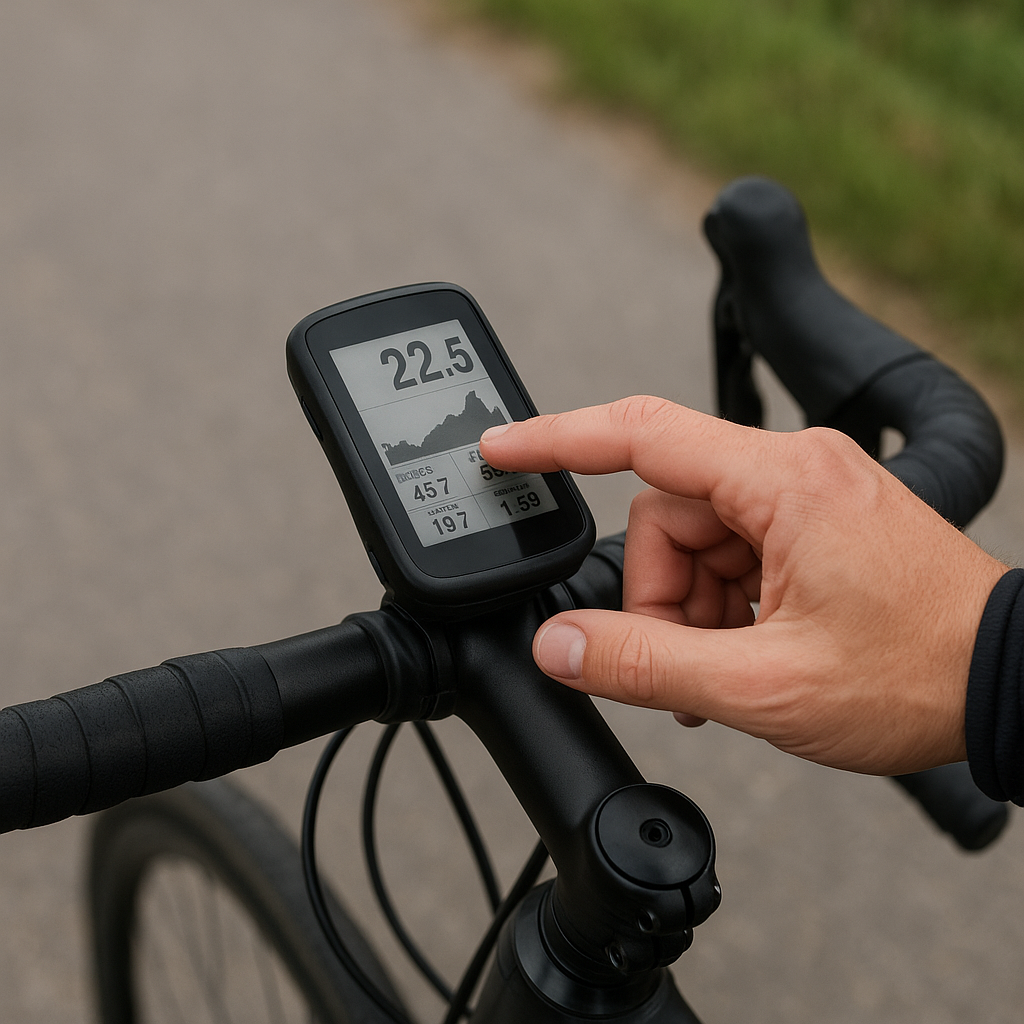
Screen and Controls
Screen size and control layout affect how quickly you can access data. Consider:
- Touchscreen vs. button navigation: touchscreens feel modern but may struggle with gloves or in wet conditions.
- Screen resolution: high DPI displays provide crisp numbers and graphs.
- Customizable data pages: configure multiple screens to cycle through power, heart rate, and map views.
Firmware and App Ecosystem
A robust companion app enhances pre-ride planning and post-ride analysis. Evaluate:
- Route import/export capabilities for platforms like Strava, Komoot, and Ride with GPS.
- Firmware update frequency to address bugs and add new features.
- Cloud syncing for secure backup and easy device switching.
Budget Strategies and Long-Term Value
Investing in a cycling GPS computer requires balancing cost with desired functionalities. Applying a strategic approach ensures you get the most value for your expenditure.
- Entry-Level Options: Ideal for casual riders, offering essential metrics without premium mapping. Expect accuracy and durability comparable to higher-end models but limited advanced data analysis.
- Mid-Range Units: Blend extended battery life, detailed maps, and sensor compatibility. These are perfect for enthusiasts who ride regularly and demand deeper performance insights.
- High-End Computers: Premium devices excel in multisport modes, full-colour mapping, and advanced metrics like VO2 max predictions. They often include live environmental data and wireless training control.
Beyond initial cost, consider potential savings from firmware updates that unlock new capabilities, warranty coverage for accidental damage, and trade-in programs to upgrade at reduced prices.