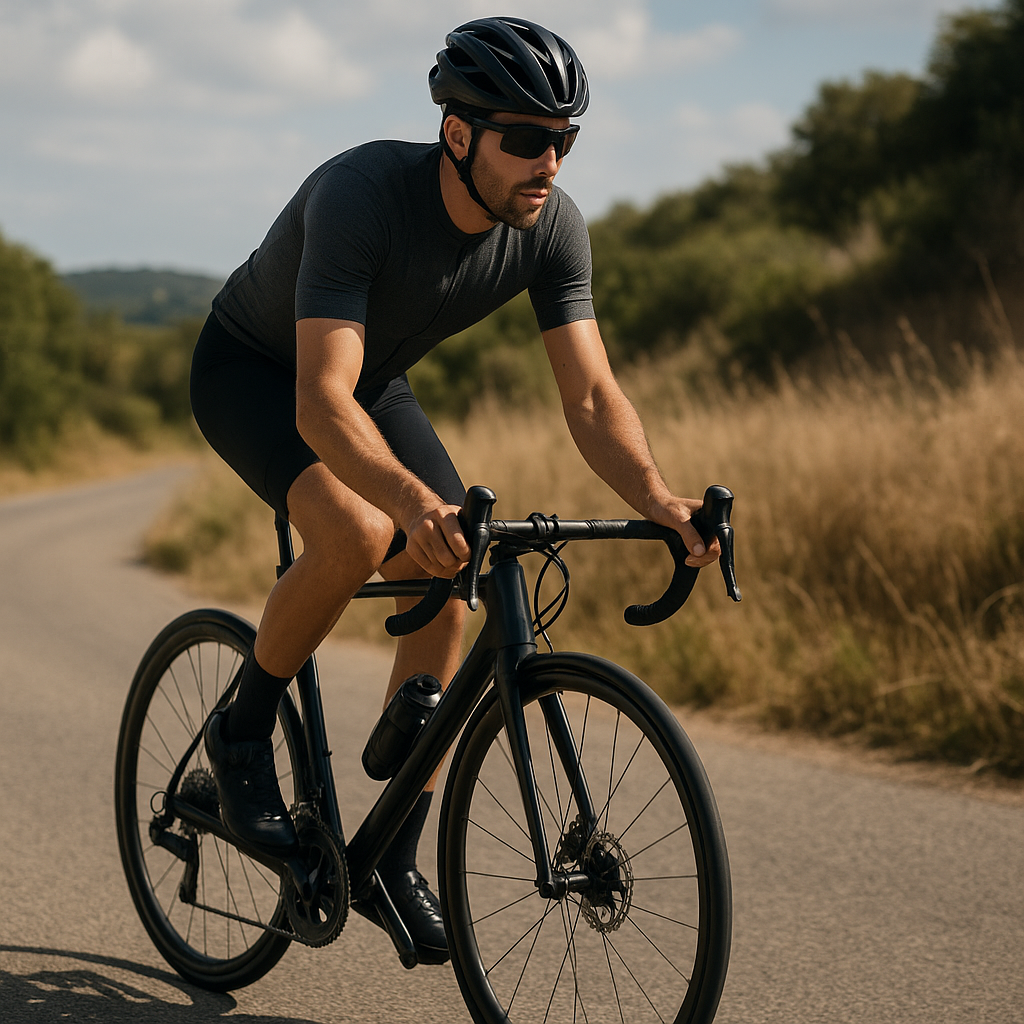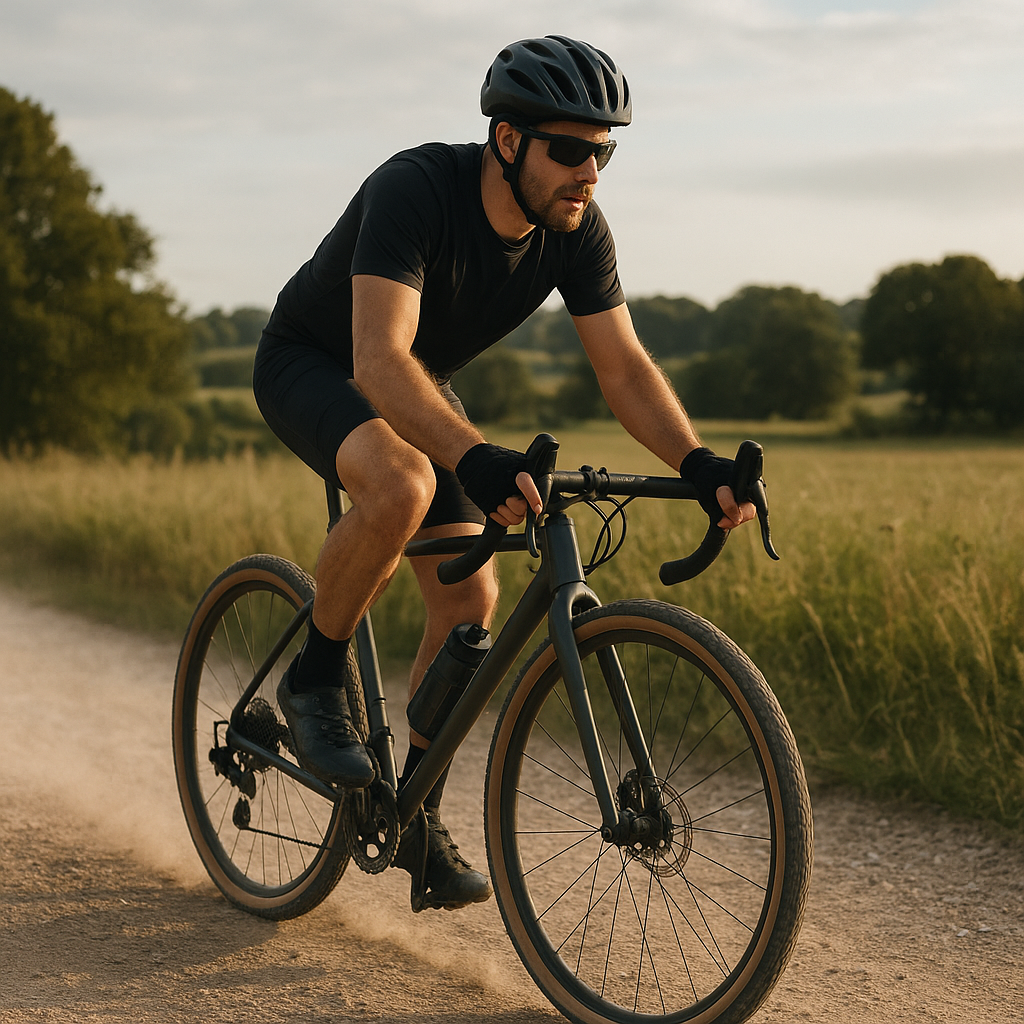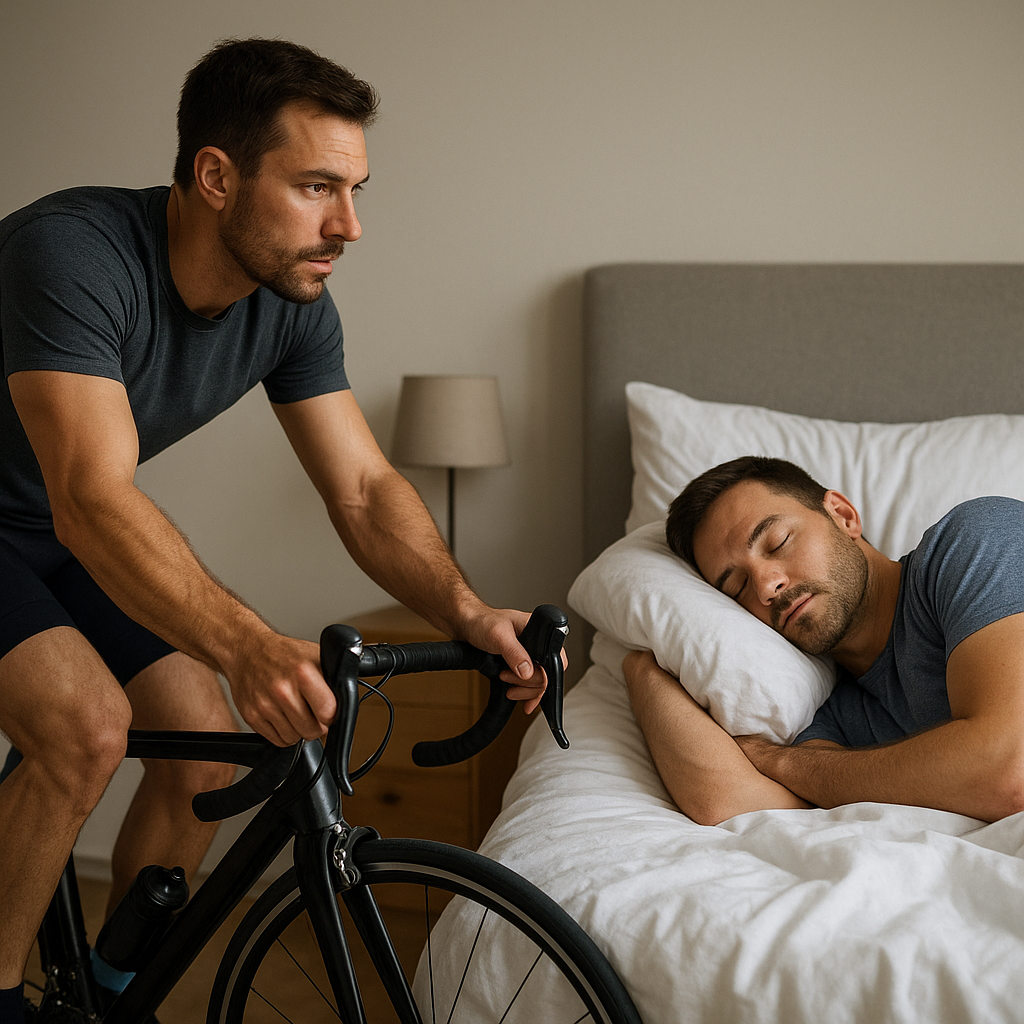
Cycling is more than just a mode of transport or a competitive sport—it reshapes our physiology, boosts our mood, and profoundly impacts how well we sleep. From the gentle pedal of a leisurely ride to the intense climb up steep hills, each session on the saddle sends messages through our bodies that ripple into the nightly rest that follows. Understanding these connections can help both casual riders and elite athletes harness the full potential of bicycles to unlock deeper, more restorative sleep.
The Link Between Cycling and Sleep Quality
Regular cycling stimulates a complex web of hormonal and neurological pathways that signal the brain when it’s time to wind down. During a ride, levels of endorphins—those “feel-good” chemicals—rise, reducing perceptions of stress and anxiety. This stress reduction is key for preparing the mind for restorative slumber. At the same time, cycling can lower circulating levels of cortisol, the primary stress hormone that, when elevated at night, can disrupt sleep architecture and cause frequent awakenings.
Aside from hormonal shifts, cycling influences body temperature regulation. A well-timed evening ride may slightly elevate core temperature, encouraging a more pronounced cooldown phase that mimics natural circadian fluctuations. As body temperature declines post-ride, it sends a cue to the brain to produce melatonin, facilitating quicker sleep onset and improving overall sleep efficiency.
Physiological Impacts of Riding on Rest
Energy Expenditure and Recovery Demands
Every mile covered on a bike represents energy spent and micro-tears in muscle fibers that require repair. This process of recovery demands sufficient sleep for optimal muscle regeneration, protein synthesis, and glycogen replenishment. Riders who skimp on sleep may experience prolonged muscle soreness, reduced power output, and an increased risk of injury.
The Role of Circadian Rhythms
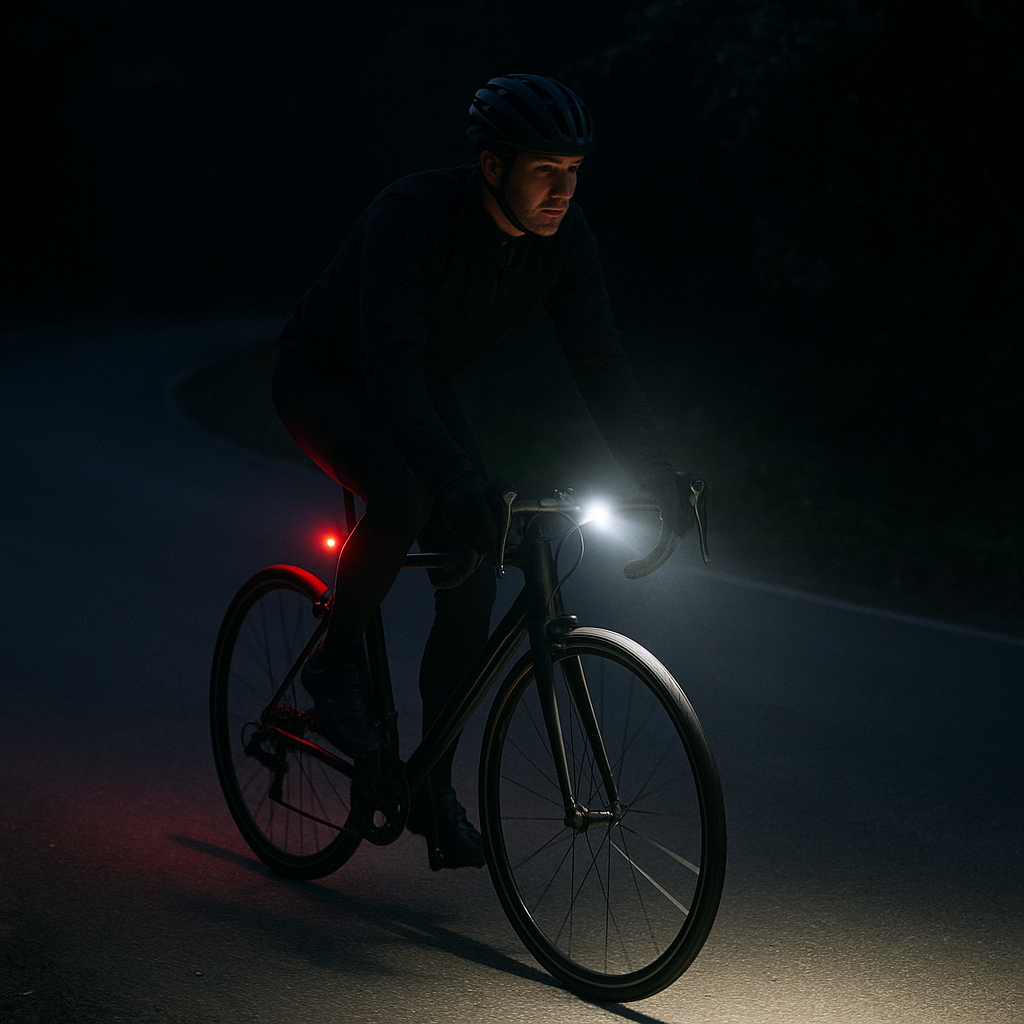
Riding at different times of day can either support or disrupt your intrinsic circadian rhythms. Morning rides boost exposure to natural light, reinforcing wakefulness cues and sharpening the body’s internal clock. Conversely, intense late-night sessions may delay melatonin production, making it harder to fall asleep at your usual bedtime. Striking a balance between ride timing and your biological clock is essential for maximizing nighttime rest.
Muscle Glycogen and Sleep Depth
Muscle glycogen stores deplete during prolonged rides. Sleep provides an energy-efficient window during which muscles restock glycogen. Studies show that deeper stages of sleep, especially slow-wave sleep, are critical for this replenishment. Cyclists aiming for sustained endurance should prioritize both ride duration and sleep duration to avoid chronic fatigue.
Practical Tips to Optimize Sleep for Cyclists
- Schedule rides with purpose. Align aerobic base rides in the early morning or late afternoon to benefit from natural light exposure and avoid sleep disruption.
- Monitor training load. Use a training diary or wearable device to track daily exertion and adjust rest days to prevent training monotony and sleep disturbances.
- Practice relaxation techniques. After an evening ride, engage in light stretching, meditation, or breathing exercises to accelerate cortisol reduction before bedtime.
- Pay attention to hydration and nutrition. Rehydrate with electrolyte-rich fluids post-ride and enjoy a balanced recovery meal rich in protein and complex carbohydrates at least two hours before sleep.
- Create a sleep-friendly environment. Aim for a cool, dark, and quiet bedroom. Consider blackout curtains or a white noise machine to minimize external disruptions.
Gear and Technology for Better Rest
Wearable devices that track both ride metrics and sleep patterns can reveal key correlations between training intensity and rest quality. Smart trainers and power meters help riders avoid unintended overtraining by keeping efforts within precise zones. Pair this data with a sleep tracker to ensure heart rate variability and sleep duration remain within optimal ranges.
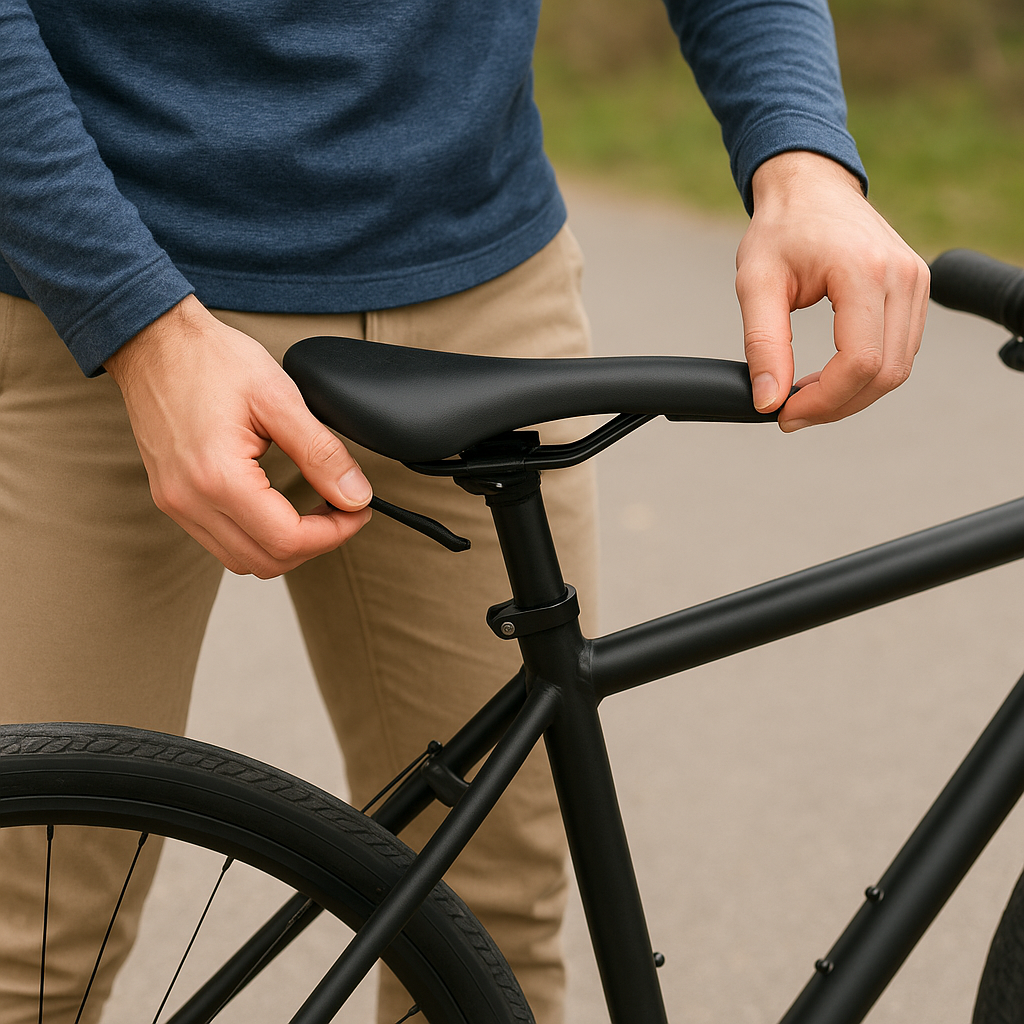
Investing in ergonomic cycling gear also pays dividends. A properly fitted saddle, breathable apparel, and padded shorts reduce post-ride discomfort, eliminating late-night tossing and turning caused by residual muscle stiffness.
Balancing Performance and Recovery
A well-designed training plan accounts not only for workout intensity but also for restorative sleep blocks. Incorporate the following strategies:
- Periodize your training. Alternate between high-intensity days and active recovery or rest days to maintain hormonal balance.
- Time caffeine intake wisely. Avoid stimulants in the late afternoon or evening to prevent interference with natural sleep onset.
- Use nap sessions strategically. Short power naps (20–30 minutes) after particularly grueling rides can reduce accumulated fatigue without hindering nighttime sleep cycles.
By coupling these tactics with consistent bedtimes and wake times, cyclists can fine-tune their body’s readiness for both demanding rides and deep, regenerative sleep.
Understanding Individual Variability
Every rider’s response to cycling differs based on genetics, fitness level, and lifestyle factors. While some may thrive on early-morning intervals, others may perform better with midday endurance rides. Trial and error, guided by data from training logs and sleep monitors, helps identify the sweet spot for each individual. Recognizing this variability empowers cyclists to craft personalized schedules that elevate both performance on the road and quality of rest at night.
Conclusion
Embracing the synergy between endurance cycling and restorative sleep unlocks a virtuous cycle of enhanced fitness and mental well-being. By understanding hormonal responses, respecting circadian patterns, and leveraging technology, riders can achieve peak performance while enjoying deeper, more rejuvenating nights. Whether you’re pedaling to a podium or riding for leisure, integrating these insights will ensure you reap the full benefits of every turn of the pedal.