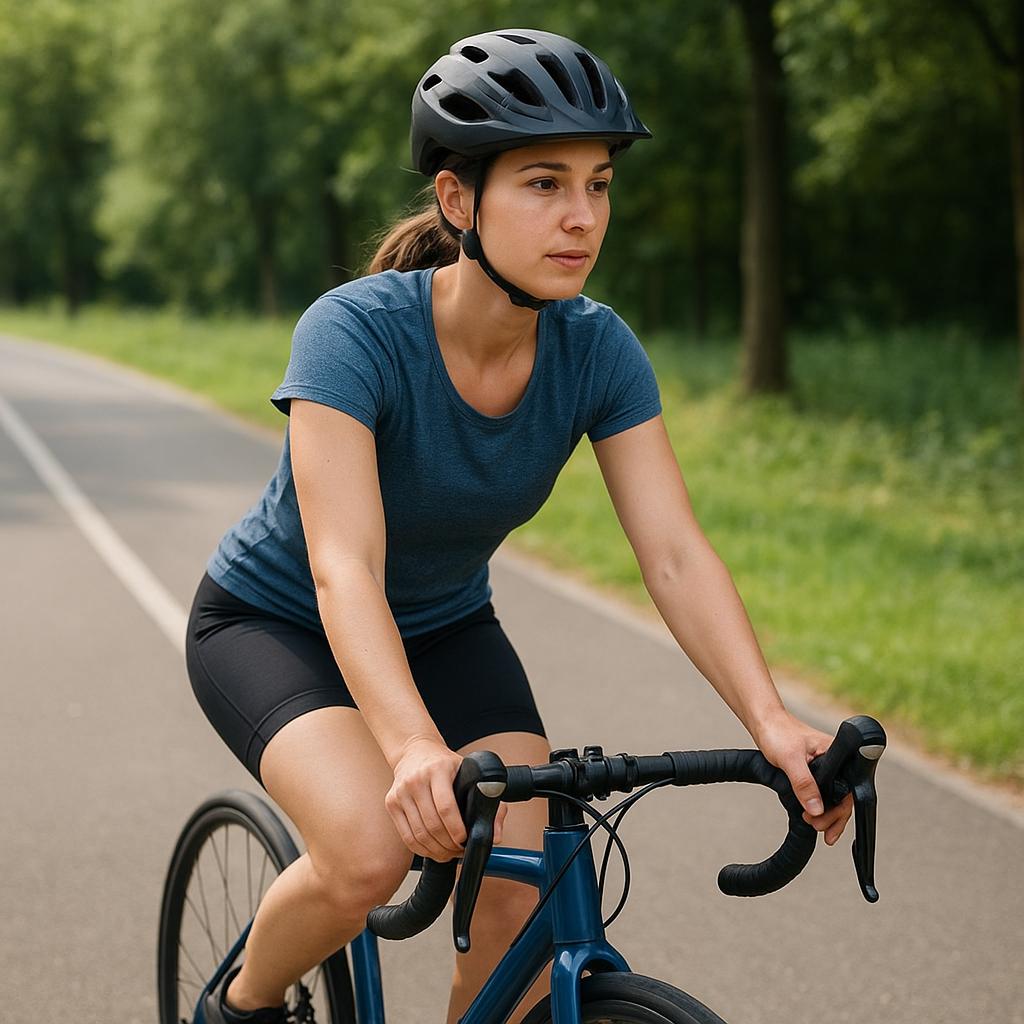
Embarking on a new cycling journey brings a blend of excitement, challenge, and personal growth. Whether you dream of urban commutes, weekend leisure rides, or longer weekend adventures, the first month of cycling sets the tone for your long-term progress. Embrace the process with an open mind, stay consistent, and you’ll soon find joy in every pedal stroke.
Choosing Your First Bike
Understanding Different Types
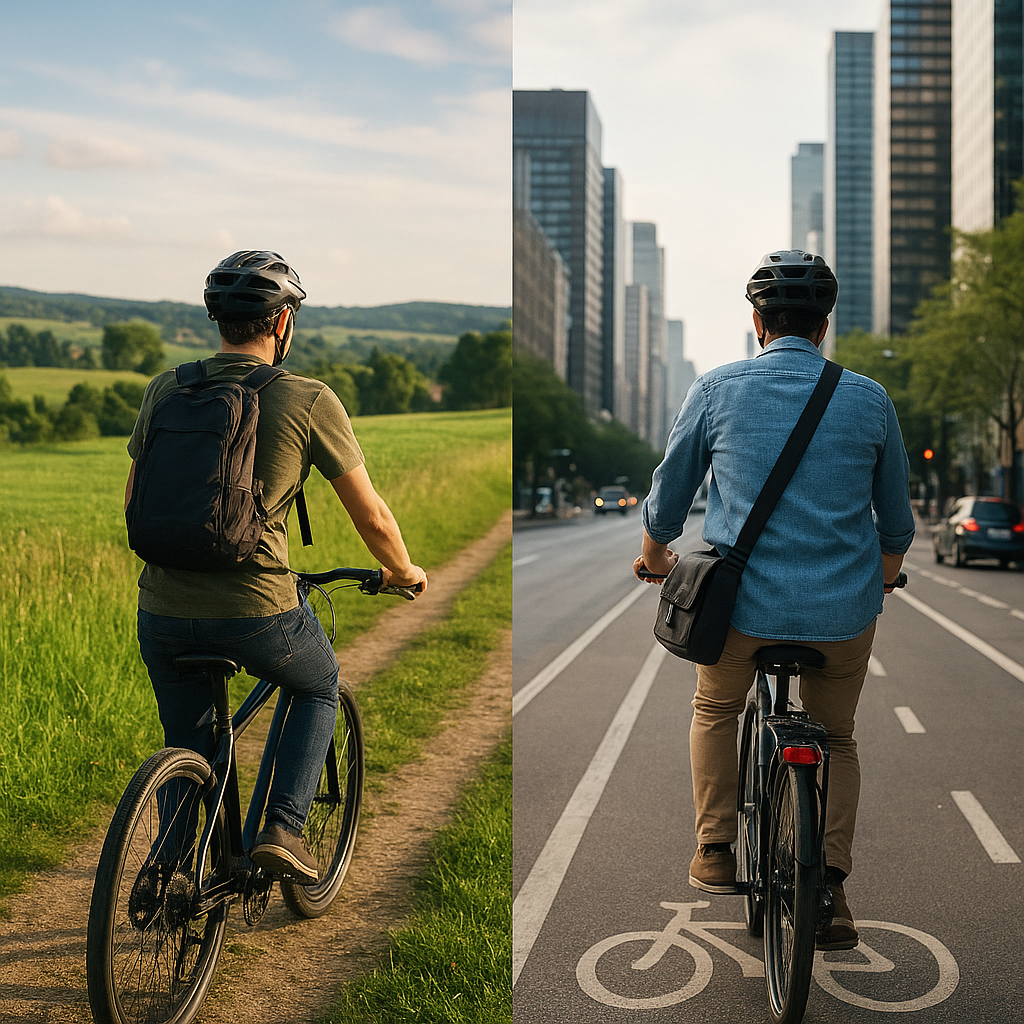
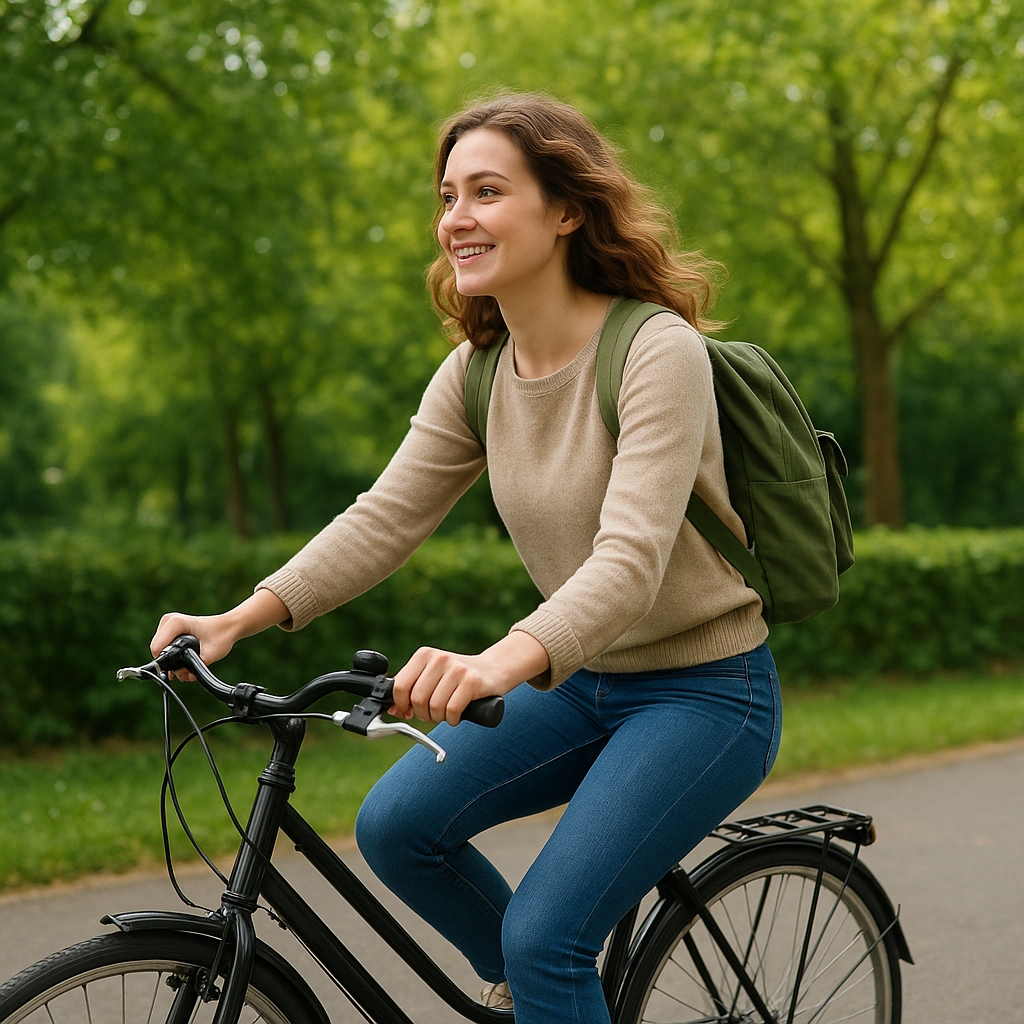
Before investing in a bicycle, familiarize yourself with basic categories: road bikes, hybrid bikes, mountain bikes, and gravel bikes. Each offers unique advantages depending on your intended terrain and goals. For instance, a hybrid bike blends elements of road and mountain designs, offering robust tyres for light trails and a comfortable upright position for city streets.
Frame Fit and Comfort
One of the most crucial aspects of selecting a bike is proper fit. Sitting on a bike that doesn’t align with your body dimensions can lead to discomfort, reduced performance, and possible injury. When possible, test-ride multiple sizes and styles at a local shop. Ensure that you can comfortably reach the handlebars without overstretching and that your leg has a slight bend at the bottom of the pedal stroke.
Budget Considerations
Beginner cyclists often face budget constraints. While high-end models boast lightweight carbon frames and electronic shifting, a well-maintained steel or aluminium bike from a reputable brand can provide reliable service. Consider allocating a portion of your budget to essential accessories like a helmet, lights, and a basic maintenance kit.
- Pros and cons of new vs. used bikes
- Essential adjustments at a bike shop
- Investing in durable components
Essential Gear and Safety Measures
Prioritizing Safety
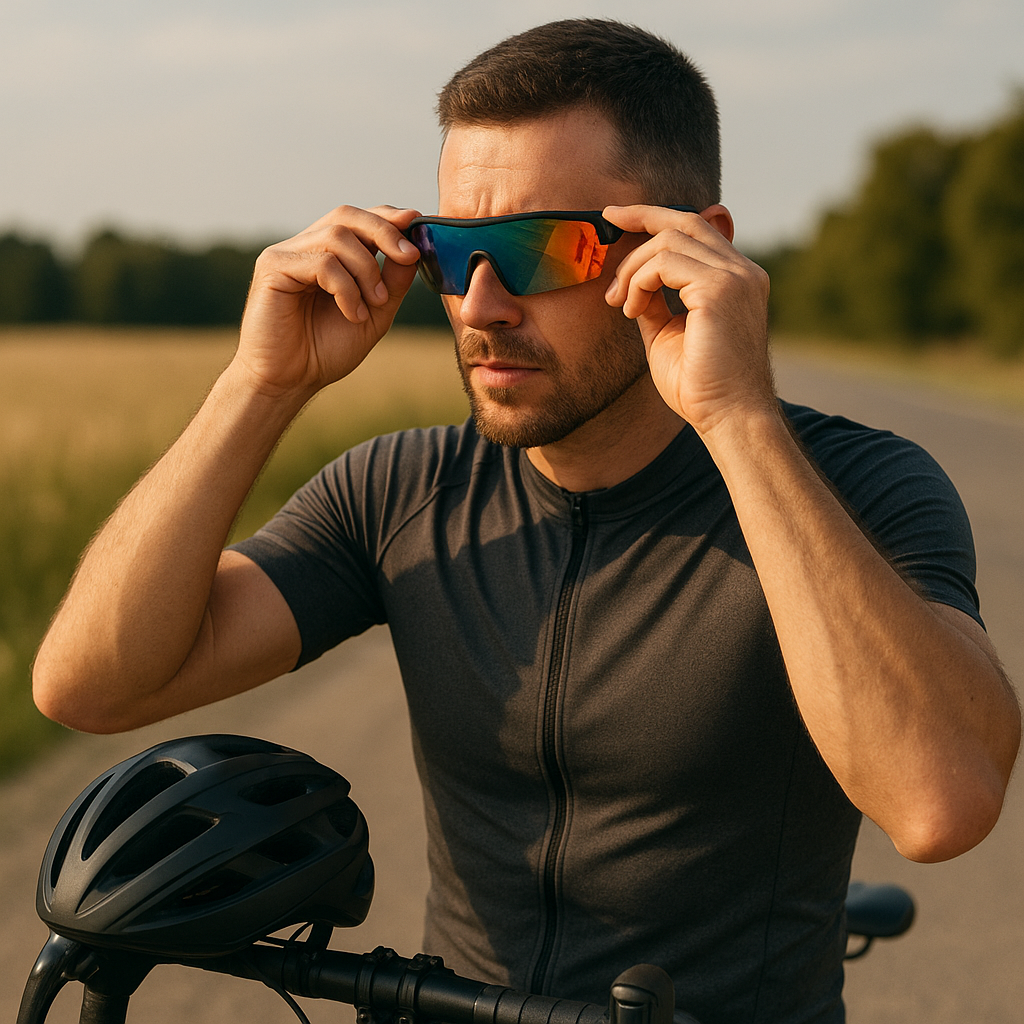
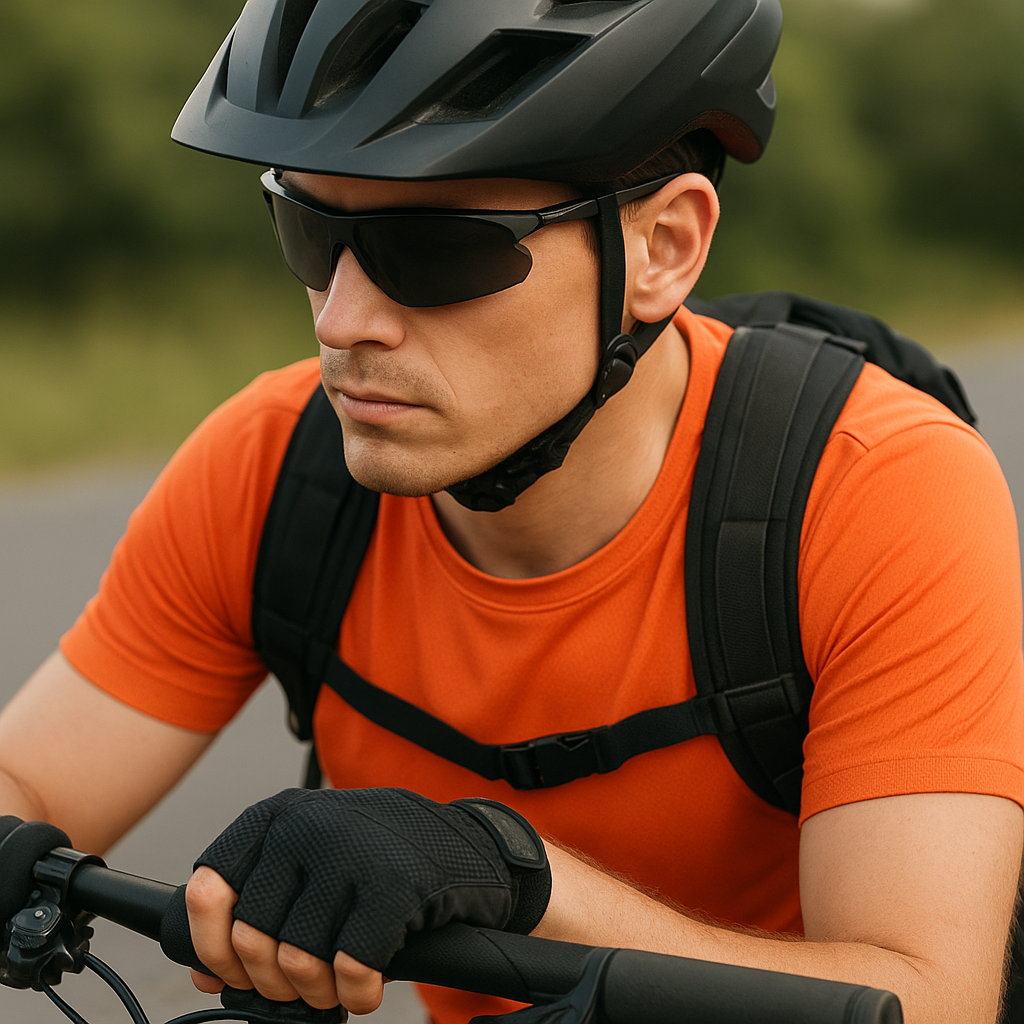
Safety should be at the forefront of every ride. A properly fitted helmet can substantially reduce the risk of head injury. Always check for a snug fit, ensuring the helmet covers your forehead without tilting forward or backward.
Visibility and Lighting
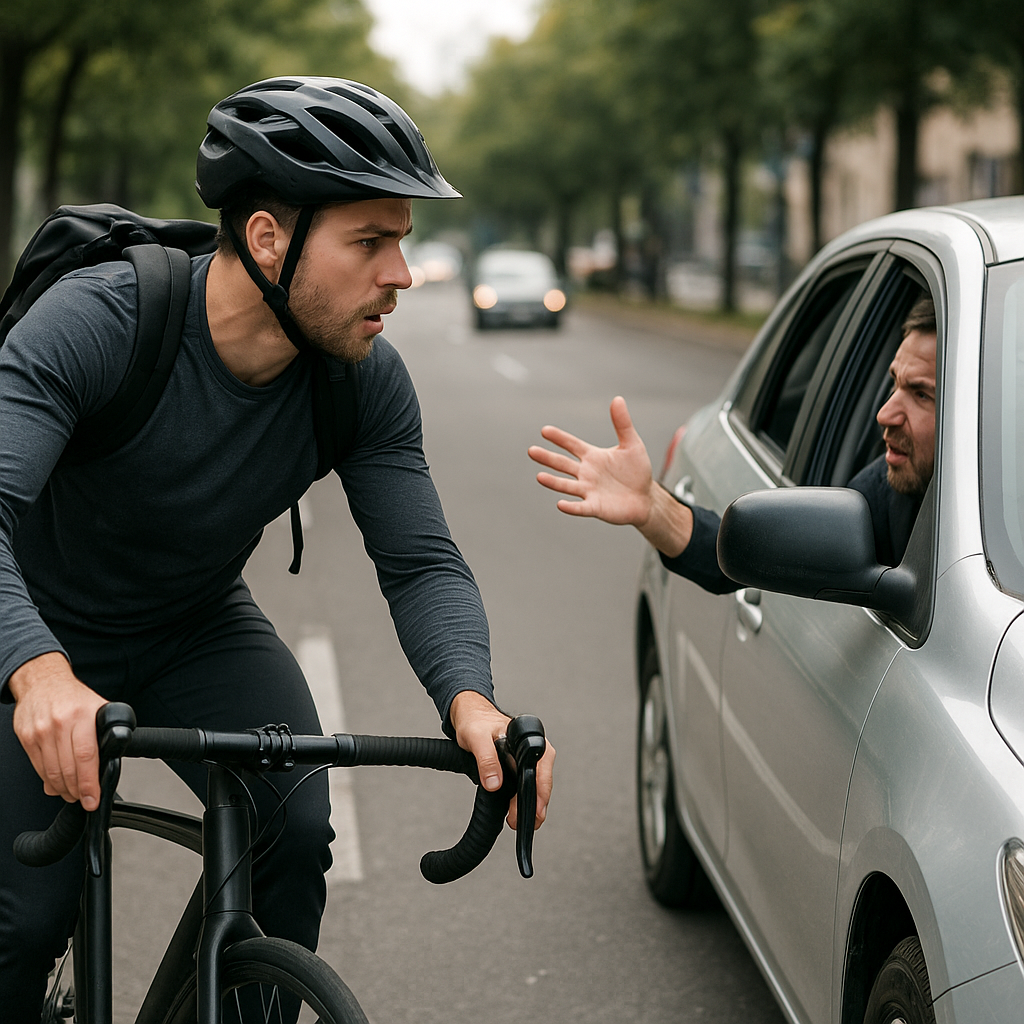
To protect yourself during dawn, dusk, or nighttime rides, equip your bike with front and rear lights. Reflective apparel and spoke lights enhance your visibility to motorists. Reflective strips on tyres or pedal reflectors are inexpensive additions that can make a big difference.
Repair and Emergency Kit
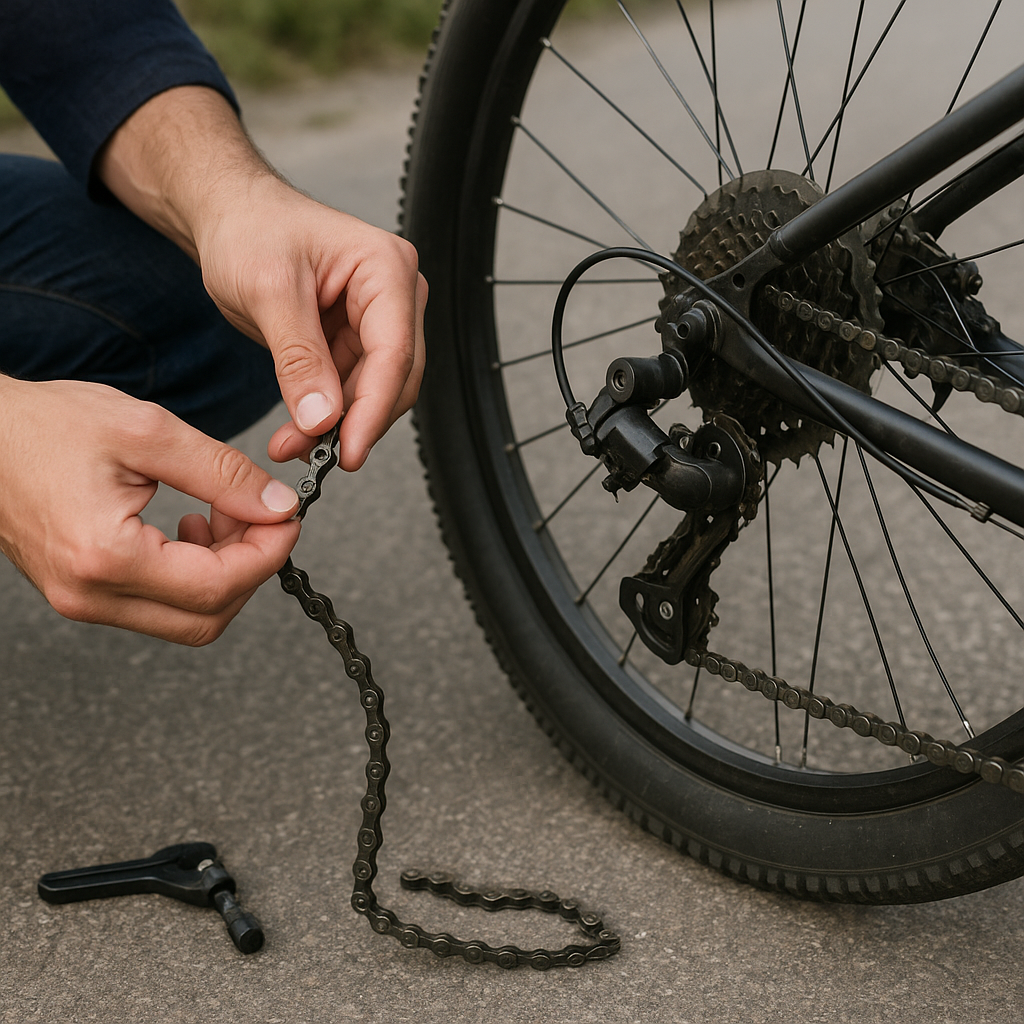
Even short rides can present mechanical issues. Carry a compact repair kit containing:
- Spare inner tube and tyre levers
- Multi-tool with Allen wrenches and screwdrivers
- Portable pump or CO2 inflator
- Patches, chain quick-link, and a small first-aid kit
This gear empowers you to handle flats, minor brake adjustments, and chain issues without waiting for assistance.
Building Your Riding Routine
Starting Small and Progressing
Consistency is key when developing endurance and confidence. In your first week, aim for three short rides of 20–30 minutes each. Focus on maintaining a steady pace rather than covering high mileage. Gradually increase ride duration by 10–15 minutes every few days, listening to your body for signs of fatigue or discomfort.
Warm-Up and Cool-Down Techniques
Before each ride, perform dynamic stretches to activate core muscles, hip flexors, and hamstrings. After cycling, incorporate static stretches to promote flexibility and recovery. Key moves include quad stretches, calf stretches, and lower back rotations.
Intervals and Skill Drills
Once you feel comfortable with continuous rides, introduce interval training to improve cardiovascular fitness and climbing ability. Alternate between one minute of faster pedalling and two minutes of relaxed pace. On flat sections, practice efficient gear shifting and pedalling with a smooth, circular motion.
- Progressive weekly mileage goals
- Low-cadence vs. high-cadence drills
- Climbing technique and descending confidence
Nutrition and Recovery
Fueling Your Body
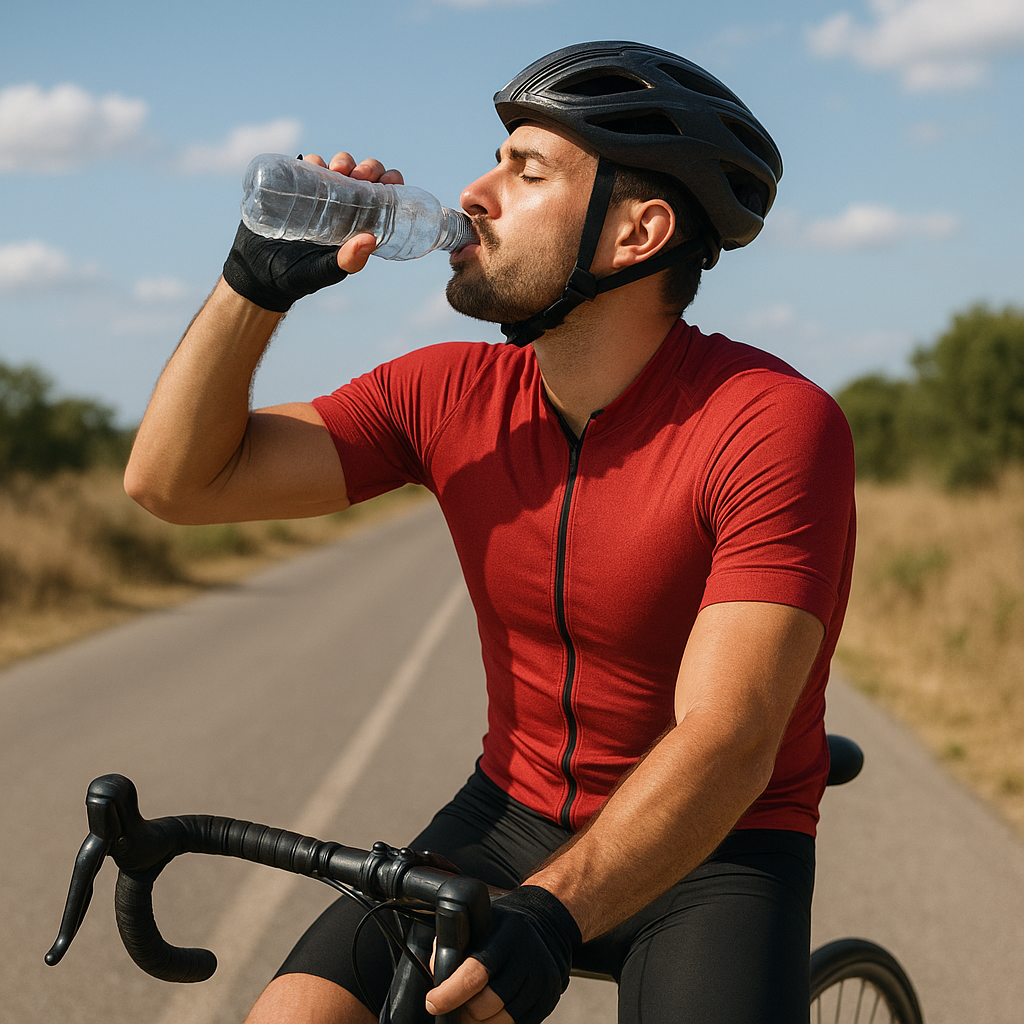
Proper hydration and nutrition play pivotal roles in your performance and how you feel both during and after rides. Begin each session well-hydrated by drinking 500–750 ml of water in the hour leading up to your ride. During rides exceeding 60 minutes, consider a sports drink or energy gels to replenish electrolytes and carbohydrates.
Pre-Ride and Post-Ride Snacks
A balanced pre-ride snack might include a banana with nut butter or a small bowl of oatmeal with berries. Post-ride, prioritize a mix of protein and carbohydrates to support muscle repair and glycogen replenishment. Options include Greek yogurt with fruit, a turkey sandwich, or a protein shake with oatmeal.
Rest Days and Sleep
Integrating rest days into your weekly schedule facilitates muscle recovery and reduces the risk of overuse injuries. Aim for at least one full rest day per week. Additionally, quality sleep—ideally seven to nine hours per night—allows your body to repair microtears in muscle fibers and regulate hormonal balance.
- Importance of magnesium and potassium
- Anti-inflammatory foods: cherries, turmeric, leafy greens
- Foam rolling and massage techniques
Joining the Cycling Community
Finding Support and Motivation
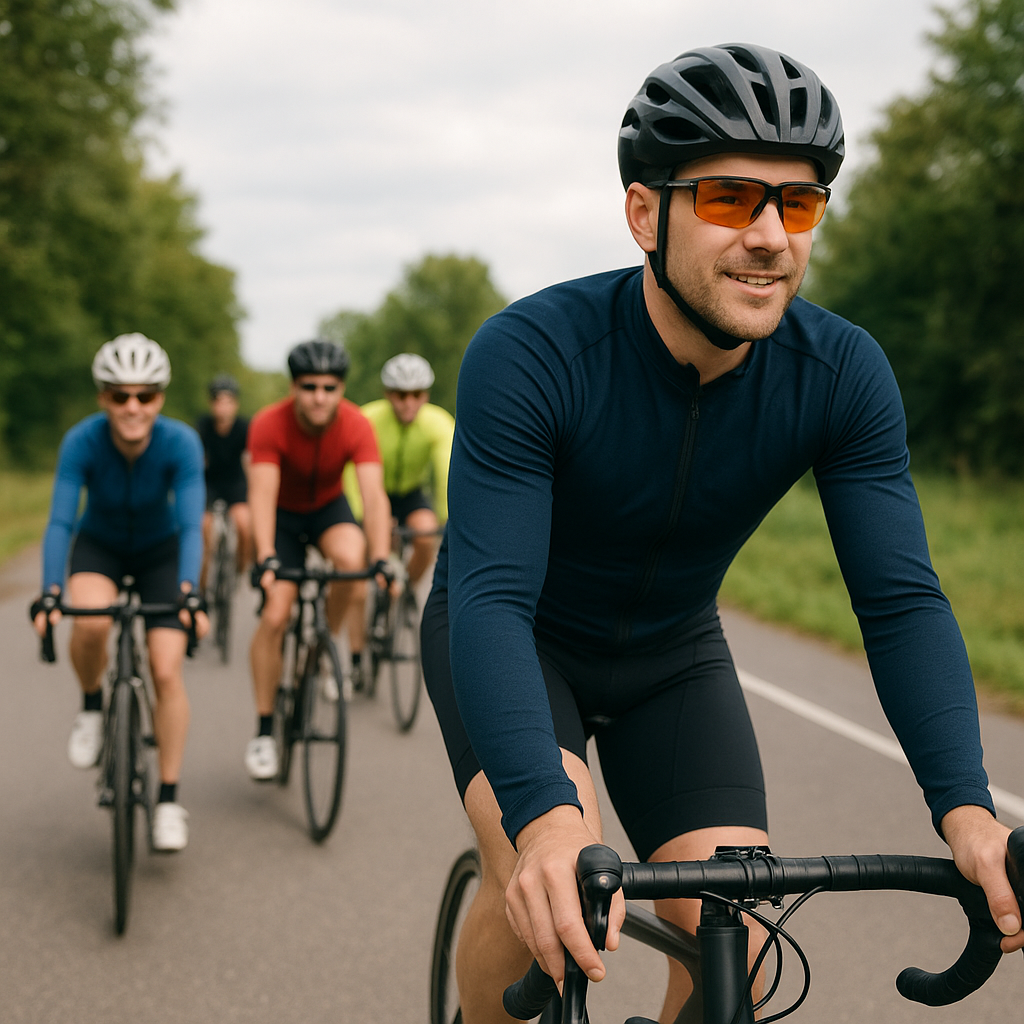
Connecting with fellow cyclists enhances both your knowledge and enjoyment of the sport. Local clubs often host group rides tailored for beginners, offering paced outings and route guidance. Online platforms provide training plans, gear reviews, and troubleshooting tips.
Group Riding Etiquette
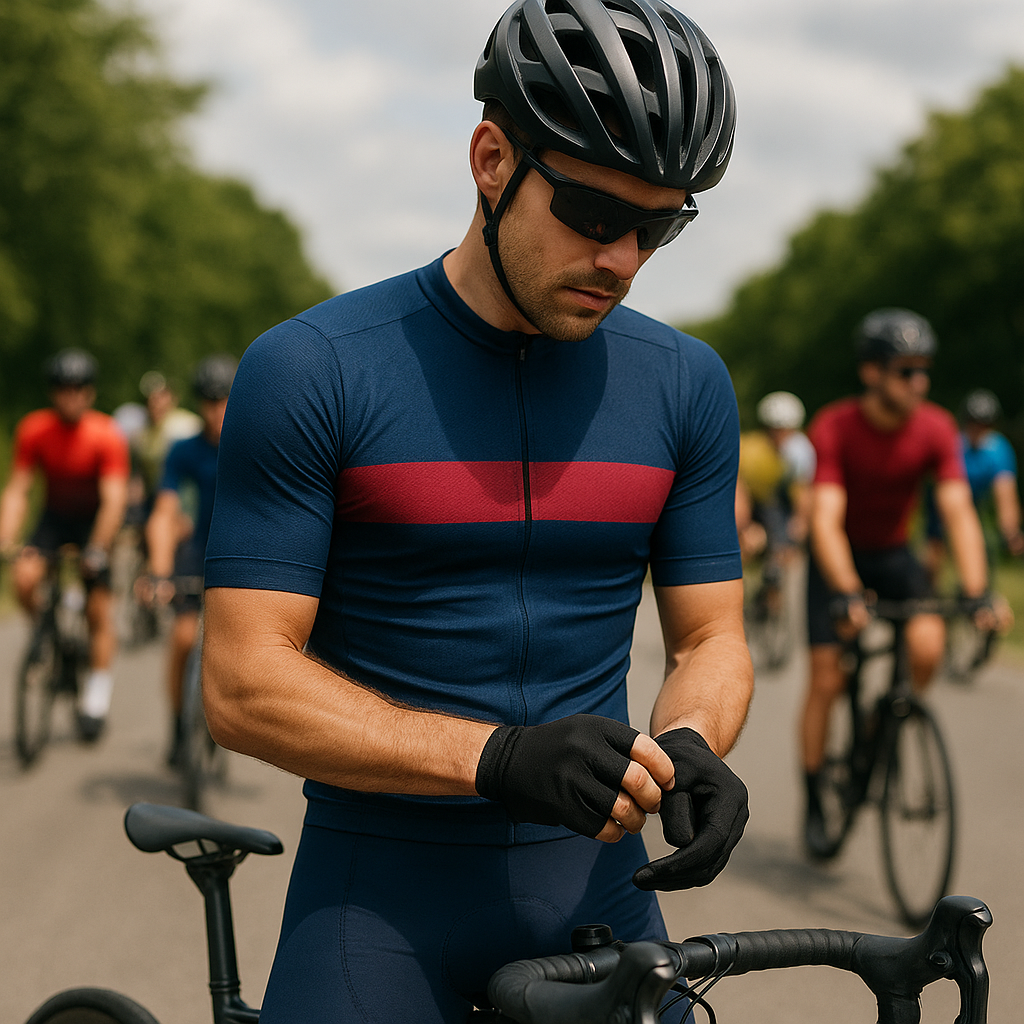
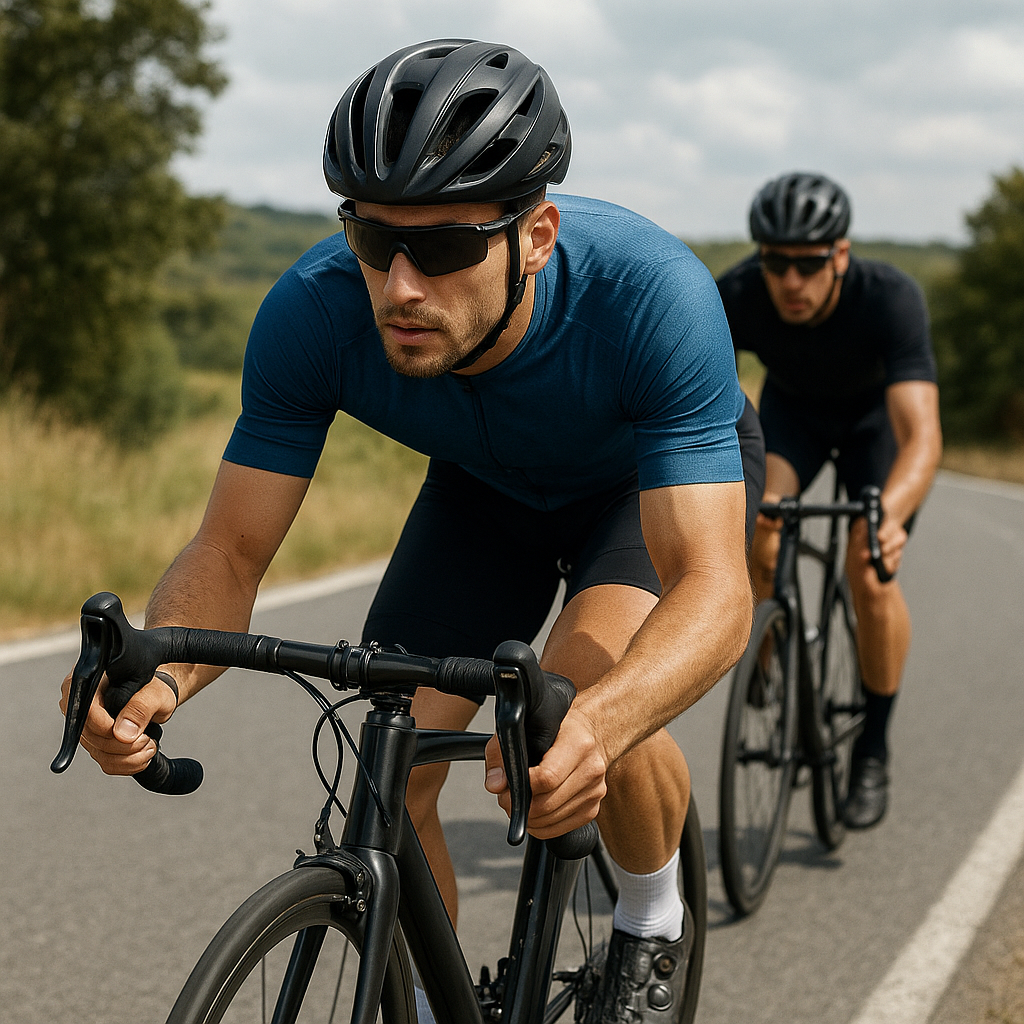
Riding in a group demands clear communication and mutual respect. Practice signalling obstacles, maintaining a straight line, and avoiding sudden braking. Familiarize yourself with terms like “on your left” to alert slower riders of overtakes.
Events and Challenges
Participating in gravel grinders, charity rides, or virtual challenges can propel your motivation. Even informal weekend gatherings at coffee shops before a ride foster camaraderie. Setting personal milestones—such as completing your first 50 km ride—provides tangible goals to work toward.
- Social media cycling groups
- Local bike shop workshops and maintenance clinics
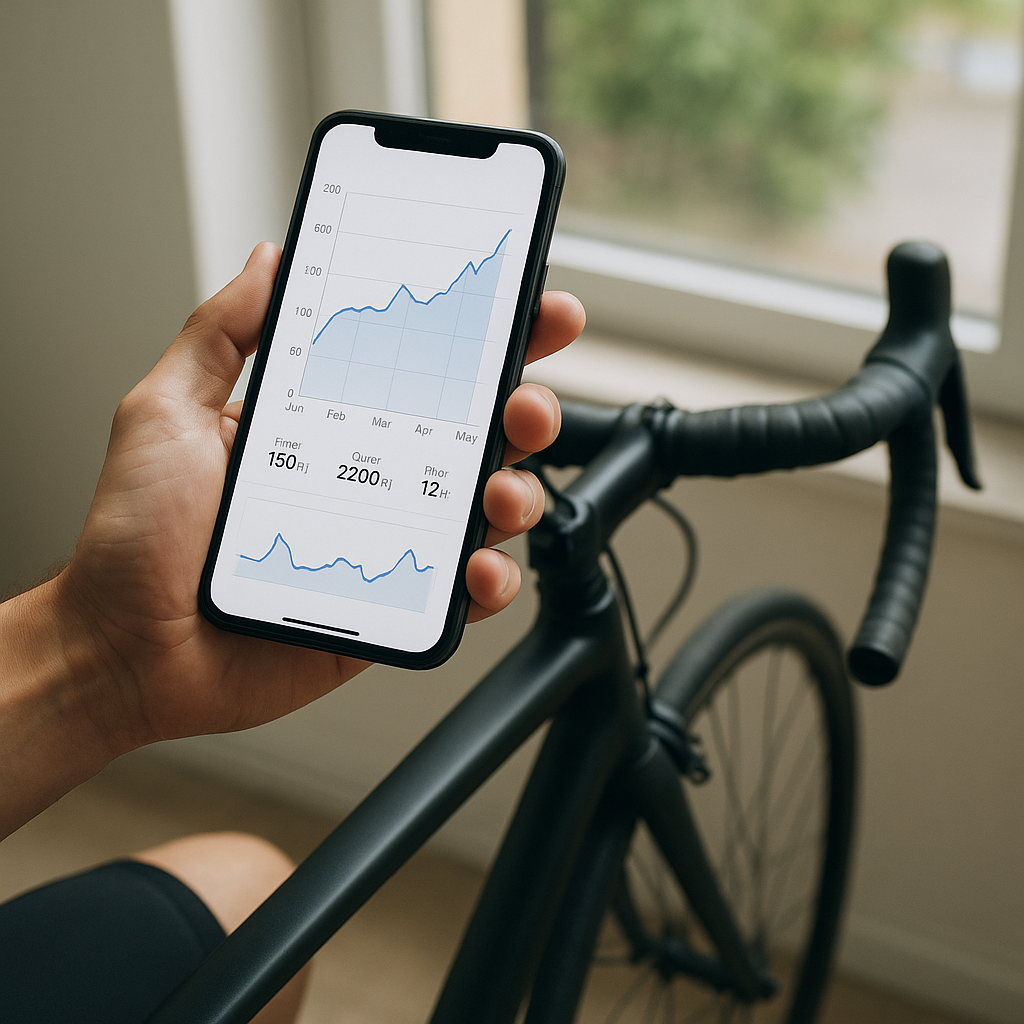
- Apps for tracking progress and routes
Staying Motivated Beyond Month One
Tracking Progress
Documenting your rides helps reveal patterns in performance and enjoyment. Use a journal or a cycling app to record distance, duration, average speed, and subjective effort. Reviewing this data monthly highlights improvements and areas for growth.
Goal Setting
Establish SMART goals—Specific, Measurable, Achievable, Relevant, and Time-bound. Examples include increasing weekly mileage by 20% in four weeks or mastering a local hill climb by the end of the quarter.
Embracing Challenges
Every cyclist faces ups and downs. If you encounter a plateau, vary your routes to include different scenery or terrains. Cross-training activities like swimming or yoga can supplement your cycling routine, enhancing flexibility and core strength.
- Importance of variety in training
- Celebrating small victories
- Maintaining a positive mindset