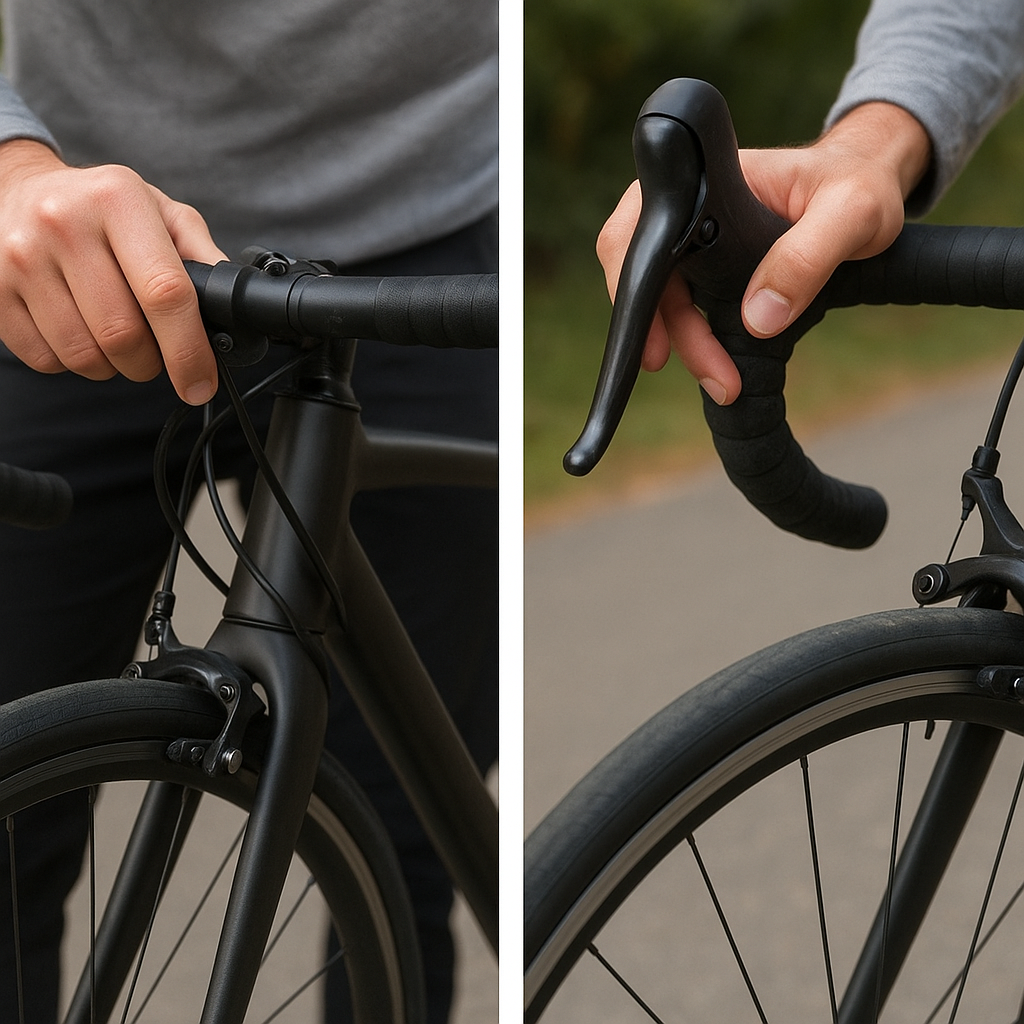
Choosing the right braking system for your bicycle can be a pivotal decision that affects your overall **safety**, comfort, and **performance**. Between disc brakes and rim brakes, each option brings its own set of **advantages** and **limitations**. This article explores key factors such as braking **power**, **maintenance**, cost, and compatibility to help you make an **informed** choice tailored to your riding style and conditions.
Functional Differences Between Disc and Rim Brakes
At the core of every brake system lies the method by which friction is applied to slow down the wheel. While both disc and rim brakes achieve the same goal, their mechanical designs differ markedly.
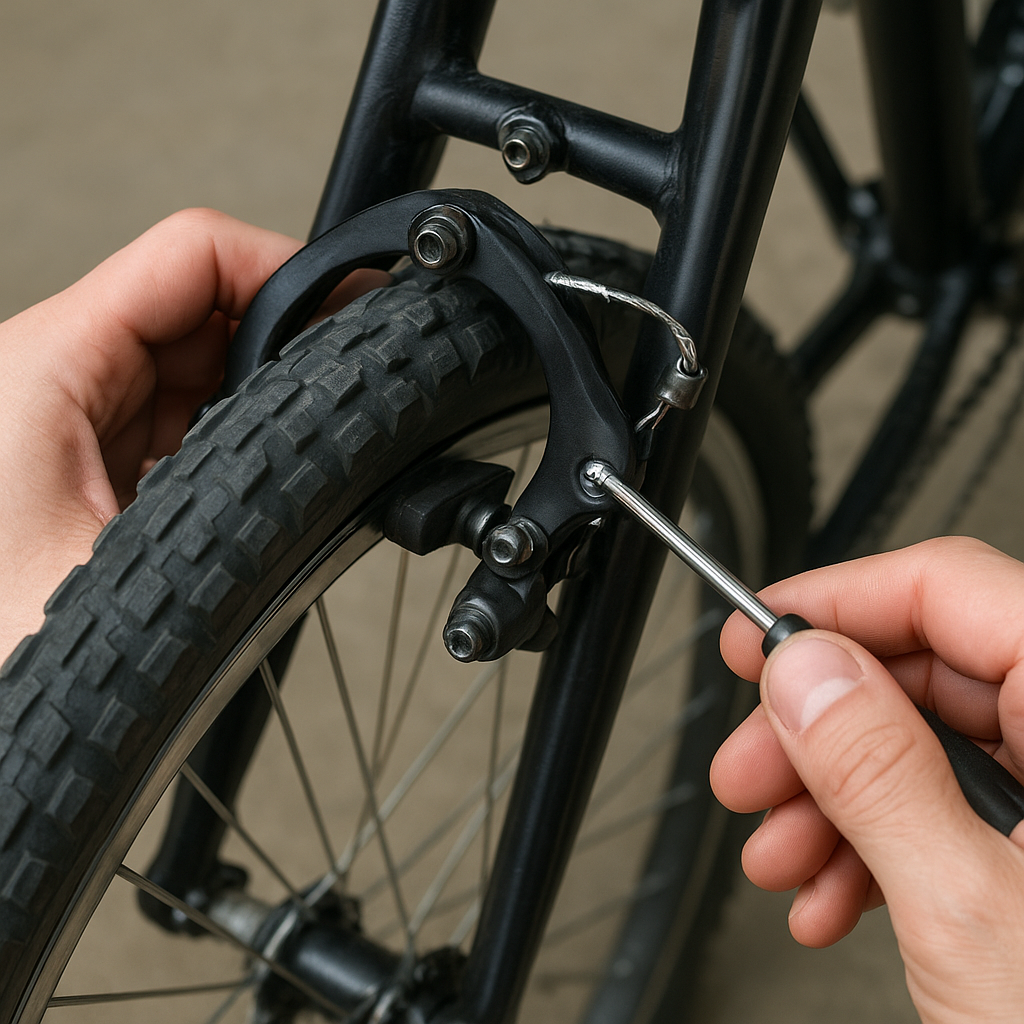
Rim Brakes: Simplicity and Efficiency
- The brake pads clamp directly onto the wheel’s rim, providing immediate deceleration.
- They rely on fewer parts, making them relatively lightweight and easy to service.
- Common types include caliper brakes (side-pull) and cantilever or V-brakes.
- Installation and adjustment are often straightforward, with minimal tools required.
Disc Brakes: Modern Stopping Power
- A rotor (disc) is attached to the hub, and a caliper squeezes pads onto the rotor surface.
- Two main subtypes exist: mechanical (cable-actuated) and hydraulic (fluid-actuated) disc brakes.
- Hydraulic disc brakes offer superior modulation and consistent pressure compared to mechanical.
- The design isolates braking forces from the rim, preserving wheel integrity over time.
Performance in Varied Riding Conditions
Diverse terrain and weather scenarios can significantly influence brake performance. Your choice should reflect where and how you ride most often.
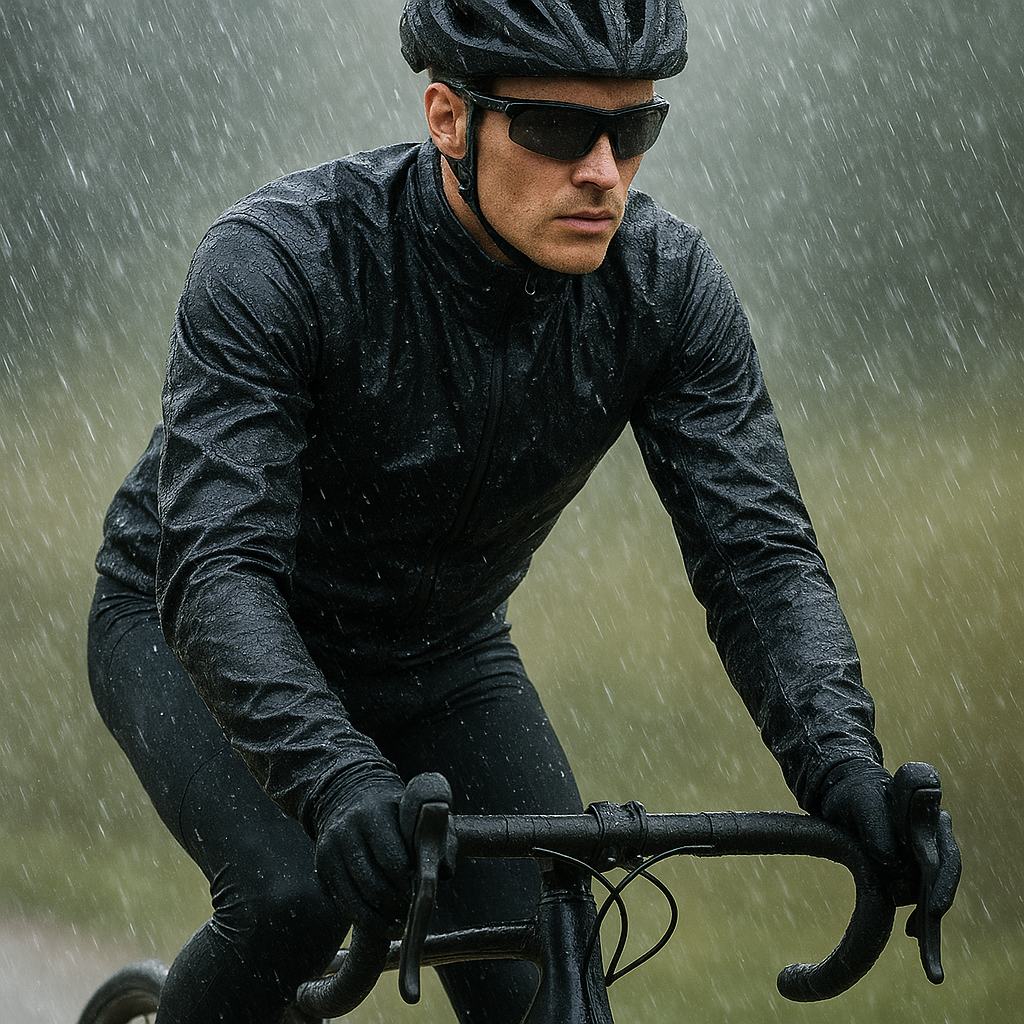
Wet and Muddy Environments
Disc brakes excel in adverse weather because the rotor sits closer to the center of the wheel, away from water and debris. Rim brakes, by contrast, must contend directly with contaminants on the rim surface, which can reduce **stopping power** and increase wear.
High-Speed Descents and Heat Management
On long downhill runs, braking systems face sustained thermal stress.
- Rim brakes can transfer heat to the tire and inner tube, risking blowouts if temperatures soar.
- Disc brakes dissipate heat more effectively through the rotor and caliper design, maintaining cooler operating temperatures.
Urban Commuting and Frequent Stops
Commuters stopping at traffic lights require quick, repeatable braking. Both setups perform well, but rim brakes often offer a lighter feel and instant engagement. However, disc brakes shine when rapid modulation and consistent feel under stop-and-go conditions are paramount.
Maintenance, Cost, and Durability Considerations
The long-term upkeep and initial investment differ quite a bit between these systems. Understanding these factors can guide riders on a budget or those who prefer DIY repairs.
Routine Servicing
- Rim brakes require pad replacements and occasional cable adjustments; pads wear down on the rim’s surface.
- Disc brakes need pad and rotor inspection. Hydraulic systems also benefit from periodic bleeds to remove air bubbles and maintain braking consistency.
Initial and Ongoing Costs
Disc brakes usually have a higher upfront price for rotors, calipers, and specialized wheels. Hydraulic kits add the cost of fluid and compatible levers. Rim brakes, being more traditional, tend to be less expensive but may require more frequent rim replacements if wear becomes severe.
Durability and Wear Patterns
- Rim surfaces gradually lose material as pads grind away contaminants; severe wear eventually calls for new rims.
- Disc rotors are replaceable and often last longer—especially if constructed from stainless steel or high-grade aluminum alloys.
- Hydraulic systems resist corrosion and contamination better than mechanical cables, leading to extended service life.
Compatibility and Installation
Ensuring your frame, fork, and wheelset are compatible with your chosen brake type is essential for a hassle-free build or upgrade.
Frame and Fork Mounts
- Disc brakes require ISO-standard mounts on the frame and fork for the calipers and rotor alignment.
- Rim brake frames have brake bosses or posts designed for calipers or cantilevers, which disc-specific frames may not include.
Wheelset and Hub Requirements
For disc brakes, hubs must accommodate a rotor mount, either 6-bolt or Centerlock standard. Rim brake wheels focus on a smooth braking surface and appropriate rim profile for optimal pad contact.
Retrofit Challenges
Converting a rim brake bike to disc brakes often involves new wheels, hubs, and possibly a different fork and rear triangle. Conversely, switching from disc to rim can be simpler if the frame already has brake bosses, though you may need new levers and cable setups.
Matching Brake Type to Riding Style
Aligning your brake choice with your preferred cycling discipline ensures you get the most out of your setup.
Road Cycling
Disc brakes are increasingly popular in road racing and endurance bikes for their all-weather reliability and improved modulation. However, many purists still prefer rim brakes for their lightweight nature and proven track record.
Mountain Biking
Disc brakes dominate off-road disciplines. Trail and enduro riders demand robust braking under extreme loads, where hydraulic disc systems offer unmatched performance and control.
Touring and Commuting
Touring cyclists value ease of repair in remote areas; mechanical rim or disc brakes are both serviceable with basic tools. Commuters may prioritize ease of maintenance and cost, making traditional rim brakes a sound choice.
Cyclocross and Gravel Riding
Competing through mud, grass, and unpaved paths, these disciplines benefit from the consistent **braking** of disc systems that shed debris more effectively than rim brakes.