Achieving the perfect saddle position can transform your cycling experience, boosting both comfort and performance. Whether you’re a casual weekend rider or a competitive racer, a well-adjusted saddle helps you maintain an efficient pedal stroke, minimize the risk of injury, and sustain longer rides with less fatigue.
Anatomy and Biomechanics of Saddle Position
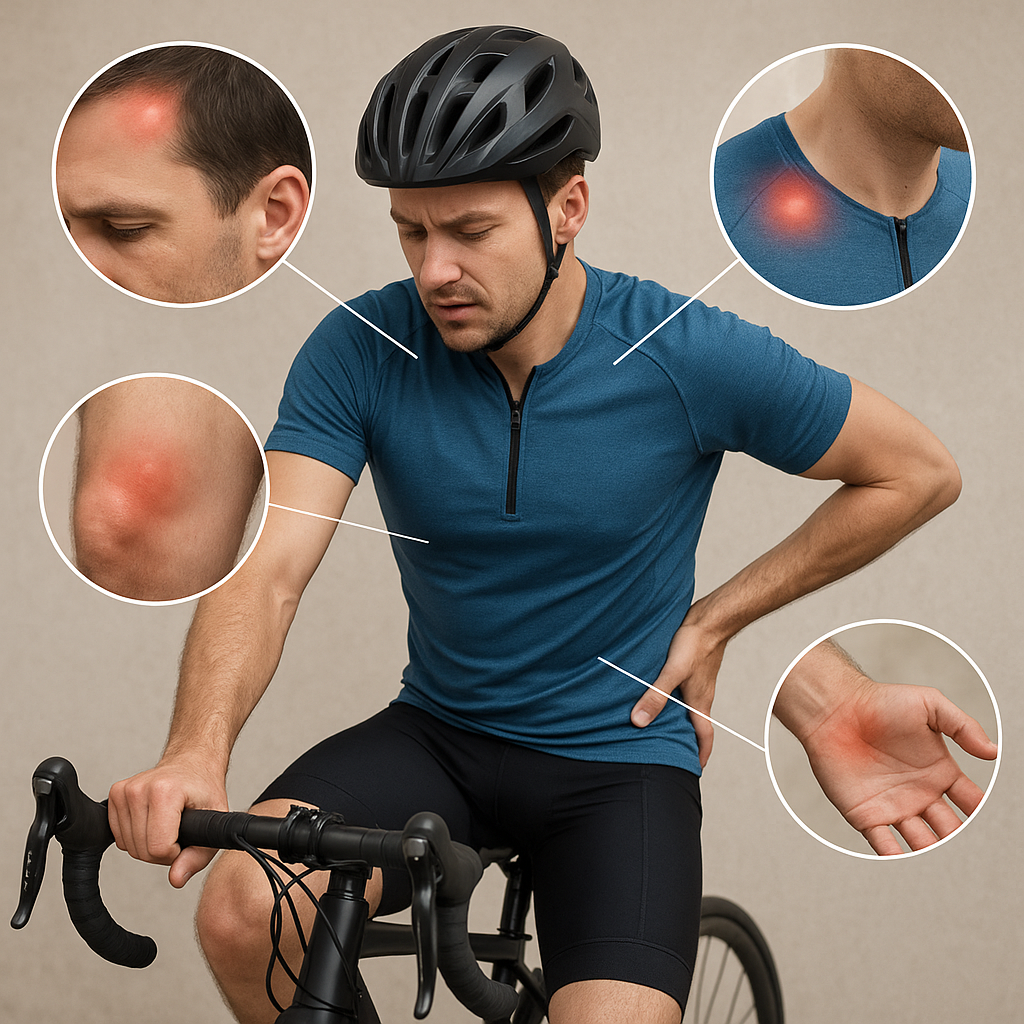
Understanding the interaction between your body and the saddle starts with basic biomechanics. The saddle supports your sit bones (ischial tuberosities) and helps distribute pressure across the pelvis. When the saddle height or angle is off, excessive pressure can build up on soft tissues, leading to numbness or saddle sores. Proper saddle position ensures the pelvis remains level and stable, preserving posture and preventing lower back pain.
Key points to consider:
- Comfort: The saddle should cradle your sit bones, not press on perineal tissue.
- Alignment: Knees, hips, and ankles should form smooth, controlled lines during the pedal stroke.
- Pelvic tilt must be minimal. Excessive forward tilt strains the lower back, while too much backward tilt reduces pedaling efficiency.
By focusing on the relationship between your skeleton and the saddle, you can refine your setup to maximize power transfer and reduce unwanted friction. A neutral pelvis encourages even weight distribution and optimal muscle engagement.
Determining the Optimal Saddle Height
Saddle height is one of the most critical adjustments affecting power output and joint health. A saddle set too low hampers full leg extension and overloads the quadriceps. Conversely, a saddle too high forces overreach, leading to hip rocking and hamstring strain. Several methodologies help pinpoint ideal height:
- Heel-to-pedal method: Place your heel on the pedal at the bottom of the stroke. Your leg should be fully extended with no hip rocking. Lower until a slight knee bend appears.
- 109% of inseam formula: Multiply your inseam length by 1.09. This gives a starting point for saddle height measured from the bottom bracket center to the saddle top.
- Goniometer assessment: Use a goniometer to measure a 25–35° knee bend at bottom dead center.
While formulas provide a baseline, individual variations in limb proportions and riding style require fine-tuning. Always test changes gradually, adjusting by 2–3 mm increments and evaluating the result over several rides. Precise measurement ensures repeatable results and builds confidence in your setup.
Adjusting Fore-Aft Position and Saddle Tilt
Beyond height, the saddle’s fore-aft placement and tilt angle directly influence your functional biomechanics. Moving the saddle too far forward compresses the hamstrings and increases knee strain. Too far back limits quadriceps activation and may force a more upright posture.
To establish optimal fore-aft position, employ the KOPS (Knee Over Pedal Spindle) test:
- Sit on the bike with cranks horizontal.
- Drop a plumb line from just below the patella.
- The line should intersect the pedal spindle or fall slightly behind it.
Once fore-aft is set, evaluate saddle tilt. Nearly all riders benefit from a level saddle. A slight nose-down tilt (1–2°) can relieve anterior pressure but risks sliding forward. Excessive nose-up tilt shifts weight backward, impairing grip on the handlebars and reducing control.
Key considerations:
- Performance: An optimal fore-aft position engages the largest muscle groups at the right phase of the pedal stroke.
- Saddle tilt should allow you to maintain a stable trunk angle without constant micro-adjustments.
- Use a spirit level on the saddle rail to confirm a neutral platform when viewed from the side.
Fine-Tuning and Monitoring Feedback
After initial adjustments, real-world feedback is crucial for refinement. Pay close attention to discomfort patterns, power meter data, and riding posture. Signs that further tweaks may be needed include:
- Persistent numbness or hot spots in soft tissue areas
- Pain in the lower back, hips, or knees
- Inconsistent pedal strokes or excessive lateral knee movement
If any of these occur, return to the basic adjustments and modify by small increments. Keep a log of each change—note the date, adjustment size, and ride impressions. Over time, this systematic approach identifies trends and helps you zero in on the sweet spot.
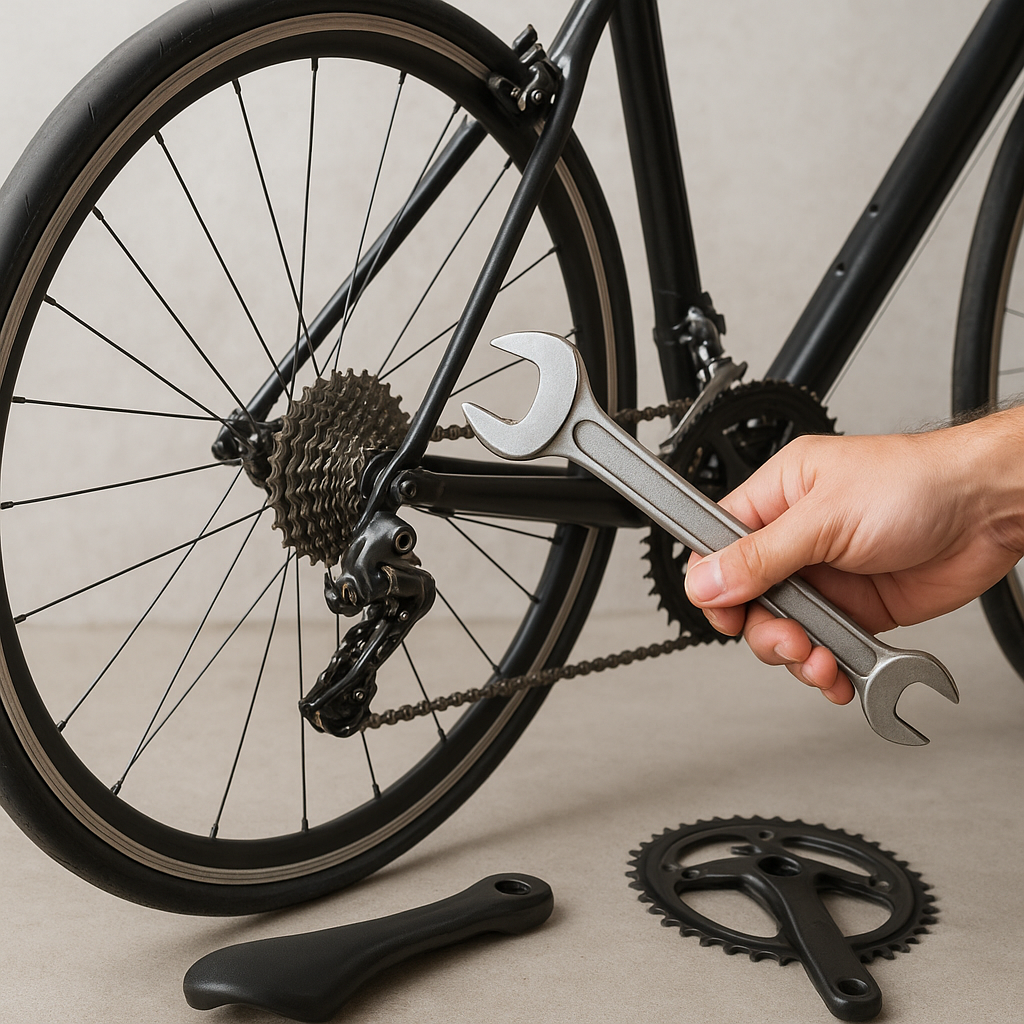
During long rides, periodic stops to check saddle bolts and rails can prevent slippage that alters position. A torque wrench ensures clamp bolts maintain the manufacturer’s recommended tension without risking damage to the seatpost or rails.
Tools and Techniques for Precision
Advances in cycling technology offer numerous aids to perfect saddle position:
- Digital goniometers and motion-capture systems provide live joint angle feedback.
- Laser alignment tools help verify fore-aft placement with sub-millimeter accuracy.
- Bicycle fitting apps for smartphone cameras guide you through frame-by-frame analysis of your pedal stroke.
- 3D pressure mapping saddles measure interface pressure distribution, highlighting hotspots.
While high-end labs offer comprehensive fittings, many cyclists achieve excellent results with simpler home-based methods. A basic bike stand, measuring tape, and a level can take you a long way when used consistently and methodically.
Combining quantitative data with subjective sensation empowers you to dial in the perfect saddle position. Embrace the process as an ongoing journey—minor tweaks now can lead to major gains in comfort, endurance, and long-term enjoyment of every ride.