Proper tire inflation plays a crucial role in the cycling experience, affecting everything from ride quality to component wear. When you keep your wheels tuned to the correct pressure range, you optimize performance and ensure maximum safety on varied surfaces. This guide delves into the science behind tire pressure, the tools you need to measure and adjust it, and practical routines that will extend the life of your bike’s most contact-critical components.
Understanding Tire Pressure Impacts on Performance and Safety
The air inside a bicycle tire functions as a suspension system, absorbing road irregularities and providing feedback to the rider. Underinflated tires deform excessively, increasing rolling resistance and draining your energy faster. Overinflation, by contrast, can turn your wheels into rigid cylinders that bounce over cracks and gravel, risking loss of control and a harsh ride. Striking the right balance not only enhances pedaling efficiency but also prolongs tire durability and reduces the chance of pinch flats.
Contact patch size—the area of the tire that touches the ground—varies with pressure. A larger patch, common in low-pressure setups, boosts traction on loose or muddy terrain but can feel sluggish on hard surfaces. Conversely, a smaller contact patch at higher pressure can accelerate you up smooth climbs but offer less grip in corners. By fine-tuning pressure for specific conditions, you preserve the delicate equilibrium between control, speed, and rider comfort.
The Role of Traction and Comfort
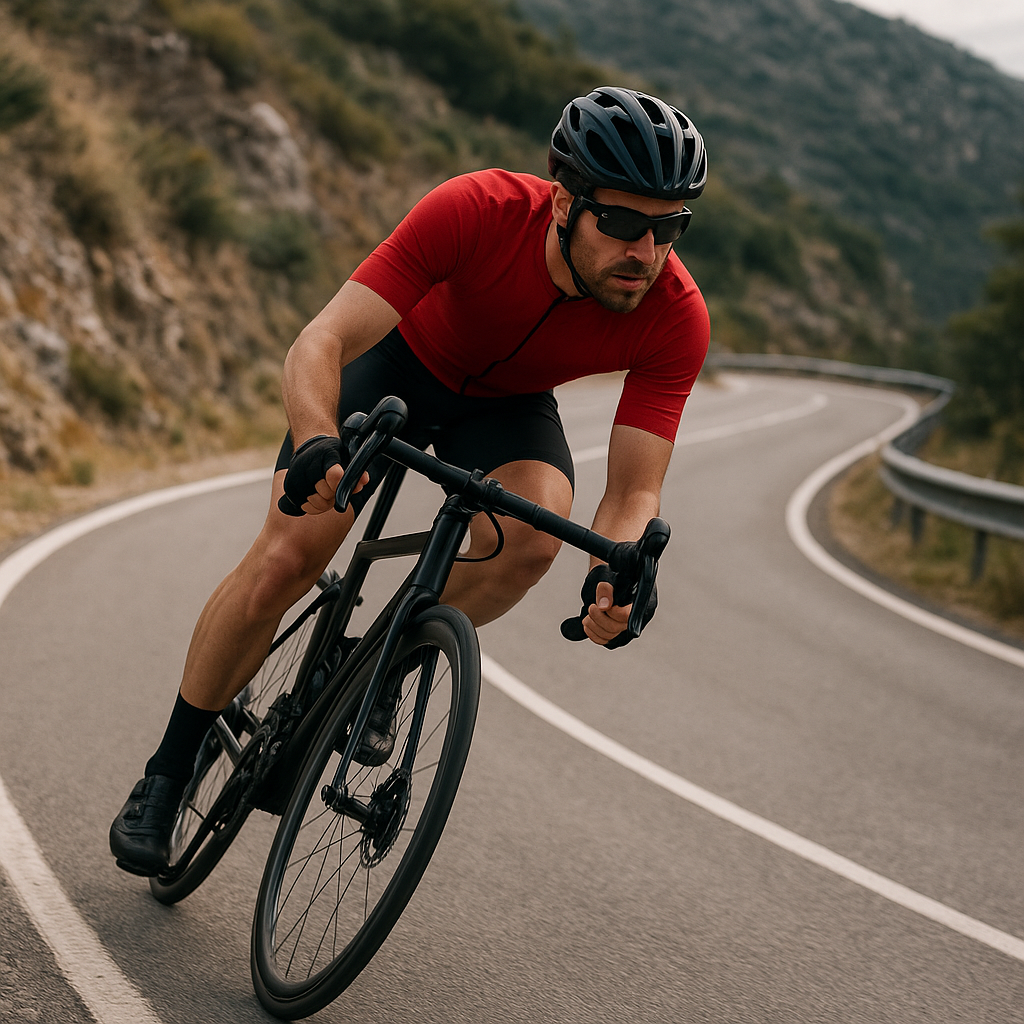
Grip and compliance are intertwined. Pumping your tires above the manufacturer’s maximum rating may yield blistering speed on glassy pavement, yet it strips away shock absorption and lateral hold when you lean into turns. Pushing pressure too low, on the other hand, invites rim strikes and pinch punctures. A well-informed cyclist learns to gauge the sweet spot, matching tire width, rider weight, and terrain to deliver an optimal blend of traction and comfort.
Essential Equipment for Accurate Inflation
Achieving precise pressure begins with reliable instruments. While some pumps include built-in scales, standalone devices often provide superior accuracy. Whether you ride tubeless, clincher, or tubular tires, selecting the right inflation tool is as critical as the valve type itself.
Choosing the Right Gauge
A quality analog or digital gauge should read increments of 1–2 PSI, minimizing guesswork. Many floor pumps feature integrated gauges, but they can suffer from parallax error or poor calibration over time. Investing in a separate, high-precision unit ensures you’re not riding underinflated due to a faulty onboard gauge.
Reading the PSI Scale
The pressure scale, denominated in pounds per square inch (PSI) or bars, must match your tire’s specifications. Road tires commonly operate between 80 and 120 PSI, while mountain bike setups range from 20 to 40 PSI, depending on padding and terrain. Always reference the sidewall markings and adjust in small increments, noting ride feel after each tweak.
Pump Types and Maintenance
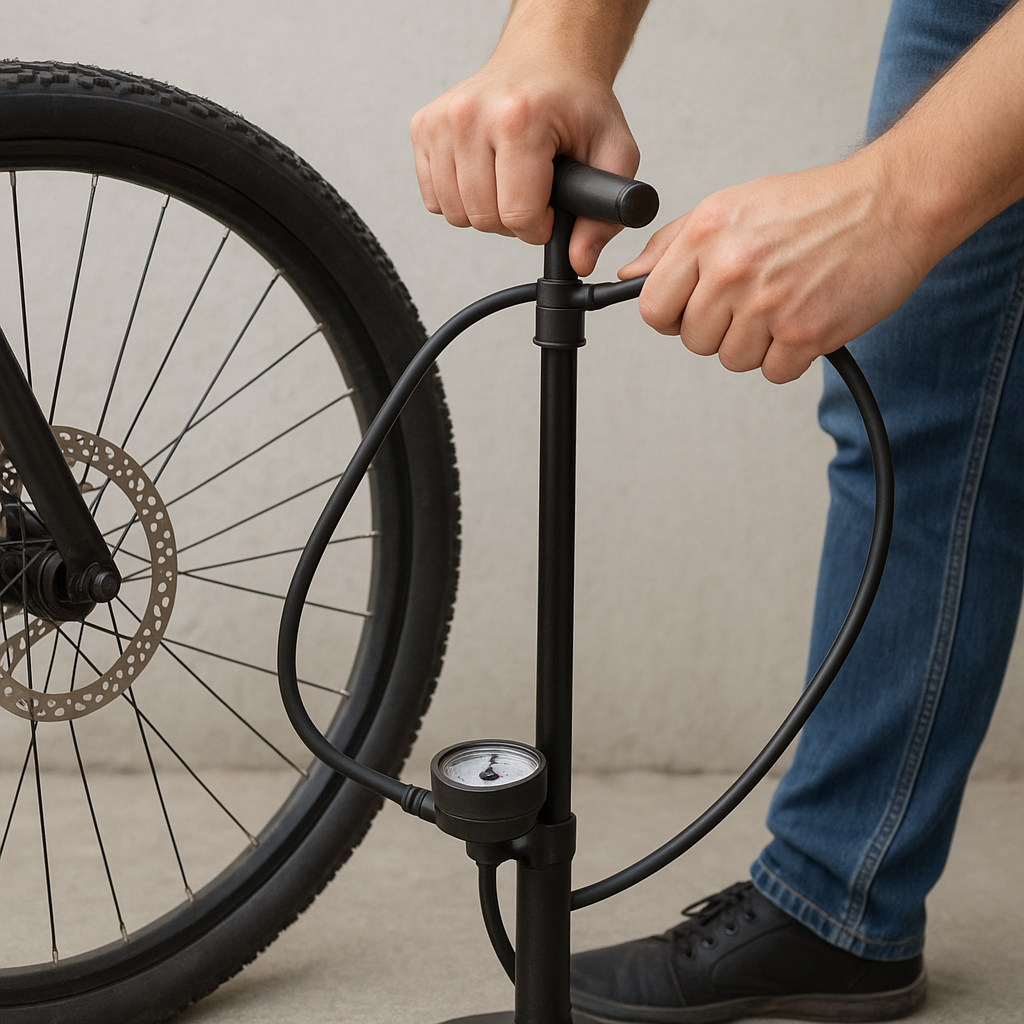
Floor pumps with a stable base and dual-head design simplify inflation of both Schrader and Presta valves. Portable mini-pumps are handy for roadside fixes but rarely achieve high pressure without excessive effort. Regularly check hose connections, O-rings, and seals to avoid leaks. A well-maintained inflator prevents frustration when you need a rapid top-off before a group ride or race start.
Practical Routine for Tire Pressure Check
Building a simple, repeatable workflow ensures you never ride on improperly inflated tires. Incorporate these steps into your pre-ride ritual:
- Walk around your bike and visually inspect each tire for cuts, embedded debris, or bulges.
- Warm the tires by spinning them or taking a short warm-up ride; cold rubber reads lower pressure.
- Use your high-precision gauge to record baseline PSI values on both tires.
- Compare readings to the recommended range on the sidewall, adjusting in 2–5 PSI increments.
- Re-check once more after adding air to confirm proper inflation.
Keeping a small notebook or digital log helps track pressure preferences across different routes and load conditions. A few entries will reveal patterns, such as lower pressures working best for long gravel excursions or slightly higher numbers for time trials on tarmac.
Advanced Tips for Specific Terrains and Conditions
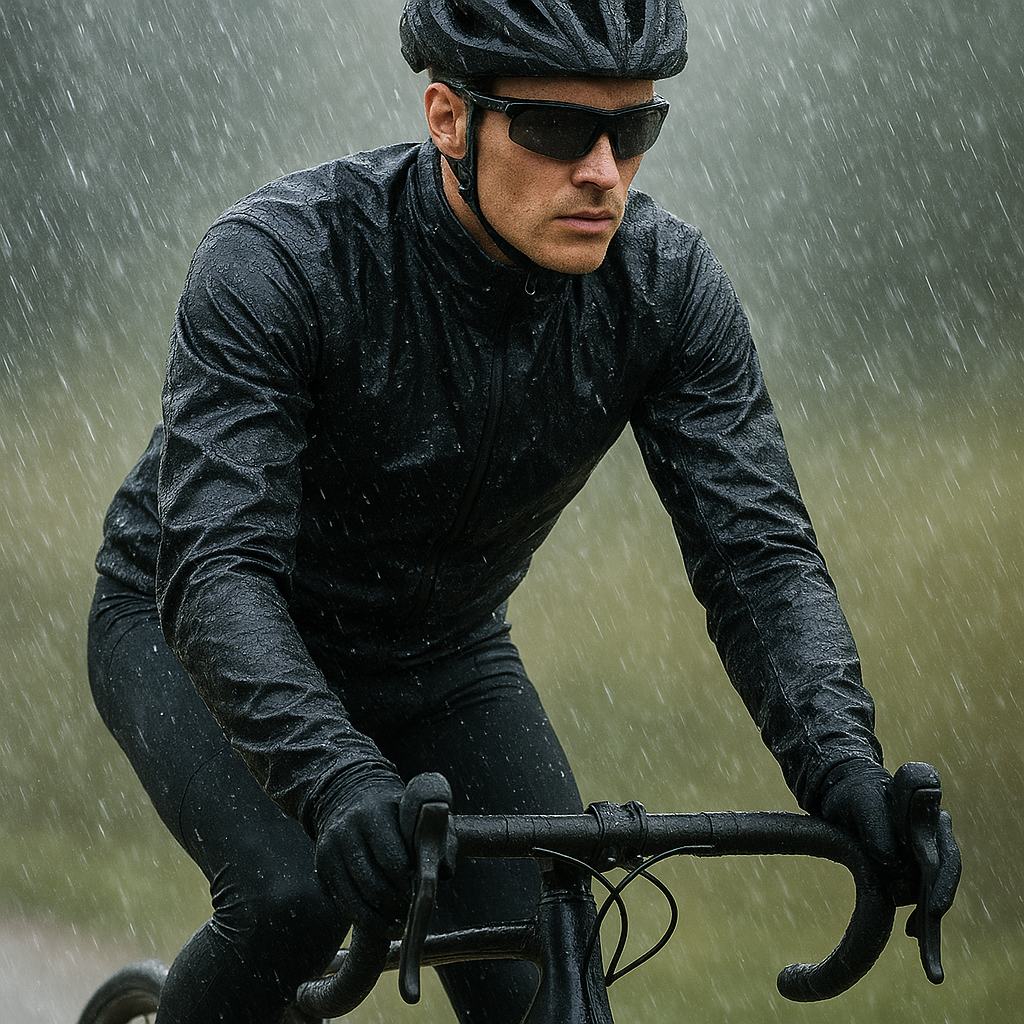
Experienced cyclists customize tire pressure according to seasonal and surface variations. Wet conditions often call for a modest drop in PSI to improve water displacement and reduce hydroplaning risk. Similarly, loose dirt or sandy trails require lower pressures to allow the tire to conform and maintain grip, whereas rocky tracks benefit from slightly stiffer settings to avoid pinch flats.
Tubeless and Sealant Considerations
Tubeless setups provide a margin of safety against small punctures by sealing holes automatically with liquid sealant. However, running ultra-low pressures demands regular top-ups of sealant and close attention to bead seating. Many riders find that a drop of 3–5 PSI below their usual get-up allows them to corner more aggressively without sacrificing overall air retention.
Heat and Altitude Adjustments
Temperature fluctuations influence tire pressure significantly. A 10°F change can alter PSI by 3–4 points. Be mindful when moving between indoor storage and outdoor rides, and recalibrate accordingly. High-altitude environments, where ambient air pressure is lower, may also warrant a minor pressure boost to compensate for the reduced external support.
Prolonging Tire Longevity Through Consistent Care
Regularly monitoring and adjusting tire pressure not only enhances daily ride quality but also extends the service life of your tires. Underinflation accelerates sidewall degradation and leads to irregular wear patterns. Overinflation, conversely, causes central tread abrasions and reduces the shock-absorbing benefits of modern rubber compounds. By adhering to a consistent checking schedule, you safeguard your investment and ensure that every pedal stroke feels predictable and secure.
Embarking on your next cycling adventure with freshly calibrated tires transforms the way your bike responds to your input. Whether you’re pushing the limits on a fast group ride or exploring rugged backroads, maintaining the correct air pressure is one of the simplest yet most impactful upgrades you can perform. With the right tools, a straightforward routine, and a few advanced tweaks, you’ll unlock superior ride dynamics, minimize flats, and keep your tires rolling smoothly for many seasons to come.