Reducing the overall mass of your bicycle can lead to noticeable improvements in acceleration, climbing efficiency, and overall ride comfort. Even riders on a tight budget can achieve significant weight savings by focusing on strategic upgrades and simple maintenance techniques. Below are practical, low-cost methods to make your bike lighter without breaking the bank.
Materials and Basic Tools
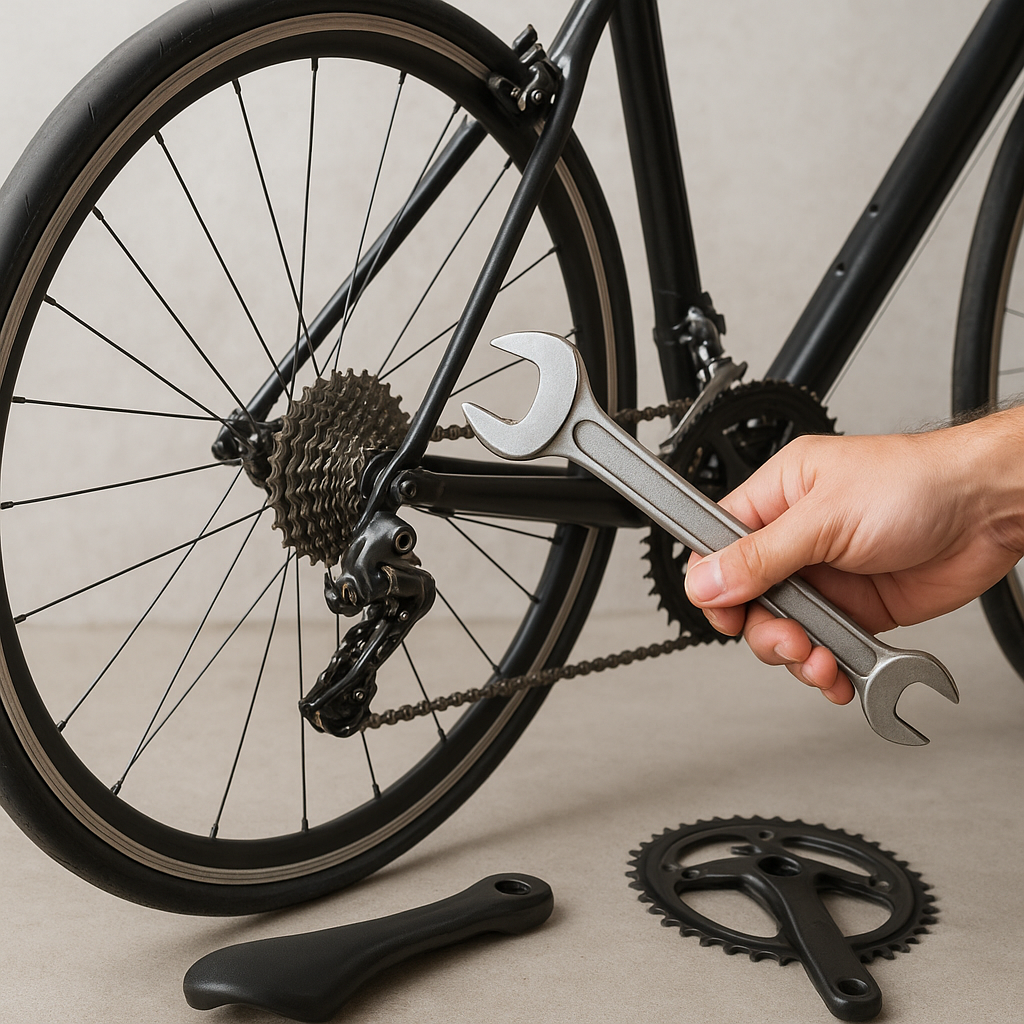
Before diving into upgrades, gather a few essential items that will help you replace or adjust components:
- Allen wrenches in various sizes
- Torque wrench for safe bolt tightening
- Cleaning brushes and cloths
- Chain lube and degreaser
- Adhesive patches for inner tubes
- Zip ties for cable management
Armed with these tools, you can handle most lightweight modifications yourself. A clean, well-lubricated bike often feels lighter simply because friction is reduced.
Smart Component Swaps
Replacing heavy factory components with lighter alternatives is one of the most direct ways to shed excess weight. Focus on parts that offer the best grams-per-dollar return.
Tires and Tubes
- Swap bulky touring tires for lighter, faster-rolling options. A pair of 700x25c road tires can save 200–300 grams compared to wider models.
- Install high-quality tubeless valve stems and sealant to eliminate heavy inner tubes, saving another 100–150 grams per wheel.
- If you prefer tubes, choose a lightweight butyl tube and use adhesive patches instead of carrying multiple spares.
Seatpost and Saddle
- Replace a heavy steel seatpost with an aluminum or budget carbon post. You can find generic carbon posts for under $50.
- Upgrade to a minimalist racing saddle that shaves off 100–150 grams compared to a padded comfort saddle.
Handlebars and Stem
- Consider lightweight alloy or entry-level carbon handlebars. Slightly riser bars can save 50–80 grams.
- Swap a bulky stem for a shorter, lighter alloy model. You’ll gain improved handling and drop roughly 30–50 grams.
DIY Modifications and Add-Ons
Beyond swapping parts, there are clever do-it-yourself adjustments that help drop weight while improving performance.
Cable Management
- Replace heavy housing with lightweight brake and shift cables. Polished stainless cables cost just a few dollars more but reduce friction.
- Trim housing lengths precisely—excess adds unnecessary grams and can compromise shifting performance.
- Use zip ties or small sections of heat-shrink tubing to keep cables tidy without bulky clips.
Pedals and Cleats
- Switch out platform pedals for slim clipless models in aluminum. Savings of 100–150 grams per pair are common.
- Choose minimalistic cleats and limit the number of spares you carry. Excess spares add weight without benefit.
Onboard Tools and Accessories
- Replace heavy multi-tools with a compact, essential-only mini-tool. Carry only what you actually use.
- Opt for a small roll-up seatbag or frame-mounted bag instead of a bulky top tube pack.
- Mount a streamlined water bottle cage directly to the frame; avoid saddle-mounted bottle holders that sway and add weight.
Maintenance Tips for Weight Efficiency
Regular maintenance not only prolongs component life but also ensures that your ride remains as light as possible. Dirt and grime can add hidden grams and slow you down.
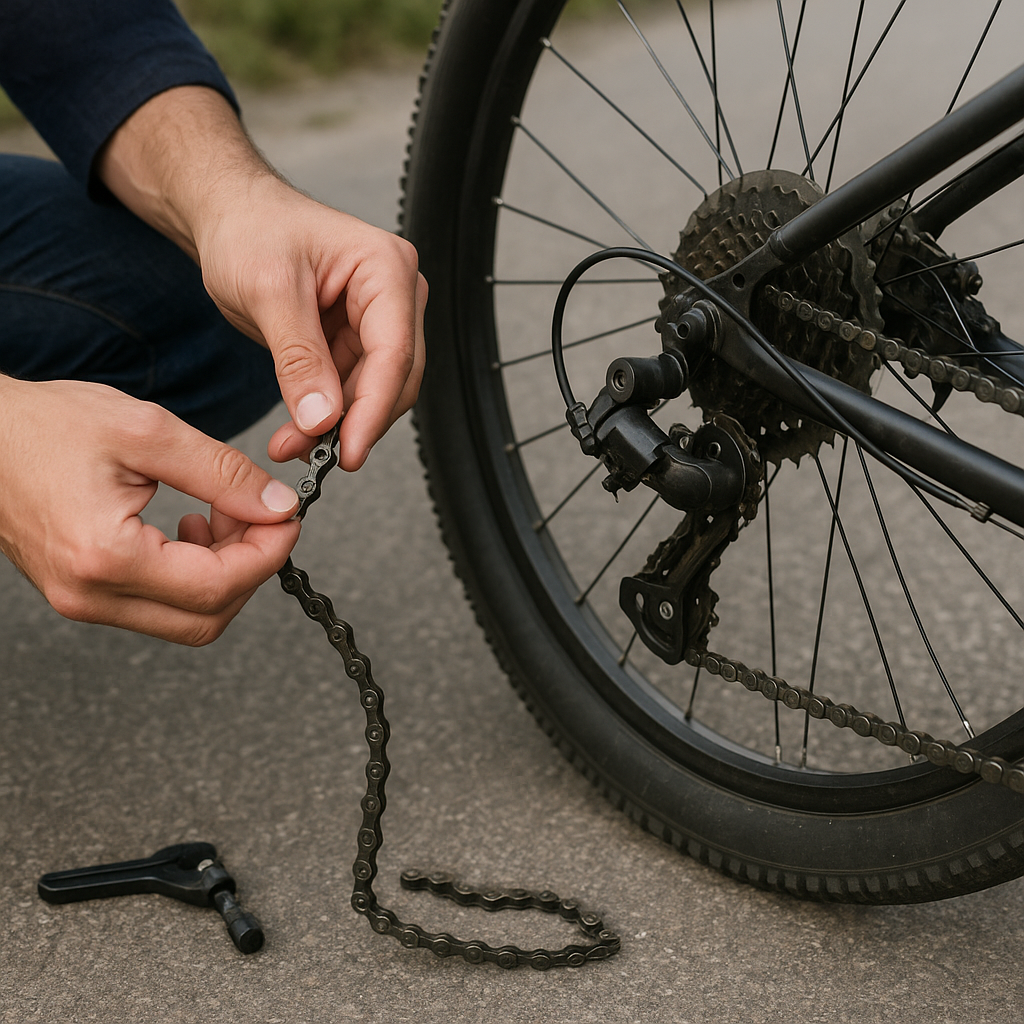
- Clean and degrease your chain weekly, then apply a thin layer of high-performance lube. A smooth chain reduces resistance and preserves drivetrain parts.
- Inspect brake pads frequently. Replace pads before they wear unevenly, which can cause rotors to warp and add friction.
- Check tire pressure before every ride. An underinflated tire flexes more, slowing you down and risking pinch flats.
- Polish and lightly grease pivot points—such as derailleur jockey wheels and brake calipers—to maintain minimal resistance.
Cost vs Savings Analysis
Balancing expenses with weight reduction is crucial. Not every upgrade will offer an equal return on investment, so prioritize changes that deliver the biggest impact per dollar spent.
- Tires and tubes offer fast, visible savings for about $60–$100.
- Seatpost and saddle swaps cost $50–$120 and often yield 200–300 grams of reduction.
- Handlebars, stems, and small hardware changes typically run $30–$70 each, with incremental weight drops.
- DIY tweaks (cable management, tool swap, cleaning) require minimal outlay—mostly time and ingenuity—but still add up in performance gains.
By combining these strategies, you can shave hundreds of grams off your ride without investing in full premium component upgrades. The key lies in identifying the heaviest items first and targeting each area with a cost-effective solution.