Fatigue is a common challenge for cyclists setting out on long-distance rides. Managing tiredness effectively can make the difference between a grueling slog and an enjoyable adventure. By focusing on proper endurance practices, smart nutrition, and mental strategies, you can maintain energy levels and ride comfortably over extended periods.
Understanding Cycling Fatigue
Long rides place continuous demands on the body’s muscles, cardiovascular system, and mind. Recognizing the factors that contribute to fatigue is the first step to combating it:
- Muscular fatigue: Gradual depletion of muscle strength and power due to prolonged exertion.
- Metabolic fatigue: Accumulation of byproducts like lactic acid and depletion of glycogen stores.
- Neurological fatigue: Central nervous system tiredness reducing motor control and coordination.
- Hydration deficit: Loss of fluids and electrolytes through sweat, leading to reduced blood volume.
- Mental fatigue: Decline in focus, motivation, and pain tolerance after hours of continuous riding.
Each of these factors interacts, so a holistic approach is essential. By tackling them together, cyclists can maintain performance and comfort.
Optimizing Nutrition and Hydration
Fueling your body with the right mix of calories and fluids is critical. Implement these guidelines:
Carbohydrates for Sustained Energy
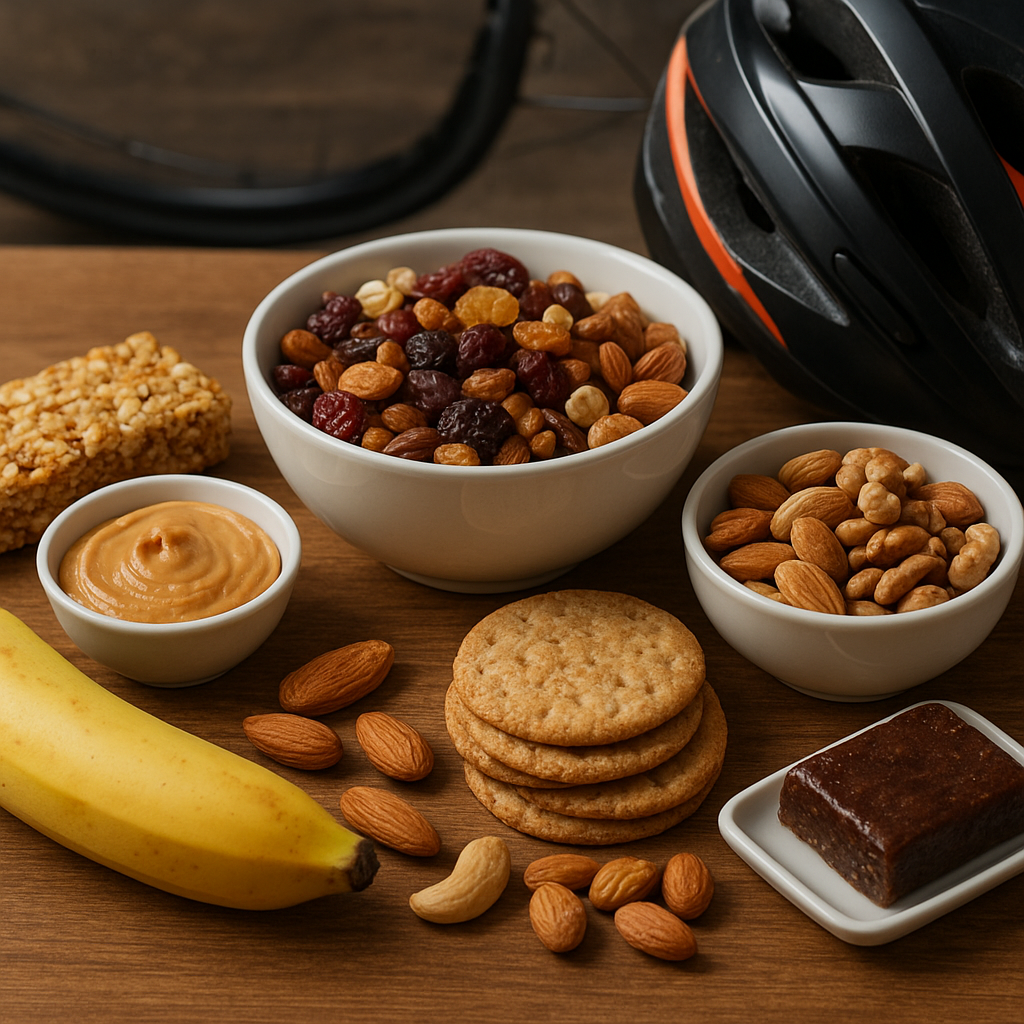
- Consume 30–60g of carbohydrates per hour from easily digestible sources like energy gels, bars, or bananas.
- Include a mix of simple and complex carbs to provide both quick and prolonged energy.
- Before the ride, eat a balanced meal rich in whole grains and lean protein.
Protein and Recovery
- While on the bike, prioritize carbs over protein, but ensure post-ride meals include adequate protein to support muscle repair.
- Snacks such as jerky or a protein shake within 30 minutes of finishing can accelerate recovery.
Hydration Strategies
- Drink 500–750ml of water per hour in moderate conditions; increase intake in heat or high intensity.
- Use electrolyte supplements to replenish sodium, potassium, and magnesium lost in sweat.
- Perform a urine color check: pale yellow indicates adequate hydration; dark yellow calls for more fluids.
Effective Training and Conditioning
Building a strong foundational fitness level reduces the onset of fatigue during long rides. Key training elements include:
Progressive Distance Rides
- Gradually increase ride distances by about 10% each week to allow the body to adapt.
- Incorporate back-to-back long rides to simulate multi-day events and improve endurance.
Interval Workouts
- High-intensity intervals boost aerobic capacity and enhance the body’s ability to clear metabolic byproducts.
- Alternate between short bursts at high power and recovery periods to build resilience.
Strength and Flexibility Training
- Off-bike strength exercises targeting the core, glutes, and legs improve power output and posture.
- Regular stretching and yoga can prevent tightness that leads to premature fatigue and discomfort.
Equipment and Bike Fit for Comfort
Proper equipment setup reduces energy waste and prevents physical strain. Focus on:
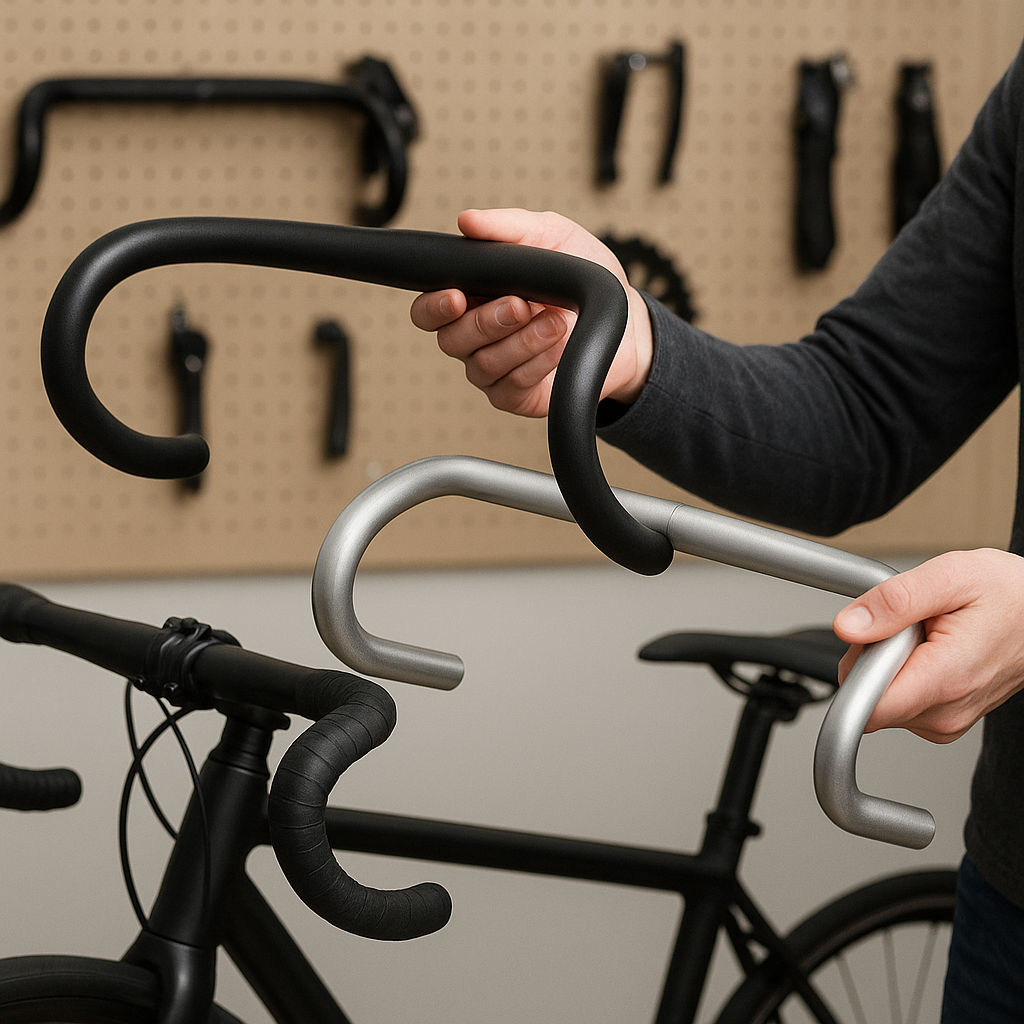
- Bike fit: Ensure saddle height, handlebar reach, and cleat position are optimized to maintain a neutral spine and efficient pedal stroke.
- Padded shorts and a quality saddle that match your anatomy for long-distance comfort.
- Lightweight wheels and tires with appropriate width and pressure to balance rolling resistance and shock absorption.
Pacing and Ride Management
Intelligent pacing is crucial to avoid early burnout. Adopt these tactics:
- Start conservatively by riding at a sustainable power output or heart rate.
- Use a cycling computer or power meter to monitor effort and prevent spikes in exertion.
- Break the ride into smaller segments, rewarding yourself with brief rest stops or scenic pauses.
By dividing a long journey into manageable parts, you can maintain consistent performance and conserve energy for the final stretches.
Mental Tactics to Overcome Tiredness
Physical training only goes so far if the mind isn’t in sync. Strengthen your mental game with these approaches:
- Set small, achievable milestones like reaching the next rest area or landmark.
- Practice positive self-talk and visualization to cultivate resilience during challenging segments.
- Listen to upbeat music or engage in conversation when cycling with a partner to distract from discomfort.
Cultivating a strong mental attitude helps you push through inevitable low points on extended rides.
Mid-Ride Maintenance and Mini-Breaks
Occasional short stops can rejuvenate your body and mind:
- Perform quick stretches targeting the back, hips, and hamstrings to alleviate stiffness.
- Refuel with a blend of carbs and electrolytes to sustain energy delivery.
- Reapply sunscreen and adjust layers of clothing to regulate temperature.
Even a two-minute pause can reset your physiology and keep endurance levels higher for longer.
Post-Ride Recovery Practices
What you do after finishing a long ride significantly influences how quickly you bounce back for the next outing:
- Engage in active recovery with easy spinning or a light walk to flush metabolic waste.
- Consume a balanced meal rich in carbohydrates, protein, and healthy fats within 60 minutes.
- Incorporate foam rolling or professional massage to alleviate muscle tightness and promote blood flow.
- Prioritize sleep and relaxation to support overall system repair and reduce cumulative fatigue.
By integrating these strategies— from optimal nutrition and hydration to smart pacing, mental fortitude, and proper equipment setup— cyclists can tackle fatigue head-on and enjoy the open road for many miles to come.