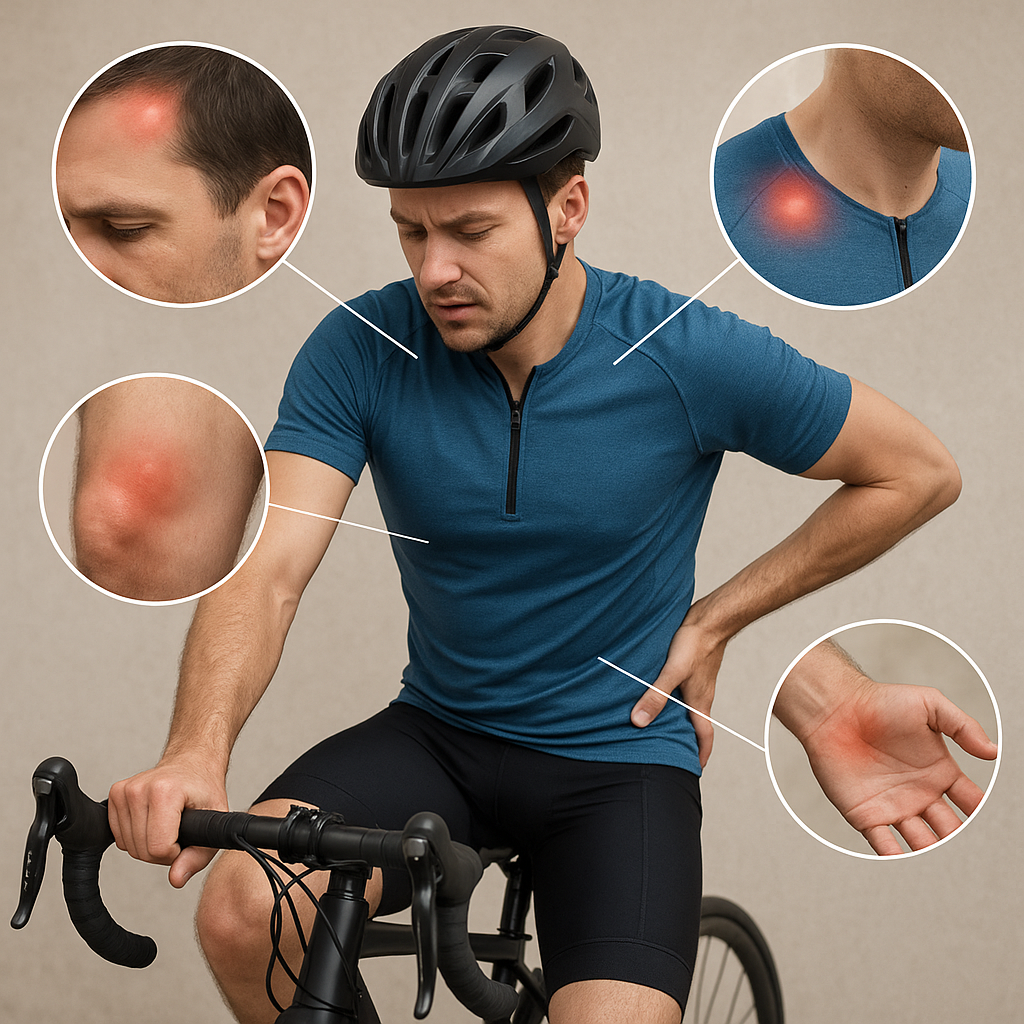
Cycling offers an exhilarating way to explore roads and trails, but persistent joint discomfort can derail even the most passionate riders. By understanding proper bike fit, refining your riding habits, and adopting recovery strategies, you can continue pedaling pain-free and enjoy every mile.
Proper Bike Fit and Positioning
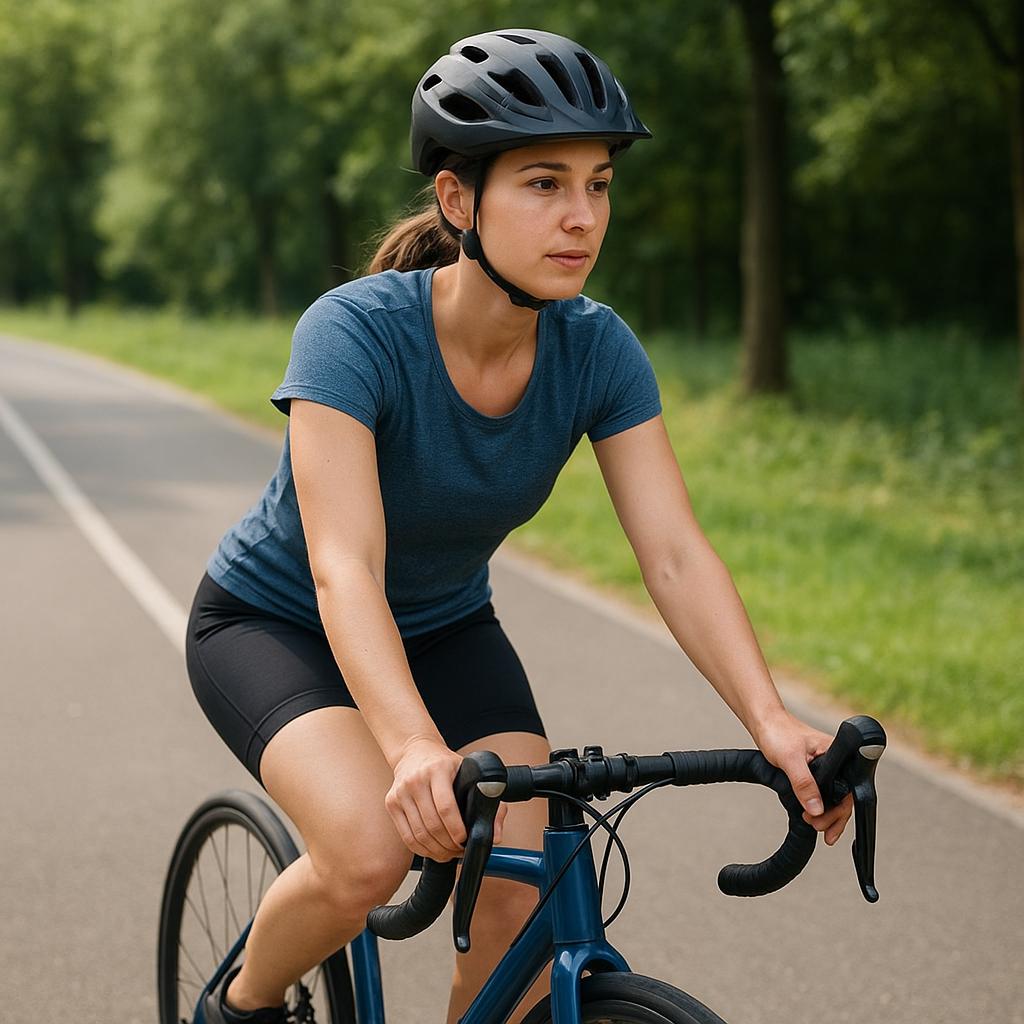
A customized bike setup is the foundation for minimizing joint stress. A poor fit forces your body into awkward angles, increasing strain on knees, hips, and ankles. Optimize your riding position to maintain alignment through each pedal stroke and protect vulnerable joints.
Saddle Height and Fore-Aft Position
- Ensure saddle height allows a slight knee bend at bottom dead center (about 25–35°). Too high or low amplifies stress on the knee joint.
- Adjust fore-aft so your knee is directly above the pedal spindle when cranks are horizontal. This promotes efficient force transfer.
- Use a plumb line or professional bike fit service for precise measurements.
Handlebar Reach and Drop
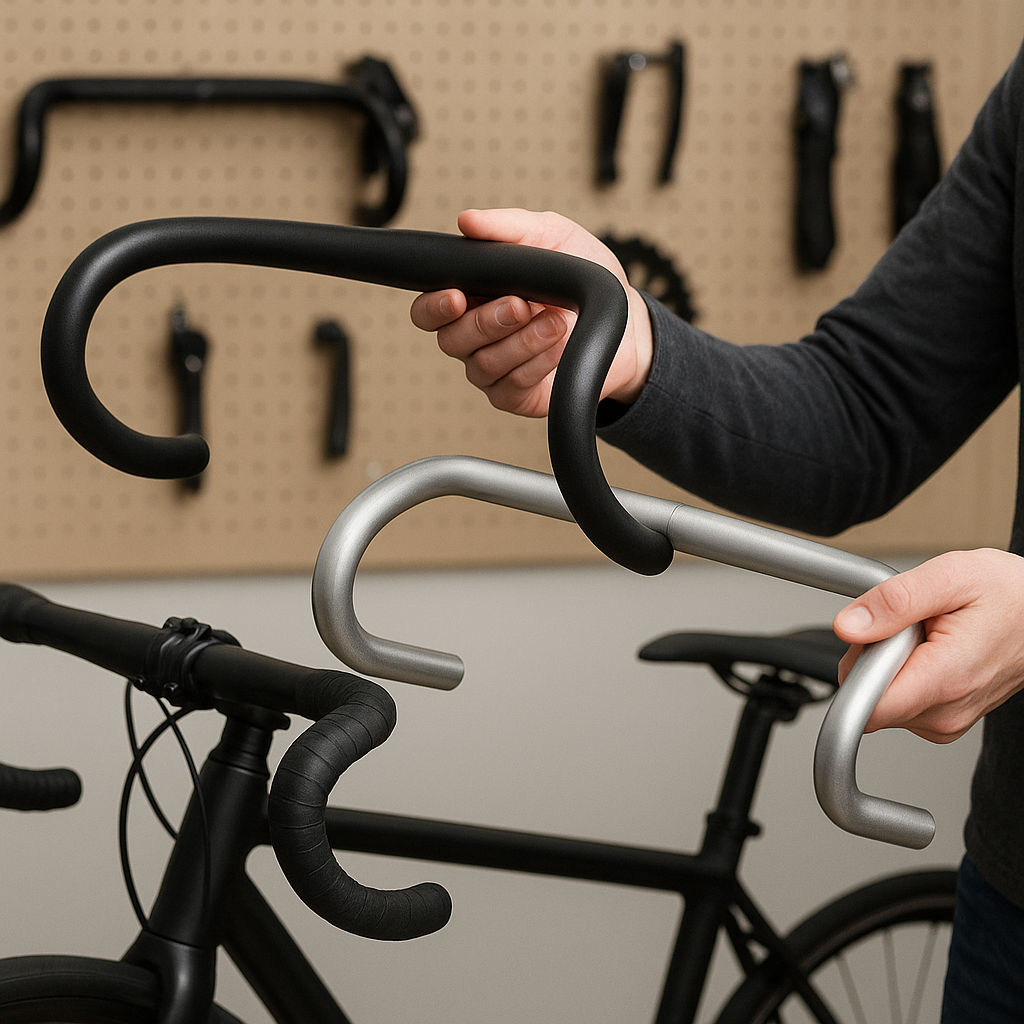
- A reach that’s too long forces riders to overextend the back and neck, while too short restricts leg drive.
- Maintain a neutral spine and avoid scrunching the shoulders to protect the lower back and avoid compensatory knee motions.
- Fine-tune handlebar height to balance comfort and aerodynamics without compromising posture.
Cleat and Pedal Alignment
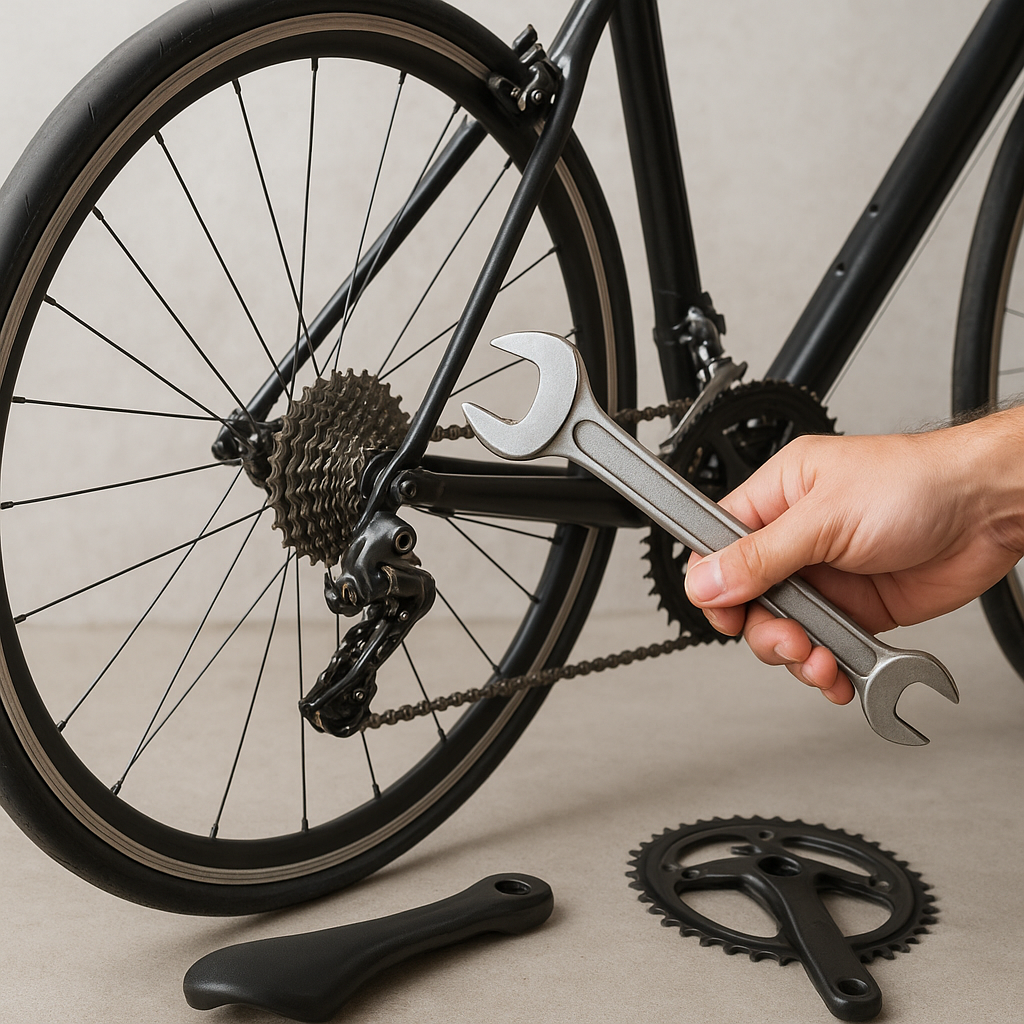
- Align cleats to allow a natural foot position; slight adjustments can alleviate knee tracking issues.
- Consider multi-release cleats to reduce rotational stress on the ankle and hip joints.
- Regularly inspect for wear and replace cleats before excessive slop alters your biomechanics.
Warming Up and Conditioning
Cold muscles and stiff joints are more susceptible to injury. A proper warm-up increases blood flow, enhances muscle elasticity, and prepares connective tissues to handle the cycling load. Following each ride, targeted exercises help maintain joint health and improve overall riding efficiency.
Dynamic Pre-Ride Routine
- Hip circles: 10 rotations per side to loosen the hip capsule.
- Leg swings: Forward-back and side-to-side to activate glutes and hamstrings.
- Arm swings and torso twists to engage core stabilizers and promote spinal mobility.
Post-Ride Strength and Mobility
- Squat holds and lunges challenge quad and glute strength while teaching control through knee flexion.
- Calf raises and ankle dorsiflexion stretches improve ankle stability and pedal stroke consistency.
- Hip flexor and IT band foam rolling to maintain soft-tissue health and reduce friction.
Bike Technique and Riding Habits
Even with a perfect fit, inefficient pedaling and bad habits can exacerbate joint issues. Focus on refining your technique to distribute load evenly across muscles and reduce repetitive stress on any single joint.
Pedaling Style and Cadence
- Target a higher cadence (80–100 rpm) to lower per-stroke force and ease knee loading.
- A smooth, circular stroke engages both hamstrings and calves, preventing quad overdominance and joint overload.
- Use a cadence sensor or cycling computer to monitor and gradually increase revolutions per minute.
Gear Selection and Terrain Management
- Climbing in an overly hard gear forces excessive knee extension; shift earlier and maintain a steady rhythm.
- Avoid mashing at low cadence; instead, spin smoothly in an easier gear to protect the knee joint.
- Anticipate changes in incline and adjust gearing proactively rather than braking suddenly, which can jar the hips.
Riding Posture and Core Engagement
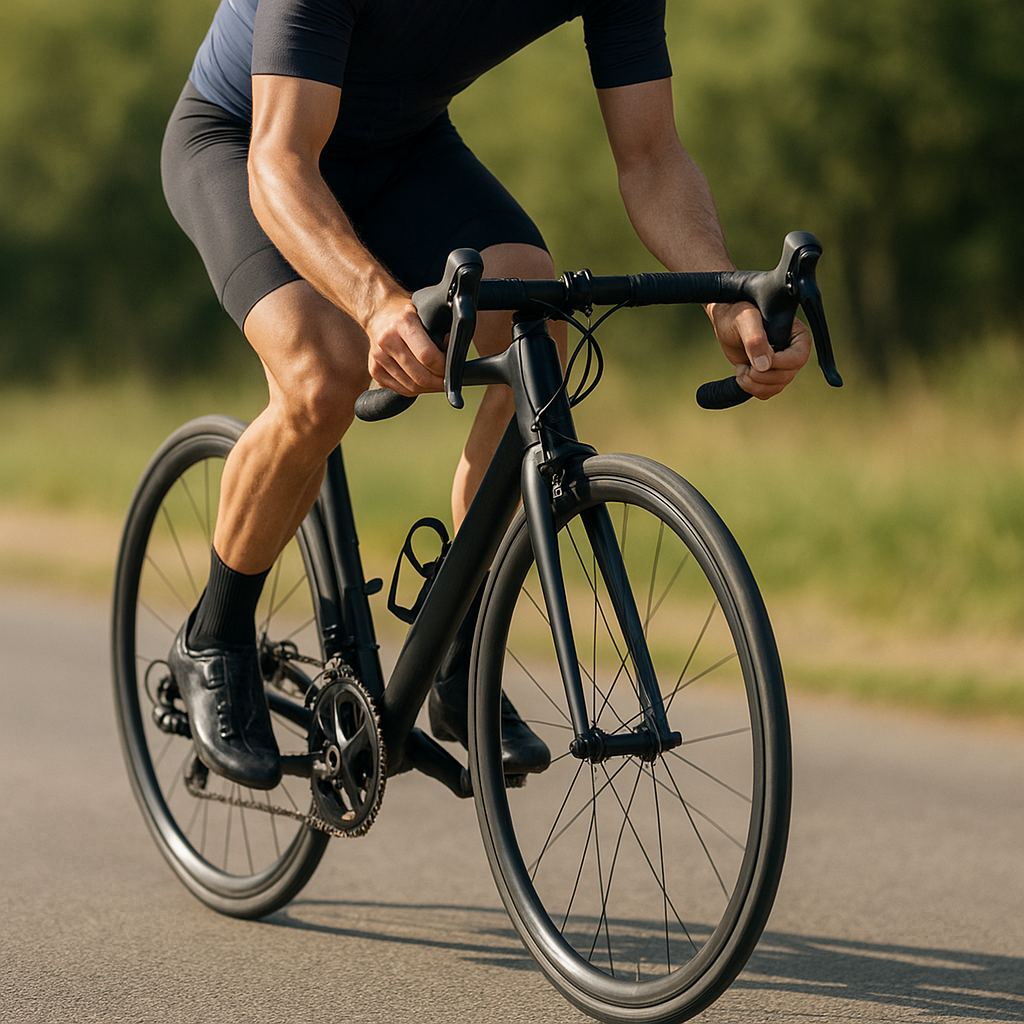
- Maintain a stable torso and avoid collapsing into the cockpit; core activation distributes stress and steadies the pelvis.
- Ensure shoulders remain relaxed, elbows soft, and wrists aligned to prevent compensation that can travel down to the knees.
- Regular core workouts off the bike support sustained posture and reduce fatigue-induced form breakdown.
Managing Inflammation and Pain Relief
Persistent discomfort often reflects underlying inflammation. A multimodal recovery plan accelerates healing, reduces stiffness, and prepares joints for the next ride.
Rest and Active Recovery
- Schedule easy days or complete rest days after intense efforts to allow tissue repair.
- Incorporate low-impact cross-training—such as swimming or yoga—to maintain cardiovascular fitness without loading the joints.
Therapeutic Modalities
- Ice packs on tender areas for 15–20 minutes to reduce swelling and pain.
- Alternating with heat pads or warm baths to improve blood circulation and promote nutrient delivery.
- Self-massage or professional sports massage to break up adhesions and enhance soft-tissue recovery.
Long-Term Strategies for Joint Health
Sustainable cycling demands a holistic approach. Beyond immediate fixes, invest in strategies that bolster joint integrity over the years, ensuring you stay on the bike for decades.
Cross-Training and Balance
- Complement cycling with resistance training focusing on balanced muscle development.
- Pilates or stability workouts emphasize neuromuscular control, preventing aberrant joint movements.
Nutrition and Hydration
- Maintain proper protein intake to support muscle repair and connective tissue maintenance.
- Omega-3 fats from fish oil or flaxseed can help modulate chronic joint inflammation.
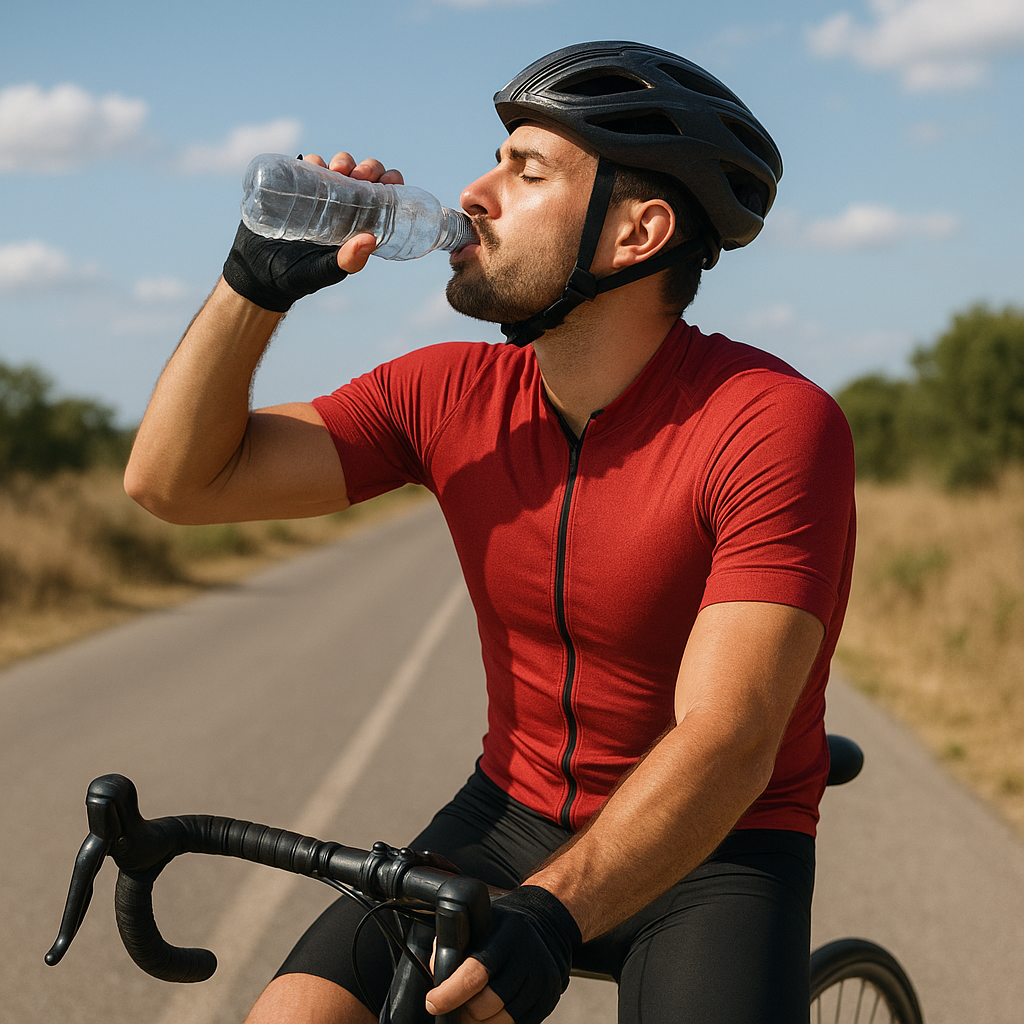
- Stay well hydrated to preserve synovial fluid viscosity and cushion joint surfaces.
Regular Monitoring and Professional Guidance
- Perform periodic bike fits or movement assessments to detect emerging alignment issues.
- Consult a physical therapist or sports medicine specialist at the first sign of persistent pain.
- Implement a structured recovery schedule, watching for patterns of discomfort that signal overtraining.