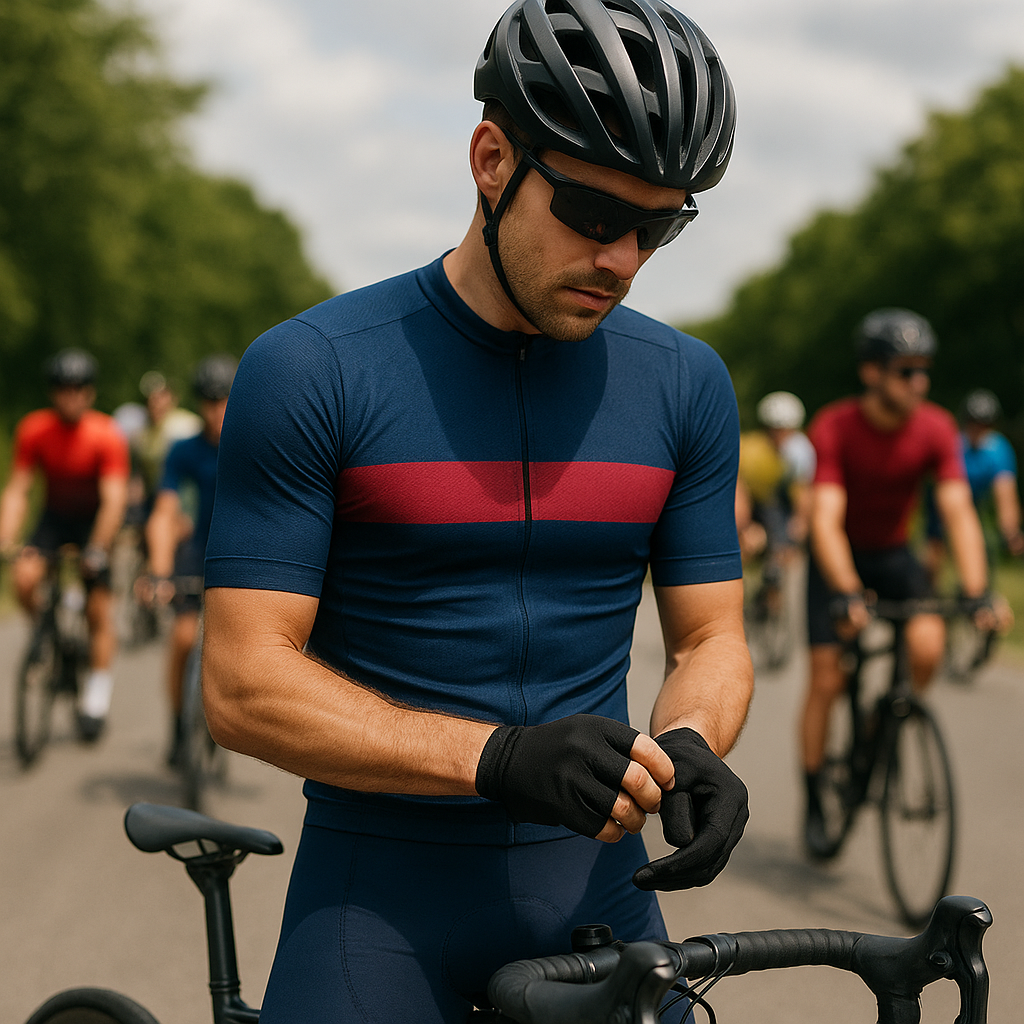
Preparing for a cycling race involves more than just spending hours in the saddle. Success depends on a comprehensive approach that balances structured workouts, proper nutrition, reliable equipment, and a resilient mindset. By focusing on each aspect with intention, you’ll arrive at the starting line feeling confident and ready to perform at your best.
Training Plan and Fitness Preparation
Building a solid foundation of endurance and strength is key to sustaining high performance during a race. A well-designed training plan should address the following elements:
1. Structured Workouts
- Base Endurance Rides: Long, steady rides at a moderate effort level build your aerobic engine. Aim for 2–4 hours of uninterrupted cycling at 60–70% of your maximum heart rate.
- Interval Training: Incorporate high-intensity intervals (e.g., 5×5 minutes at 90–95% of FTP with 5-minute recoveries) to improve your sustainable power output and lactate threshold.
- Climbing Sessions: If your race features hills, practice hill repeats. Focus on maintaining a consistent cadence of 70–90 rpm, shifting smoothly between gears to simulate race conditions.
2. Strength and Mobility Work
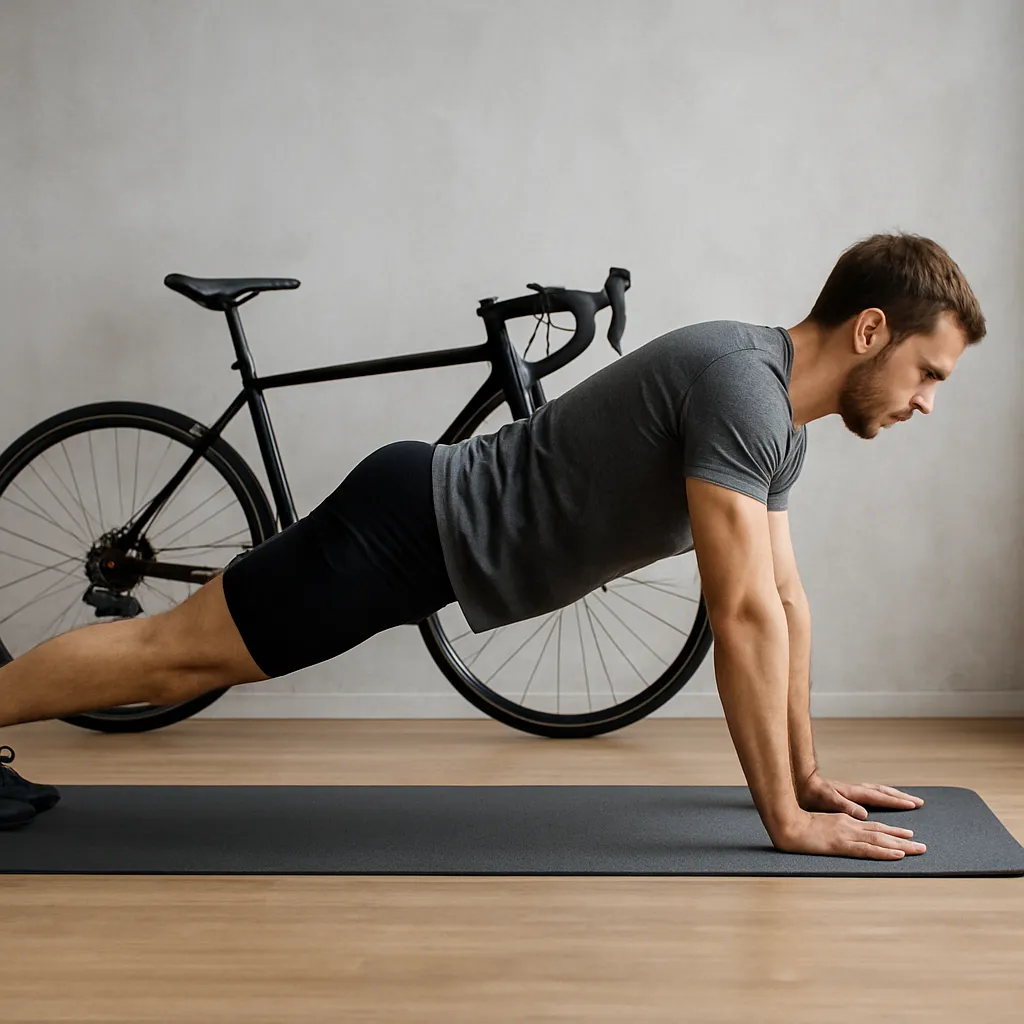
- Core Stability: Planks, Russian twists, and dead bugs support a powerful and efficient pedal stroke.
- Leg Strength: Squats, lunges, and Romanian deadlifts build muscular support for sprints and climbs.
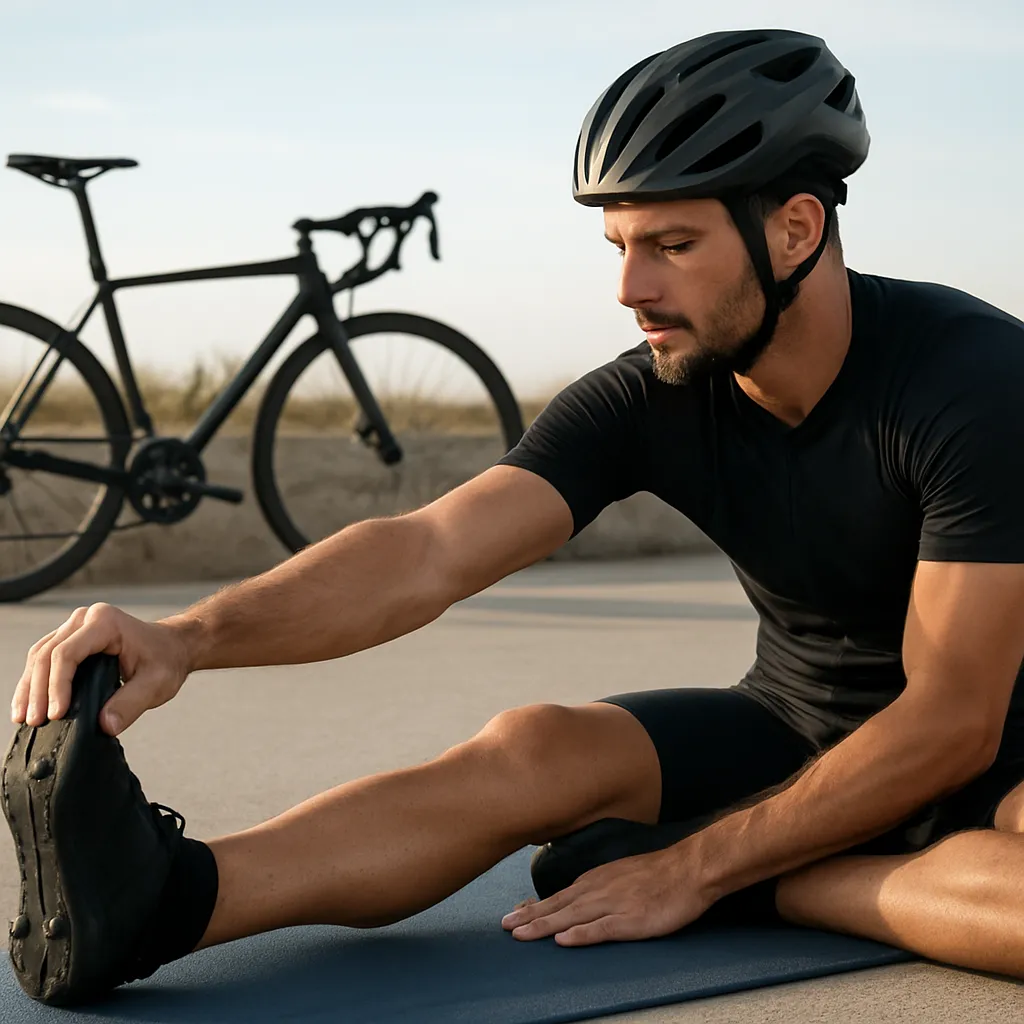
- Flexibility Routine: Dynamic stretches before workouts and static stretches afterward reduce injury risk and prolong comfort during long efforts.
3. Recovery and Adaptation
Recovery is where your body adapts to the training load. Prioritize:
- Sleep: Aim for 7–9 hours nightly to optimize hormone balance and muscle repair.
- Active Recovery: Easy spin days or light cross-training boost blood flow without adding fatigue.
- Rest Days: Complete rest once a week prevents overtraining and mental burnout.
Nutrition and Hydration Strategies
What you eat and drink before, during, and after training sessions has a direct impact on your energy levels, recovery rate, and overall performance. Dialing in your fuel strategy is essential.
1. Daily Nutrition
- Macronutrient Balance: Aim for a diet comprising 50–60% carbohydrates, 20–25% protein, and 15–20% healthy fats to support energy needs and muscle repair.
- Quality Carbs: Whole grains, fruits, and vegetables supply fiber and stable energy release. They also replenish glycogen stores after intense workouts.
- Lean Proteins: Chicken, fish, legumes, and dairy help rebuild muscle fibers and maintain immune function.
- Healthy Fats: Avocado, nuts, seeds, and olive oil support cell health and hormonal regulation.
2. Pre-Race Meal
3–4 hours before race start, consume a meal rich in easily digestible carbs, moderate protein, and low fat to optimize gastric emptying:
- Bowl of oatmeal topped with banana and honey
- Bagel with almond butter and a drizzle of maple syrup
- Rice with grilled chicken and steamed vegetables
Include a small amount of caffeine if it’s part of your routine, but avoid experimenting with new foods on race day.
3. On-Bike Fueling and Hydration
- Hydration: Drink 500–750 ml of fluid per hour in cool conditions; increase intake in heat. Use electrolyte tablets to maintain sodium balance.
- Carb Intake: 60–90 grams of carbohydrates per hour from gels, chews, or sports drinks helps sustain energy levels. Practice this during training to avoid GI distress.
- Solid Snacks: Energy bars or rice cakes can be included on longer races (3+ hours) to vary textures and tastes.
4. Post-Race Recovery Nutrition
- Recovery Drink: A ratio of 3:1 carbs to protein within 30 minutes post-finish speeds muscle glycogen replenishment.
- Balanced Meal: Follow up with a nutritious meal containing whole grains, lean proteins, and vegetables within 2 hours of racing.
Equipment and Bike Setup
A properly tuned bike and suitable gear can shave minutes off your time and improve comfort. Pay attention to details:
1. Bike Fit and Positioning
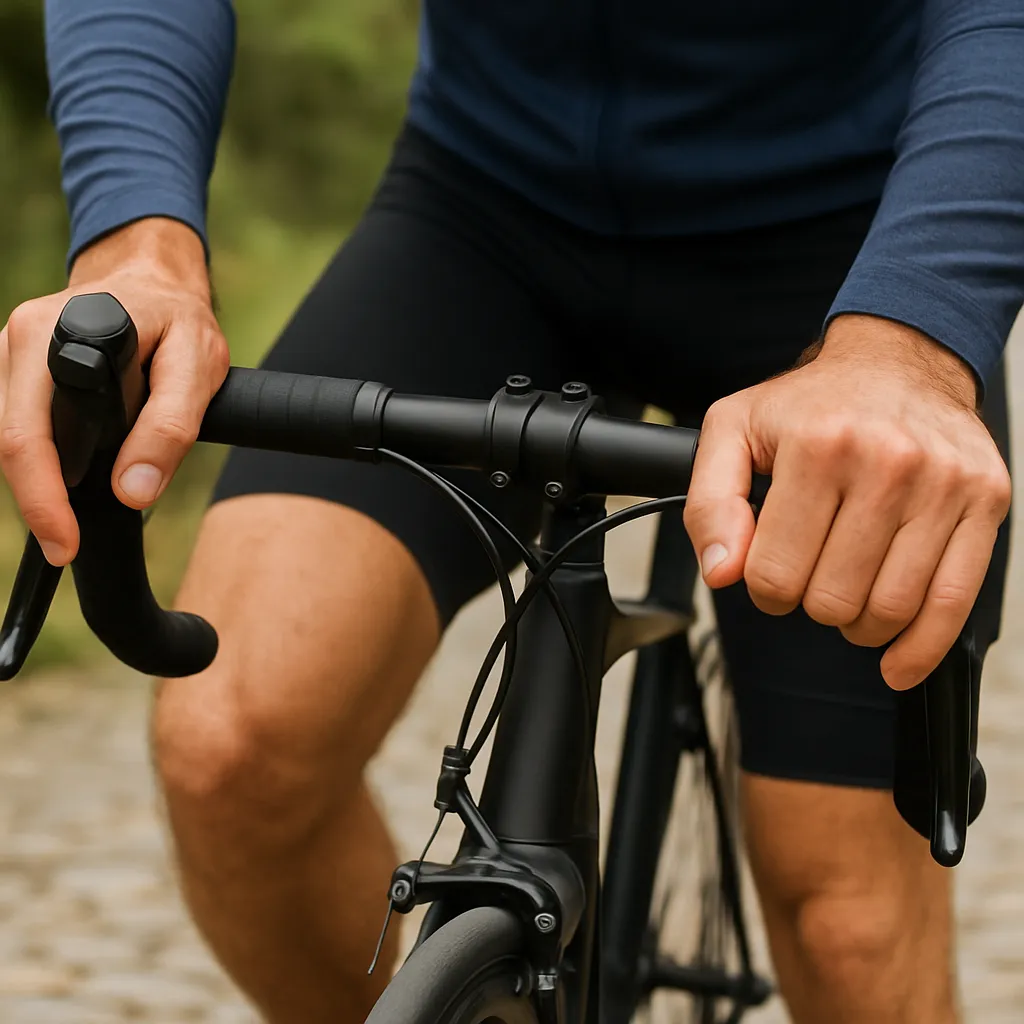
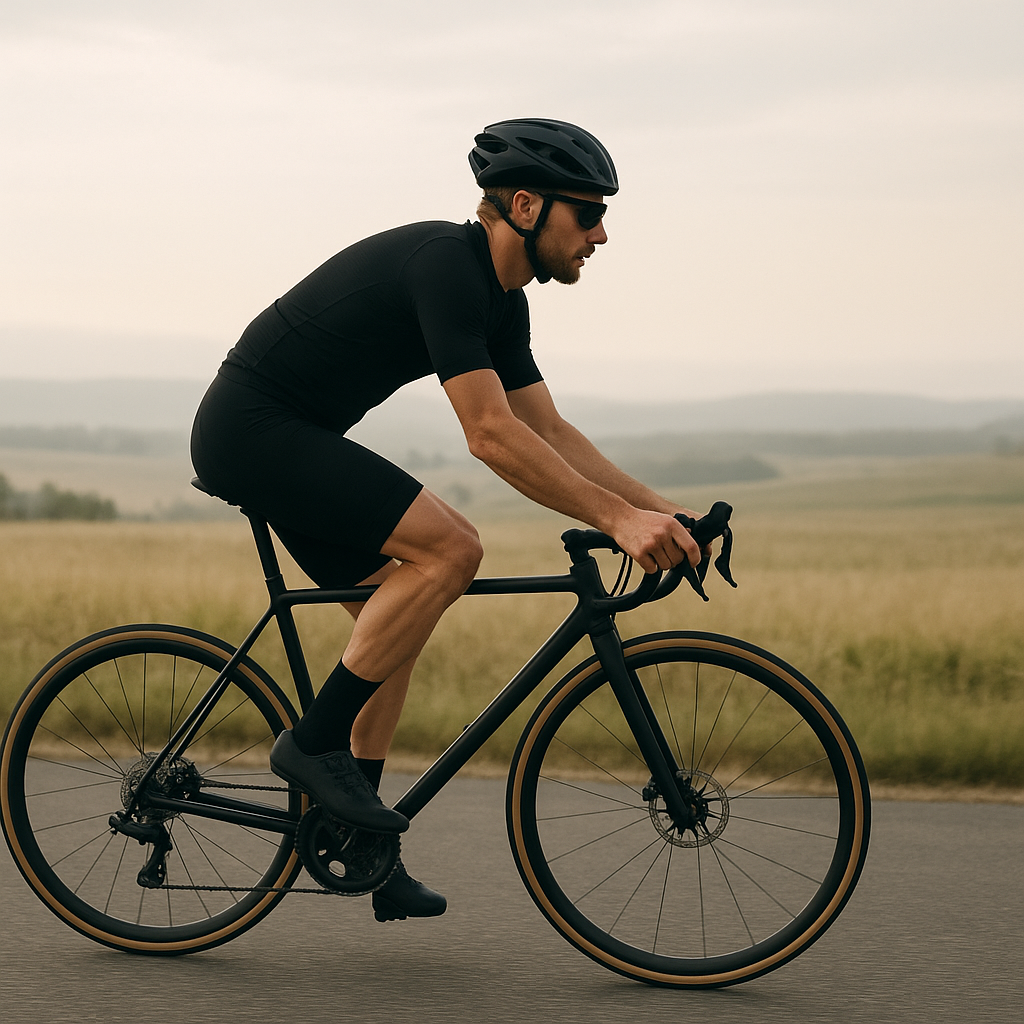
- Bike Fit: Seek a professional fitting to optimize saddle height, reach, and handlebar position. A precise fit enhances power transfer and reduces injury risk.
- Saddle Choice: Select a saddle that supports your sit bone width and riding posture. Test different models during long rides.
- Cleat Placement: Align cleats under the ball of your foot to promote an efficient pedal stroke and avoid knee pain.
2. Component Check
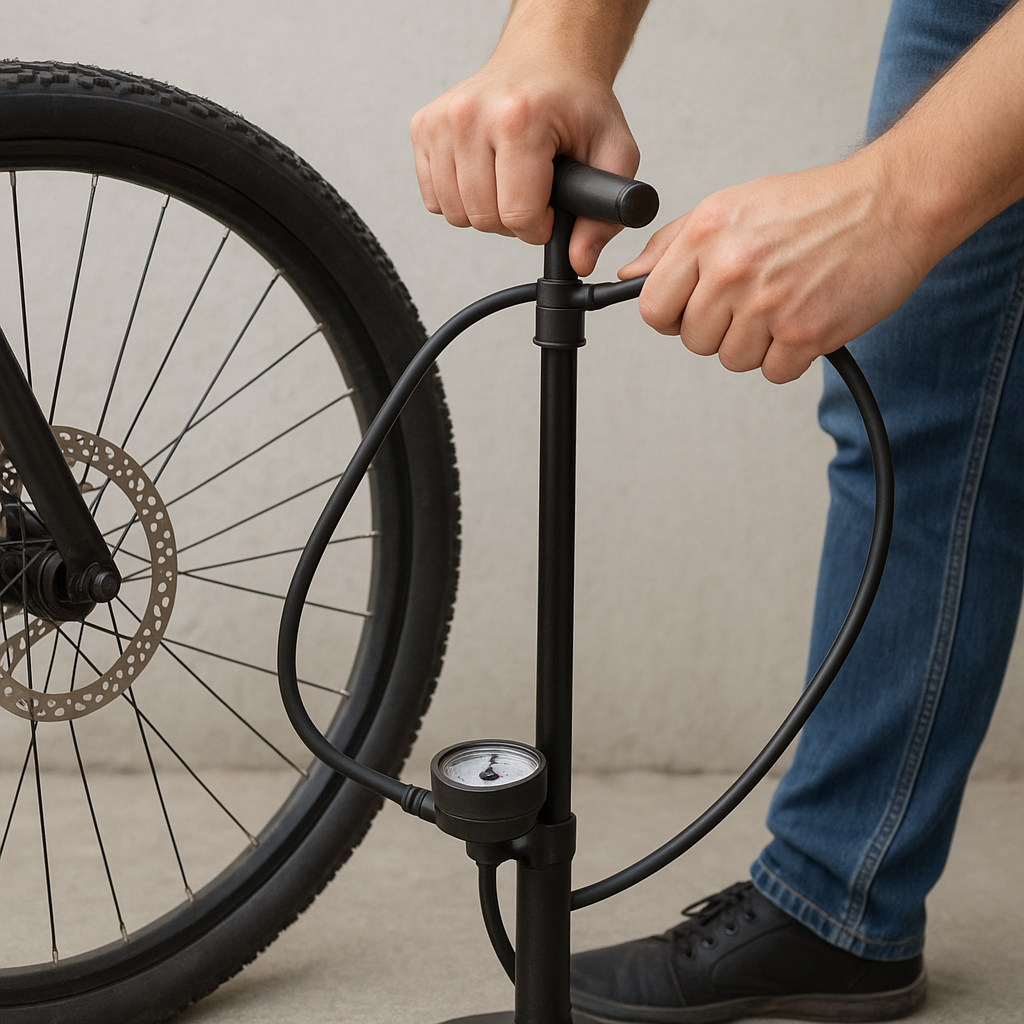
- Tires: Choose appropriate tire width and tread pattern for race terrain. Maintain tire pressure at the recommended PSI for minimal rolling resistance.
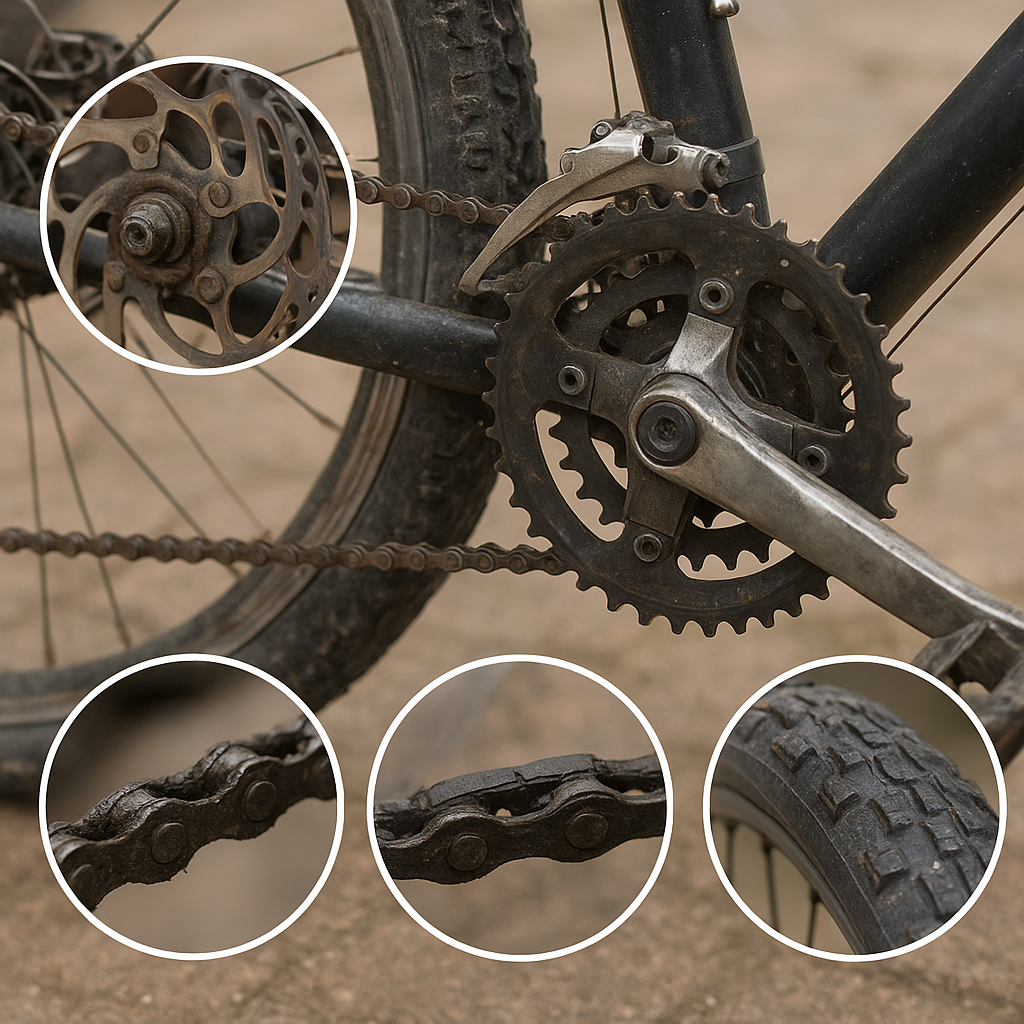
- Brakes and Drivetrain: Clean and lubricate your chain, check brake pad wear, and ensure smooth shifting. A well-maintained drivetrain preserves speed and reliability.
- Aero Accessories: Use deep-section wheels, aero handlebars, and a snug-fitting jersey to reduce drag in time trials or flat courses.
3. Race-Day Kit
- Race Jersey and Bibs: Moisture-wicking fabric keeps you cool and comfortable.
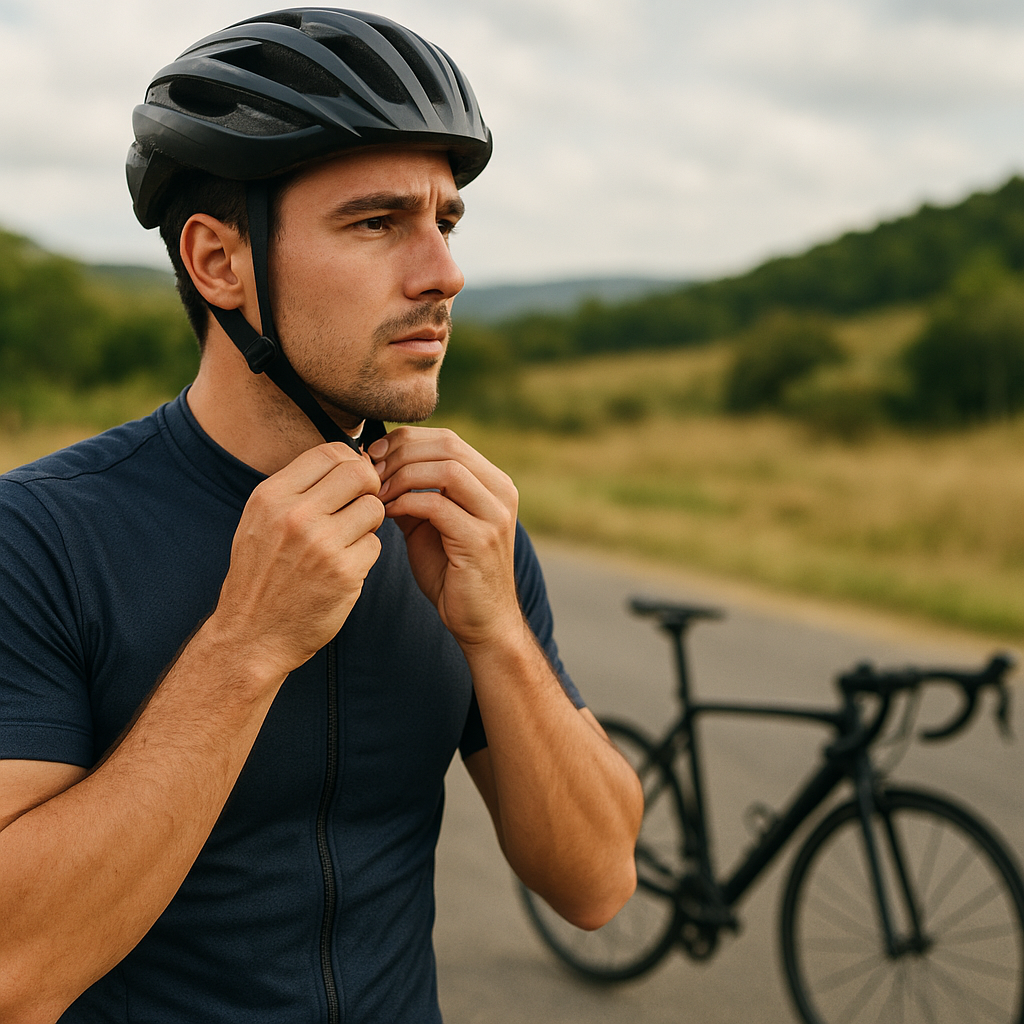
- Helmet and Glasses: A lightweight helmet with proper ventilation and UV-protective eyewear shield you from elements.
- Tools and Spares: Carry a multi-tool, spare tube, CO2 inflator, and tire levers in case of mechanical issues.
- Nutrition Onboard: Place gels, bars, or a small bottle of electrolyte mix within easy reach on your frame or jersey pockets.
Mental Preparation and Race Day Tactics
Developing a strong mindset and tactical awareness can be just as important as physical conditioning. Employ these strategies to stay focused and competitive:
1. Goal Setting and Visualization
- Set Specific Targets: Define performance metrics like average power, time splits, or finishing position.
- Visualization: Spend 5–10 minutes daily imagining key race scenarios—attacks, climbs, sprints. This mental rehearsal primes your brain for success.
2. Race Pacing and Strategy
- Start Conservatively: Avoid redlining in the first 10–15 minutes. Monitor your effort via heart rate or power meter to stay within plan.
- Group Riding: Draft efficiently by staying in the slipstream of other riders. Communicate with hand signals and verbal cues to navigate safely.
- Attack Windows: Identify course sections—climbs, descents, or flat stretches—where you can gain an advantage. Launch decisive moves when competitors falter.
3. Coping with Adversity
- Mechanical Issues: Practice quick tire changes and learn basic repairs in advance. Maintaining calm prevents wasted time.
- Physical Discomfort: Use breathing techniques and positive self-talk to manage pain. Focus on small goals like reaching the next feed zone or checkpoint.
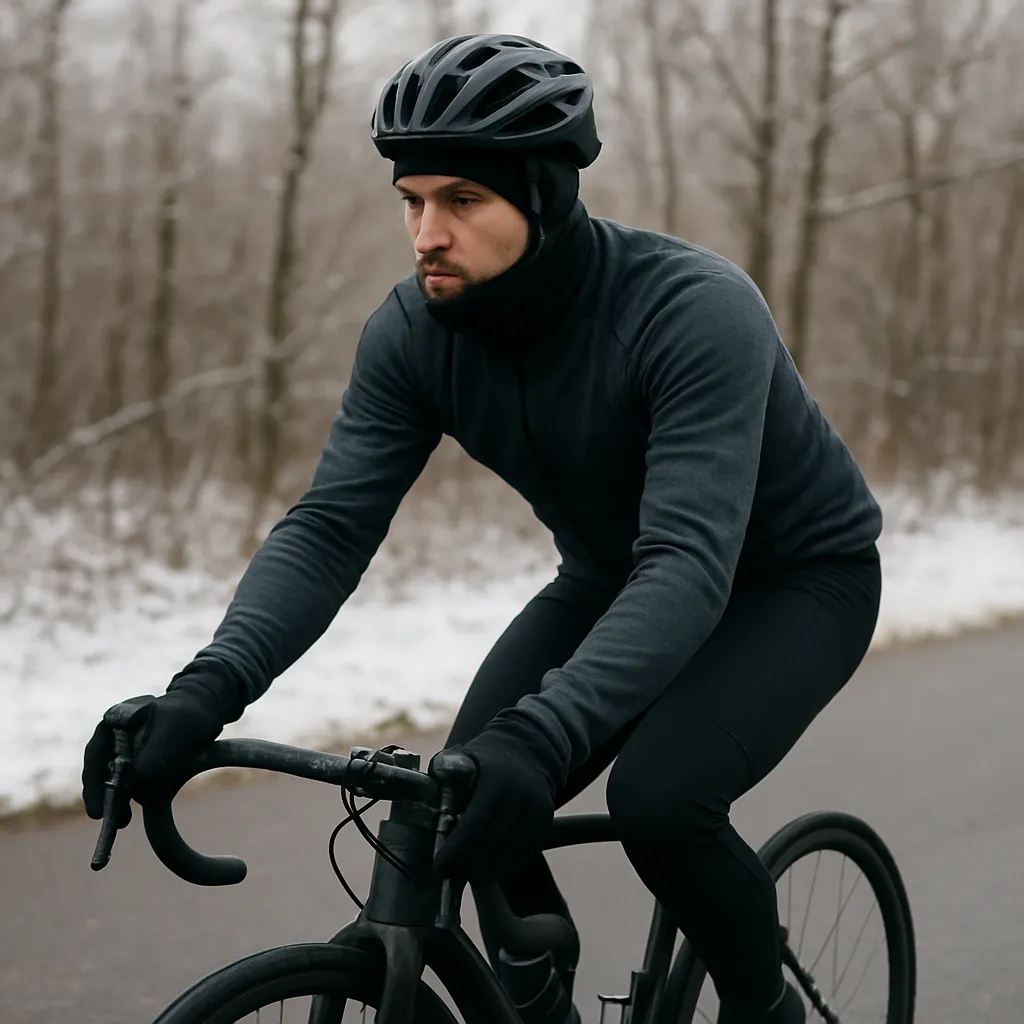
- Environmental Factors: Adapt pacing and hydration for heat, wind, or rain. Dress in layers and carry appropriate gear for changing conditions.
4. Final Warm-Up and Race Start
45–30 minutes before the gun, perform a dynamic warm-up that includes:
- Easy Spin: 10–15 minutes at low intensity to raise core temperature without fatiguing muscles.
- Short Power Bursts: 3–5 efforts of 15 seconds at near-maximum effort with full recovery to activate fast-twitch fibers.
- Stretch and Mobilize: Quick leg swings and arm circles to loosen joints and reinforce proper movement patterns.
Entering the start pen calm, focused, and physically primed sets the stage for a memorable performance. With a balanced plan covering training, nutrition, equipment, and mental tactics, you’ll be well-equipped to tackle any cycling race with confidence and determination.