Embarking on your first cycling marathon is an exhilarating journey that demands careful planning, consistent practice, and a strategic approach to every aspect of performance. From selecting the right equipment to refining your riding technique, each component contributes to your overall success. This guide breaks down essential steps to boost your endurance, optimize your nutrition and hydration, and sharpen your mental focus for the big day.
Choosing and Preparing Your Bicycle and Gear
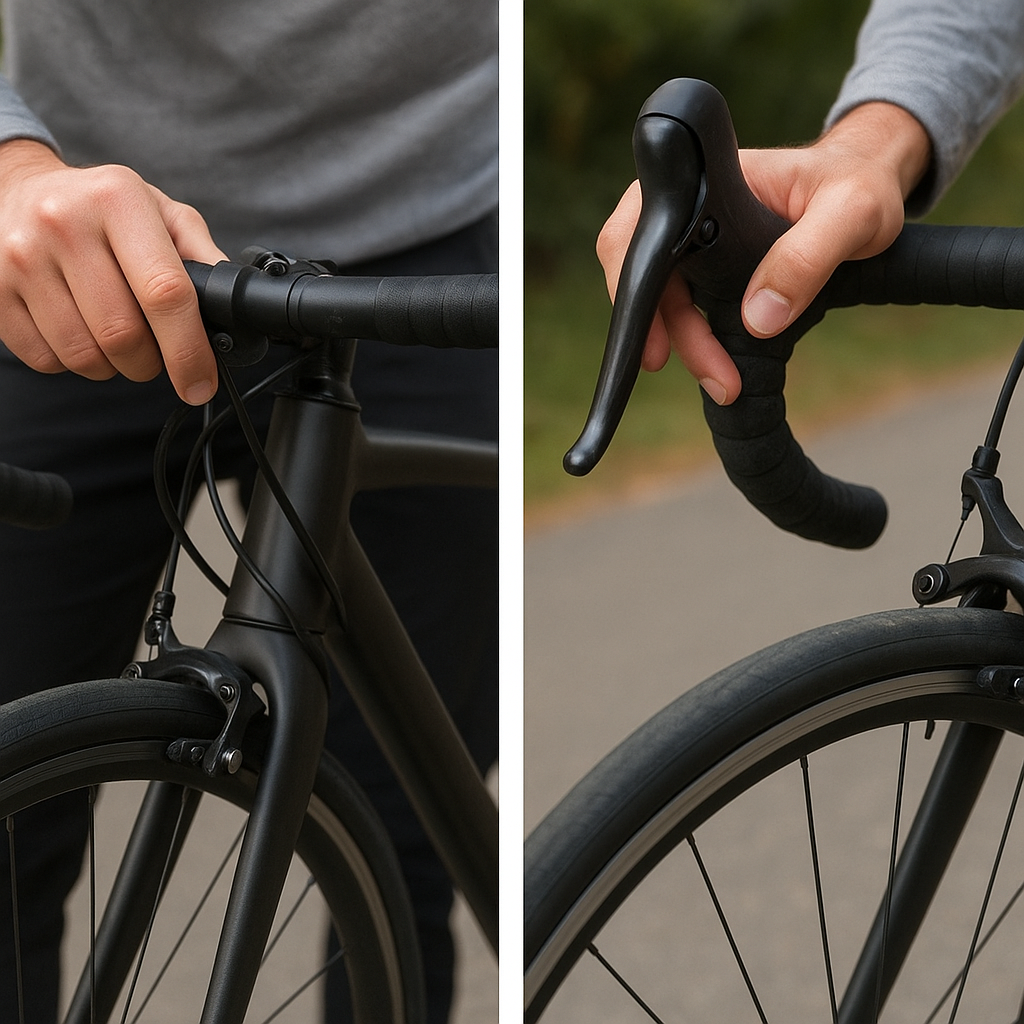
Before you hit the road for extended distances, ensure your bike setup maximizes comfort and efficiency. A well-equipped bicycle can be the difference between a smooth ride and persistent aches.
Selecting the Right Bike
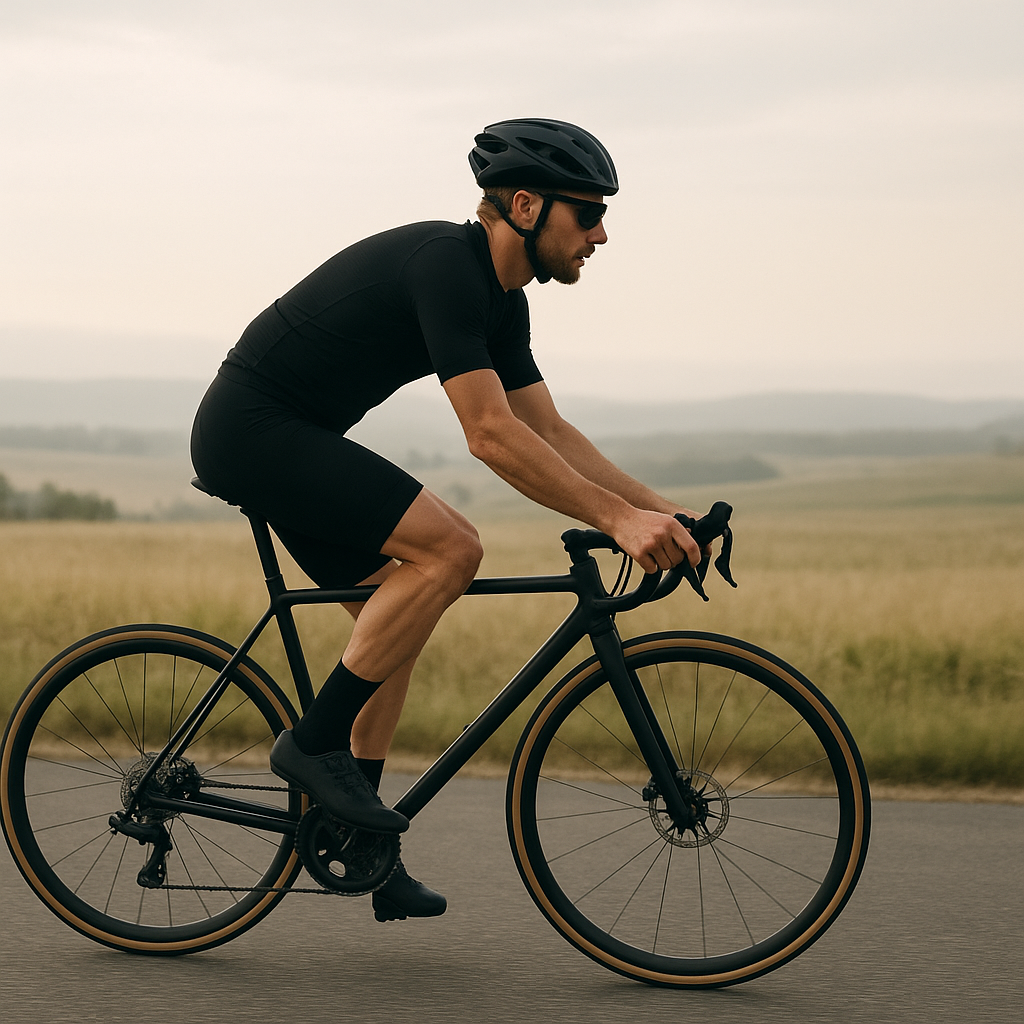
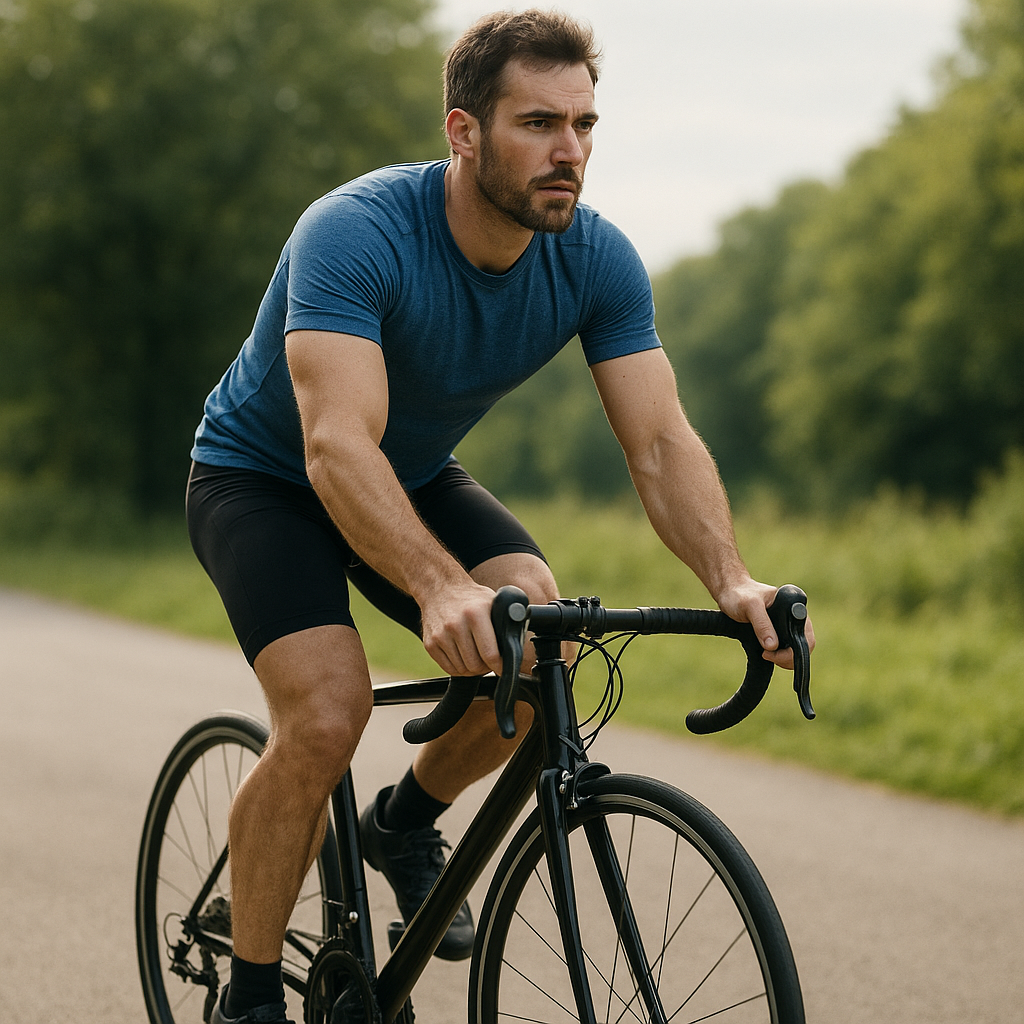
- Road Bikes vs. Endurance Bikes: Road bikes are lightweight and agile, ideal for speed. Endurance bikes offer a more relaxed geometry for long hours in the saddle.
- Fit and Frame Size: Visit a professional fitter to adjust saddle height, handlebar reach, and pedal position. Proper alignment reduces fatigue and risk of injury.
- Tires and Wheels: Opt for wider tires (25–28 mm) at moderate pressure for improved comfort and puncture resistance. High-quality wheels contribute to better stamina over rolling terrain.
Essential Accessories
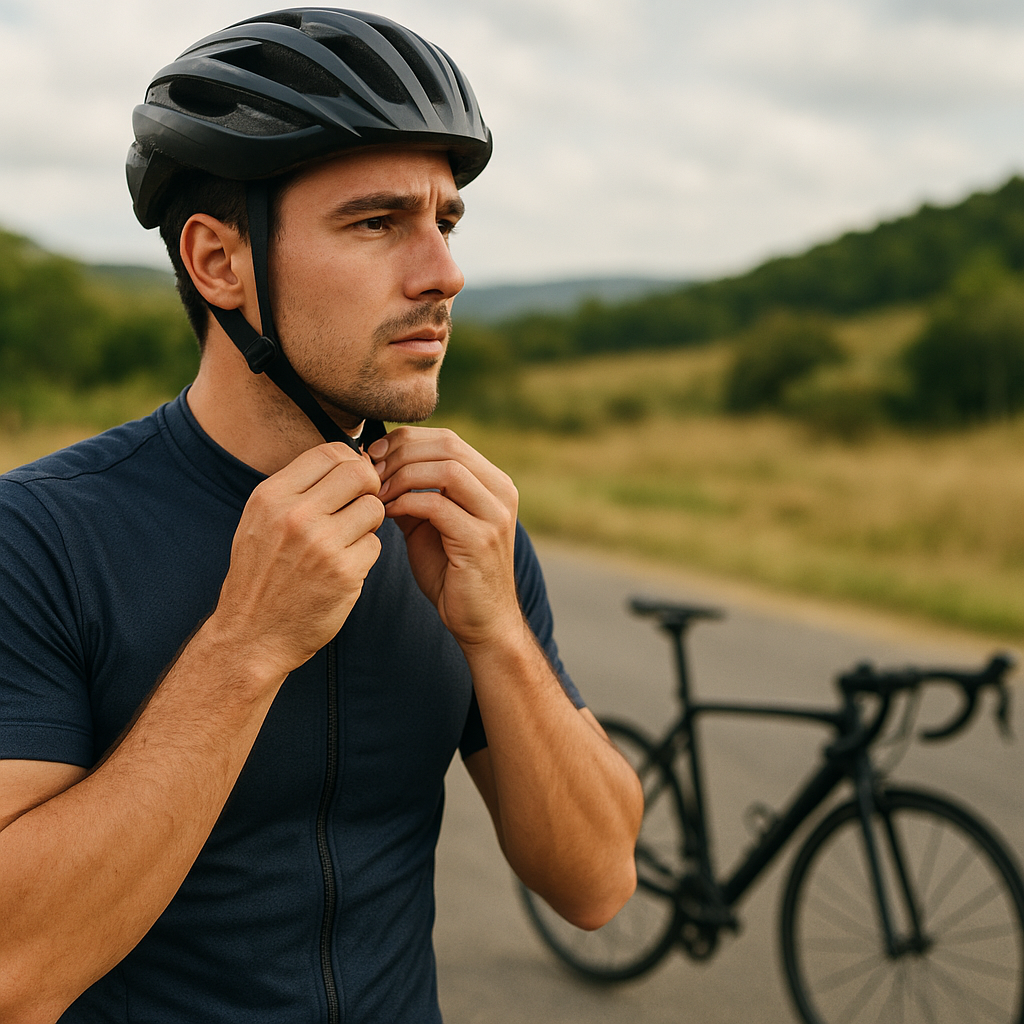
- Helmet with proper ventilation and fit
- Clip-in pedals and shoes for efficient power transfer
- Comfortable cycling shorts with quality chamois
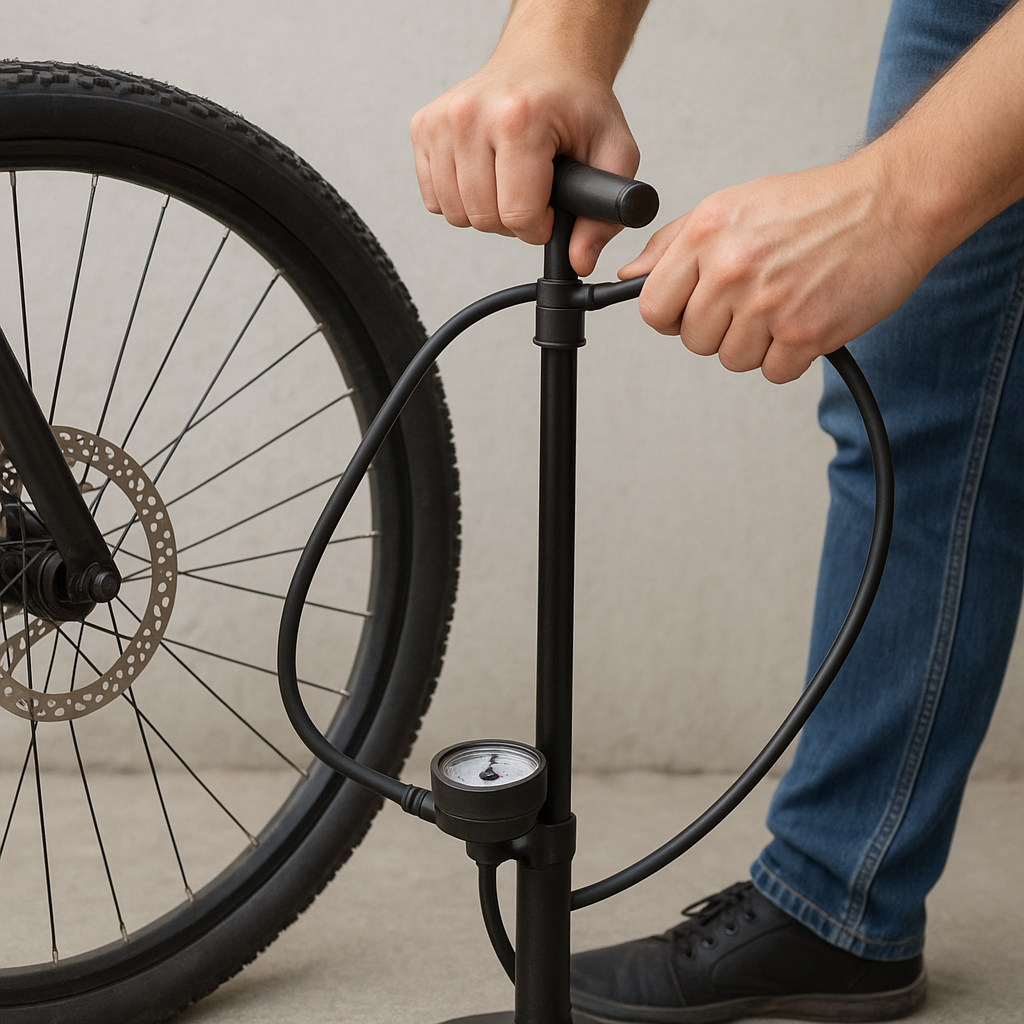
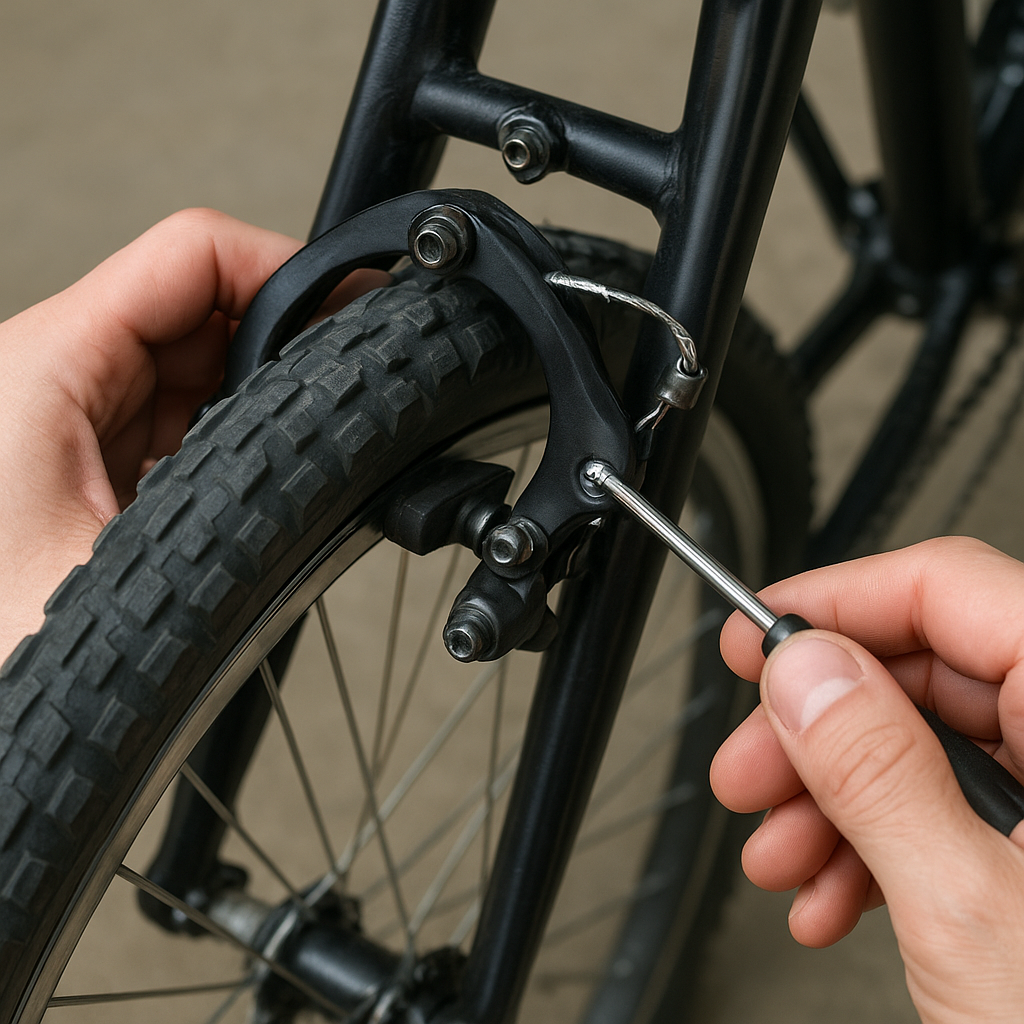
- Repair kit: mini-pump, spare tubes, tire levers, multi-tool
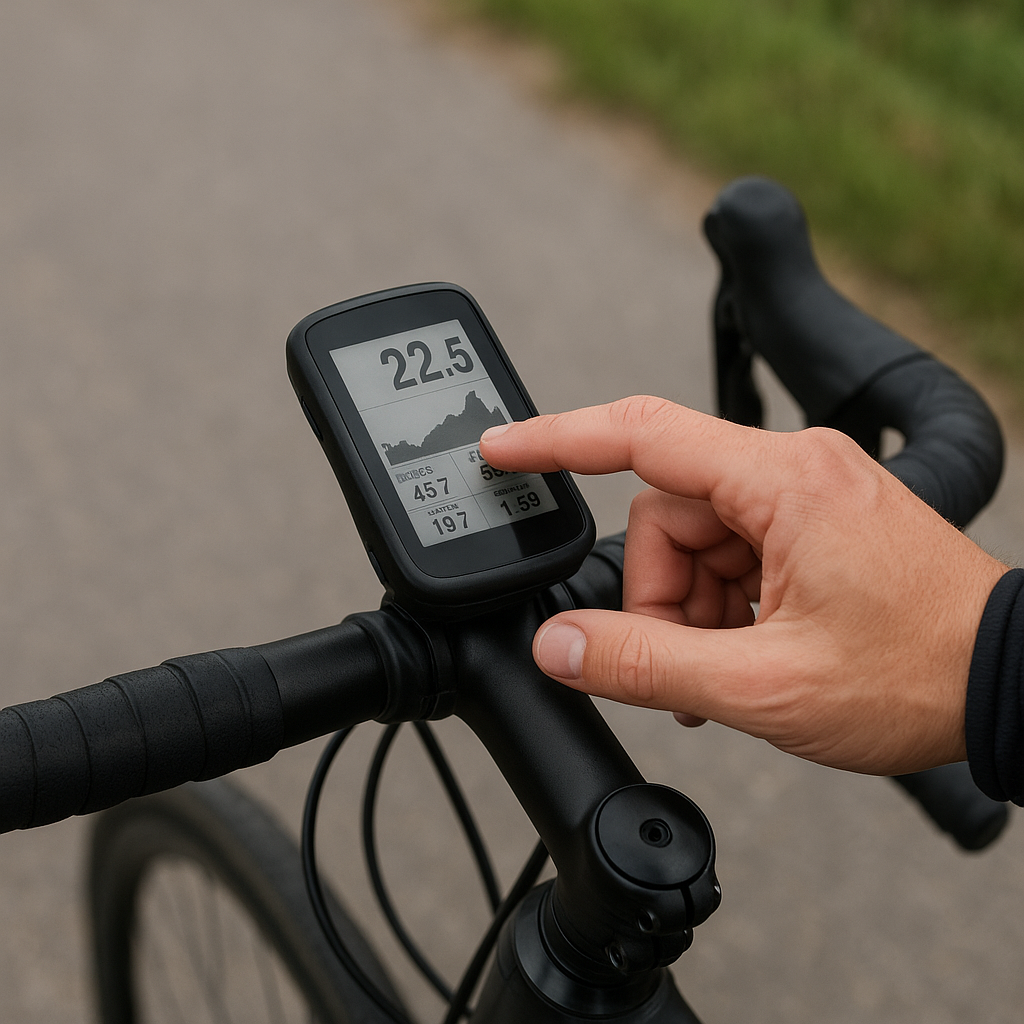
- Bike computer or GPS device for tracking pace management and distance
- Lights and reflective gear for early starts or late finishes
Building a Structured Training Plan
Developing a training routine tailored to your current fitness level helps lay the foundation for improved performance and reduced injury risk. Consistency and gradual progression are key.
Progressive Weekly Schedule
- Monday: Rest or active recovery ride (45–60 minutes at very easy pace)
- Tuesday: Interval sessions focusing on power (e.g., 5 x 4 minutes at high intensity, with 3 minutes recovery)
- Wednesday: Endurance ride (2–3 hours at moderate pace to build endurance)
- Thursday: Skill drills and handling practice (cornering, descending techniques)
- Friday: Rest or cross-training (yoga, swimming) for flexibility and recovery
- Saturday: Long ride (gradually increasing duration by 10–15% each week)
- Sunday: Easy spin or group ride focusing on social tactics and drafting
Key Training Components
- Interval training: Boosts VO2 max and anaerobic capacity
- Endurance rides: Develop aerobic base and fat-burning efficiency
- Strength work: Off-bike gym sessions targeting core and leg strength
- Flexibility routines: Stretching and foam rolling to maintain muscle health
- Recovery protocols: Incorporate foam rolling, compression gear, and massage
Optimizing Nutrition and Hydration
Proper fueling strategies ensure sustained energy and prevent bonking. Tailor your intake to training demands and race conditions with careful planning.
Daily Nutrition Essentials
- Balanced macronutrients: Whole grains, lean proteins, healthy fats
- Pre-ride meals: High-carb, moderate-protein, low-fat at least 2–3 hours before
- Post-ride recovery: Carbs plus protein (3:1 ratio) within 30 minutes to support recovery
- Snacks: Energy bars, nuts, dried fruit for on-the-go fueling
- Supplements: Electrolyte tablets, beetroot juice, or caffeine as needed
Hydration Strategies
- Baseline: Aim for at least 2.5 liters of fluids per day
- During rides: 500–750 ml per hour depending on heat and intensity
- Electrolytes: Include sodium, potassium, magnesium to replace sweat losses
- Monitoring: Weigh yourself before and after rides to gauge fluid loss
Mental Preparation and Race Day Logistics
Physical fitness alone won’t guarantee success. Cultivating mental toughness and mastering logistical details reduces stress and enhances performance on race day.
Developing Race Mindset
- Visualization: Mentally rehearse the course, climbs, and finishing sprint
- Goal setting: Set realistic time or placement targets, along with process goals (e.g., staying seated on climbs)
- Stress management: Practice breathing exercises and positive self-talk
- Pre-race routine: Establish a warm-up protocol to prime muscles and nerves
Logistical Considerations
- Course reconnaissance: Familiarize yourself with elevation profiles and feed zones
- Equipment check: Perform a full bike inspection 48 hours before the event
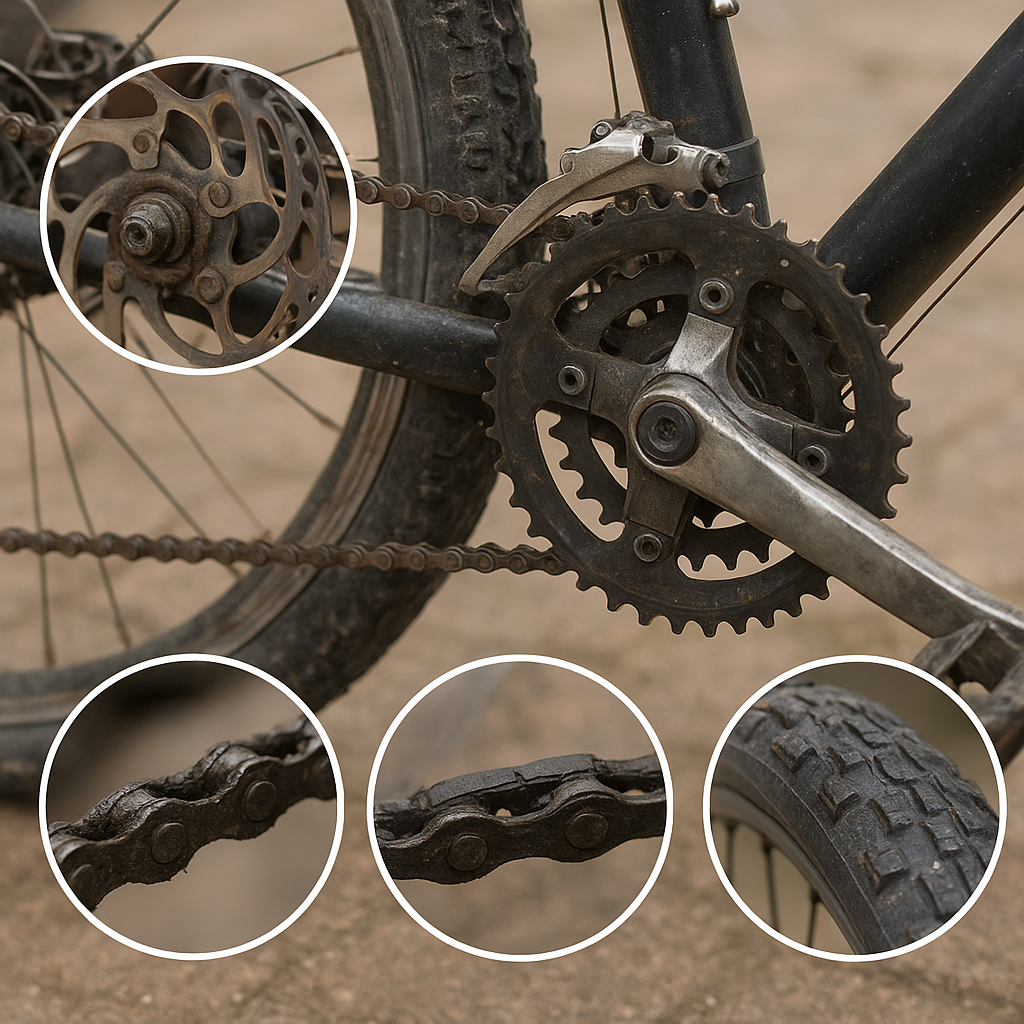
- Mechanical backup: Plan for flats and minor repairs—know how to fix a chain off
- Travel and accommodation: Arrive early to minimize lateness stress
- Clothing layers: Adapt to temperature changes with breathable jerseys and arm warmers
Race Execution Tips
- Pacing: Start conservatively to preserve stamina for the final kilometers
- Nutrition on the go: Consume 60–90 grams of carbs per hour from gels or bars
- Positioning: Stay near the front in groups to avoid splits and maximize drafting
- Adaptability: Be ready to modify your plan based on weather or group dynamics
- Final push: Shift focus to cadence and short, powerful efforts for the last climb or sprint