Embarking on cycling adventures in unfamiliar cities can be both thrilling and daunting. Whether you’re commuting to work, exploring new neighborhoods, or simply seeking a weekend escape, ensuring safety should be at the forefront. This article dives into practical strategies for selecting the right equipment, planning your journey, navigating urban traffic, boosting visibility, and maintaining your bike so you can ride with confidence and peace of mind.
Choosing the Right Bike and Gear
Selecting a reliable bicycle and equipping yourself with the proper accessories forms the foundation of a secure ride. By prioritizing quality over convenience, you invest in both maintenance ease and long-term comfort.
Bike Types and Frame Considerations
- Hybrid bikes blend the agility of road bikes with the sturdiness of mountain bikes. Ideal for mixed surfaces, they often feature wider tires for stability.
- Urban or city bikes focus on a comfortable upright position, useful for daily errands and short distances.
- Folding bikes provide portability, though wheel size and gearing may limit speed and shock absorption.
Essential Protective Equipment
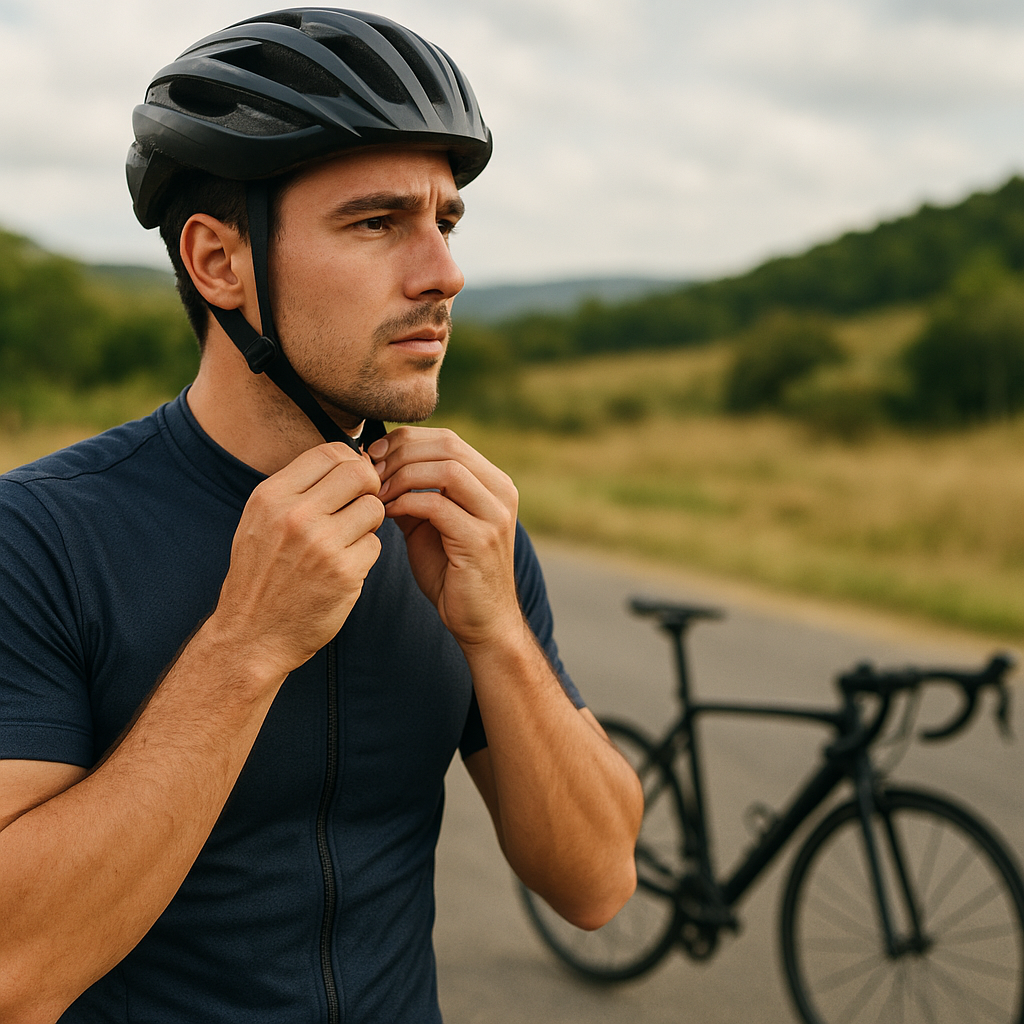
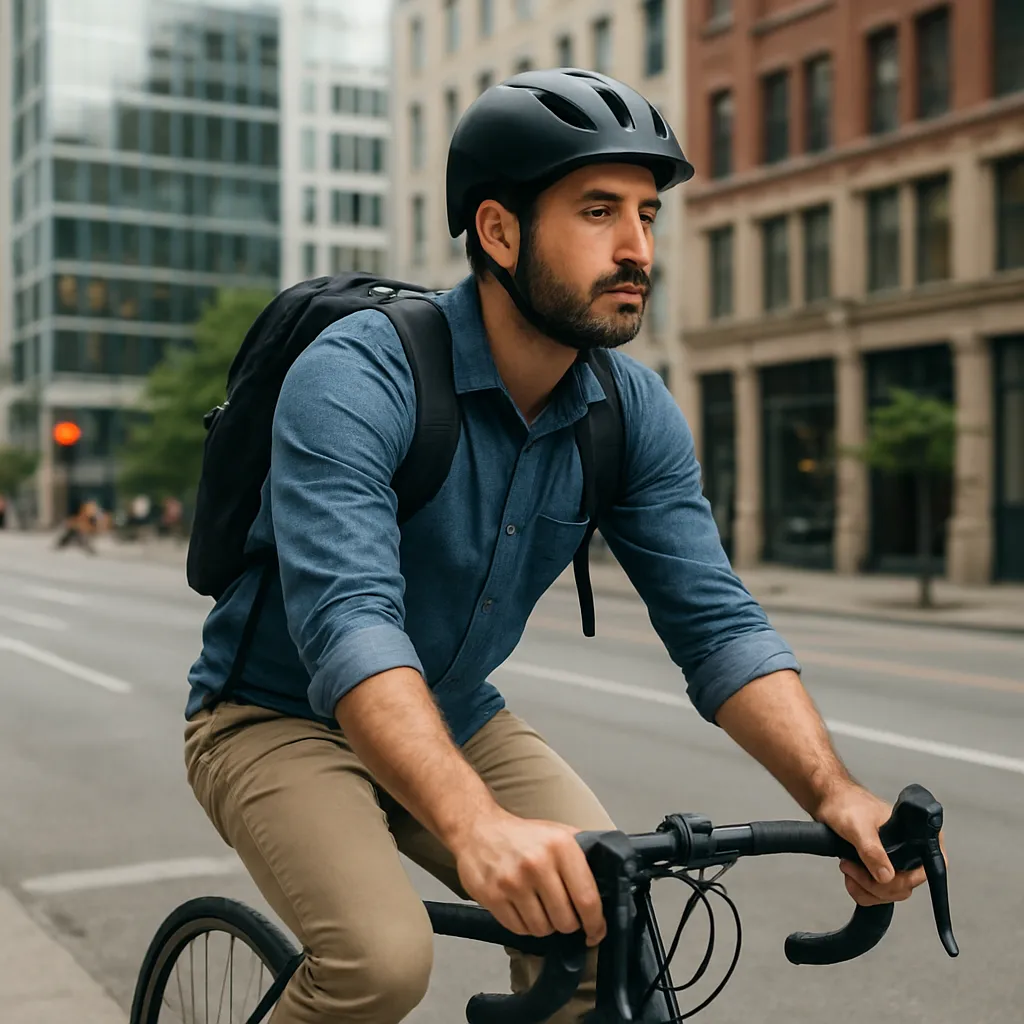
- Helmet: Choose a certified helmet that fits snugly. Inspect for cracks or damaged straps before every ride.
- Gloves with padding protect your hands from abrasions and absorb vibrations from uneven pavements.
- Knee and elbow pads may be overkill for casual rides but prove invaluable in high-traffic, unfamiliar areas.
Storage and Security
Invest in a robust lock—U-locks or heavy-duty chain locks are preferable. Always secure the frame and one wheel to an immovable object. Consider using a secondary cable lock to immobilize the other wheel or accessories.
Planning Your Route and Staying Oriented
Knowledge is empowerment on the road. A well-planned route reduces surprises, lowers stress, and minimizes sudden maneuvers that could compromise your awareness.
Utilizing Navigation Tools
- GPS-enabled cycling apps offer turn-by-turn guidance. Pre-download maps to avoid losing signal in tunnels or remote areas.
- Paper maps serve as a fail-safe. Mark key intersections, public restrooms, and repair shops before departure.
- Public transport integration (bikes on trains or buses) can bridge gaps in your route without exhausting your energy reserves.
Identifying Bicycle-Friendly Paths
- Dedicated bike lanes are not universal. Check municipal websites or local cycling forums for the latest information on lane expansions or closures.
- Shared-use paths, often found along riverbanks or parks, offer scenic and safer alternatives to busy roads.
- Be cautious of multi-use trails. Pedestrians, runners, and pets may require you to slow down and communicate clearly.
Navigating Traffic and Road Hazards
Urban streets come with dynamic challenges: cars turning, pedestrians crossing, and sudden obstacles. Cultivating defensive riding habits is key to mitigating risks and asserting your responsibility as a cyclist.
Core Riding Techniques
- Maintain a straight line and avoid weaving between cars. Predictable positioning helps drivers anticipate your movements.
- Scan the road at least 5–10 seconds ahead. Look for opening car doors, potholes, or debris.
- Use the “Dutch reach” technique when opening car doors on your left: expect drivers to swing the door into your path.
Interacting with Motor Vehicles
- At intersections without bike lanes, position yourself in the center of the lane to deter unsafe overtaking.
- Make eye contact with drivers at crosswalks or junctions. A nod or wave can confirm mutual awareness.
- Signal turns at least three seconds before your maneuver. Reinforce with hand gestures and, if available, electronic turn signals.
Enhancing Visibility and Communication
High visibility drastically reduces the chance of collisions. Effective communication with fellow road users builds trust and clarifies intent.
Lighting and Reflective Gear
- Front and rear lights are essential, regardless of daylight. Opt for USB-rechargeable LED units with multiple brightness modes.
- Reflective vests or bands on ankles increase visibility during your pedaling motion.
- Reflective tape on your frame and helmet adds passive visibility without impacting performance.
Audible Signals
- A loud, reliable bell or horn alerts pedestrians and other cyclists of your approach.
- Use a quick double-tap for “on your left” warnings on shared paths. Verbal cues like “passing” are also effective when appropriate.
Regular Maintenance and Post-ride Practices
Consistent upkeep ensures your bike remains in top condition and prevents mechanical failures mid-ride. This fosters long-term confidence and reliability.
Daily Pre-ride Checks
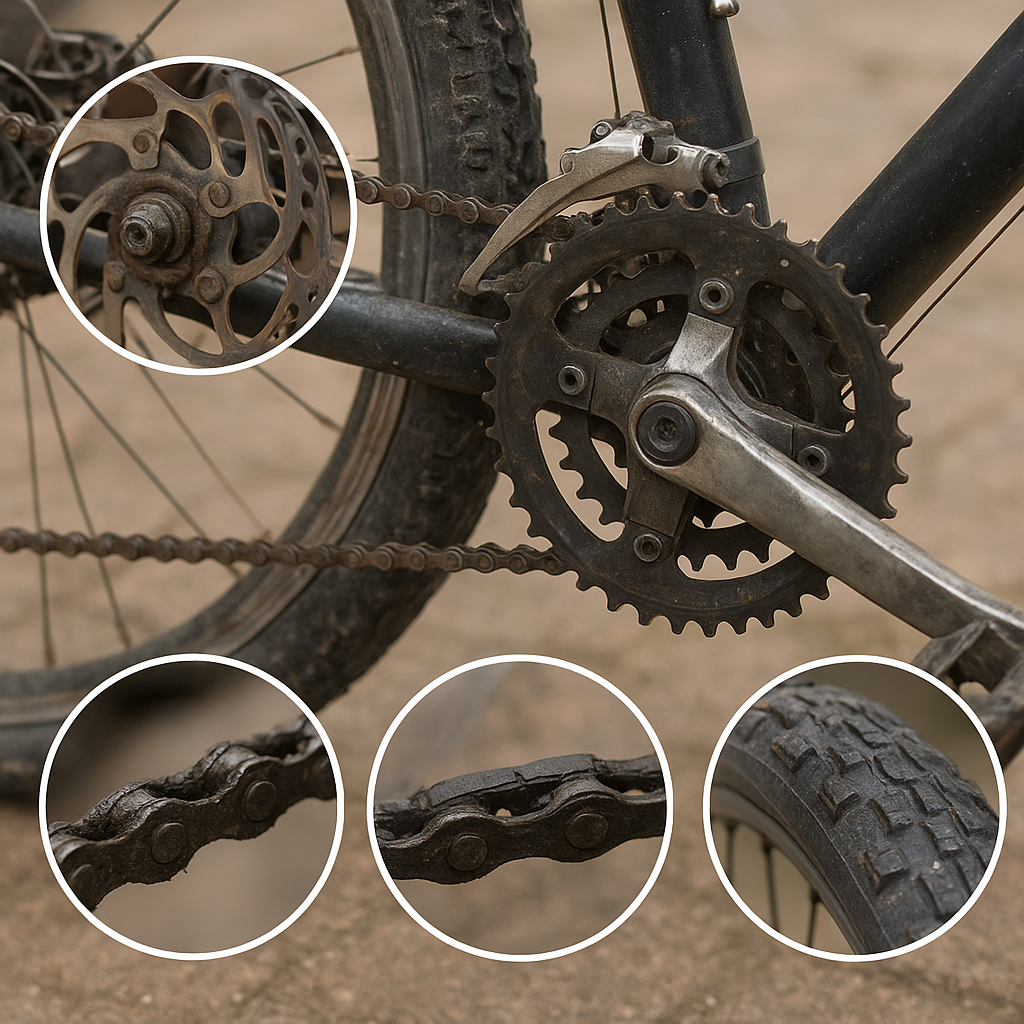
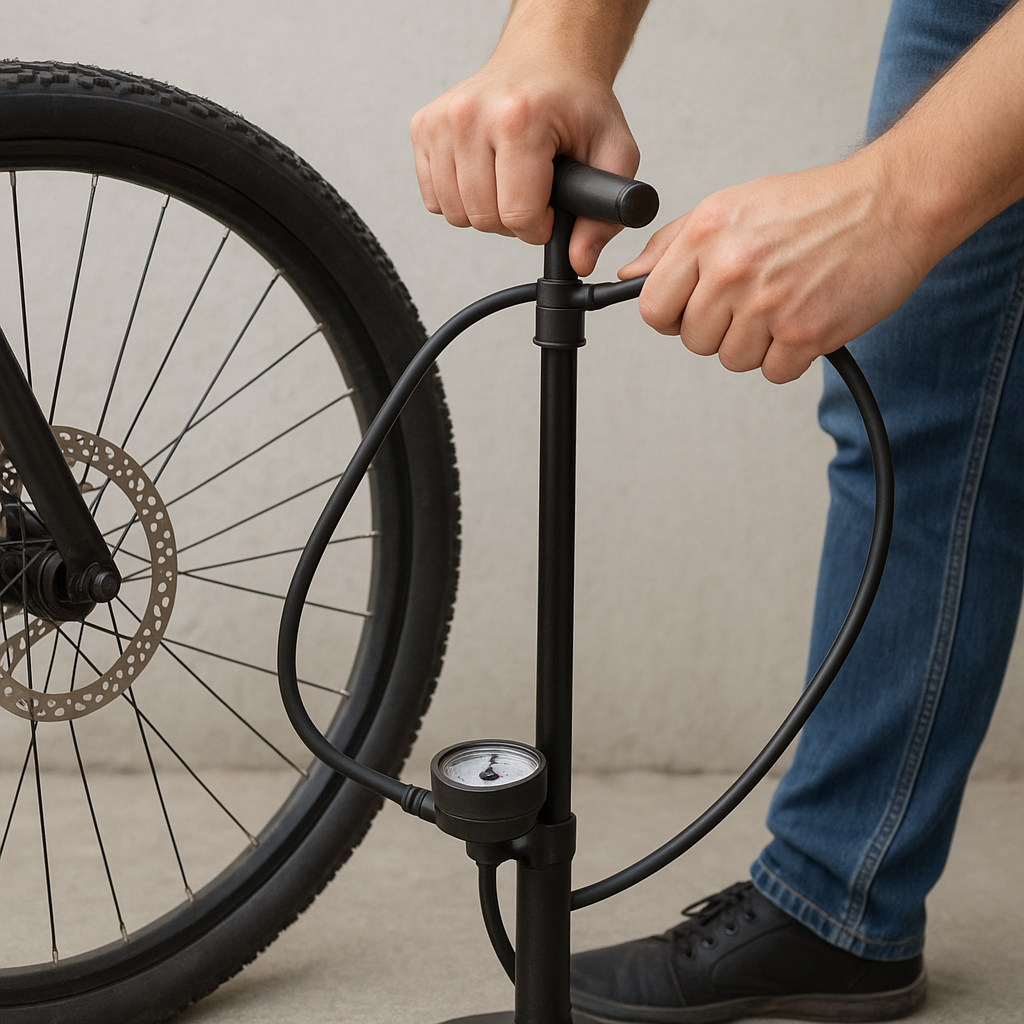
- Inspect tires for proper inflation and absence of cuts or embedded debris.
- Test brakes: ensure pads make full contact with rims or rotors without rubbing during the ride.
- Verify quick-release levers and axle nuts are secure.
Periodic Tune-ups
- Lubricate the chain every 100–150 miles to reduce wear and maintain smooth shifting.
- Adjust derailleur alignment to prevent chain skips. Misalignment can increase the likelihood of sudden gear failures.
- Wheel truing addresses wobbles that could compromise steering accuracy or cause rim brakes to rub.
Post-ride Reflection
Take notes on any unusual noises, handling quirks, or items you needed but didn’t have. These observations guide future gear upgrades and route optimizations, solidifying your role as a well-prepared cyclist.