Traveling with a bicycle opens up a world of adventure, freedom, and exploration. Whether you are flying across continents or driving to a weekend cycling event, ensuring that your bike arrives intact and ready to ride is paramount. This guide offers detailed advice on selecting the proper equipment, preparing your bike for transport, and maintaining it throughout your journey. With the right approach, you can keep your two-wheeled companion safe and enjoy every mile of your trip.
Choosing the Right Gear
Investing in specialized gear designed for bike travel is the first step toward a successful journey. Various options cater to different modes of transport, from hard-shell cases to lightweight travel packaging. Consider your itinerary, budget, and how much protection your bicycle needs before making a purchase.
- Bike Travel Case: Hard-shell models offer maximum protection for the frame and components, but they can be heavy and bulky. Choose one with customizable foam inserts to cradle your bike.
- Bike Travel Bag: Soft-sided bags are lighter and easier to store when not in use. Look for padded sections around the wheels and safety straps to secure the bicycle inside.
- Cardboard Bike Box: Often available from bicycle shops or airlines, these are budget-friendly. Reinforce corners with extra tape and add padding to prevent scratches.
- Protective Accessories: Use edge protectors for the handlebars, fork, and seatpost. Bubble wrap or foam tubing can shield delicate parts.
Preparing Your Bike for Transport
Properly preparing your bicycle minimizes the risk of damage during transit. Follow this step-by-step process to disassemble and secure each component.
1. Cleaning and Inspection
- Wash and dry the bike thoroughly to remove dirt and grime.
- Inspect for existing damage or loose bolts, and tighten or repair as needed.
2. Partial Disassembly
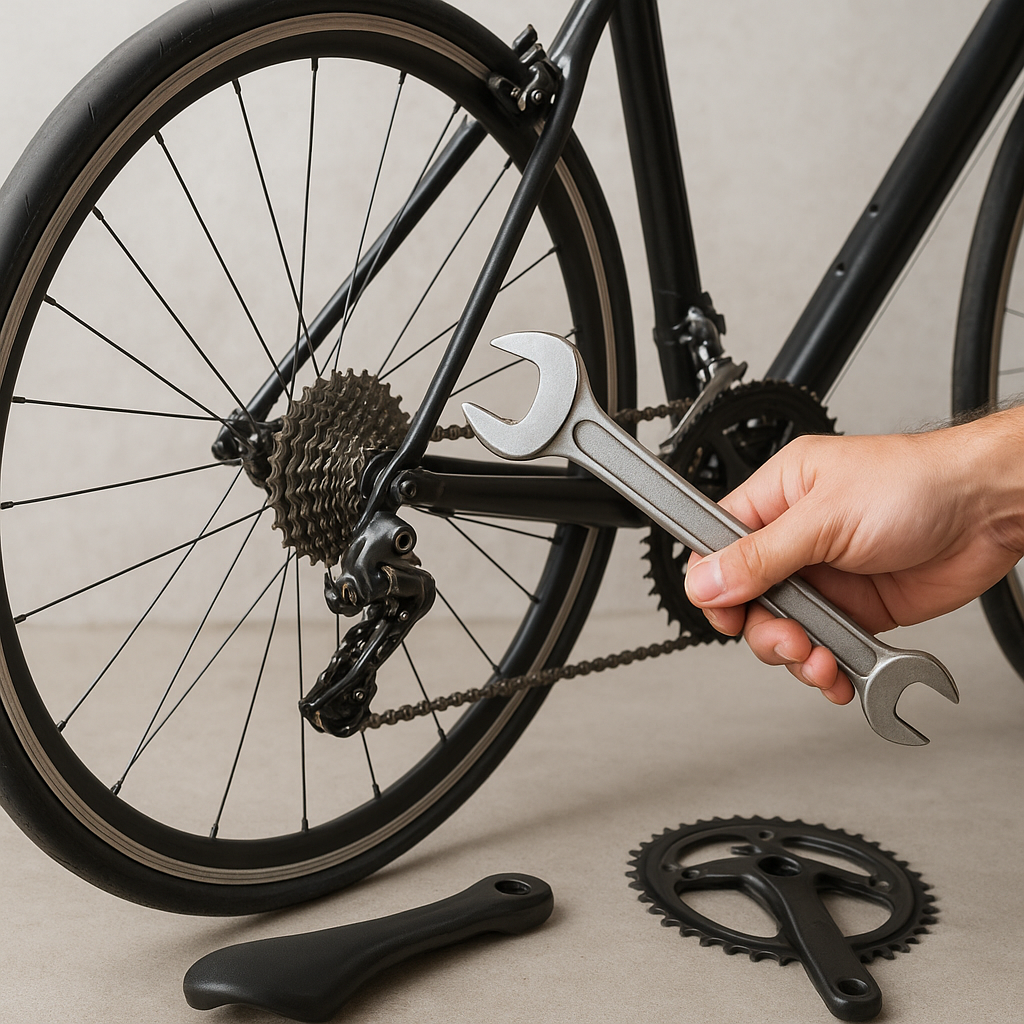
- Remove pedals and either pack them separately or leave them in place if space is limited.
- Take off the front wheel and rear wheel to reduce the package size.
- Lower or remove the seatpost and saddle for additional protection.
3. Protecting Key Components
- Wrap the frame tubes with foam tubing or cloth to prevent scratches.
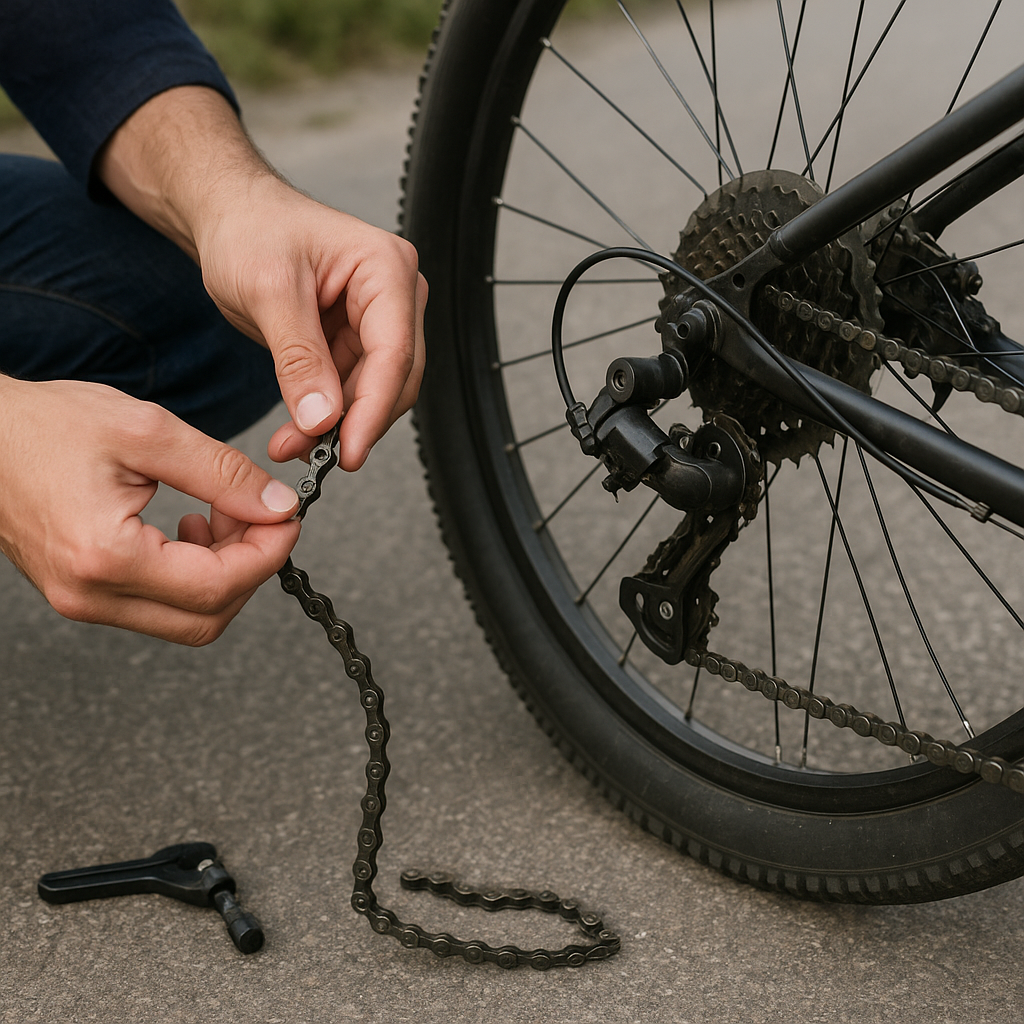
- Secure the chain and derailleur with zip ties or protective covers to avoid bending.
- Use block foam around the headset and bottoms bracket to stabilize the cockpit area.
Packing and Loading Techniques
How you pack your bicycle can make a significant difference in its condition upon arrival. Follow these recommendations for an efficient and safety-focused approach.
- Place heavier items, like cranks and tools, at the bottom of the case to lower the center of gravity.
- Ensure that no part of the bike can shift during transport by filling empty spaces with bubble wrap, foam peanuts, or towels.
- Label the travel container as “Fragile” and “This Side Up” to alert handlers.
- Document the condition of your bike with photos before packing to simplify insurance claims if damage occurs.
Dealing with Airlines and Carriers
When flying, navigating airline policies and logistics is critical to avoid unexpected fees or mishandling.
Choosing Your Airlines
- Research baggage allowances and overdimension fees for bicycles. Some airlines include sports equipment in regular allowances, while others charge a separate fee.
- Book in advance and declare your bike to guarantee space and reduce surprises at the check-in desk.
Packing Requirements
- Verify size restrictions and weight limits. Exceeding these may lead to extra charges or refusal to travel.
- Comply with regulations on removing batteries from electronic shifting or lighting systems.
Alternative Carriers
- Dedicated bike shipping companies specialize in door-to-door service, handling customs paperwork for international trips.
- Courier services often require advanced booking but can offer tracking and insurance for added peace of mind.
Insurance and Documentation
Protect your investment by securing insurance and keeping critical paperwork accessible.
- Check whether your travel insurance or homeowner’s policy covers bicycle damage or loss during transit.
- Consider a specialized sports equipment policy if you frequently travel with your bike.
- Carry receipts, serial numbers, and copies of the bike’s value documentation for customs or insurance claims.
Maintaining Your Bike During and After Travel
Even with careful packing and transport, it’s essential to reassemble and inspect your bicycle promptly upon arrival. Follow these steps for reliable performance:
- Reinstall wheels, pedals, and saddle, ensuring that all bolts are torqued to manufacturer specifications.
- Check tire pressure and look for signs of wear or impact damage.
- Test the brakes and shifting system before embarking on any significant rides.
- Perform a quick maintenance check after your first few miles to catch any issues early.
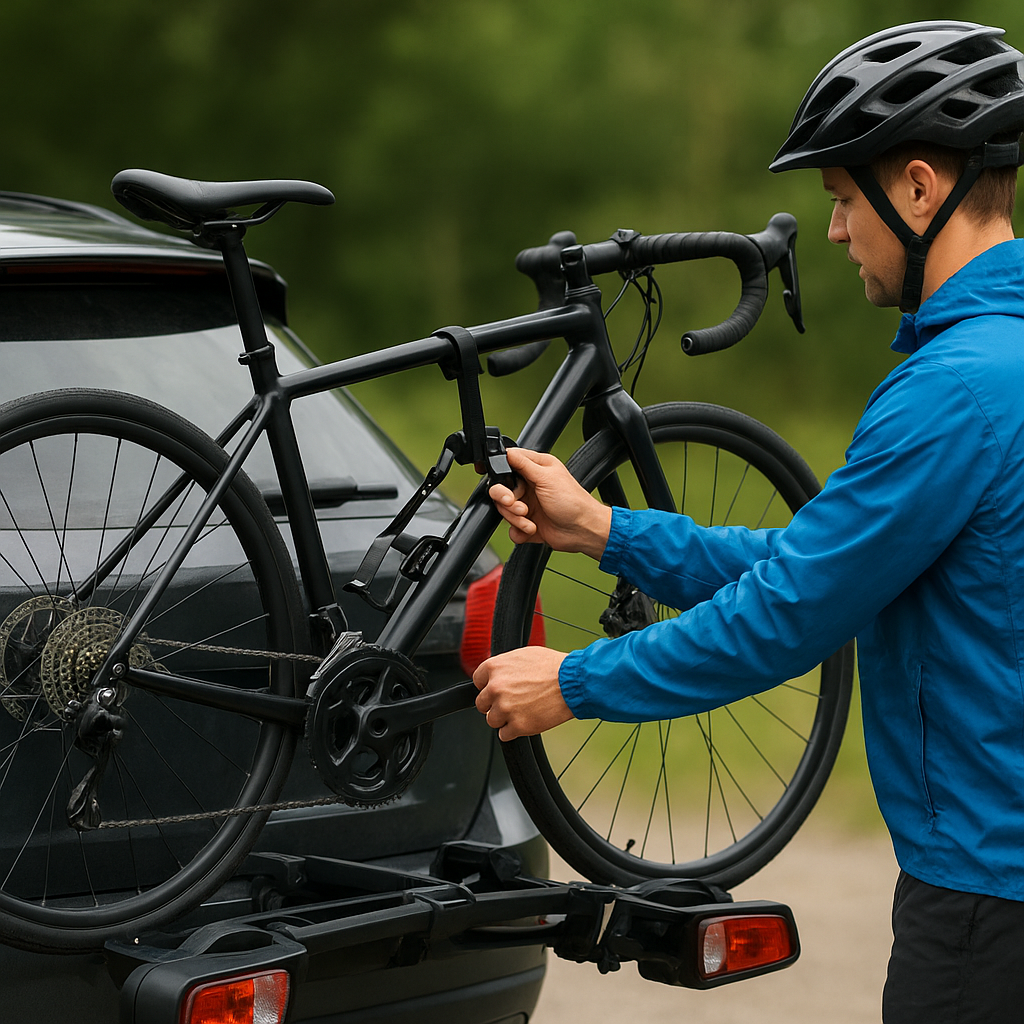
By investing in the right locks, protective cases, and following systematic packing and reassembly procedures, you can safeguard your bicycle against the rigors of travel. Whether you are flying, shipping, or driving, this guide helps you prioritize safety, minimize stress, and maximize enjoyment on your next cycling journey.