Cyclists of all levels face a range of injuries that can interrupt training, decrease enjoyment, and even lead to long-term health issues. Understanding the most frequent ailments and integrating preventive measures into your routine will keep you rolling stronger and safer. This article explores common cycling injuries, their causes, and practical strategies to minimize risk while enhancing overall performance.
Lower Limb Injuries and Prevention
Patellofemoral Pain Syndrome
Often referred to as “runner’s knee,” this condition manifests around the kneecap due to misalignment or excessive stress. Cyclists may feel a sharp ache when climbing or putting high force through the pedals. Key factors include improper bike fit and muscle imbalances in the quadriceps and hip stabilizers. To address this:
- Verify saddle height and fore-aft position with a professional fitting.
- Incorporate targeted strengthening exercises for the vastus medialis obliquus (VMO) and gluteus medius to improve tracking.
- Perform controlled stretching routines focused on the iliotibial band and hip flexors.
Achilles Tendinopathy
Repeated pedaling can overload the Achilles tendon, causing pain above the heel. Contributing factors are sudden increases in training volume, excessively low saddle position, and tight calf muscles. Prevention strategies include:
- Gradual progression in mileage and intensity to avoid overuse injuries.
- Foam-rolling and dynamic calf stretches before and after rides.
- Adjusting cleat position slightly forward to reduce tendon strain.
Foot Numbness and Metatarsalgia
Numbness or burning in the ball of the foot arises from compression of nerves or improper load distribution. Bright signs include tingling during long climbs or sprints. To alleviate:
- Ensure shoes fit well, with enough room in the toe box.
- Experiment with insoles that support the longitudinal arch.
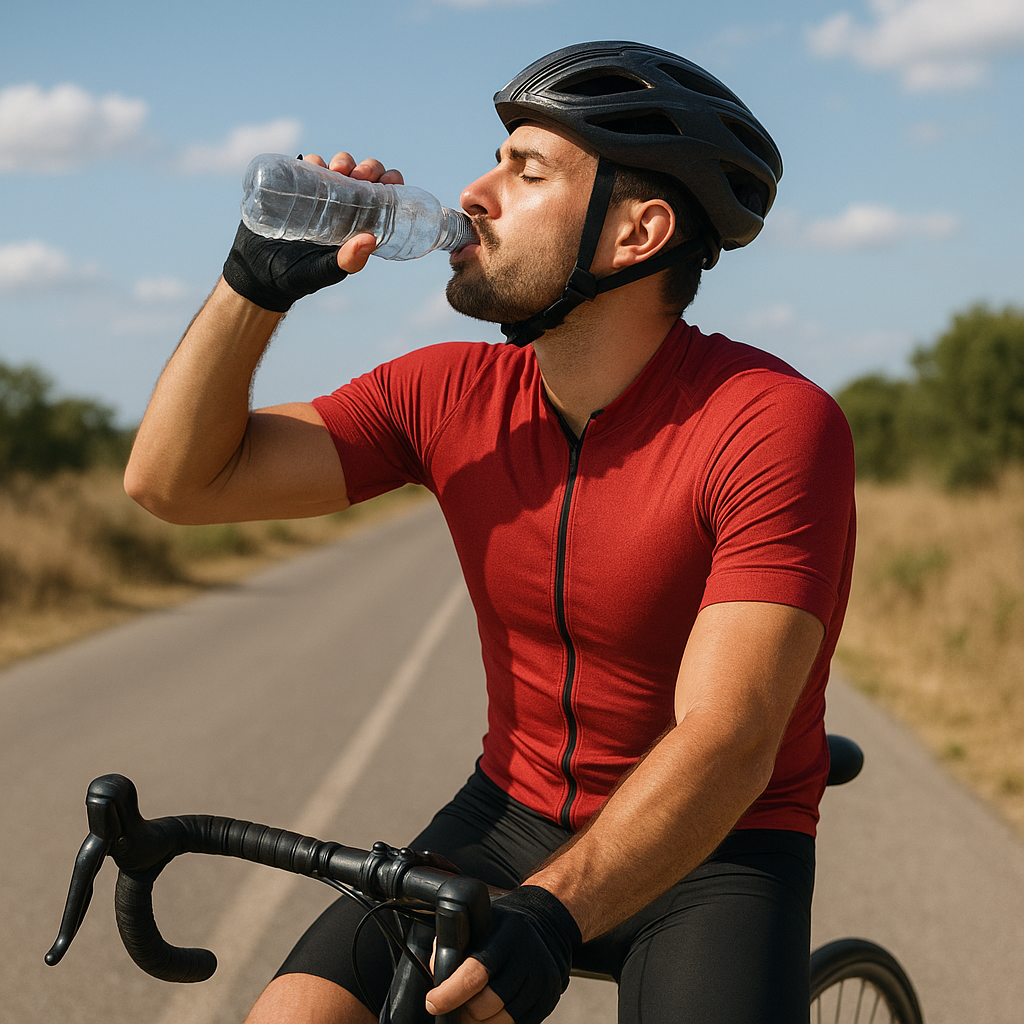
- Keep the feet moving subtly during long stints to promote circulation and maintain hydratation—dehydration can exacerbate numbness.
Upper Limb Injuries and Prevention
Neck and Upper Back Strain
Aggressive aerodynamic positions can lead to muscle tension across the cervical and thoracic spine. Symptoms include stiffness, headaches, and reduced range of motion. To combat this:
- Perform daily mobility drills targeting the neck and shoulder blades.
- Build endurance in the core muscles and scapular stabilizers to share the load.
- Raise the handlebar height or adjust stem length for a more comfortable reach.
Wrist and Hand Numbness (Cyclist’s Palsy)
Prolonged pressure on the ulnar nerve causes tingling or weakness in the ring and little fingers. Improper hand placement and a rigid grip amplify risk. Preventive tips include:
- Vary hand positions frequently (drops, hoods, tops).
- Invest in padded gloves or bar tape with better shock absorption.
- Maintain relaxed grip and avoid locking the elbows to enhance compliance with proper wrist ergonomics.
Overuse and Impact Injuries
Lower Back Pain
Persistent lumbar discomfort stems from poor posture, weak posterior chain, and mismatched bike geometry. Riders often experience soreness after long rides or intense efforts. Key defensive actions:
- Integrate back extensions and bird-dog exercises into weekly strength sessions.
- Ensure saddle tilt is neutral—excessive nose down or up can shift stress to the lower back.
- Monitor weekly training stress to avoid spikes that aggravate chronic symptoms.
Impact-Related Bruises and Abrasions
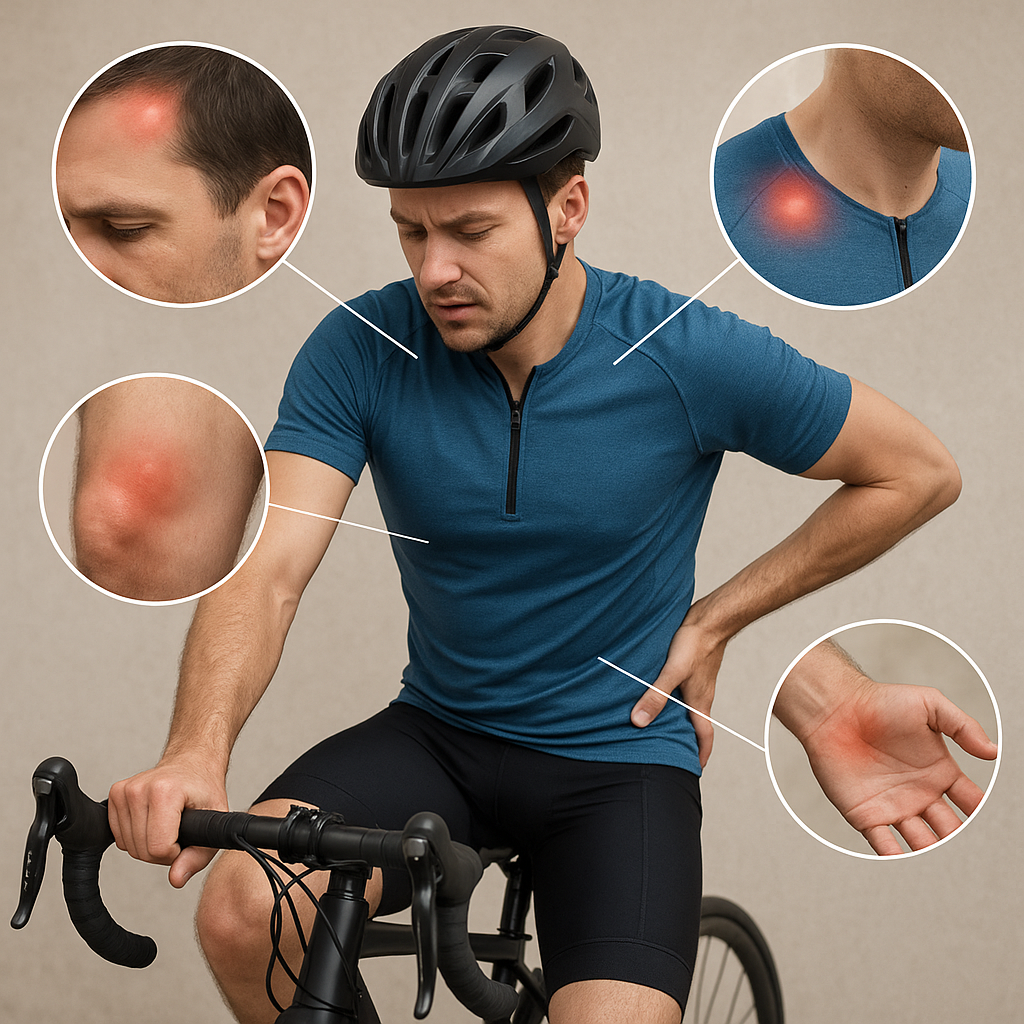
Falls or collisions are inevitable in groups or off-road scenarios. While minor scrapes heal quickly, joint contusions and road rash require immediate attention. Safety guidelines include:
- Always wear a helmet and consider elbow/knee pads on gravel or mountain bike outings.
- Carry a compact first-aid kit with antiseptic wipes and adhesive bandages for prompt wound care.
- Choose protective gear constructed from breathable, impact-resistant materials to minimize injury severity.
Ergonomic Adjustments and Training Strategies
Professional Bike Fitting
A comprehensive fit addresses saddle height, handlebar reach, cleat alignment, and frame size to optimize rider comfort and power transfer. Skilled fitters evaluate flexibility, riding style, and injury history to fine-tune every contact point. Benefits include:
- Enhanced pedaling efficiency through ideal joint angles.
- Reduced mechanical stress on soft tissues and joints.
- Improved long-term adherence to training with fewer setbacks.
Strength and Conditioning
Targeted gym work supports on-bike performance and resilience to injury. A balanced program encompasses:
- Lower-body strength: squats, deadlifts, and lunges for robust pedal strokes.
- Upper-body endurance: push-ups, rows, and shoulder stabilization for improved handlebar control.
- Core stability: planks and anti-rotation movements to preserve spinal alignment during intense efforts.
Recovery and Nutrition
Quality rest and fueling play pivotal roles in tissue repair and adaptation. Include these habits:
- Prioritize sleep and schedule active recovery rides on low-intensity days.
- Consume a balanced diet with lean protein, complex carbohydrates, and healthy fats to support muscle repair.
- Maintain muscle balance by alternating hard days with mobility work and light cross-training activities like swimming or yoga.