Cycling enthusiasts continually search for tools that elevate every ride from a simple workout to an immersive adventure. With the right app, riders can monitor their progress, discover new routes, and connect with a vibrant community. This article explores leading mobile applications designed for cyclists, offering insights into their most valuable features and guidance on choosing the ideal solution for your two-wheeled journeys.
Overview of Cycling Apps
The landscape of cycling applications has expanded rapidly, fueled by innovations in smartphone navigation, wearable technology, and social networking. Modern cyclists can tap into precise GPS tracking, real-time performance analytics, and interactive route recommendations. These tools serve multiple purposes: they encourage safer rides, foster friendly competition, and provide detailed post-ride breakdowns. Whether you’re a casual weekend rider or a dedicated athlete preparing for endurance events, there’s an app tailored to meet your unique preferences and goals.
Key Features to Consider
When evaluating cycling apps, focus on a handful of core attributes that truly enhance the experience:
- GPS accuracy: High-precision tracking is essential for mapping routes and measuring distances.
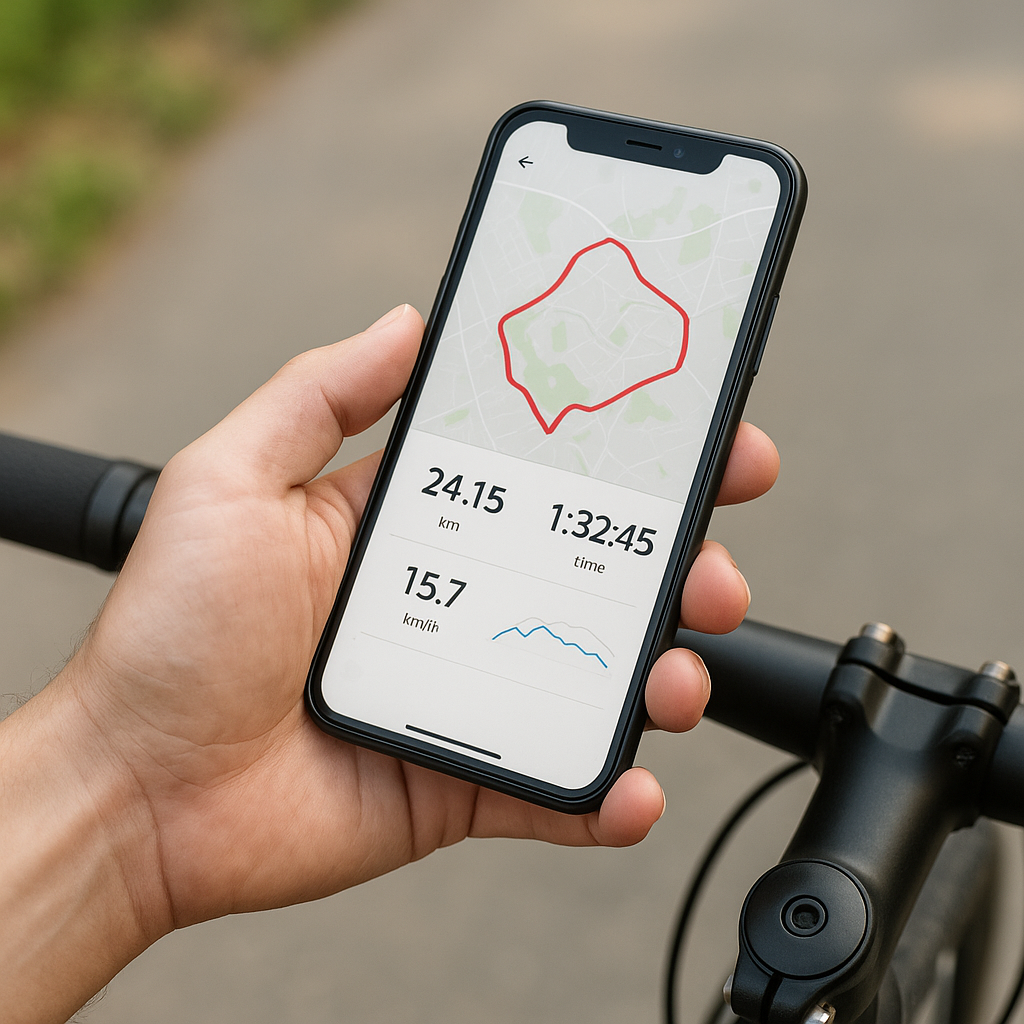
- Performance metrics: Detailed stats like speed, elevation gain, and power output help optimize your training.
- Community engagement: Leaderboards, challenges, and social feeds boost motivation by fostering friendly competition.
- Route planning: Smart suggestions, heat maps, and turn-by-turn voice guidance keep you on track.
- Integration with devices: Compatibility with heart rate monitors, smart trainers, and bike computers extends the usefulness of data.
- Safety features: Incident detection, live location sharing, and emergency contacts can be lifesaving on remote paths.
- Offline maps: Downloadable maps ensure seamless navigation in areas with limited connectivity.
- Segments and challenges: Breaking routes into performance-based segments encourages personal bests and competitive spirit.
Top Cycling Apps in 2023
Strava
Strava remains the most widely adopted platform for cyclists seeking comprehensive analytics and robust social features. It stands out with its:
- Segment leaderboards that let you compare times on specific climbs and sprints.
- Community challenges that reward consistency and encourage exploration.
- Integration with countless devices, from GPS head units to smart trainers.
- Detailed heat maps revealing popular roads and trails worldwide.
Whether you’re training for a gran fondo or simply want to track your morning spins, Strava’s intuitive interface and global community foster both motivation and accountability.
Komoot
Komoot excels at route discovery and offline navigation, catering especially to touring cyclists and mountain bikers. Key highlights include:
- Hyperlocal surface and difficulty data to tailor routes for road, gravel, or singletrack rides.
- One-time map purchases with unlimited offline downloads—ideal for long distance or remote expeditions.
- Turn-by-turn voice prompts that function even when phone screens are locked.
- Community-sourced highlights marking scenic viewpoints, cafes, and service stations.
By focusing on navigation quality and personalized route recommendations, Komoot transforms every ride into a tailored adventure.
MapMyRide
Under the umbrella of Under Armour, MapMyRide integrates well with fitness gear and wearables, presenting features such as:
- Real-time audio coaching tailored to your pace and heart rate.
- Workout plans designed by professional trainers to build endurance or boost speed.
- Extensive exercise library connecting rides to cross-training activities.
- Nutrition logging and analysis to help balance energy intake for longer outings.
This app is perfect for cyclists aiming for structured training regimens and holistic fitness management.
Tips for Maximizing App Usage
To extract the utmost value from any cycling app, consider these practical strategies:
- Calibrate your sensors regularly—ensure your speed and cadence data remain precise for accurate performance assessment.
- Explore local segment leaderboards to set short-term goals and maintain a sense of competition.
- Share post-ride summaries with friends or online groups. Public accountability can sustain long-term motivation.
- Experiment with different map layers—satellite, terrain, and heat maps—to discover hidden paths and low-traffic roads.
- Integrate weather forecasts and wind data to plan rides when conditions are most favorable for safety and comfort.
- Utilize incident alerts and live tracking features when venturing into isolated areas, enhancing on-road safety.
- Regularly review your historical data to spot trends in power output, cadence efficiency, and average speed.
- Participate in virtual group rides or challenges to engage with a supportive community and stave off mid-season slumps.
- Sync cycling apps with nutrition or wellness platforms to correlate ride performance with diet and recovery practices.
- Customize notifications—receive alerts for workout milestones, message alerts from training partners, or reminders to hydrate mid-ride.
Future Trends in Cycling Technology
As wearable devices and connected bikes continue to evolve, expect further innovations that seamlessly blend hardware and software. Emerging features include:
- Advanced AI-driven route prediction that anticipates rider fatigue and dynamically adjusts course difficulty.
- Augmented reality overlays for helmet visors, displaying turn-by-turn prompts and live performance metrics without requiring a glance at your phone.
- Enhanced integration with smart city infrastructure, allowing apps to access live traffic signals and route cyclists through dedicated greenways.
- Machine learning models analyzing thousands of rides to recommend optimal training loads and prevent overuse injuries.
By staying informed about these advancements, cyclists can proactively adapt their digital toolkits to gain competitive edges and deepen their appreciation for every pedal stroke.