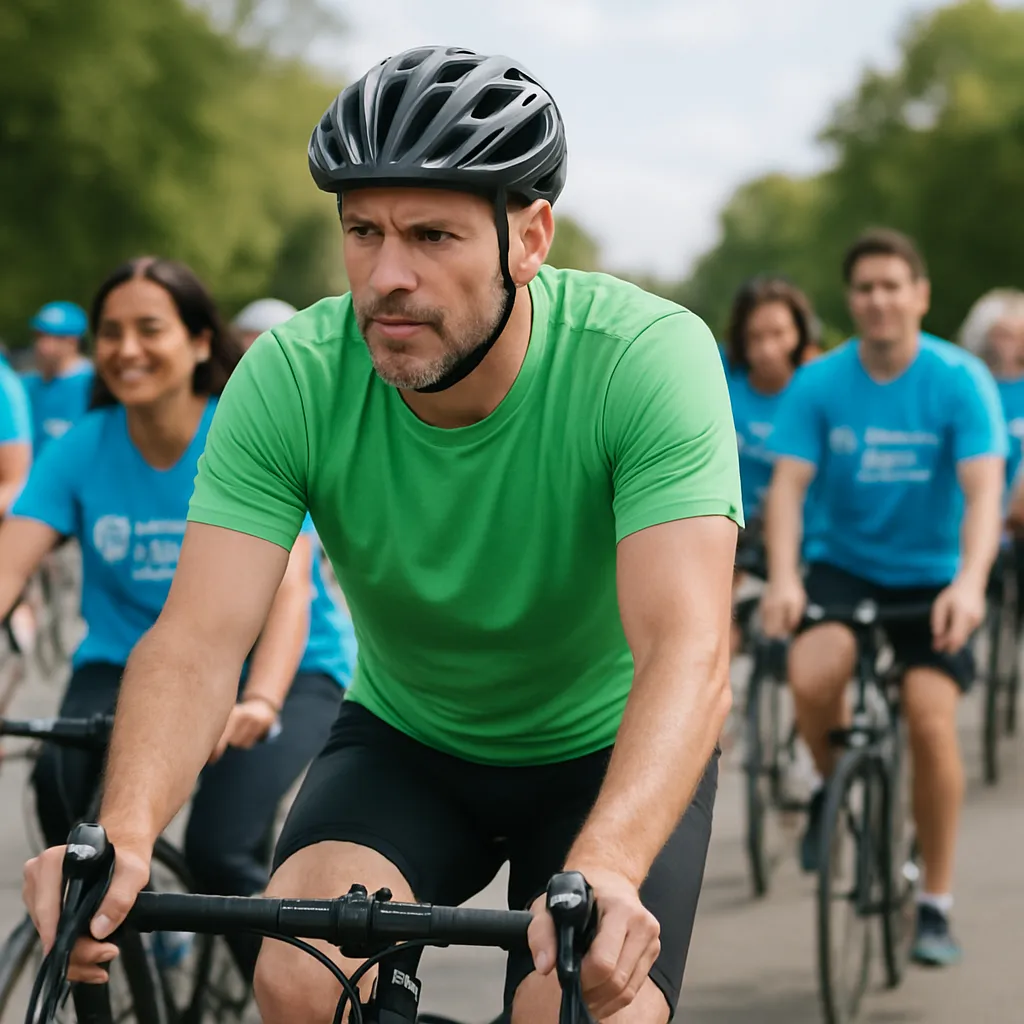
Proper cycling nutrition can transform an ordinary ride into an exceptional performance. Whether you’re a weekend warrior or a seasoned racer, understanding what to eat before and after your ride can boost endurance, optimize recovery, and improve overall performance. This article explores the science of fueling on two wheels, covering meal planning, key nutrients, hydration strategies, and timing techniques to keep you at your best from the first pedal stroke to the final cooldown.
Before the Ride: Laying the Foundation
Eating well before a ride is about more than avoiding hunger pangs. It’s about topping up your glycogen stores (the body’s preferred source of riding energy), stabilizing blood sugar, and providing sufficient carbohydrates and protein to support muscle function. Aim to consume a balanced meal 2–3 hours before heading out.
Essential Macronutrients
- Carbohydrates: Whole grains, fruits, and starchy vegetables as primary fuel.
- Proteins: Lean sources such as chicken, tofu, eggs or Greek yogurt for muscle support.
- Healthy fats: Avocado, nuts, and olive oil in moderate amounts to aid satiety and nutrient absorption.
Sample Pre-Ride Meals
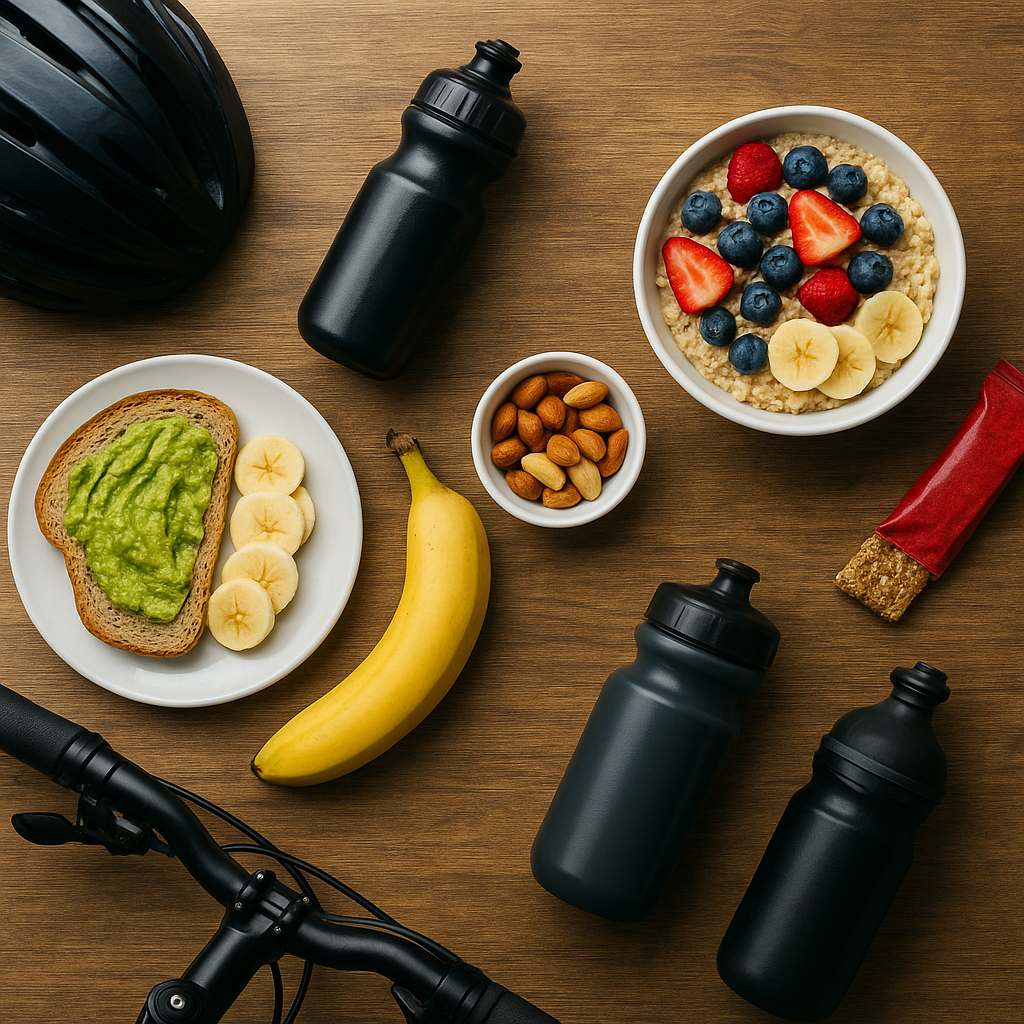
- Oatmeal topped with banana slices and a drizzle of honey, plus a side of low-fat cottage cheese.
- Whole grain toast with nut butter, sliced strawberries, and a small handful of almonds.
- Brown rice bowl with grilled chicken, steamed broccoli, and a splash of olive oil.
If you’re tight on time, consider a quick smoothie blending spinach, oats, Greek yogurt, and berries 60 minutes before your start. This liquid option reduces digestive load while still delivering key nutrients.
During the Ride: Sustaining Effort
Long rides or high-intensity intervals demand ongoing fuel. The goal is to maintain stable energy levels and prevent depletion of glycogen. For efforts lasting longer than 90 minutes, aim to consume 30–60 grams of carbs per hour. Smaller rides under an hour may simply require water and electrolytes for adequate performance.
Quick Fuel Options
- Energy gels or chews: Easy to carry and fast-absorbing.
- Bananas or dates: Natural sources of glucose and potassium.
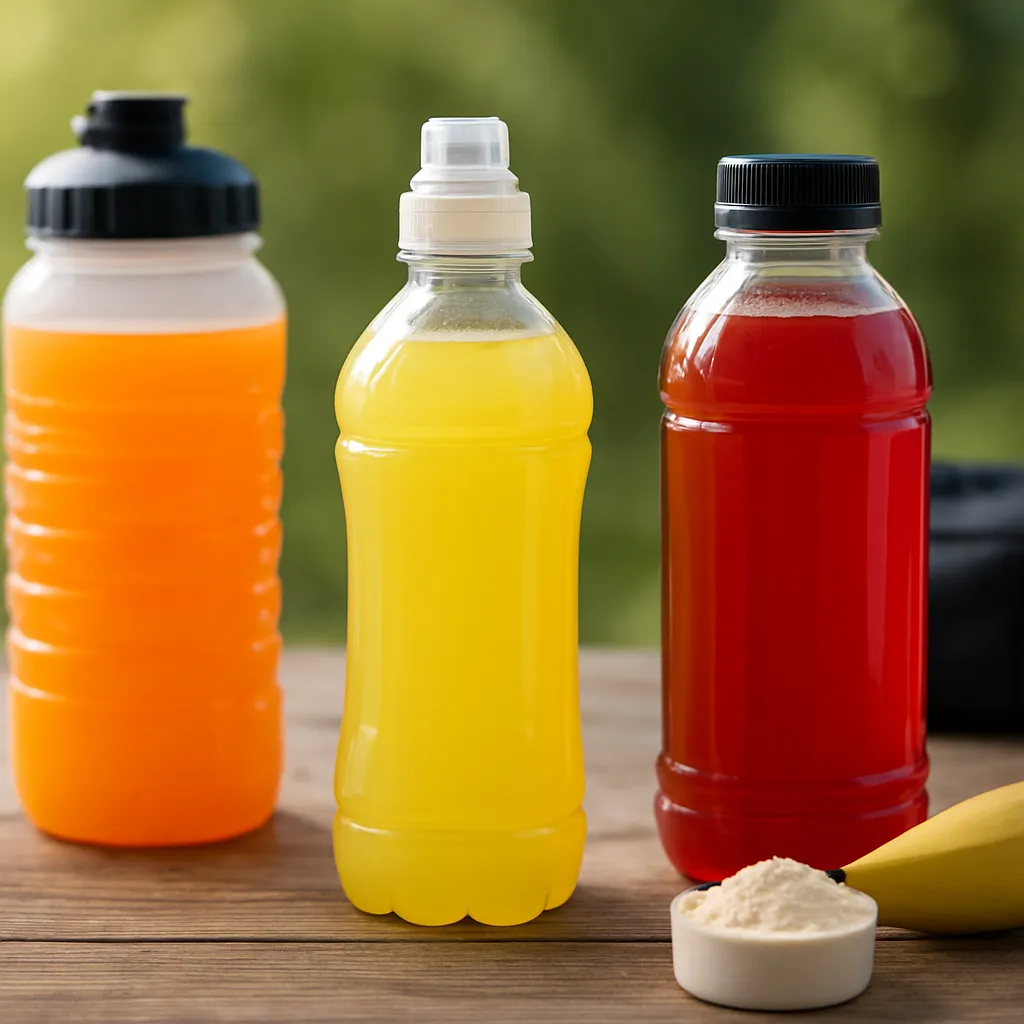
- Sports drinks: Provide fluid, electrolytes, and carbs in one refreshing package.
Hydration Guidelines
- Drink 500–750 ml of fluid in the two hours before riding.
- During the ride, aim for 150–250 ml every 15–20 minutes, adjusting for heat and intensity.
- Monitor urine color post-ride to assess hydration status.
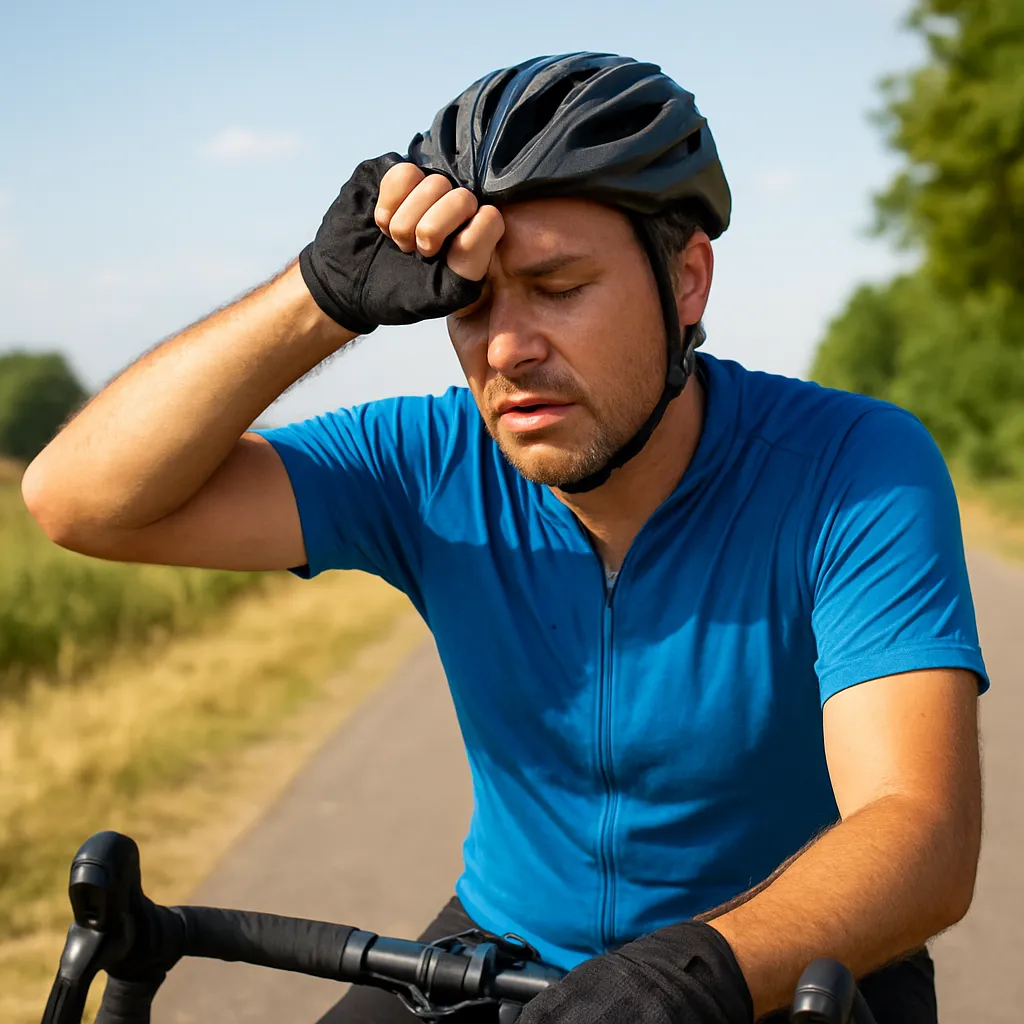
Under hot conditions, increase electrolyte intake to replace sodium lost through sweat. Consider adding a pinch of sea salt to your water bottle or using a specialized hydration powder.
After the Ride: Maximizing Recovery
The post-ride window is critical for repairing muscle tissue, refilling glycogen, and reducing inflammation. Focus on a 3:1 ratio of carbohydrates to protein within 30–60 minutes post-exercise. This nutrient timing strategy accelerates recovery and prepares you for your next training session.
Ideal Recovery Foods
- Chocolate milk: Convenient mix of carbs and high-quality protein.
- Rice bowl with black beans and shredded chicken, topped with avocado.
- Protein smoothie with banana, whey protein, and almond milk.
Hydration and Electrolyte Replenishment
- Water alone may not suffice; include electrolytes to restore sodium, potassium, and magnesium.
- Coconut water: Natural source of potassium.
- Sports recovery drinks or homemade electrolyte solutions.
Nutritional Adjustments for Ride Types
Every ride is unique. Tailoring your nutrition strategy to the length and intensity of your outing helps you achieve optimal results.
Short, High-Intensity Sessions
- Focus on a light snack 30–60 minutes before, such as a banana with almond butter.
- Mainly water during exercise; small sips of electrolyte beverage if sweating heavily.
- Post-ride shake with 20–25 grams of protein to support muscle repair.
Endurance and Ultra Rides
- Pre-ride: A larger, carb-rich meal 3 hours before start.
- During: 60–90 grams of carbs per hour from a mix of solids (bars, bananas) and liquids.
- Electrolyte replacement critical; consider capsules or dissolvable tablets.
Back-to-Back Ride Days
- Prioritize recovery nutrition: extra protein and anti-inflammatory foods like berries and leafy greens.
- Increase total daily caloric intake by 10–20% to compensate for additional energy expenditure.
- Focus on quality sleep and active recovery (easy spins, stretching).
Common Mistakes and How to Avoid Them
Many cyclists underestimate the importance of consistent fueling and hydration. Common pitfalls include skipping breakfast before a morning ride, relying solely on water, and neglecting recovery nutrition. To avoid these issues, plan your meals, carry convenient snacks, and set reminders for drinking and refueling during long rides.
- Neglecting pre-ride dinner: Aim for lean protein, complex carbs, and vegetables the night before a big ride.
- Overloading on fats pre-ride: Too much can slow digestion and cause gastric discomfort.
- Ignoring electrolyte needs: Salty sweaters should replace sodium aggressively to prevent cramps.
Integrating Supplements Wisely
While whole foods should form the basis of your diet, certain supplements can enhance recovery and performance. Popular options include whey protein, branched-chain amino acids (BCAAs), creatine, and beta-alanine. Always test any supplement in training before using it in competition to gauge tolerance and effectiveness.
- Whey protein: Fast-absorbing source of amino acids for post-ride repair.
- BCAAs: May reduce muscle soreness after intense efforts.
- Creatine: Supports short bursts of high power output.
- Beta-alanine: Buffers muscle acidity during sustained high-intensity efforts.
Consult with a sports nutritionist if you plan to integrate multiple supplements, ensuring they complement your overall diet and training goals.