The Tour de France stands as one of the most significant events in cycling history, reflecting over a century of remarkable stories and achievements. Its evolution from a modest race conceived to boost newspaper sales to a global sporting phenomenon highlights the profound impact that **innovation**, **strategy**, and sheer **endurance** have had on both athletes and fans. Exploring its journey offers insight into how sports, technology, and culture intertwine.
Early Origins and Founding
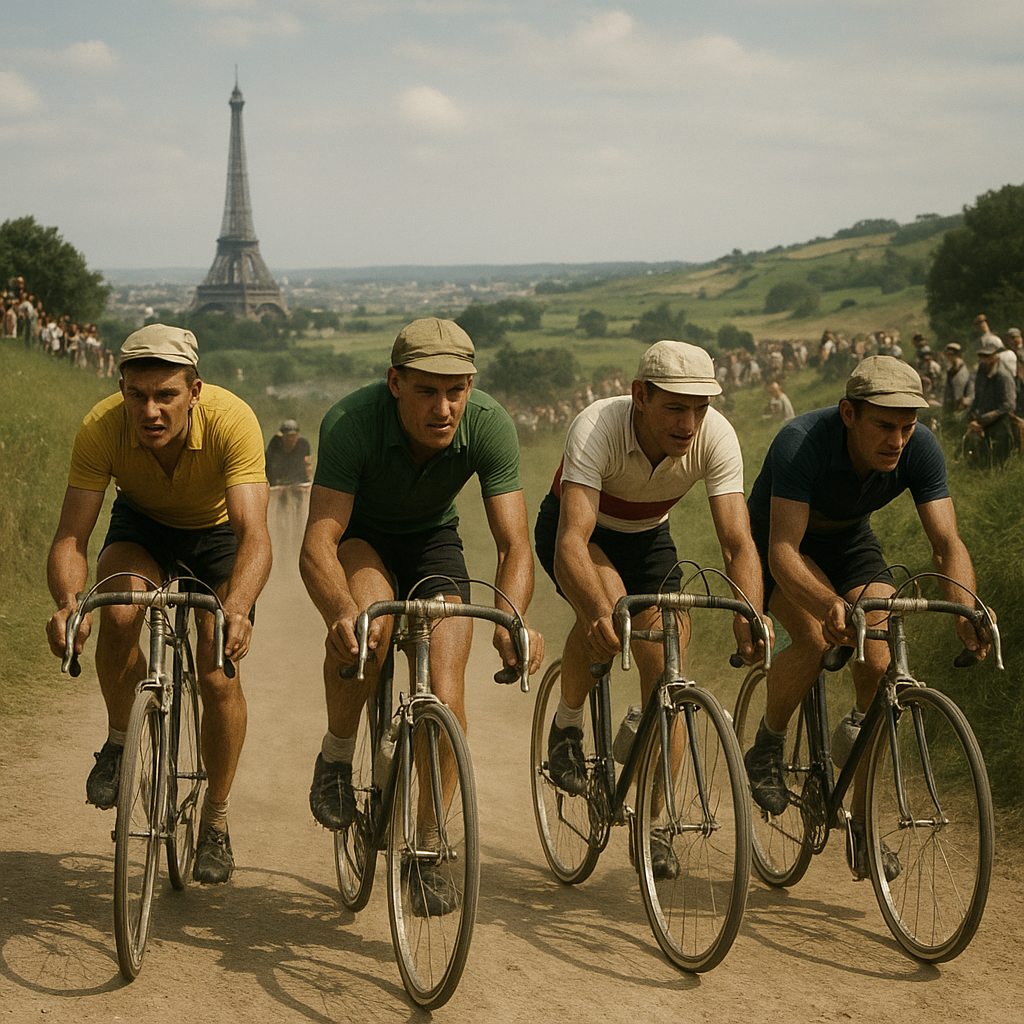
In 1903, newspaper editor Henri Desgrange sought a way to increase circulation of his modestly circulating sports paper. He conceived a multi-stage bicycle race taking riders across the varied landscapes of France. The inaugural route spanned 2,428 kilometers over six stages, challenging competitors with rough roads and minimal support. Riders navigated terrain with single-speed bikes and basic equipment while relying on local inns and public fountains for refreshments.
- Legendary feats: Maurice Garin claimed victory, showcasing exceptional resilience.
- Media spectacle: Hundreds of journalists camped roadside, providing early examples of sports reporting.
- Yellow Jersey debut: In 1919, organizers introduced a bright jersey to distinguish the overall leader.
The earliest editions created a foundation of fierce **competition**, forging future traditions such as mass starts, team tactics, and distinctive jerseys. Riders endured days exceeding 400 kilometers, often pedaling through the night. This began a tradition of testing human limits against challenging landscapes, laying groundwork for the event’s prestige.
Expansion and the Golden Era
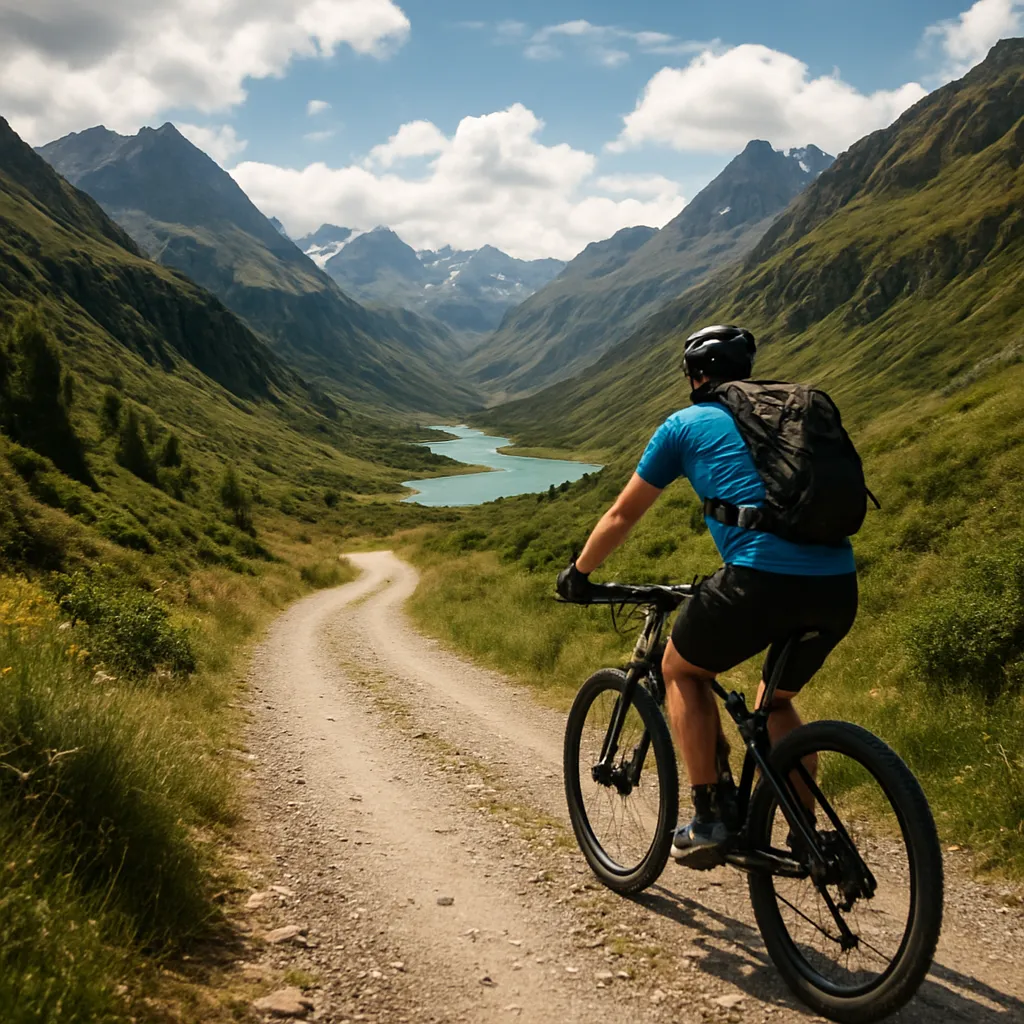
As the 20th century advanced, the Tour expanded its reach and reputation. Iconic climbs in the Alps and Pyrenees—such as L’Alpe d’Huez and Col du Tourmalet—became synonymous with heroic attacks and dramatic ascents. Legendary figures like Jacques Anquetil, Eddy Merckx, and Bernard Hinault cemented their status as **champions**, each leaving indelible marks on cycling lore.
Technological Progress
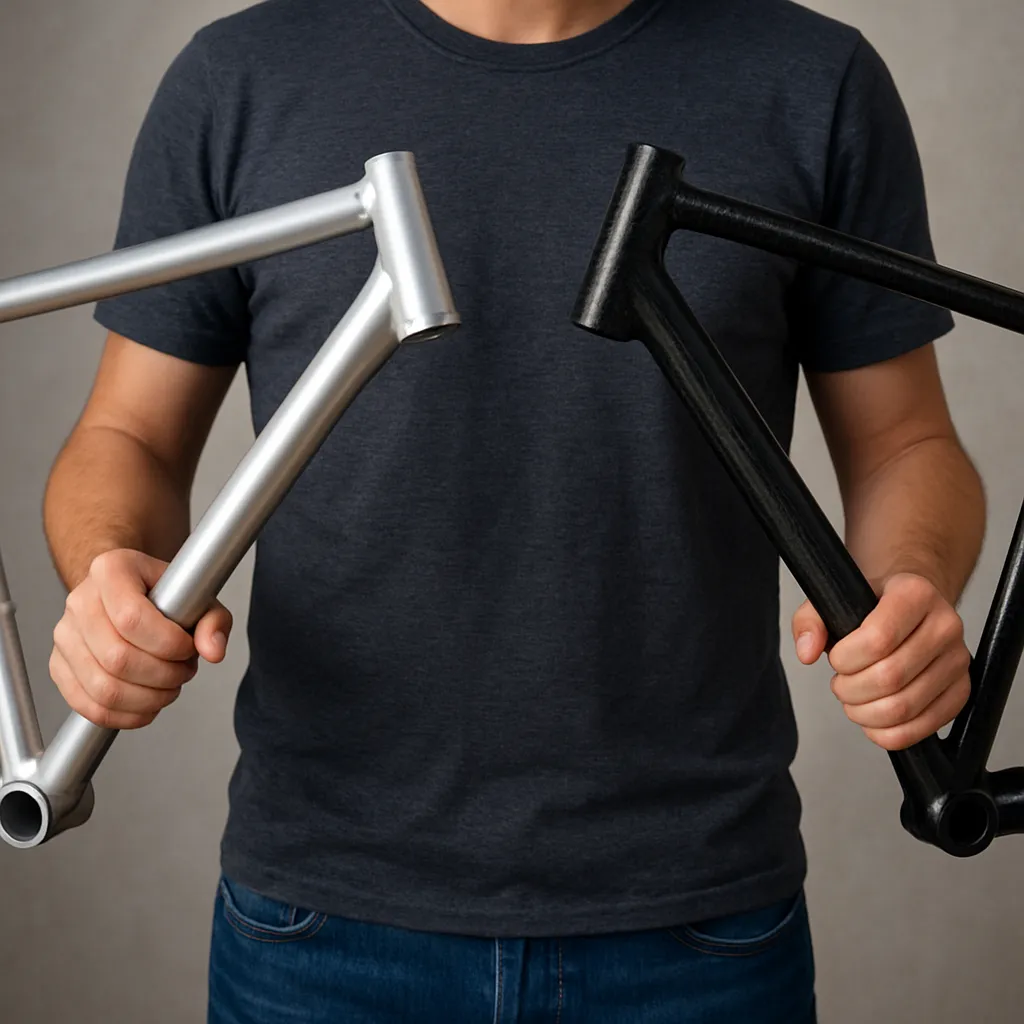
- Frame materials: Transition from heavy steel to lighter **technology** like aluminum and carbon fiber.
- Gear systems: Introduction of derailleur gears in the 1930s revolutionized climbing and sprinting tactics.
- Aerodynamics: In the 1980s, wind-tunnel research optimized rider positions and equipment.
These innovations influenced race **strategy** profoundly. Teams employed domestiques to protect their leader, while time trial specialists battled the clock in individual and team events. The arrival of television coverage in the 1950s and live radio broadcasts amplified the Tour’s appeal, connecting **spectators** worldwide with real-time drama.
Interrupted by Conflict
World Wars I and II forced cancellations, suspending the Tour for a combined eleven years. Yet, post-war editions saw triumphant returns, uniting a recovering Europe. The 1947 Tour marked a symbolic renewal, with crowds lining roads to celebrate freedom and resilience. Riders from war-torn nations competed side by side, underlining sport’s capacity to heal divisions.
Modern Tour de France
In recent decades, the Tour de France has grown into a grand spectacle blending tradition with innovation. Stages traverse multiple countries, starting in far-flung host cities and concluding on the Champs-Élysées in Paris. Organizers craft routes that test all facets of elite riding: time trials, mountain climbs, and high-speed sprints.
Doping and Reforms
As performance standards rose, the Tour confronted controversies around performance-enhancing drugs. High-profile scandals in the 1990s and early 2000s prompted stricter anti-doping measures and biological passports, reinforcing fair play and athlete health.
Globalization and Diversity
- International riders: Champions now hail from diverse nations, including the United States, Australia, Colombia, and Great Britain.
- Women’s cycling: Development of parallel events and greater visibility for female athletes.
- Environmental concerns: Initiatives to reduce race carbon footprint through sustainable logistics.
Throughout its history, the Tour’s core values of **tradition**, courage, and innovation remain steadfast. Fans gather roadside or tune in via digital platforms, celebrating moments when riders conquer hairpin bends, endure grueling Alpine ascents, or chase victory in Paris. Each edition writes new pages in a saga defined by **mountain** battles, tireless teamwork, and the unyielding spirit of human ambition.