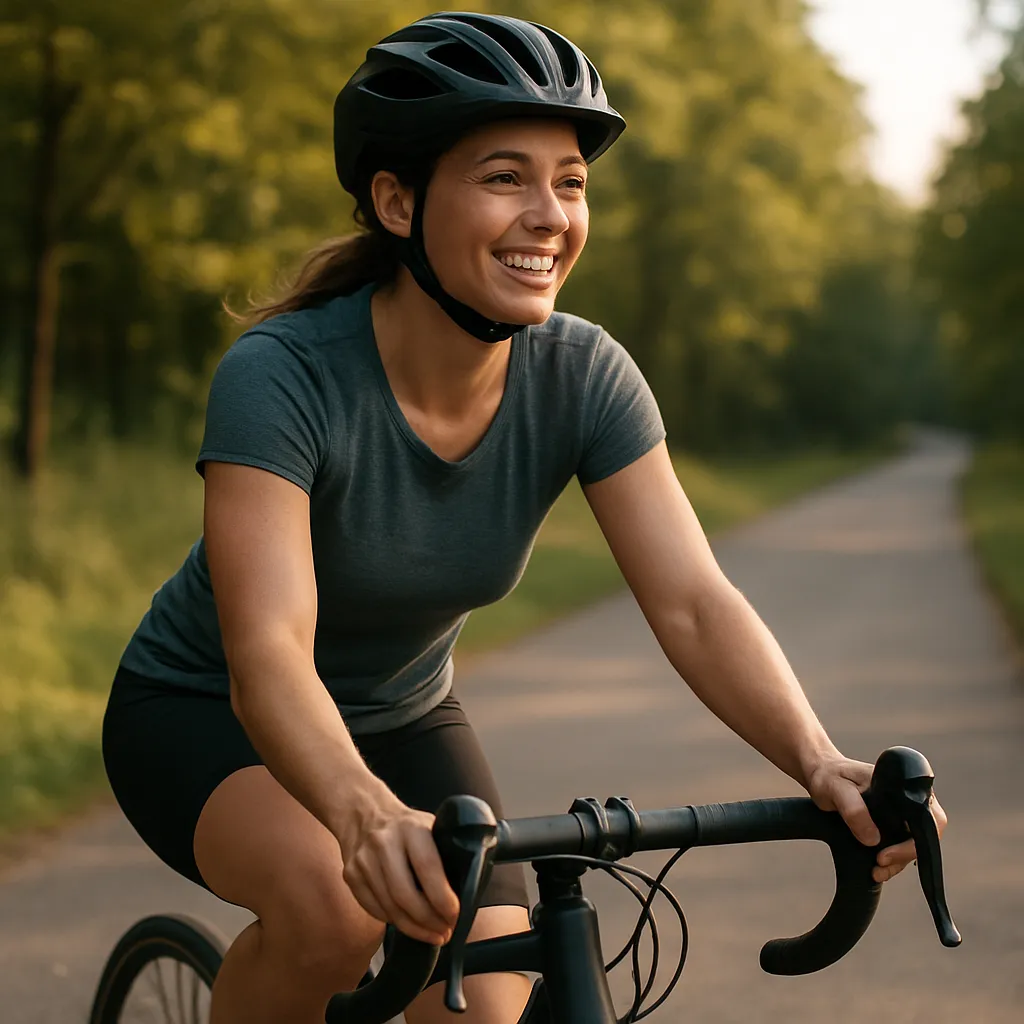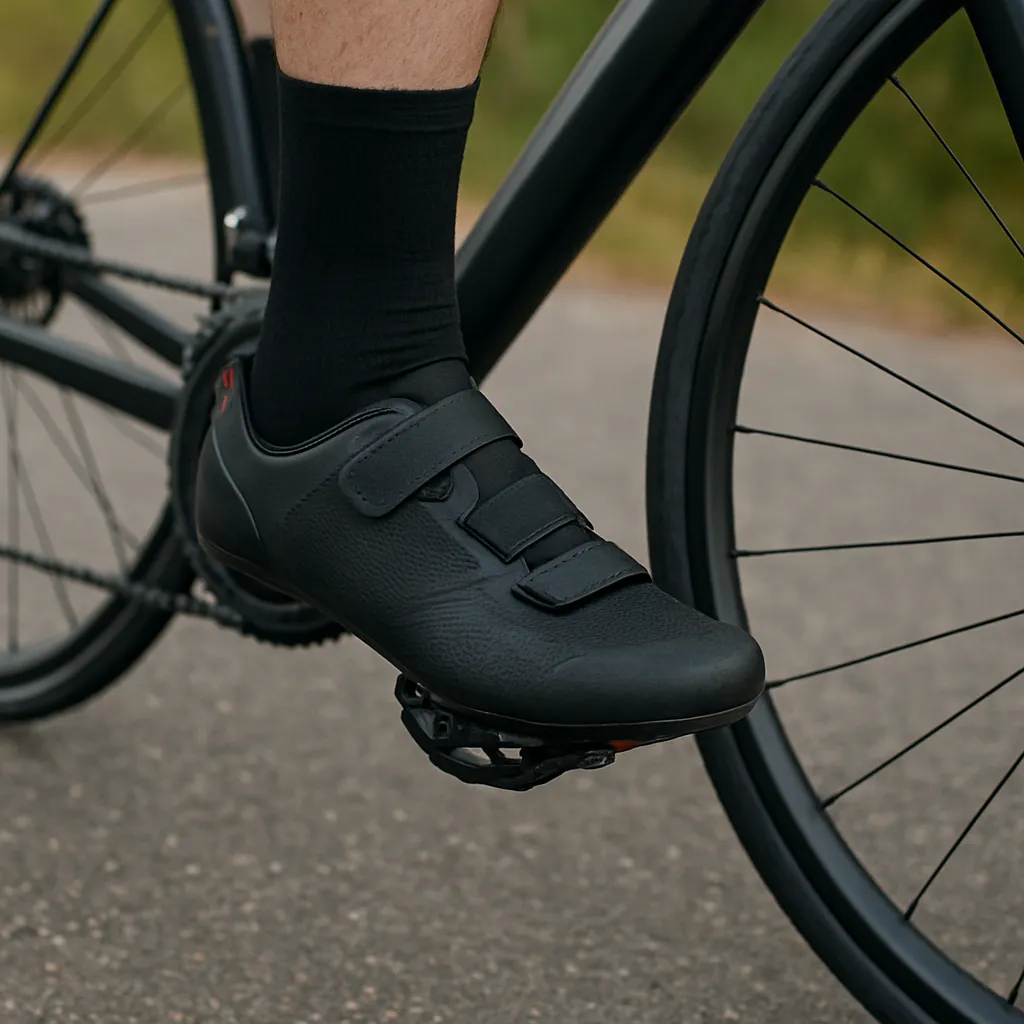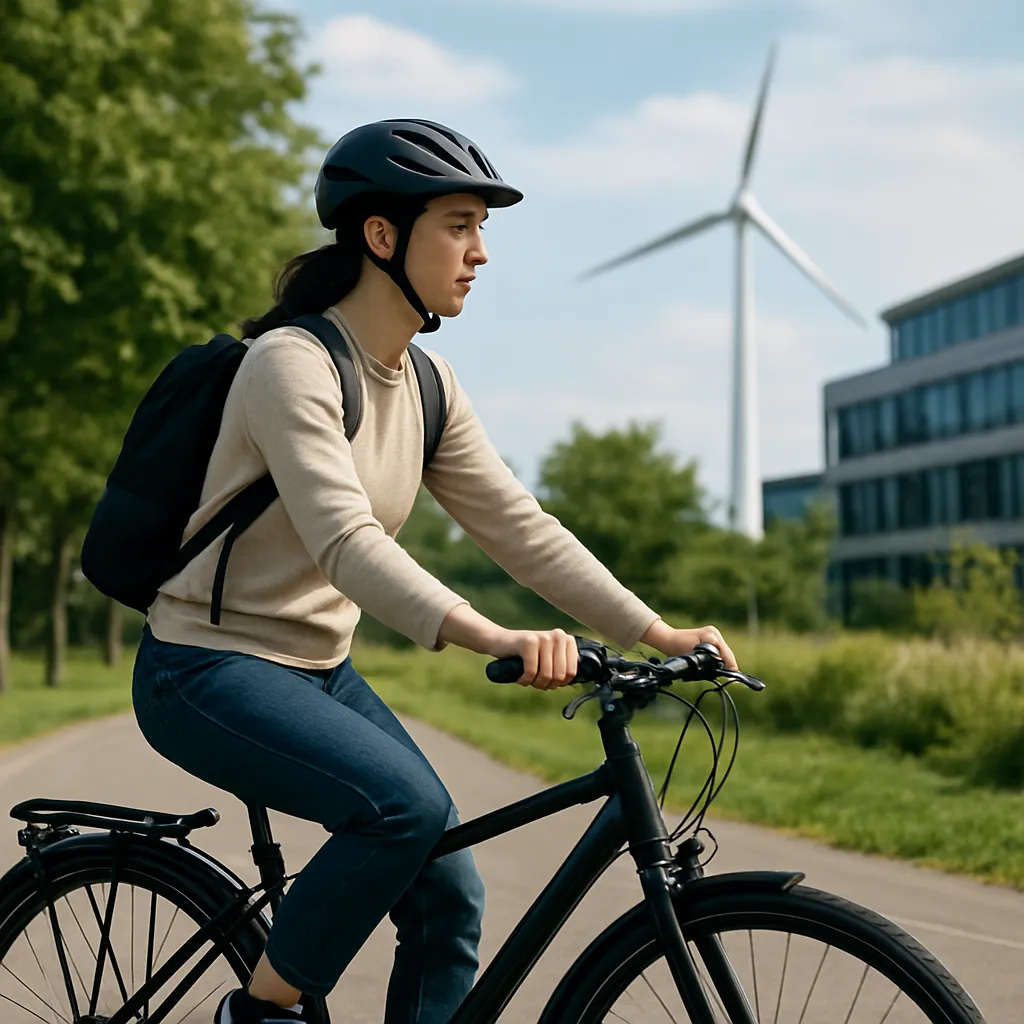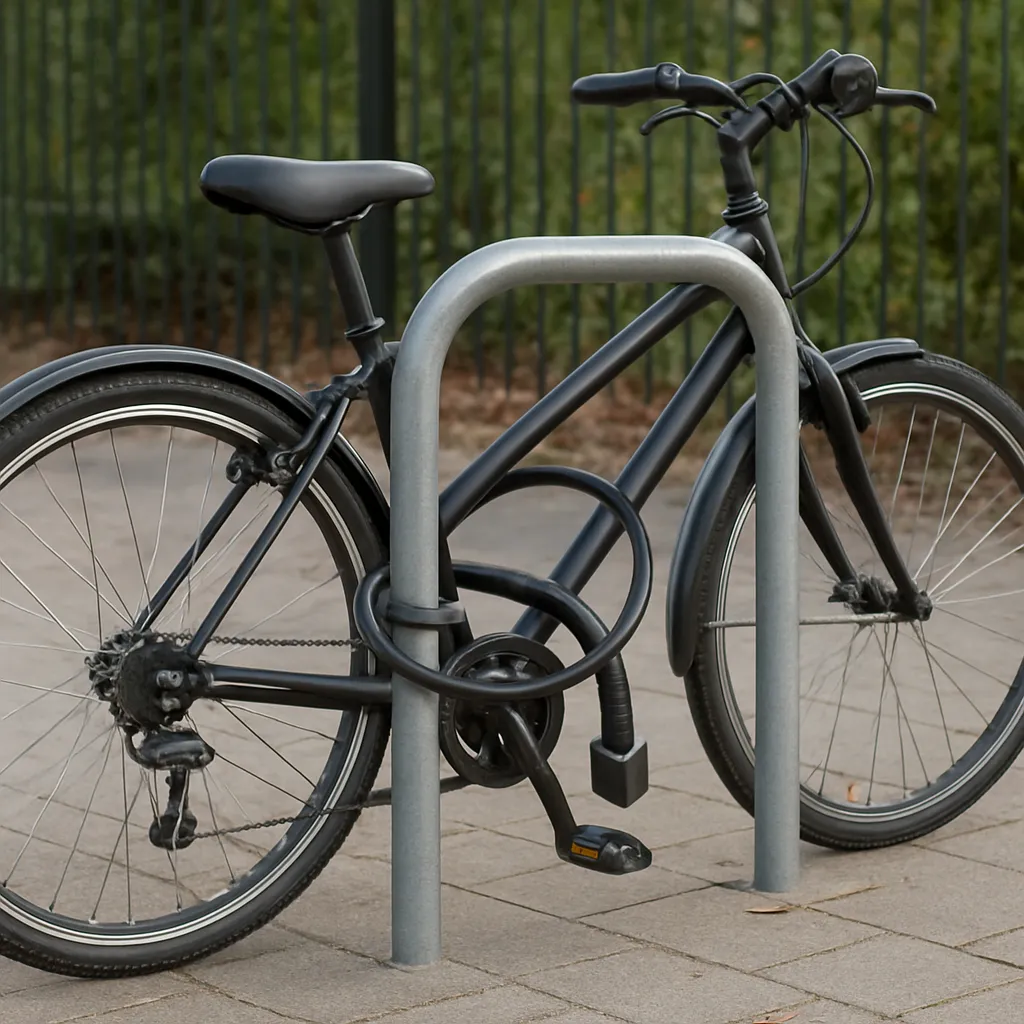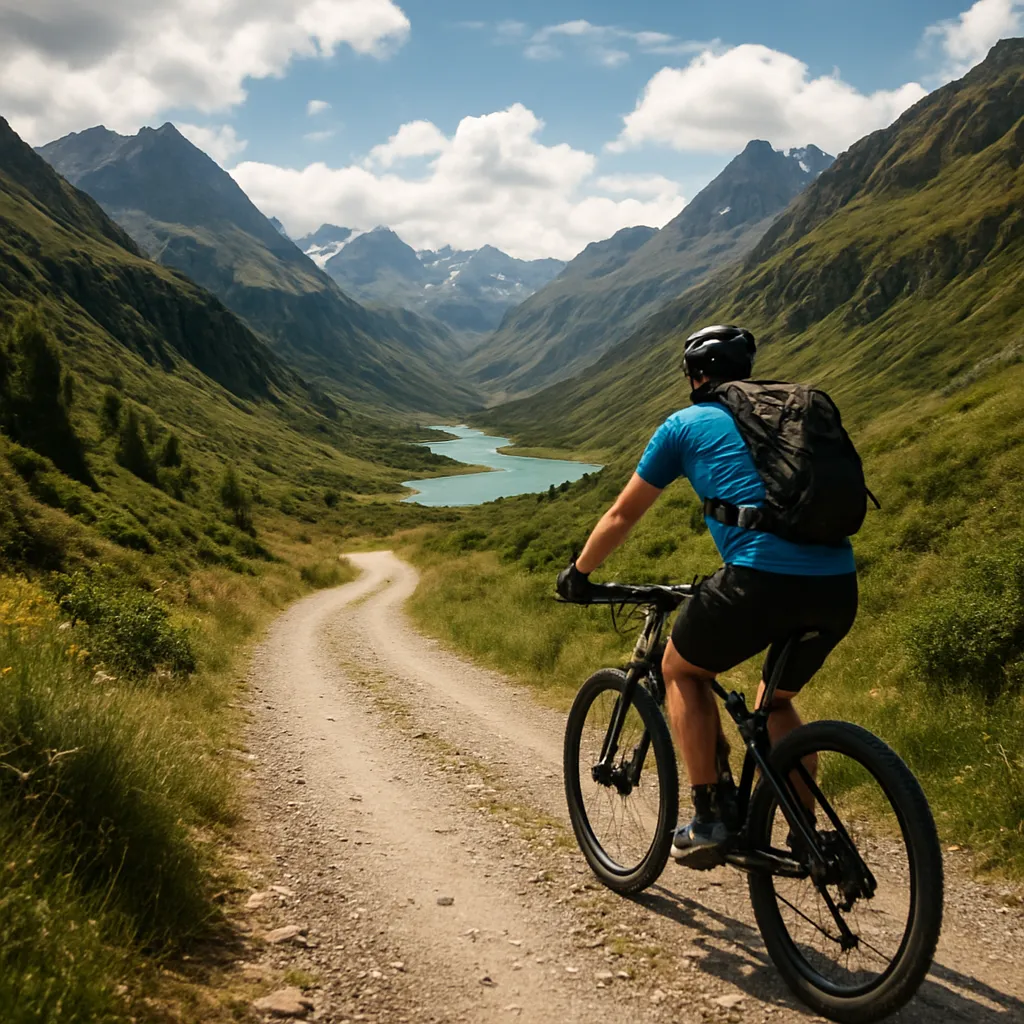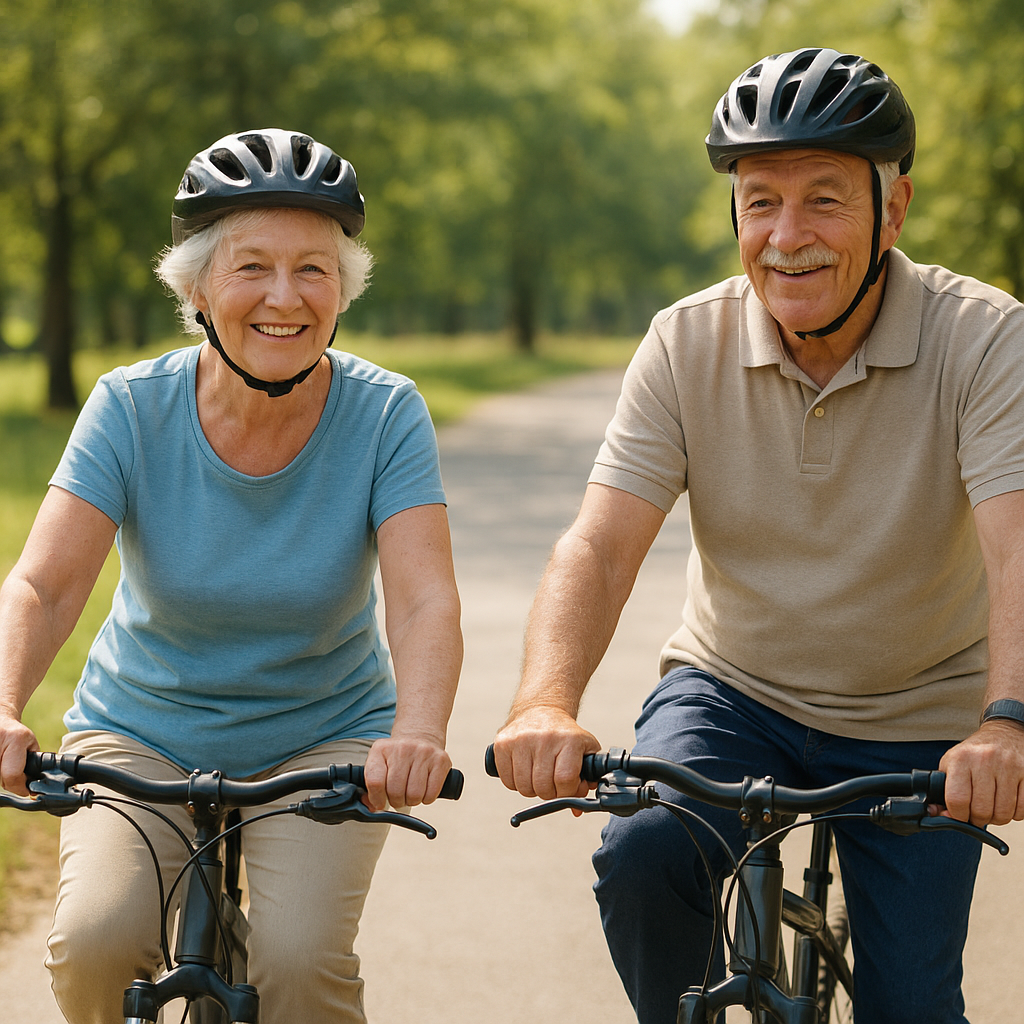
Cycling offers a wonderful opportunity for seniors to remain physically active, connect with nature, and enjoy the freedom of the open road. This guide provides practical advice on selecting the right bike, enhancing safety, improving fitness, and nurturing a lasting passion for two-wheeled adventures. Embrace each pedal stroke as a chance to boost your well-being and rediscover the joy of movement.
Choosing the Right Bicycle
Selecting a bicycle tailored to your needs is the first step toward an enjoyable and sustainable riding routine. Seniors should consider comfort, ease of use, and adjustability when evaluating different models.
- Step-through frames: These frames allow easy mounting and dismounting, reducing strain on hips and knees.
- Upright riding position: A design that encourages an upright posture alleviates pressure on the lower back and neck.
- Low gearing range: Bikes with a wide gear span make inclines less daunting, promoting longer rides without excessive fatigue.
- Electric assist: E-bikes deliver a gentle boost on hills or into headwinds, preserving energy and sustaining motivation.
Before purchasing, schedule a professional fitting at your local bike shop. A correct saddle height, handlebar reach, and pedal alignment improve posture and minimize discomfort over extended rides. Take advantage of demo rides to test different models and ensure your choice feels secure and responsive.
Safety Measures and Best Practices
Prioritizing safety not only protects your health but also builds confidence on every excursion. Implement these strategies to create a secure riding environment.
- Protective gear: A properly fitted helmet, reflective clothing, and padded gloves reduce injury risk and enhance visibility.
- Regular inspections: Check tire pressure, brake function, and chain lubrication before each ride to avoid unexpected malfunctions.
- Route planning: Opt for bike lanes, multi-use paths, or low-traffic roads. Familiarize yourself with elevation changes and rest stop locations.
- Visibility enhancements: Mount front and rear lights, and consider a high-visibility vest or reflective ankle straps for dawn or dusk rides.
Maintaining awareness of your surroundings is essential. Stay alert for road hazards such as potholes, gravel, or wet leaves. Adapting your speed and line of travel when necessary helps you react quickly to sudden obstacles, ensuring a smoother, injury-free experience.
Riding Techniques for Stability
Developing solid riding habits enhances your balance and confidence:
- Keep your gaze forward to anticipate changes in terrain and traffic flow.
- Distribute weight evenly between saddle and handlebars to maintain control, especially on uneven surfaces.
- Use gradual braking: Apply both front and rear brakes together to avoid skidding or sudden stops.
Training Tips to Boost Endurance
Building endurance gradually promotes long-term success without overwhelming the body. Incorporate these training principles into your weekly routine:
- Consistent schedule: Aim for three to four rides per week, alternating between short, moderate, and long distances.
- Progressive overload: Increase your weekly mileage by no more than 10% to prevent overuse injuries.
- Recovery days: Include rest or cross-training activities like swimming or yoga to foster flexibility and muscle recovery.
- Interval training: Integrate short bursts of higher intensity pedaling to improve your cardiovascular capacity and calorie burn.
Tracking your rides with a cycle computer or smartphone app provides insights into pace, elevation, and distance. Use this data to set achievable goals and celebrate incremental progress, reinforcing positive habits and cultivating resilience.
Nutritional Strategies for Riders
Proper fueling sustains energy levels and enhances post-ride recuperation:
- Pre-ride meal: Choose complex carbohydrates and lean protein—such as oatmeal with nuts—to maintain steady blood sugar.
- On-route snacks: Pack easily digestible items like bananas, energy bars, or trail mix to combat mid-ride fatigue.
- Hydration: Sip water or an electrolyte drink throughout the ride, especially in warm conditions, to ward off cramps and dizziness.
- Post-ride recovery: Opt for a balanced meal rich in protein and healthy fats—grilled fish with vegetables—to repair muscle tissue.
Maintenance and Community Involvement
Preserving your bicycle’s condition and engaging with fellow cyclists enriches your overall experience and encourages lifelong participation.
- Basic upkeep: Learn to clean and lubricate the chain, adjust brakes, and true wheels to extend component life.
- Seasonal service: Schedule a professional tune-up before winter storage or at the start of peak cycling season.
- Local clubs: Join a senior cycling group or recreational club to share routes, safety tips, and social support.
- Charity rides and events: Participating in organized rides fosters a sense of empowerment while contributing to worthwhile causes.
Peer encouragement can spark new ambitions—whether tackling a century ride or exploring unfamiliar trails. Cycling with others also provides opportunities to learn diverse techniques and navigate challenges collectively, reinforcing your sense of independence.
Adapting to Changing Needs
As you continue cycling into later years, listen to your body and adjust your approach:
- Modify saddle type or handlebar height to accommodate joint sensitivity.
- Incorporate balance and core exercises to support stability during longer rides.
- Consider adaptive equipment—like pedal straps or cushioned grips—for enhanced comfort.
Embrace the mindset that every ride is an achievement, no matter the distance. By combining thoughtful bike selection, diligent safety practices, structured training, and active community engagement, seniors can unlock the profound benefits of cycling, enrich their daily lives, and continue pedaling toward vibrant health.