The remarkable rise of cycling as a cornerstone of sustainable transportation has reshaped the fabric of modern cities. Beyond merely offering an efficient mode of travel, bicycles contribute to reduced carbon emissions, enhanced public health, and resilient urban networks. This exploration delves into how two wheels can drive profound change, shaping our environment, improving well-being, and redefining economic and social landscapes.
Benefits of Cycling for Health, Environment, and Economy
Adopting bicycles as a regular commuting option yields multiple dividends. From boosting individual fitness to slashing air pollution, the ripple effects of pedaling resonate through entire communities.
Physical and Mental Well-being
Regular cycling offers a low-impact cardiovascular workout, strengthening muscles and improving joint mobility. Studies link daily bike rides to lower rates of obesity, heart disease, and diabetes. On the mental front, cyclists often report reduced stress levels, enhanced mood, and heightened focus. The meditative rhythm of pedaling fosters a sense of calm, combating the pressures of busy urban life.
Environmental Advantages
- Cutting down carbon emissions per trip compared to car use
- Decreasing air pollutants like nitrogen oxides and particulate matter
- Reducing noise pollution in densely populated areas
- Minimizing resource consumption—bikes require fewer materials and less energy to produce and maintain
Economic Impact
Cities that champion cycling often witness significant cost savings. Governments invest less in road maintenance and parking infrastructure, while citizens spend less on fuel, insurance, and parking fees. Local businesses thrive as cyclists are more likely to make spontaneous stops at shops and cafés. Moreover, health systems save on treatment costs related to sedentary lifestyles and pollution-induced illnesses.
Urban Planning and Bike Infrastructure
Smart city design now places bicycles at its core, integrating robust networks and prioritizing rider safety. Such networks not only attract seasoned cyclists but also encourage newcomers.
Protected Bike Lanes and Complete Streets
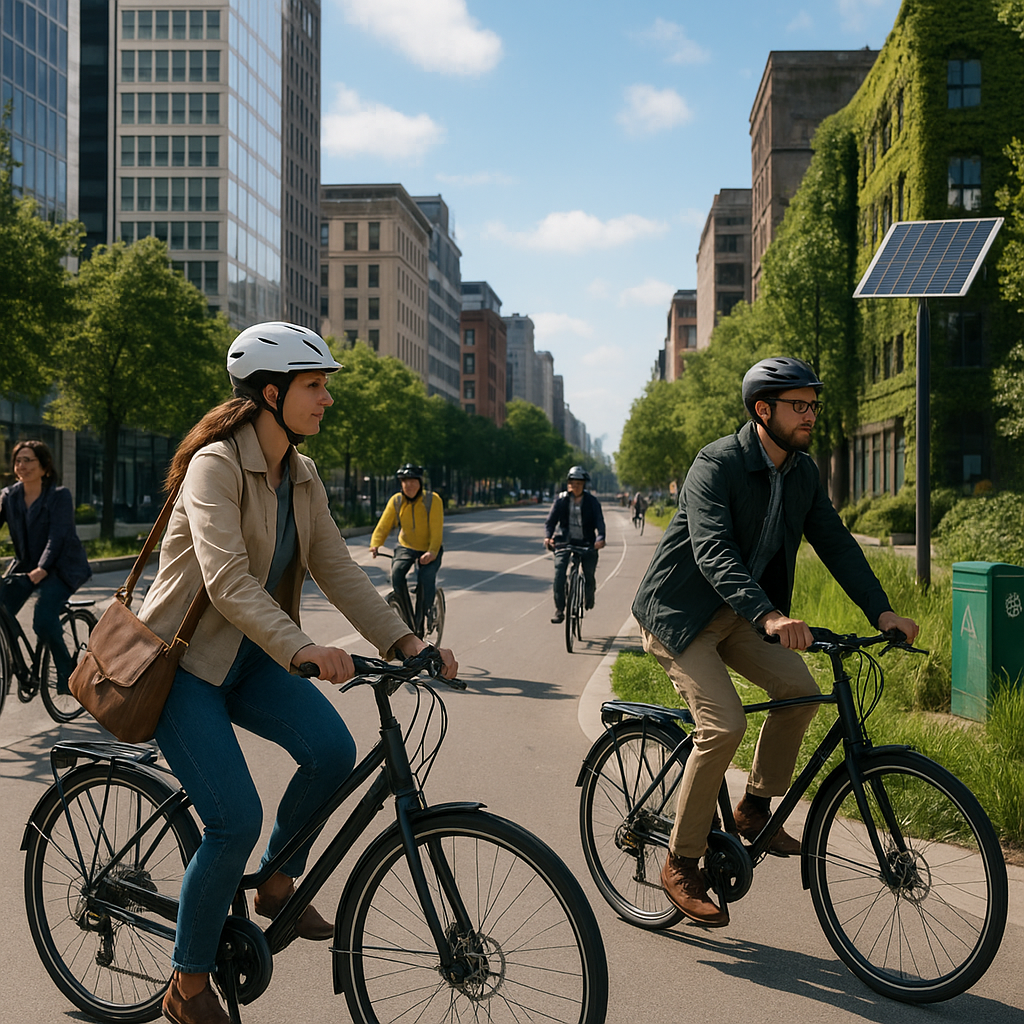
Protected lanes separated by barriers or curbs offer a safe corridor for cyclists, reducing collision risks with motor vehicles. Many metropolises have adopted “complete streets” policies, ensuring roads serve all users—pedestrians, cyclists, transit riders, and motorists—equitably. These policies transform arterial roads into vibrant multimodal avenues.
Interconnected Networks
Continuity is crucial. Bike routes linking residential zones to business districts, schools, and transit stations foster seamless journeys. GPS-enabled planning tools help municipalities optimize route placement, ensuring less traffic congestion and more direct connections.
Bike Parking and Storage Solutions
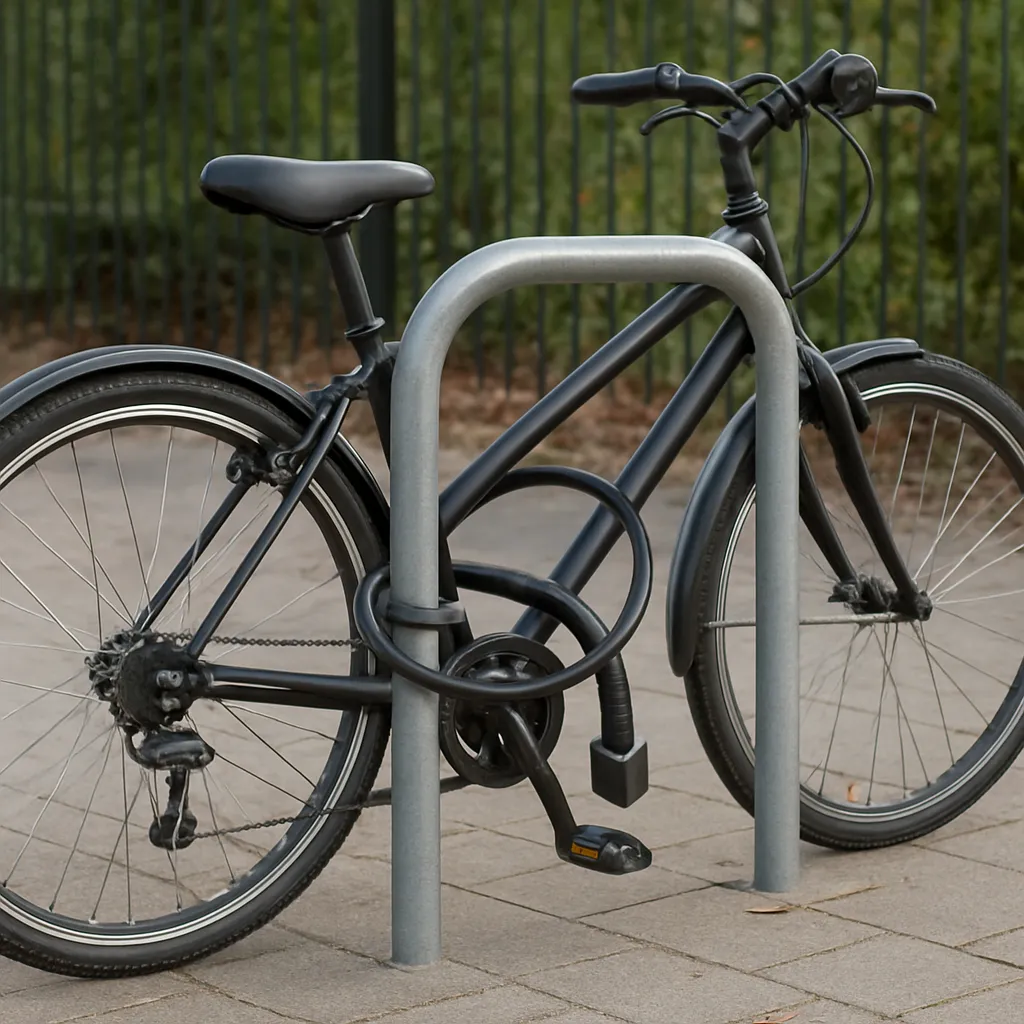
- Secure bike racks at transit hubs and commercial centers
- Covered shelters protecting bicycles from weather damage
- Innovative “smart” lockers providing digital access and theft deterrence
- Community-led storage initiatives in residential complexes
Community Engagement and Cycling Culture
Building a cycling-friendly city transcends infrastructure; it requires fostering an inclusive community culture that welcomes riders of all ages and abilities.
Educational Campaigns and Skill Workshops
Free or subsidized training sessions teach road rules, repair skills, and bike safety. These workshops, often run by local nonprofits or advocacy groups, empower riders to maintain their bicycles and navigate urban traffic confidently.
Group Rides and Events
- Weekly “bike to work” days unite commuters and generate visibility
- Cycling festivals featuring repair pop-ups, swap meets, and demo rides
- Family-oriented excursions promoting safe routes to parks and landmarks
- Cargo-bike parades highlighting sustainable delivery options
Inclusive Policy Development
Involving diverse stakeholders—residents, businesses, advocacy organizations, and city officials—in planning meetings fosters transparent decision-making. Public input ensures bike networks reflect real needs and uphold equity in underserved neighborhoods.
Technological Innovations Shaping the Future of Biking
Emerging technologies amplify the benefits of cycling, creating smarter, safer, and more accessible experiences.
Shared-Mobility and E-Bikes
Dockless bike-share programs, accessible via smartphone apps, remove barriers to entry. Electric bicycles extend range and reduce exertion, attracting new demographics, including older adults and those with mobility challenges. E-bikes can climb hills effortlessly and help riders cover longer distances, making them a game-changer for suburban-urban commutes.
Real-Time Data and Route Optimization
- Connectivity between bikes and city sensors monitors traffic flow and air quality
- Navigation apps suggest low-traffic, scenic, or calorie-optimizing routes
- IoT-enabled bike racks signal available spaces and secure status
Smart Helmets and Safety Gear
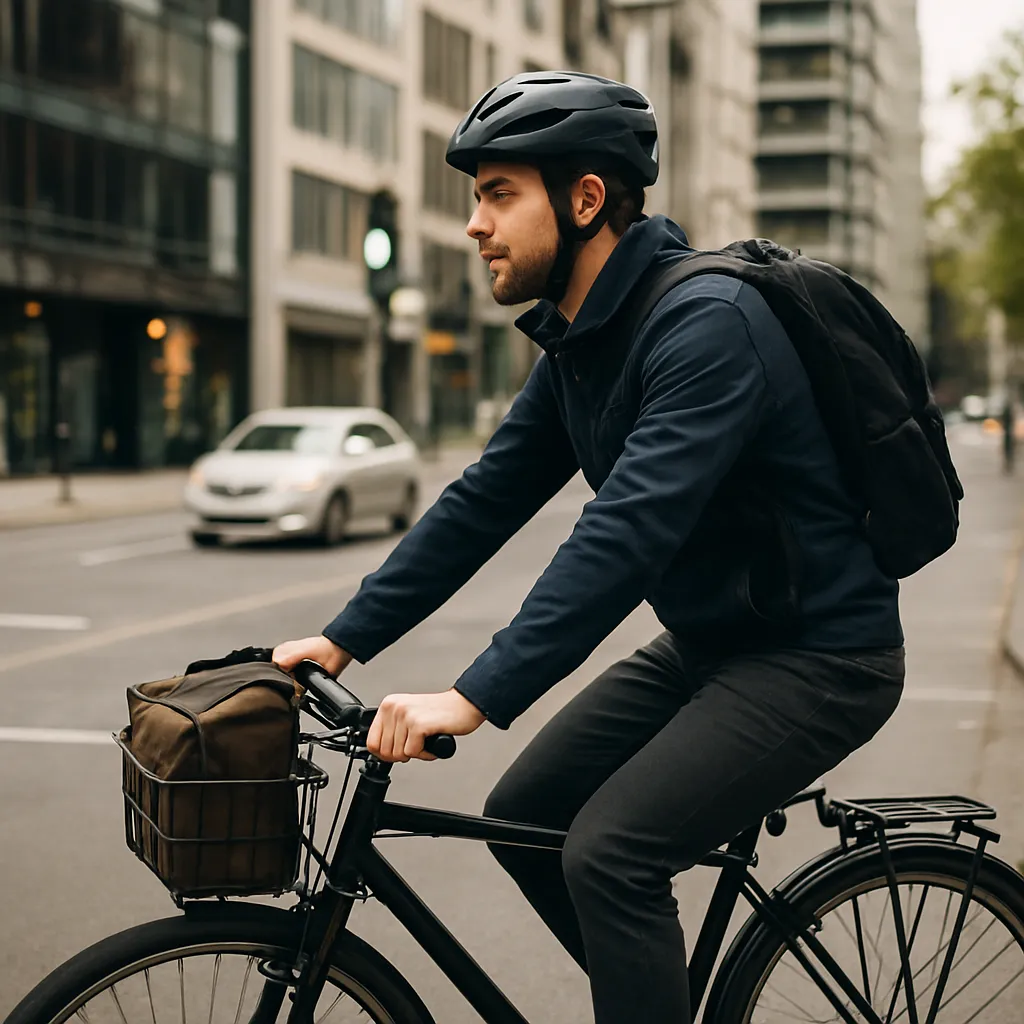
Advanced helmets now integrate features like built-in lights, turn indicators, and impact sensors that alert emergency contacts. Reflective materials and LED strips enhance visibility during nighttime rides, further reducing accident risks.
Green Energy Integration
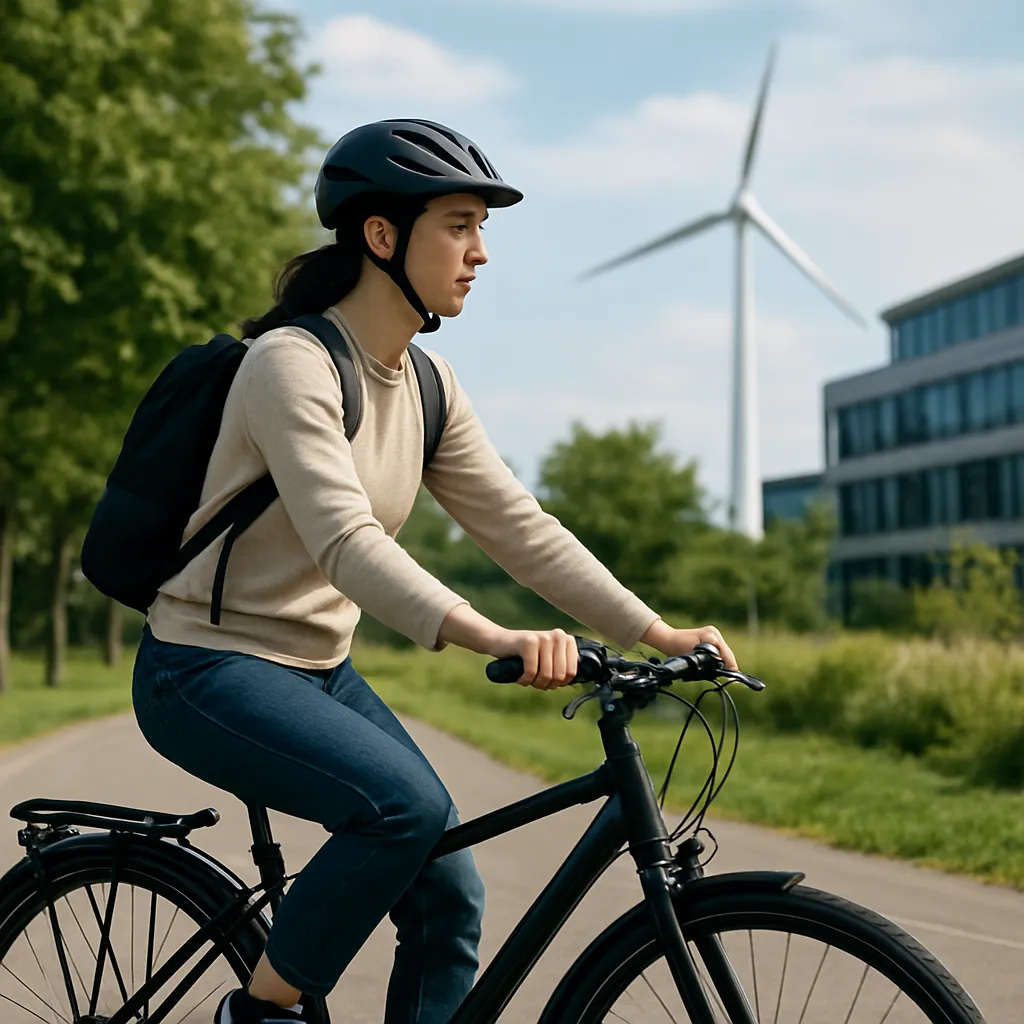
Solar-powered charging stations and bike repair kiosks harness renewable energy to support electric-assist systems and user convenience. Such installations underscore the synergy between sustainability and urban mobility, providing off-grid solutions in parks and public squares.
Key Takeaways for Urban Resilience
As cities evolve, embracing the bicycle as a legitimate, safe, and appealing means of transport is essential. Investments in infrastructure, technology, and community programs yield dividends in health, economic vitality, and environmental stewardship. A thriving cycling culture fosters resilience and paves the way to greener, more inclusive urban futures.