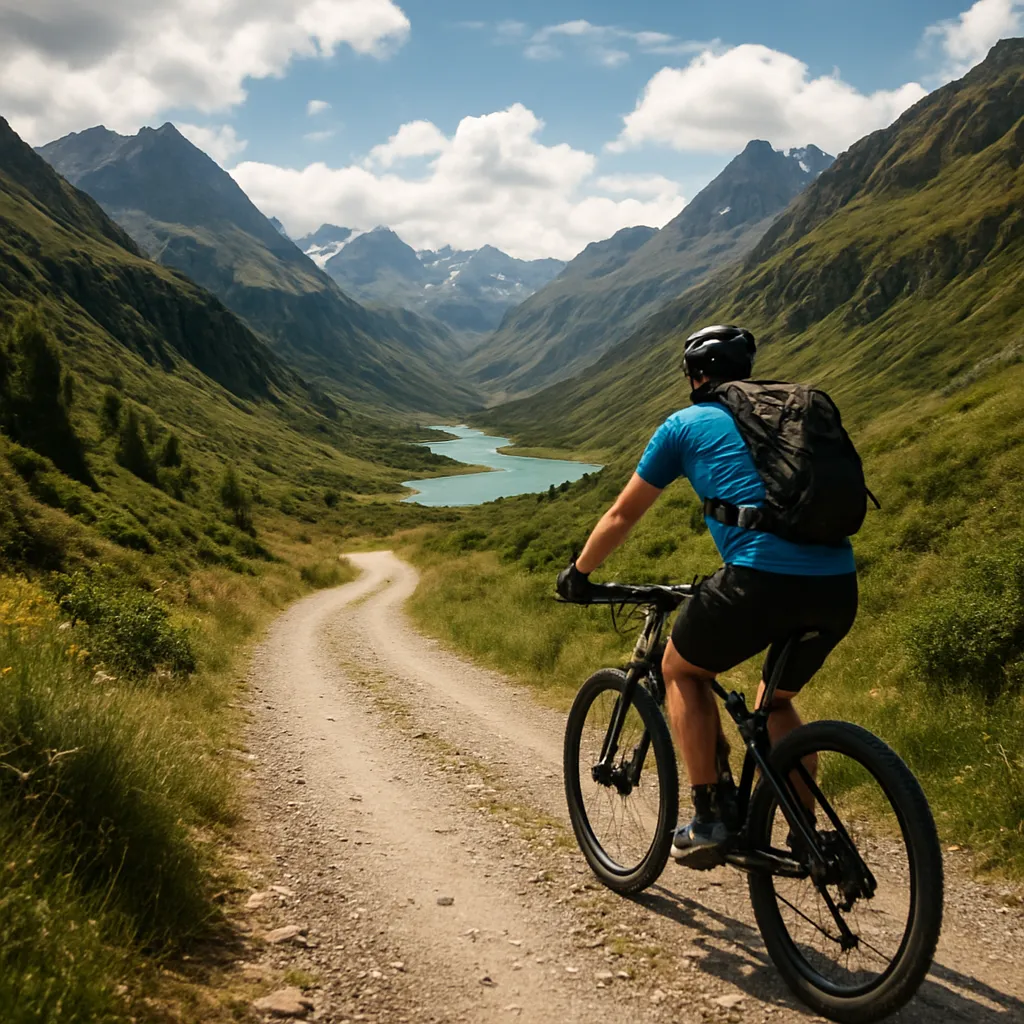
Embarking on a multi-day cycling adventure requires more than just a well-maintained bicycle and a sense of adventure. Proper packing ensures you stay comfortable, safe, and prepared for variable conditions on the road. By focusing on **smart selection**, efficient **organization**, and strategic **packing**, you’ll be set to enjoy every mile of your journey.
Choosing the Right Gear
The foundation of a successful trip is selecting the appropriate **equipment**. Your choices will influence both your comfort and performance, so take time to evaluate each item.
Bicycle Selection
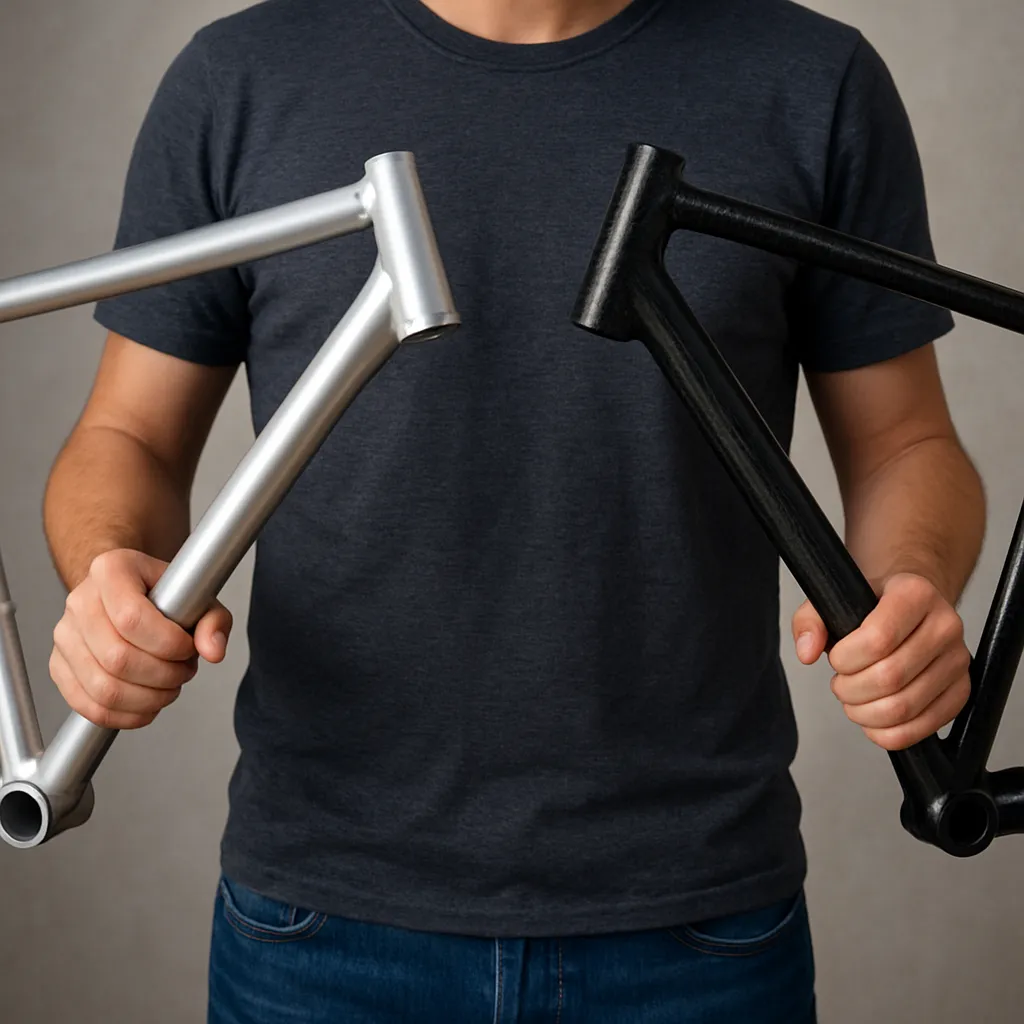
- Frame type: A touring or gravel bike offers the sturdiness and mounting points needed for racks and panniers.
- Tires: Opt for puncture-resistant, wider tires (35–45 mm) to handle varied terrain with increased **traction**.
- Brakes: Reliable disc brakes provide consistent stopping power, especially when loaded.
Luggage Systems
- Panniers: Waterproof rear and front panniers distribute weight evenly, enhancing **stability**.
- Handlebar bag: Ideal for storing snacks, camera, or navigation tools for quick access.
- Frame bag: Utilizes triangle space for heavier items, keeping weight close to the center of gravity.
Essential Accessories
- Lights: A powerful front light and rear flashing light are non-negotiable for **visibility**.
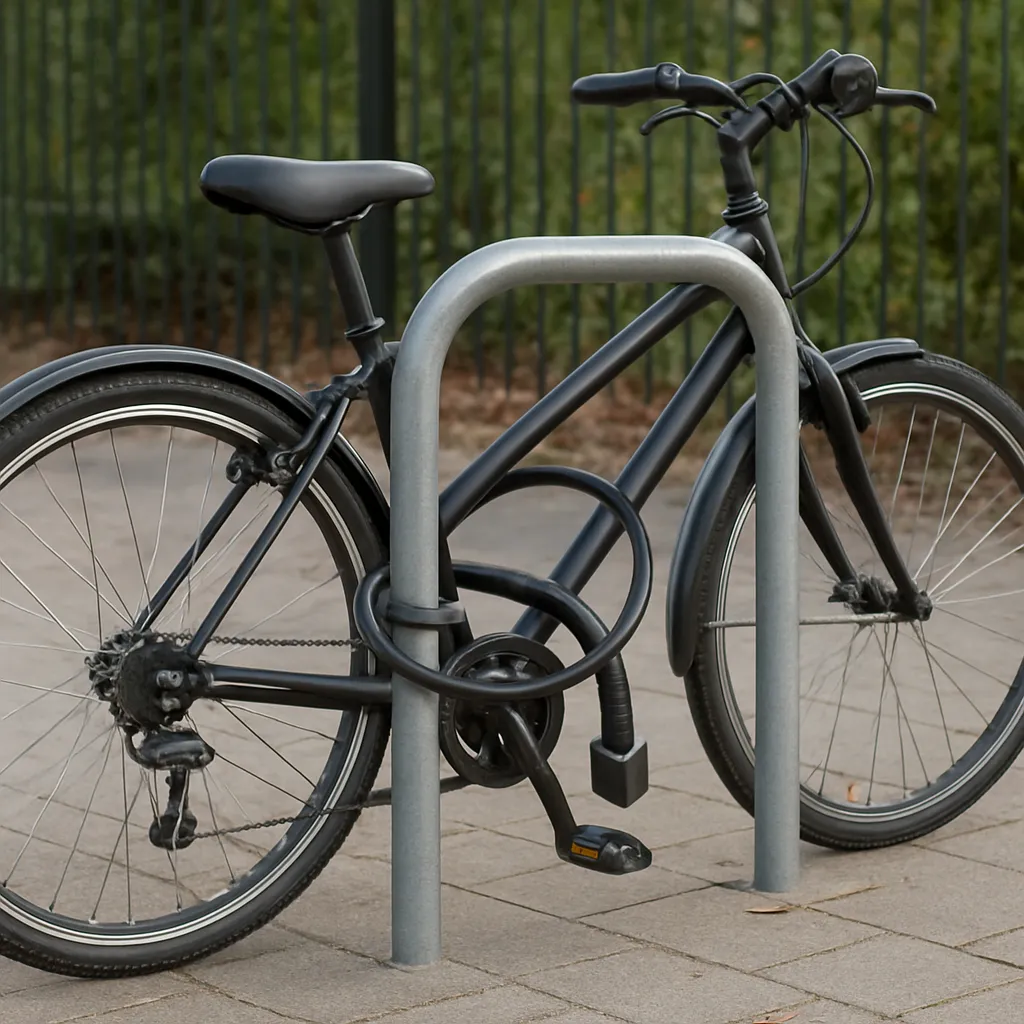
- Locks: Choose lightweight yet sturdy U-locks or folding locks for secure stops.
- Hydration: Insulated bottles or hydration bladders to maintain optimal **hydration** levels.
Organizing Your Packing List
Once you’ve selected the right gear, create a comprehensive packing list. Group items by function and frequency of use to streamline loading and retrieval.
Clothing and Apparel
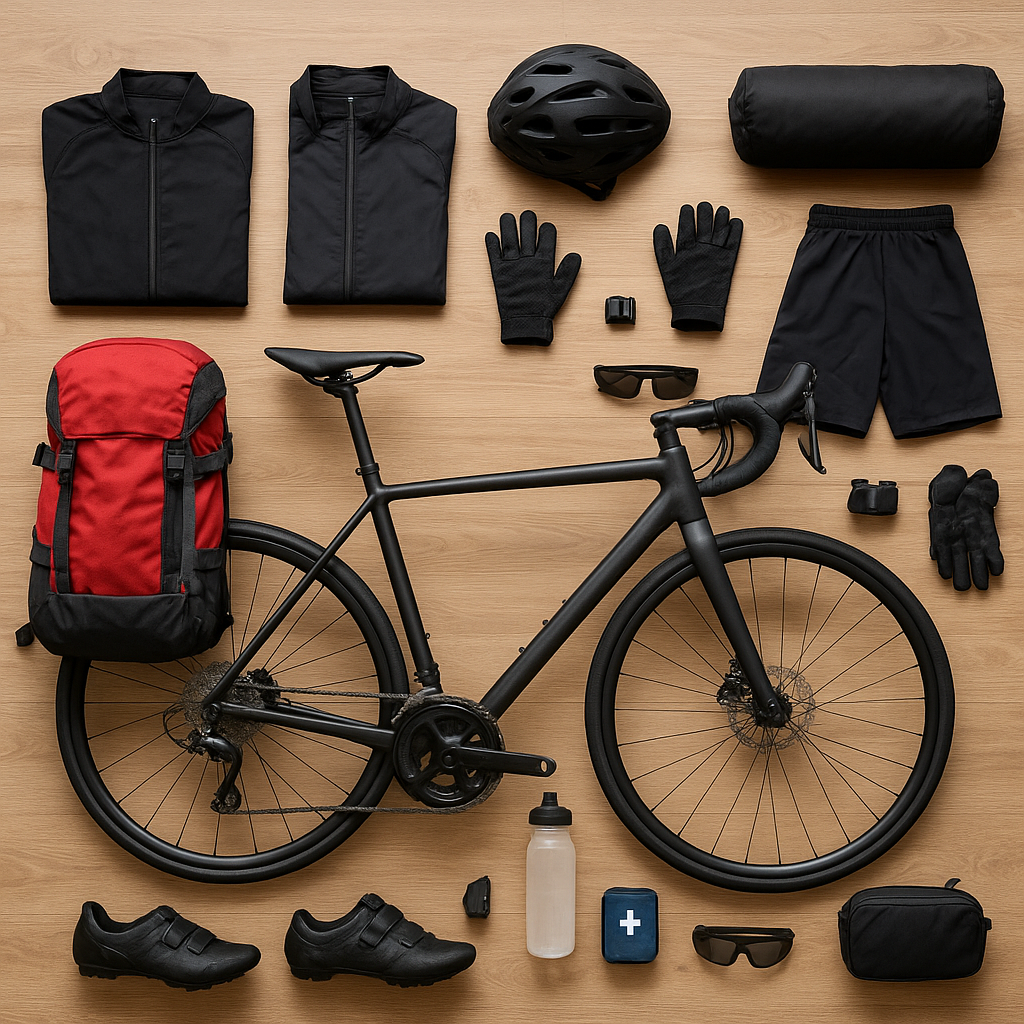
Clothing should be versatile, moisture-wicking, and quick-drying. Layering is key to adapting to changing temperatures.
- Base layers: Merino wool or synthetic tops and bottoms for temperature regulation.
- Mid layers: Lightweight fleece or windbreakers for insulation.
- Outer shell: Waterproof, breathable jacket and pants for rain protection.
- Shorts: Padded cycling shorts for long-distance comfort.
- Gloves and socks: A couple of pairs each to maintain **comfort** and hygiene.
Camping and Shelter
Choosing the right shelter impacts weight and setup complexity.
- Tent: Ultralight two-person tents offer a balance between space and **weight** savings.
- Sleeping system: A compact sleeping bag rated for expected temperatures and an inflatable pad.
- Groundsheet: Protects your tent floor and extends its lifespan.
Cooking and Nutrition
Maintaining proper energy levels is crucial on a **multi-day** trip. Plan meals that are high in carbohydrates and proteins.
- Stove: A small canister or foldable wood-burning stove for warm meals.
- Cookware: Lightweight pot, spork, and mug or bowl.
- Food: Dehydrated meals, energy bars, nuts, and instant oats for quick preparation.
- Water treatment: Filters or purification tablets to ensure safe drinking water.
Packing Strategies and Tips
Efficient packing not only saves space but also maintains your bike’s handling and your own **comfort** throughout the ride.
Weight Distribution
- Rear panniers: Heavier items like cooking gear and spare parts should go low and close to the wheel axle to reduce sway.
- Front panniers: Lighter items such as clothing, snacks, and electronics improve steering **response**.
- Handlebar bag: Keep maps, camera, and snacks for instant access without dismounting.
Compression and Protection
Use stuffs sacks and dry bags to compress soft items and protect contents from moisture.
- Compression sacks: Reduce bulk of sleeping bags and clothing.
- Dry bags: Waterproof critical gear such as electronics, documents, and spare clothes.
- Bubble wrap or clothing layers: Cushion fragile items like sunglasses and power banks.
Tool Kit and Maintenance
Mechanical failures can derail a trip, so carry a **comprehensive** toolkit.
- Spare tubes and patch kit for quick tire repairs.
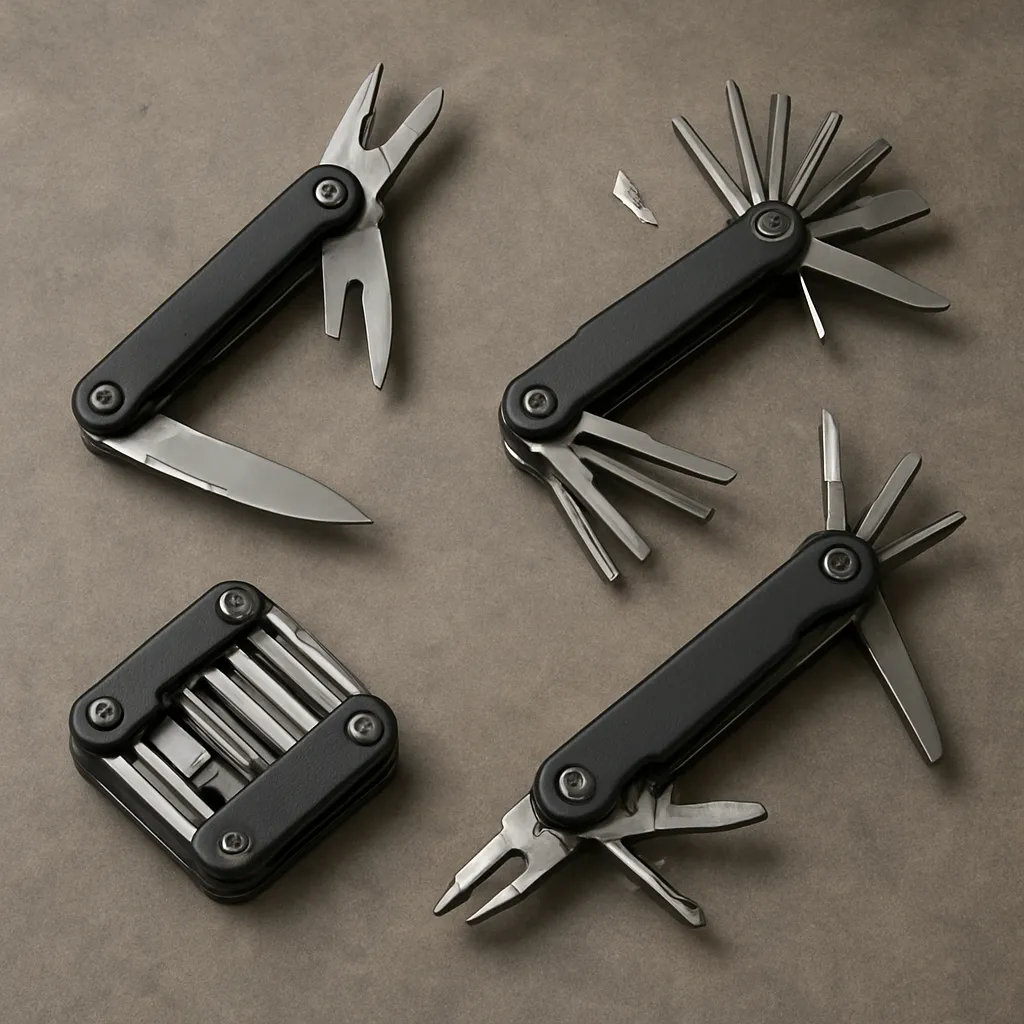
- Multi-tool: Includes hex wrenches, Torx keys, and screwdrivers.
- Tire levers, chain tool, and portable pump or CO₂ inflator.
- Lubricant and cleaning rag for chain maintenance.
Final Preparations
Before you hit the road, perform these checks to guarantee a smooth start.
- Test ride: Load up your bike with gear and take it for a short loop to assess balance and comfort.
- Navigation: Pre-download maps or program GPS waypoints to avoid signal gaps.
- Emergency contacts: Share your route and schedule with friends or family for added **safety**.
- Weather check: Review extended forecasts and adjust clothing or gear accordingly for wind, rain, or temperature extremes.
On the Road: Tips for Success
Maintaining morale and physical readiness is as important as your gear choices.
- Pace yourself: Ride at a sustainable speed to avoid early fatigue.
- Regular breaks: Stop every hour for quick stretches, snacks, and hydration.
- Adaptability: Be prepared to modify camp plans in response to weather or terrain.
- Camp early: Arriving before dusk ensures you have daylight for setting up and cooking.