Cycling long distances demands careful attention to hydration to maintain peak performance and avoid the dangerous effects of dehydration. By adopting a solid strategy that encompasses pre-ride, during-ride, and post-ride protocols, riders can ensure optimal endurance and reap the full benefits of their training. This article explores practical tips focused on fluids, electrolytes, and nutrition to keep you moving smoothly on every mile.
Importance of Proper Hydration
Understanding why hydration is crucial lays the foundation for effective planning. Your body is composed of roughly 60% water, which is involved in vital functions such as temperature regulation, nutrient transport, and muscle contraction. When you cycle, especially in warm or humid conditions, sweat loss can be substantial:
- Average sweat rates vary from 0.5 to 2.0 liters per hour.
- Even a 2% loss of body weight in water can reduce performance by up to 20%.
- Unchecked fluid loss risks heat illness, cramps, and reduced mental focus.
Recognizing signs of inadequate fluids—such as dark urine, dry mouth, dizziness, or persistent fatigue—helps you take corrective measures before hitting a critical threshold.
Pre-Ride Hydration Tactics
Preparing properly in the hours before a ride sets the stage for sustained endurance. Focus on a two-part approach:
1. Daily Hydration Routine
- Start each day with 500–700 ml of water upon waking to kick-start physiological processes.
- Distribute 2–3 liters of water evenly over the day, adjusting for sweat losses if training.
- Incorporate hydrating foods—watermelon, cucumbers, and oranges—to boost overall fluid intake.
2. Pre-Ride Top-Up
- 60–90 minutes before the ride: consume 500–750 ml of a balanced electrolyte drink.
- Avoid high-sugar beverages that can prompt an insulin spike and rapid fluid loss.
- Consider a light snack—such as a banana with a pinch of salt—to pair carbohydrates and sodium.
Hydration Strategies During the Ride
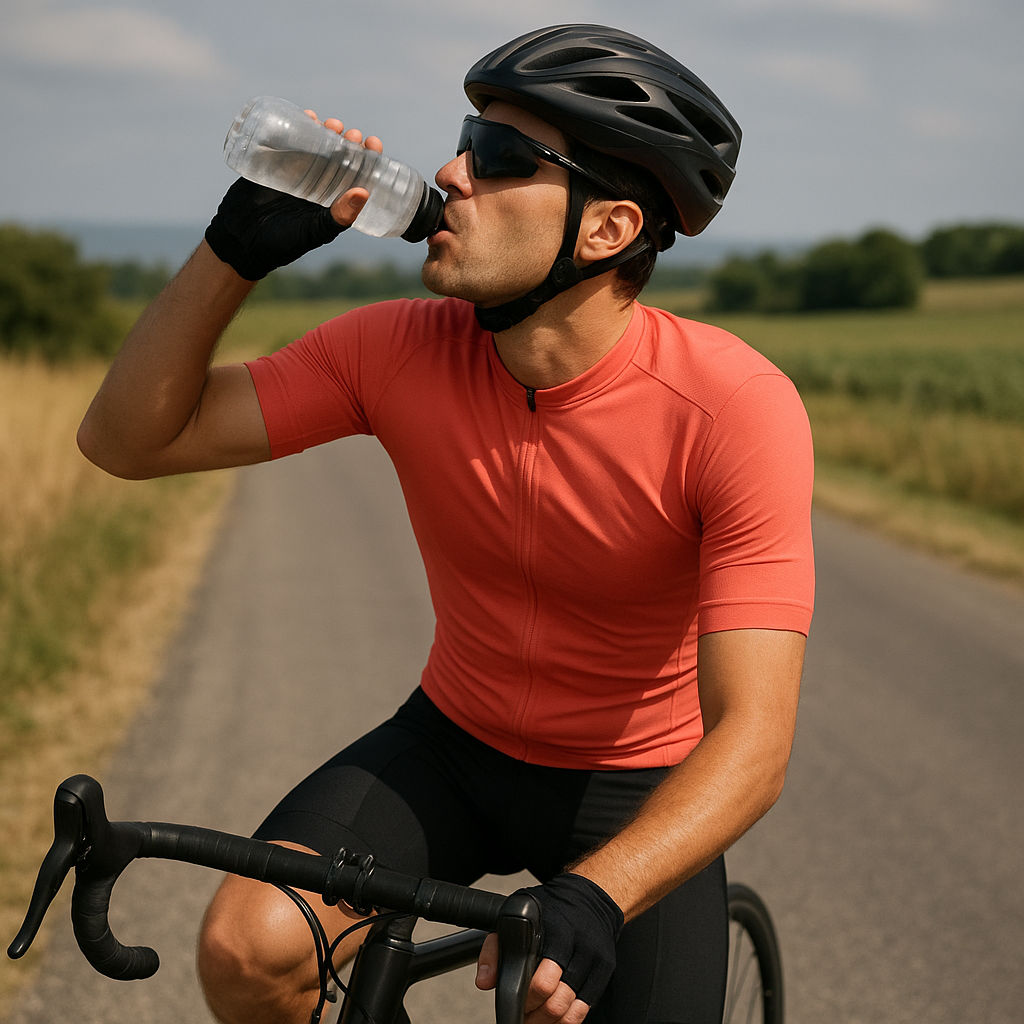
While cycling, you must balance fluid intake with effort level, temperature, and ride duration. Key guidelines include:
A. Frequency and Volume
- Sip 150–250 ml every 15–20 minutes; adjust volume depending on personal sweat rate.
- Longer rides (over 2 hours) require a combination of water and electrolyte solutions.
- Ensure accessible water sources or plan stops at known refill points if riding off-grid.
B. Electrolyte Management
Losing electrolytes—especially sodium, potassium, and magnesium—through sweat undermines muscle function and fluid retention. To counteract this:
- Use sports drinks formulated with 500–700 mg of sodium per liter.
- Supplement with electrolyte powder or tablets when water sources are limited.
- Eat small, salty snacks like pretzels or salted nuts every hour to maintain sodium levels.
C. Temperature and Environmental Factors
- Hot climates require a higher fluid intake—up to 1 liter per hour in extreme heat.
- Cold weather can mask dehydration; monitor intake even if you don’t feel sweaty.
- Wind and altitude alter sweat evaporation; evaluate conditions before setting intake goals.
Fueling Connections: Nutrition and Hydration
Cyclists often overlook how nutrition intertwines with hydration. Proper fuel choices complement fluid balance and stave off bonking:
- Consume 30–60 grams of carbohydrates per hour during rides longer than 90 minutes.
- Opt for gels or chews formulated with electrolytes to meet energy and salt needs simultaneously.
- Avoid overly fibrous or fatty foods that can delay gastric emptying, causing gastrointestinal distress.
Post-Ride Rehydration and Recovery
Effective recovery begins the moment you finish pedaling. Target the “4 R’s”:
- Replenish: Drink 1.5 times the fluid volume lost. Weighing yourself before and after the ride helps determine exact losses.
- Refuel: Within 30 minutes, aim for a 3:1 or 4:1 carb-to-protein ratio to promote glycogen restoration and muscle repair.
- Rebalance: Include magnesium-rich foods (nuts, seeds) and potassium sources (bananas, sweet potatoes) to correct electrolyte deficits.
- Rest: Adequate sleep and passive recovery consolidate hydration gains and tissue rebuilding.
Gear and Practical Tips
Choosing the right gear simplifies hydration on the move:
- Water Bottles and Cages: Two bottles—one with water, one with electrolyte mix—offer versatility.
- Hydration Packs: Ideal for very long rides or remote routes; ensure pack fittings prevent leaks.
- Insulated Bottles: Keep drinks cool on hot days and prevent freezing in cold environments.
- On-Bike Storage: Use top-tube bags to carry electrolyte tablets, gels, and small snacks for quick access.
Advanced Hydration Techniques
Experienced cyclists can experiment with nuanced methods to fine-tune their strategy:
- Hyperhydration: Temporarily boost fluid stores by drinking sodium-rich fluids 2–3 hours before an event.
- Urine Color Chart: Track hydration status via pale-yellow urine as a simple at-home diagnostic.
- Sweat Testing: Undergo a professional profile to measure individual sweat rate and electrolyte loss.
Mental and Safety Considerations
Hydration also affects cognitive function and safety:
- Even mild dehydration impairs decision-making, reaction time, and coordination.
- Plan rest breaks to monitor teammates or group members for signs of heat stress.
- Carry emergency electrolytes and high-sodium snacks when riding solo in remote areas.
By integrating these guidelines into your training and ride-day strategy, you’ll enhance comfort, extend your range, and fully enjoy the open road. Remember: consistent attention to hydration before, during, and after your ride transforms good performances into great ones.