Securing your bicycle is more than just a precaution—it’s an essential practice to protect your investment and ensure peace of mind. Whether you’re a daily commuter or a weekend adventurer, selecting the right lock can mean the difference between keeping your prized ride and facing the frustration of theft. In this article, we explore key factors in choosing a bike lock, compare popular designs, highlight top models, and share proven tactics for maximum protection.
Understanding Your Bike Security Needs
Every cyclist’s requirements vary based on environment, usage, and risk level. Before purchasing a lock, consider:
- Environment: Urban areas often host professional thieves equipped with power tools, while rural paths may pose less risk.
- Duration: Short coffee-shop stops demand quick, convenient solutions, but long-term parking requires heavy-duty safeguards.
- Value of your bicycle and accessories: High-end frames, custom parts, and electronics call for the highest level of protection.
Assessing Theft Risks
Analyze crime statistics in your neighborhood or city center. If bike theft is prevalent, focus on locks with high cut resistance and robust certification standards.
Balancing Security and Portability
While heftier locks often deliver superior protection, they can be cumbersome to carry. Seek a balance between durable construction and manageable weight. Folding locks or lighter chains offer extra flexibility for travelers without sacrificing too much security.
Exploring Different Types of Locks
Understanding lock mechanisms and materials helps you match features to threats. The most common categories include:
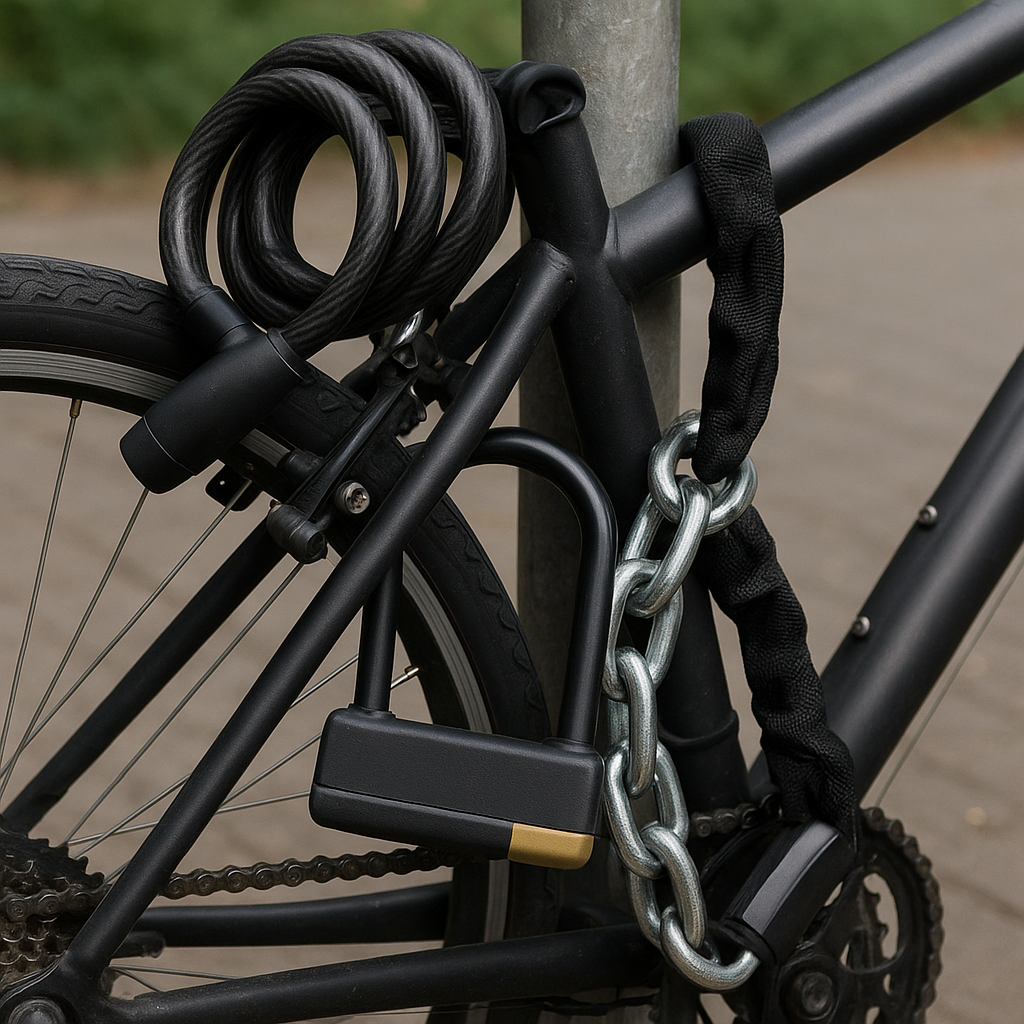
- U-Locks (D-Locks): Forged steel shackles resist leverage attacks and bolt cutters. They’re highly reliable but can be heavy and rigid.
- Chain Locks: Thick, hardened steel links coated in fabric for frame protection. Ideal for varied anchor points but can be bulky.
- Cable Locks: Flexible steel cables covered in vinyl. Lightweight and versatile, but generally less resistant to cutting tools.
- Folding Locks: Articulated steel bars linked with rivets. Compact when folded, offering mid-range security.
Material Matters
High-quality locks use materials such as boron steel, manganese steel, or reinforced alloys. These compositions increase hardness and reduce vulnerability to hacksaw or bolt cutter attacks.
Locking Mechanisms
- Keyed Systems: Pins or discs inside the cylinder. Look for anti-pick and anti-drill certifications.
- Combination Dials: No key required, but can be vulnerable to manipulations. Choose models with many digits for better security.
- Smart Locks: Bluetooth-enabled options offer smartphone integration, alarms, and tracking, but rely on battery life and software quality.
Top Bike Locks on the Market
We evaluated dozens of models and identified standout performers based on test results and user feedback. Below are four exemplary locks known for reliability, innovation, and overall value.
Kryptonite New York Fahgettaboudit U-Lock
- Shackle Thickness: 18 mm hardened steel
- Precision tubular key cylinder with anti-pick plating
- Sold Secure Gold and ART 2 Certified
- Extra-long crossbar for versatile locking options
- Feel the confidence of near-impenetrable design
Abus Bordo Granit XPlus Folding Lock
- 13 mm steel bars with special-tempered rivets
- Foldable design fits neatly in a frame-mounted bracket
- Secured by Abus XPlus cylinder for high cut and drill resistance
- Optimal blend of security and portability
OnGuard Mastiff Chain Lock
- 10 mm square chain links encased in nylon sleeve
- Dual locking mechanism secures both ends
- Key Retaining feature prevents misplacement
- Robust performance in high-risk areas
Kryptonite Evolution Series 4 Cable Lock
- 12 mm braided steel cable with PVC coating
- 24-inch length provides flexibility around larger objects
- Suitable as secondary lock for wheels or seat post
- Great for quick stops and added deterrence
Best Practices for Locking Your Bike
Even the strongest lock can be compromised by poor technique. Employ these recommendations to maximize effectiveness:
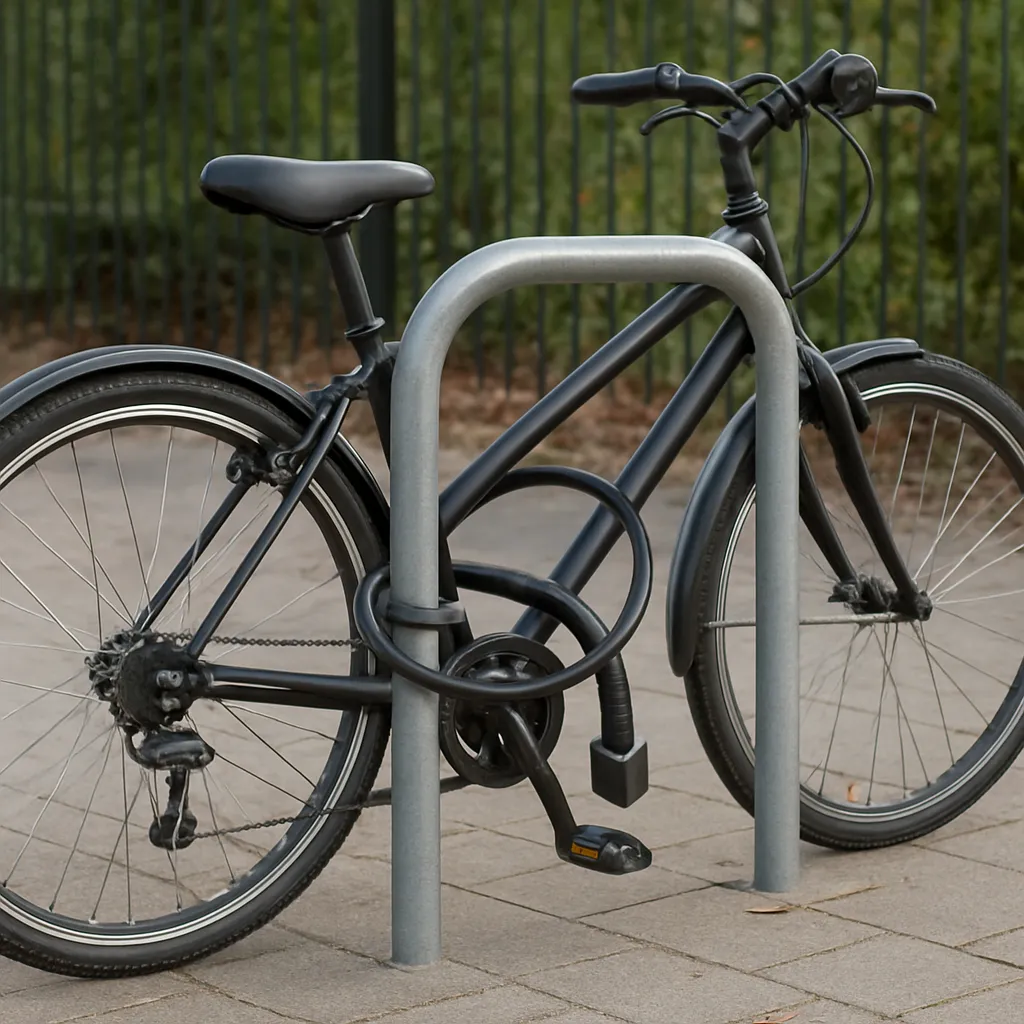
- Anchor to an immovable object: Choose sturdy bike racks or fixed posts that can’t be lifted or sawed at the base.
- Position the lock high: Keep the shackle off the ground to hinder leverage attacks.
- Fill empty space: Use additional locking points or a secondary lock to minimize room for tools.
- Secure removable parts: Attach wheels and saddles with quick-release locks or take them inside.
- Avoid isolated spots: Park in well-lit, busy areas under CCTV when possible.
Maintenance and Longevity
Periodic care extends the life of your lock. Apply lubricant to the cylinder, wipe away debris, and inspect for signs of wear. Proper upkeep keeps mechanisms operating smoothly and enhances overall durability.
Adapting to Weather Conditions
Rain, snow, and salt can corrode metal parts and clog internal mechanisms. After exposure, wipe down the lock and reapply a protective lubricant to prevent rust or freezing. This simple step preserves performance and ensures reliable unlocking when you need it.