Setting up a reliable home bike repair station empowers riders to tackle everything from routine tune-ups to more challenging overhauls. By equipping yourself with the right space, tools, and organization methods, you’ll ensure your bicycle remains in top condition, prolong its lifespan, and save time and money on professional services.
Essential Tools and Equipment
Investing in a core set of tools is the first step toward a fully functional workshop. Choose items that are durable and offer precision for a range of adjustments and fixes.
- Adjustable wrench – versatile for bolts and nuts of various sizes
- Hex key set (Allen wrenches) – critical for most modern components
- Torque wrench – ensures bolts are tightened with exact accuracy
- Chain tool – enables removal and installation of chain links
- Tire levers – assists in removing tires without damage
- Spoke wrench – used for truing wheels and maintaining stability
- Mouth pump or floor pump with pressure gauge – for accurate inflation
- Clean rags and brushes – essential for routine maintenance and degreasing
- Lubricants and degreasers – supports smooth operation and extends component longevity
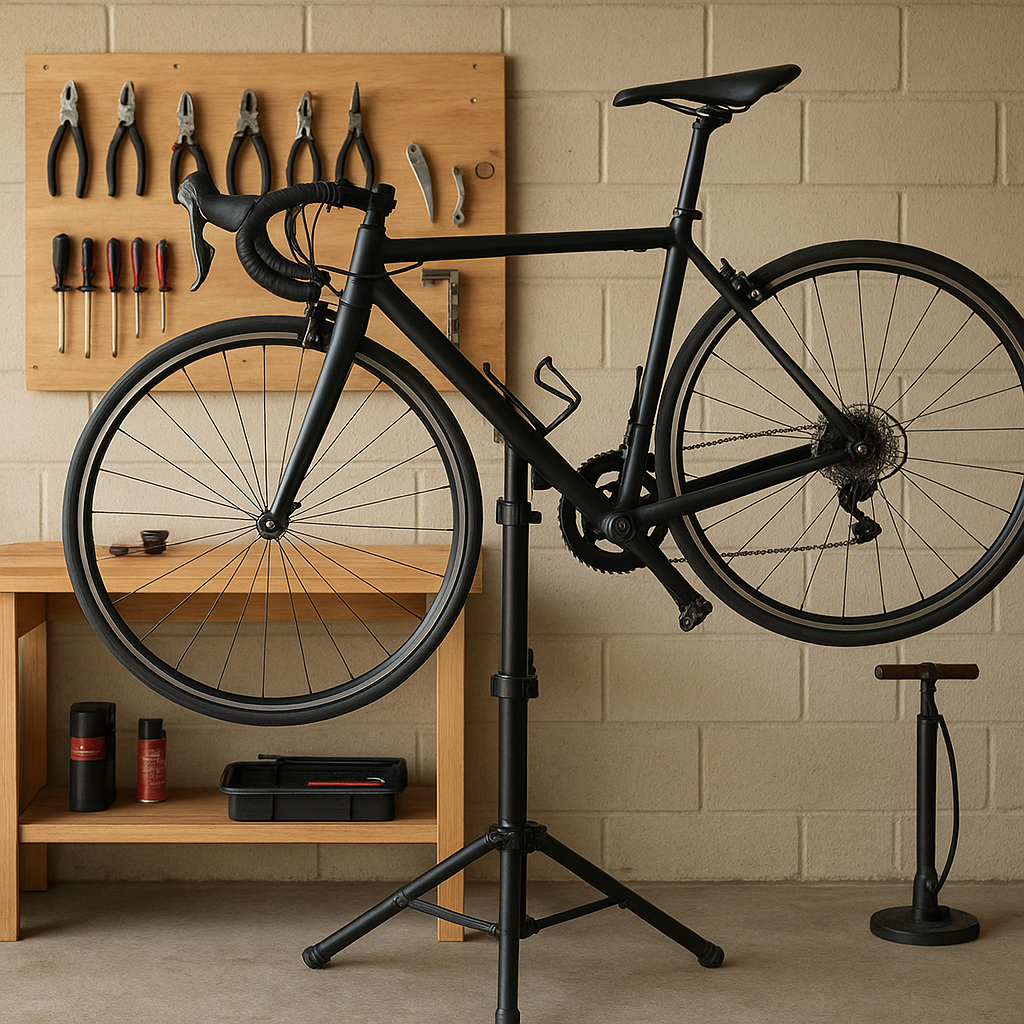
- Bike stand or workstand – holds the bike securely and improves efficiency during repairs
Choosing the Right Workspace
Your workshop environment influences both comfort and quality of work. Select an area that can accommodate tools, parts, and your bicycle’s full extension.
Lighting and Clearance
A well-lit space reduces the chance of missing small defects or misalignments. Natural daylight is ideal, but quality LED fixtures with adjustable arms will ensure you can illuminate tight spots around derailleurs and brake assemblies. Aim for a minimum of 500 lux of light directly over your workstation.
Workbench and Storage Solutions
A sturdy bench with a solid surface is invaluable. Incorporate the following features:
- Magnetic trays or small bins for holding screws, nuts, and washers
- Pegboard with hooks to keep frequently used wrenches and screwdrivers at arm’s reach
- Modular drawer units for cleaning supplies, spare parts, and specialty tools
- Open shelving for larger items such as pumps, stands, and boxes of replacement components
Setting Up Workstations for Specific Tasks
Organizing dedicated zones for common tasks will streamline your workflow and prevent cross‐contamination of fluids and grime.
Tire and Tube Repairs
Designate one side of your bench for tire work. Equip it with a rim holder or vice attachment to secure the wheel. Keep a selection of patches, spare tubes, and a mini-pump readily available. A small dish of soapy water can help detect slow leaks by observing bubbles around the tube.
Chain Maintenance and Lubrication
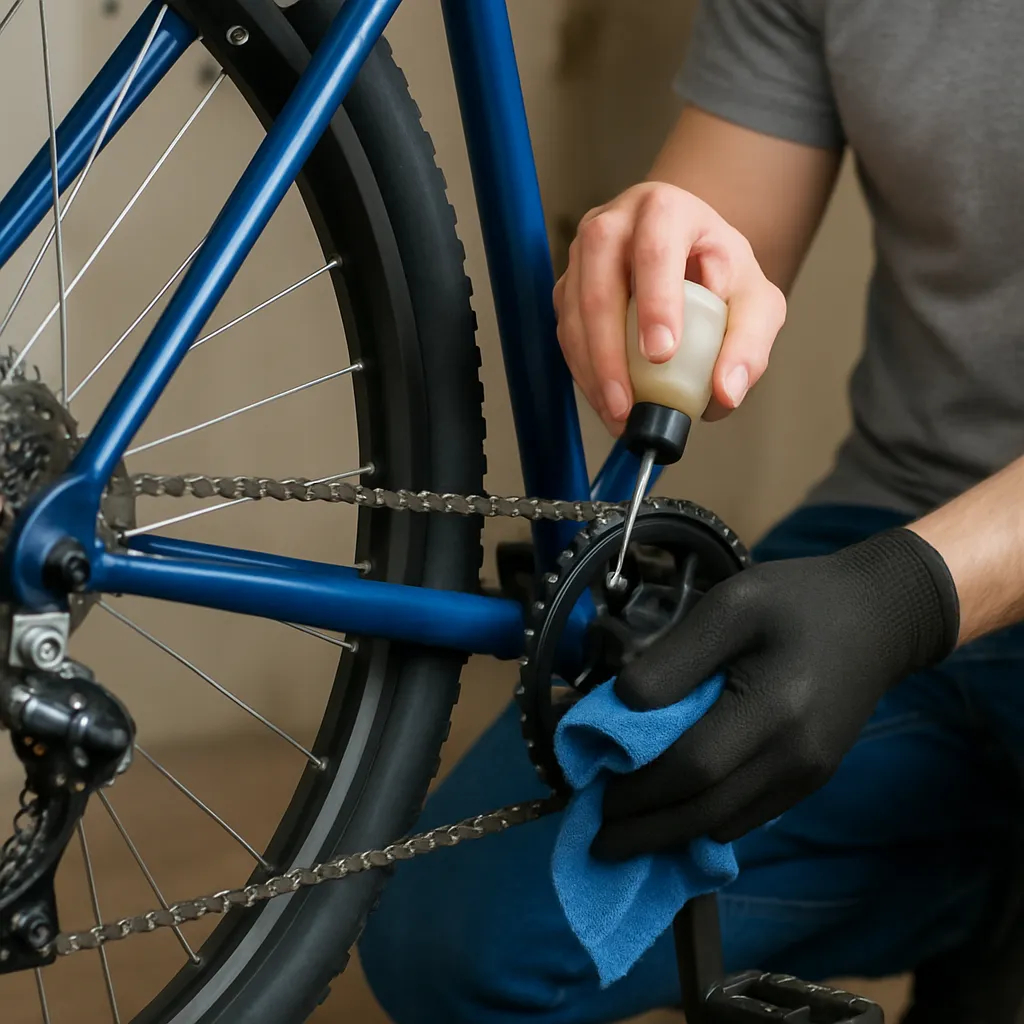
Set up a cleaning station with a container for solvent or biodegradable degreaser. Use a rotating brush or chain cleaner tool to remove old grease and dirt. After rinsing and drying, apply a high-quality chain lube, then wipe off excess to avoid attracting debris. Proper chain care enhances drivetrain efficiency and reduces wear on cassettes and chainrings.
Brake and Gear Adjustments
Position your bike stand so you can spin the rear wheel freely. Keep cable cutters, pliers, and extra housing segments at hand. Mechanical disc brakes and rim brakes both require periodic tension checks and pad alignment. For derailleurs, examine hanger alignment, limit screws, and cable tension. Fine adjustments with a barrel adjuster ensure crisp shifting under load.
Organization and Safety Practices
Maintaining a tidy station not only speeds up repairs but also reduces the risk of accidents. Establish consistent practices for storing tools, handling chemicals, and disposing of waste.
- Label drawers and bins so every item has a designated location
- Clean tools after use and return them immediately to prevent clutter
- Wear protective gloves and eyewear when using chemicals or cutting cables
- Keep a fire extinguisher and first‐aid kit accessible in your workspace
- Ventilate the area when working with solvents to minimize inhalation risks
- Inspect tools regularly for wear and replace anything that has lost its durability or precision