Embarking on a two-wheeled adventure can be incredibly rewarding, but understanding how far you’ve come requires intentional tracking and thoughtful reflection. Whether you’re training for your first century ride or simply aiming to commute more efficiently, measuring your growth over time transforms each pedal stroke into actionable insight.
Setting Your Cycling Goals
Before you begin logging data, clarify what you want to achieve. Clear objectives will guide which metrics matter most and keep you motivated during challenging rides.
- Distance targets: Decide if you aim to hit weekly mileage or conquer specific routes.
- Speed improvement: Monitor average pace and time trials to gauge acceleration.
- Endurance benchmarks: Build stamina by increasing ride duration gradually over weeks.
- Skill development: Focus on cornering, climbing, or handling techniques.
- Health and wellness: Track weight, heart rate, or recovery times as part of overall fitness.
By prioritizing no more than three goals initially, you avoid data overload and maintain consistency in your efforts.
Choosing the Right Metrics
Selecting what to record can feel overwhelming when you have access to myriad devices and apps. Focus on metrics that directly tie to your objectives.
Essential Quantitative Data
- Distance (km or miles): Fundamental gauge of volume.
- Time (hours/minutes): Helps calculate average speed.
- Elevation gain (meters/feet): Key for climbing-focused rides.
- Average and maximum speed: Reveals your capability in sprints and flats.
- Power output (watts): Offers precise insight into effort if you have a power meter.
Supplementary Qualitative Inputs
- Perceived exertion: Rate your effort on a 1–10 scale.
- Route difficulty: Note technical sections, traffic, or weather conditions.
- Physical sensations: Record aches, soreness, or heart-rate variability.
Combining both types creates a richer picture of your performance and informs smarter training adjustments.
Recording and Managing Your Data
Effective data collection is the backbone of progress tracking. Consistency and accuracy ensure that trends you observe are reliable.
- Smartphone apps: Popular platforms automatically sync GPS, speed, and elevation.
- GPS bike computers: Provide real-time feedback and store ride files for detailed post-ride review.
- Wearable devices: Track heart rate, cadence, and even sleep quality to correlate rest with on-bike output.
- Manual logs: A simple journal or spreadsheet can combine subjective notes with raw statistics.
Data Hygiene Best Practices
- Synchronize devices daily to avoid gaps.
- Label each ride clearly, including date, weather, and route name.
- Create backup copies of critical logs.
- Review data entries weekly to spot missing or suspicious values.
Maintaining clean records will save time when it’s time to conduct a deeper analysis.
Analyzing Trends and Making Adjustments
Once you’ve built a robust dataset, the next step is to identify patterns and apply insights to your training plan.
Visualizing Your Progress
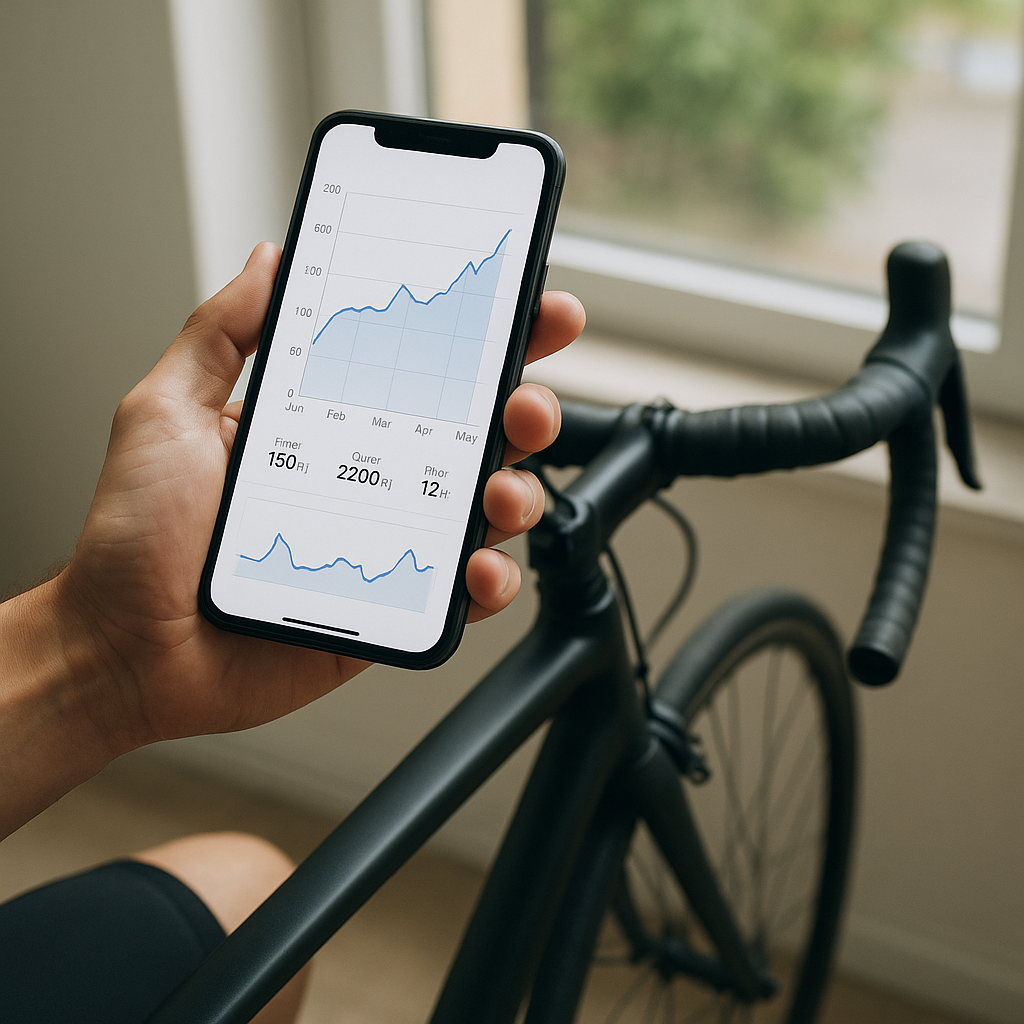
- Graphs of weekly mileage: Check for steady increases or abrupt dips.
- Speed distribution charts: See how often you operate at different pace zones.
- Power curve analysis: Track how your sustainable power evolves over months.
Interpreting Key Signals
- Plateaus in average speed may indicate a need for interval work or rest.
- Spikes in fatigue or declining heart-rate response can signal overtraining.
- Sudden performance jumps after technique sessions reflect skill acquisition.
Armed with these observations, adapt your schedule by adding recovery days, increasing intensity, or experimenting with new techniques for maximal gain.
Leveraging Technology for Enhanced Tracking
Modern tools offer unprecedented precision in monitoring every aspect of your ride. Integrating technology smartly streamlines the path toward your goals.
Advanced Devices
- Power meters: Deliver objective effort values essential for high-level training.
- Smart trainers: Allow indoor workouts with simulated resistance and performance metrics.
- Training software: Platforms that analyze workouts, propose structured plans, and sync seamlessly with your devices.
Community and Coaching Integration
- Online forums: Share ride files and get feedback from experienced cyclists.
- Virtual races: Test yourself on standardized courses against other riders globally.
- Professional coaching: Personalized oversight ensures your data drives optimal improvement.
When used thoughtfully, these resources tie into your existing logs to deliver a holistic view of your cycling journey.
Staying Motivated Through Visibility
Visible progress reinforces enthusiasm and commitment. Celebrate milestones—whether it’s a new personal best on a climb or simply completing your first consistent month of training.
- Create a visual board of achievements with photos and annotated statistics.
- Share progress updates with peers or social media groups to receive encouragement.
- Set mini-challenges: e.g., “Increase average speed by 1 km/h over four weeks.”
By acknowledging each success, you fuel the motivation needed for long-term dedication and sustained growth.