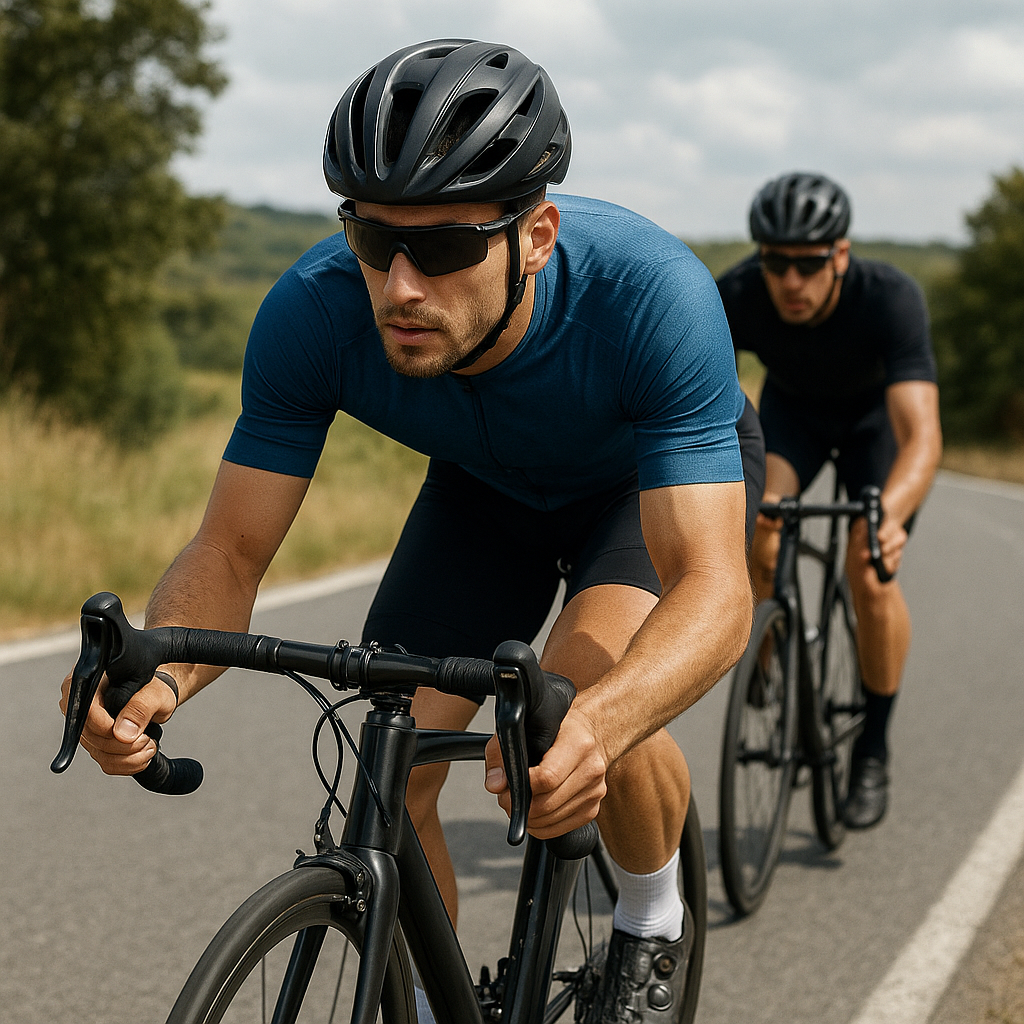
Drafting is a pivotal skill in competitive and recreational cycling that transforms raw power into remarkable efficiency. By riding closely behind a teammate or competitor, a cyclist can exploit a reduced air resistance zone known as the slipstream. Mastery of this art not only conserves energy but also enhances group dynamics, tactical options, and overall race performance.
Fundamentals of Drafting
The concept of drafting hinges on the principles of aerodynamics and fluid dynamics. As a cyclist moves forward at high velocity, they push air molecules aside, creating an area of lower pressure behind their body and bicycle. A following rider entering that low-pressure zone experiences significantly less wind resistance, often up to 30 percent lower drag. This reduction translates to remarkable gains in efficiency, allowing the trailing cyclist to maintain speed while expending far less energy.
In group rides or races, the collection of cyclists is commonly called a peloton. Within the peloton, riders rotate at the front to share the burden of cutting through the wind. Each rotation requires skillful timing and seamless communication to avoid gaps and sudden deceleration. A well-drilled group can sustain higher average speeds with minimal individual fatigue thanks to effective drafting rotations.
Techniques for Optimal Positioning
Riders must adopt a compact posture to maximize slipstream benefits. Key elements of technique include:
- Keeping the body low with elbows tucked in reduces frontal area.
- Maintaining a steady line directly behind the lead rider’s rear wheel.
- Watching the front wheel of the leader as a visual cue for sudden shifts.
- Synchronizing pedal strokes to avoid accelerations that break the draft.
Advanced riders may also use micro-adjustments—moving inches closer to the wheel ahead—to shave additional watts off their power output. However, this demands razor-sharp focus and lightning-fast reflexes. A single wobble or unexpected braking can cascade through the group, risking crashes and lost time.
Equipment and Aerodynamic Enhancements
While body position is paramount, specialized equipment can further amplify drafting gains. Components that savvy cyclists prioritize include:
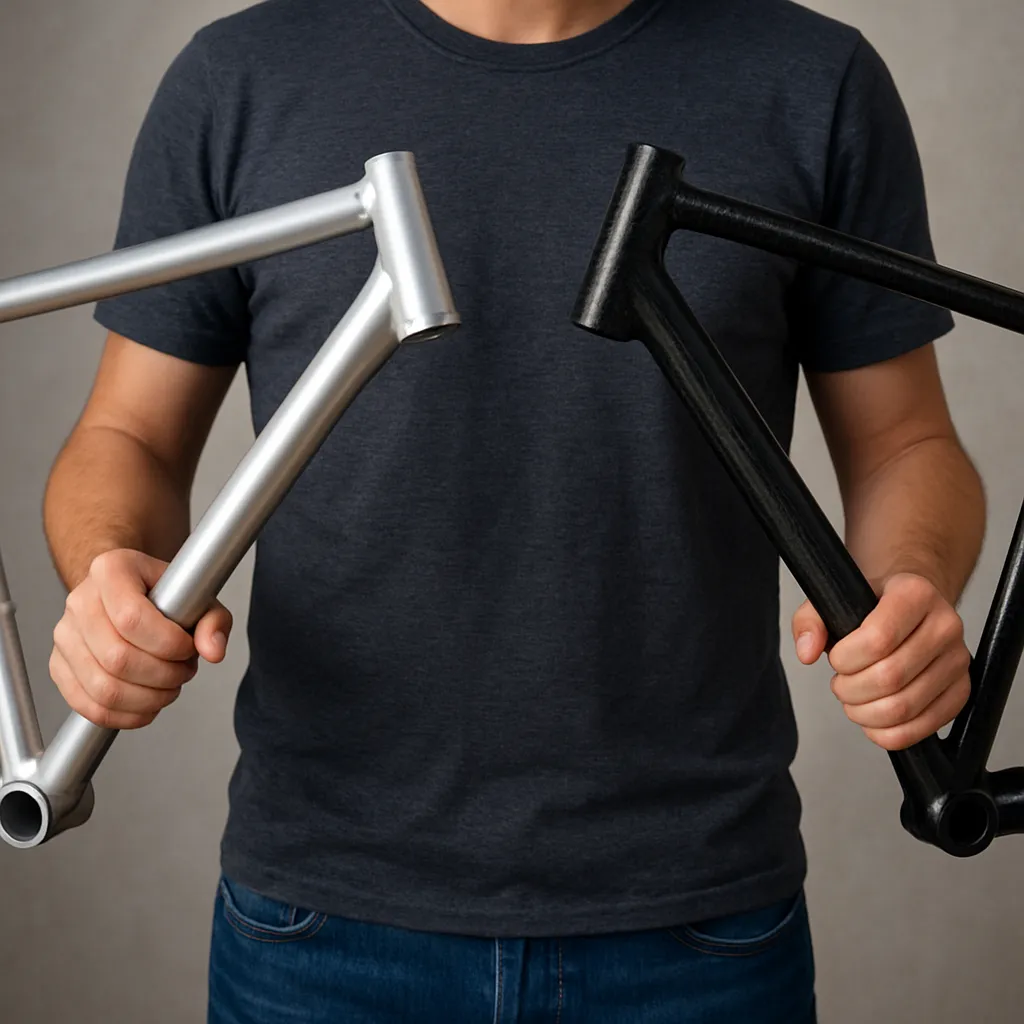
- Aero frames and wheels designed with optimized tube profiles and deep-section rims.
- High-pitch composite handlebars that encourage a more streamlined wrist angle.
- Snug-fitting racing apparel, including skinsuits and shoe covers to minimize turbulence.
- Helmet designs with rear ridges that channel airflow smoothly into the rider’s wake.
Even minor equipment choices, such as the width of tires or the type of spokes, can influence the size and stability of the slipstream. Teams often conduct wind tunnel testing and field trials to determine the perfect combination of components for a given course or weather condition.
Strategic Applications in Racing
Drafting is not just an endurance tactic; it’s a potent weapon for strategic maneuvers. In stage races, breakaways rely on one or two riders sharing work until the final kilometers, hoping to stay clear of a chasing pack. Those chasers benefit from rotating through the front, conserving precious energy before a sprint finish. Meanwhile, sprinters sit locked into the draft, awaiting the last few hundred meters to launch their explosive attack.
Time-trial events often prohibit traditional drafting, but in team time trials, cyclists ride in a tight single line, each taking long turns at the front. Excellent coordination and constant communication prevent sudden surges or decelerations that could fracture the group. The result is a blistering pace that combines individual power with collective strategy.
Small Group Tactics
When a handful of riders break free, they form a mini-peloton. Here, every rider’s contribution matters more. If one member sits out of the rotation, the group’s average speed dips drastically. Successful breakaway crews employ techniques such as:
- Short, intense pulls to fend off counterattacks.
- Coordinated pacing to match crosswind sections and climbs.
- Sharing information on gaps, course changes, and chasing groups.
Occasionally, a savvy cyclist may feign weakness or reluctance to share work, luring others into doing the bulk of the pulls. Mastering such psychological games requires nerves of steel and intimate knowledge of fellow competitors.
Training Drills to Develop Drafting Skills
Teams and cycling clubs often incorporate specific drills to sharpen riders’ comfort and confidence in the slipstream:
- Paceline exercises: Groups of six to ten riders form a rotating line, practicing perfect exchanges every 30 seconds.
- Bridge efforts: A solo rider accelerates away, then the chasing group practices reeling them in without overshooting.
- Simulated crosswinds: Riders practice echelon formations, cutting diagonal lines to stay sheltered from side gusts.
These sessions enhance bike-handling skills, build trust among team members, and develop an instinctive feel for gaps and recovery periods. The cumulative effect is heightened performance during races and group events.
Psychological Aspects
Riding inches from another cyclist can be unnerving at first. Overcoming fear and building mutual respect are essential. Teammates often hold open discussions about comfort levels, preferred distances, and signals for unexpected obstacles. Clear communication and steady confidence reduce hesitancy, enabling riders to maintain the tightest, most effective formations.
Safety Considerations and Best Practices
While drafting offers undeniable benefits, it carries inherent risks. Collisions in a fast-moving group can have serious consequences. To minimize hazards, adopters of drafting should observe these guidelines:
- Maintain a safe following distance in wet or slippery conditions.
- Use clear hand signals for obstacles, turns, and sudden speed changes.
- Wear protective gear, including a well-ventilated helmet and gloves.
- Practice braking drills to ensure controlled deceleration when needed.
Keeping equipment, such as brakes and tires, in peak condition further reduces emergency situations. Regular maintenance checks are as vital as physical training for preventing accidents.
Environmental Factors
Wind direction, road gradient, and surface quality all influence drafting effectiveness. On a steep climb, the slipstream effect diminishes, prompting a shift to powered climbing techniques. Conversely, on flat, exposed sections, drafting potential soars, making it the ideal moment for team time trials or high-speed chase formations.
Legal and Ethical Aspects
Cycling federations often impose rules on drafting during individual time trials and triathlons to ensure fairness. Riders must stay a specified distance behind other competitors or risk penalties. Understanding and respecting these regulations preserves the integrity of competition and upholds sportsmanship.
By integrating physics, psychology, and finely tuned equipment, cyclists can unlock transformative gains through drafting. Whether in a casual group ride, a competitive road race, or a team time trial, the art of moving together as one aerodynamic unit remains one of the most compelling facets of bicycle sport.