Joining a group ride can feel daunting at first, yet it offers a unique opportunity to improve your skills, make new friends, and enjoy the open road together. Whether you’re a seasoned cyclist or just stepping up from solo spins, understanding the dynamics of riding with others will help you feel more secure and connected. This guide will walk you through essential strategies to boost your confidence, enhance team cohesion, and stay safe as you explore new routes side by side with fellow enthusiasts.
Preparation for Group Riding
Proper preparation is the foundation of any successful group experience. Before joining your first ride, take these key steps:
- Check Your Equipment: Ensure your bike is in good working order. Inspect brakes, tires, and gears for any wear. A quick tune-up or professional service can prevent mechanical issues mid-ride.
- Know the Route: Study the course profile and terrain. Familiarize yourself with major climbs, descents, and any tricky intersections. Good navigation minimizes surprises and lets you focus on the group.
- Build Endurance Gradually: If the advertised pace seems faster than your usual training speeds, incorporate interval sessions or longer rides in your training plan to close the gap.
- Fuel and Hydration Plan: Carry spare tubes, a pump, energy bars, and electrolyte drinks. Plan hydration stops if the ride spans several hours.
- Dress for Conditions: Layer your kit to match the weather forecast. Carry lightweight rain gear or arm warmers in cooler conditions.
Communication and Safety on the Road
Effective communication keeps everyone informed, predicts hazards, and maintains a smooth flow. Follow these guidelines to ride safely:
- Hand Signals and Calls: Use standard gestures to indicate turns, stops, and obstacles. Call out words like “hole,” “gravel,” or “car up” to alert those behind you.
- Maintain a Predictable Line: Steer steadily and avoid sudden swerves. This helps riders close behind trust your movements.
- Observe Safe Distances: Keep one to two bike lengths between you and the rider ahead to allow time to react without overlapping wheels.
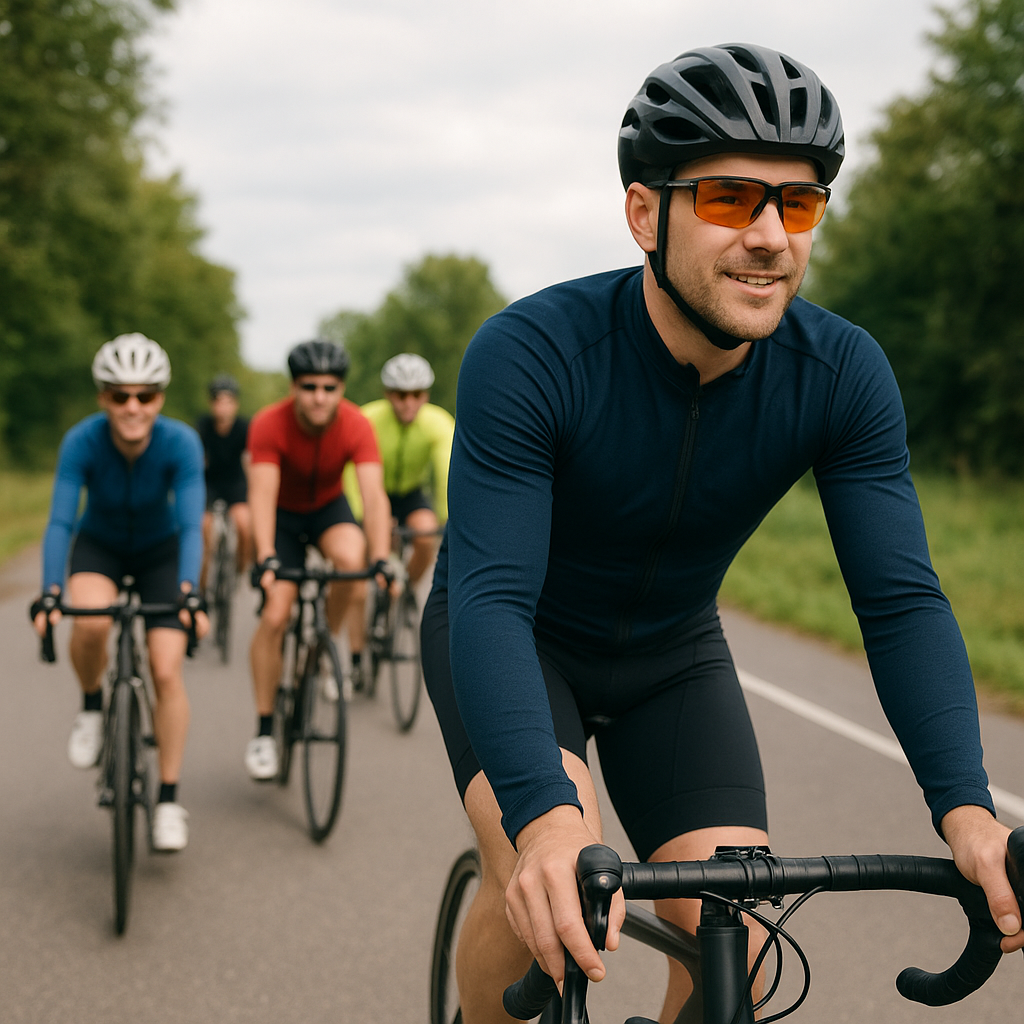
- Rotate in an Organized Paceline: When the group is large and the pace high, learn to rotate smoothly. Each rider spends a turn at the front, shielding others from wind resistance.
- Obey Traffic Laws: Even in a group, you remain subject to stop signs, traffic lights, and local regulations. Stopping abruptly to run a red light packs up the group dangerously.
- Communicate Mechanical Issues: If you experience a flat or a chain drop, signal by pointing to your wheel and slowing down gradually, then move off the line to address the issue.
Techniques to Build Confidence
By practicing specific drills and focusing on small wins, you’ll quickly feel at ease in a group environment:
Drafting and Slipstreaming
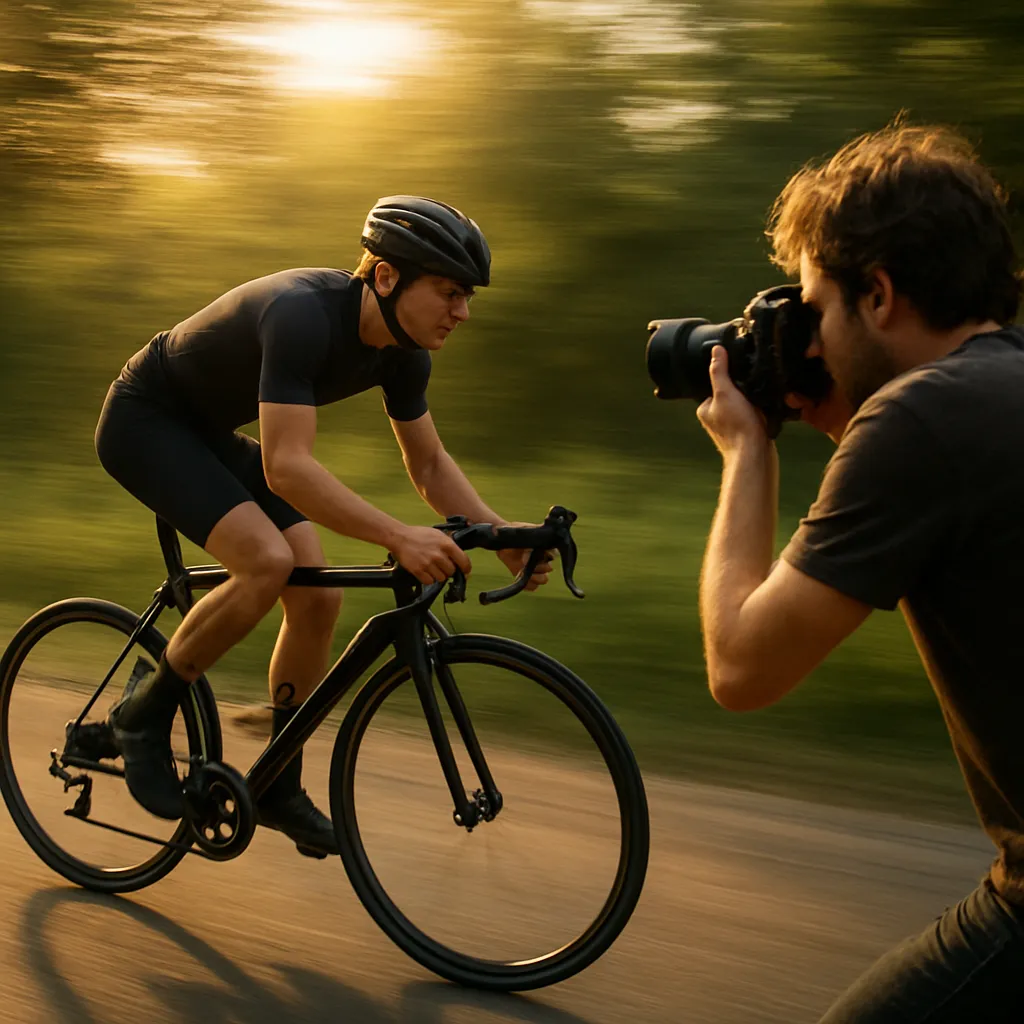
Staying close behind another rider reduces wind drag by up to 30%. To improve your drafting technique:
- Keep your front wheel just behind the rear wheel of the rider ahead, ideally 6–12 inches away.
- Relax your upper body and maintain a steady pedal stroke, avoiding sudden braking or jerky movements.
- Practice on quieter roads or with a friend before attempting a large group ride.
Pacing and Rotations
A consistent pacing strategy prevents burnout and keeps the group intact:
- Take short pulls at the front—typically 30 seconds to one minute—before rotating to the back.
- Speak up if the pace feels too fast. Most groups appreciate honest feedback and will adjust accordingly.
- If you pull harder than planned, ease back so that you don’t create gaps when you swing off.
Cornering and Descending
Sharp turns and steep downhills demand trust in your skills and your mates:
- Practice cornering off the pace. Lean your bike, not your body, and look through the turn to where you want to go.
- Signal your intention to brake or take a different line well before the turn.
- On descents, maintain a loose grip and keep your weight centered. Alert the group to any debris, potholes, or wet patches.
Essential Equipment and Maintenance
Having reliable equipment and knowing basic repairs ensures you won’t be the weak link in the chain:
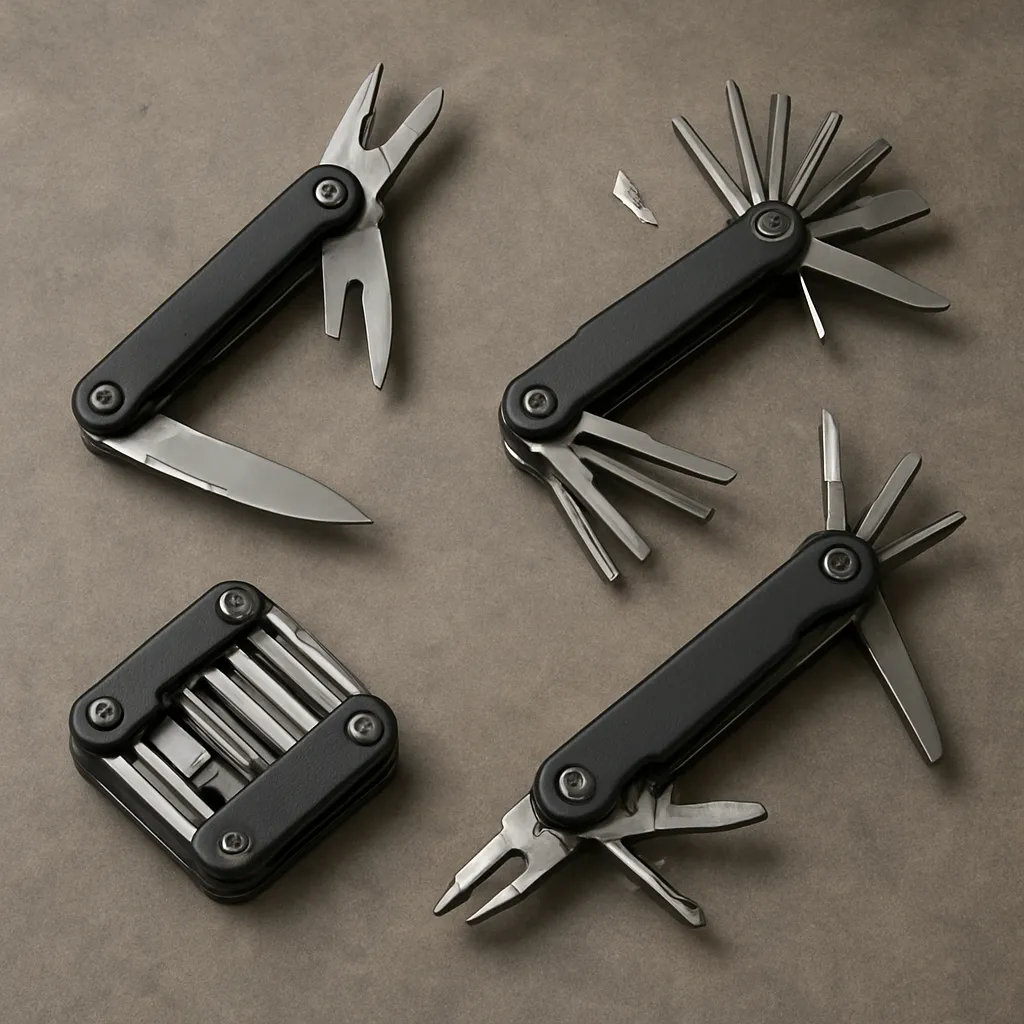
- Carry a Multi-Tool and Spare Tubes: Quick tire changes and minor mechanical fixes save time and hassle.
- Wear a Well-Fitted Helmet: Protect your head from impacts. Replace it every few years or after a significant crash.
- High-Visibility Clothing: Bright jerseys or reflective strips help motorists spot you earlier, especially in low-light conditions.
- Lights and Reflectors: Front and rear lights are vital when dusk falls or if the group starts early in the morning.
- Know How to Fix a Flat: Practice tube replacement in your garage so you’re not fumbling when tension is high.
Building Long-Term Confidence
Joining regular group rides, volunteering to lead parts of the route, and sharing your own tips are great ways to reinforce your self-assurance:
- Attend Skills Clinics: Many clubs offer sessions focusing on drafting, handling, and emergency maneuvers.
- Set Personal Goals: Aim to lead a segment or pace a smaller group on a shorter route.
- Foster Friendships: Riding with familiar faces reduces anxiety and builds a support network.
- Reflect on Progress: Keep a ride journal or log your metrics to see how your confidence and performance improve over time.