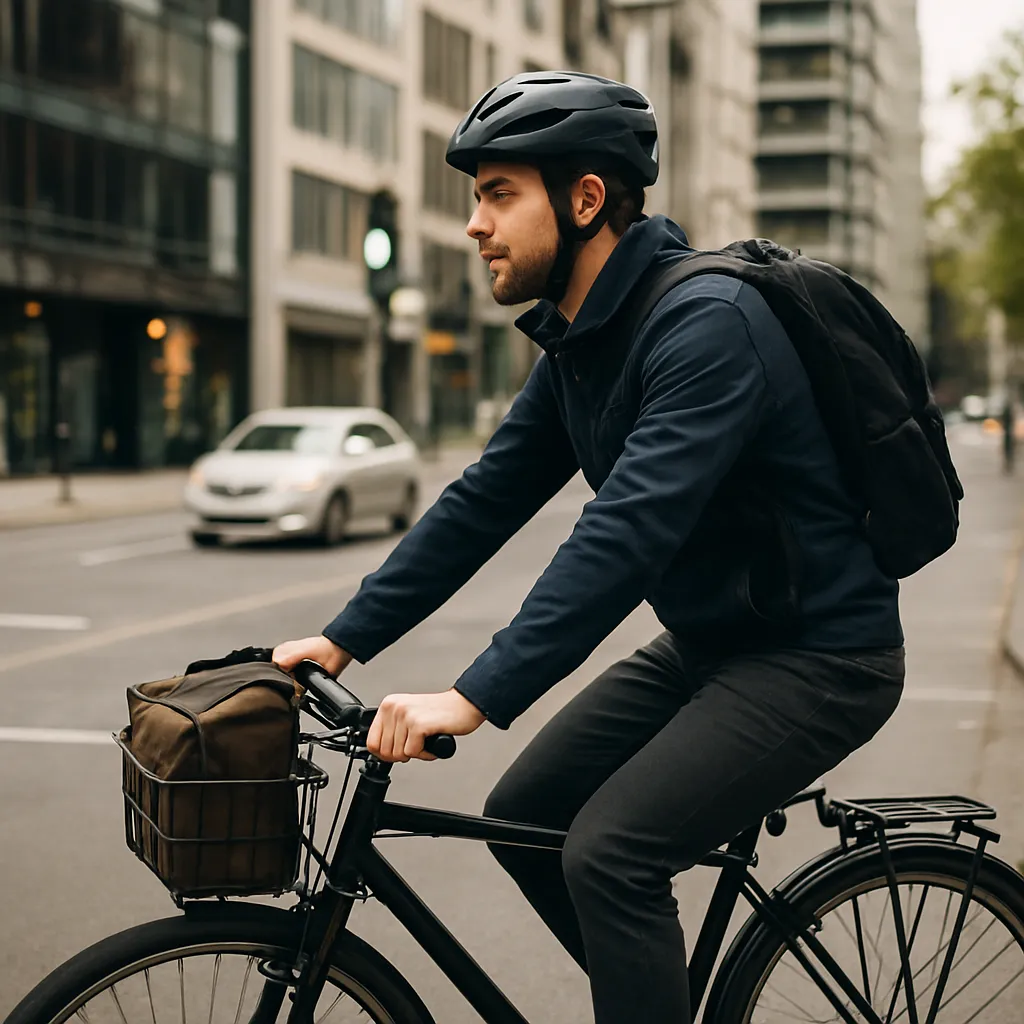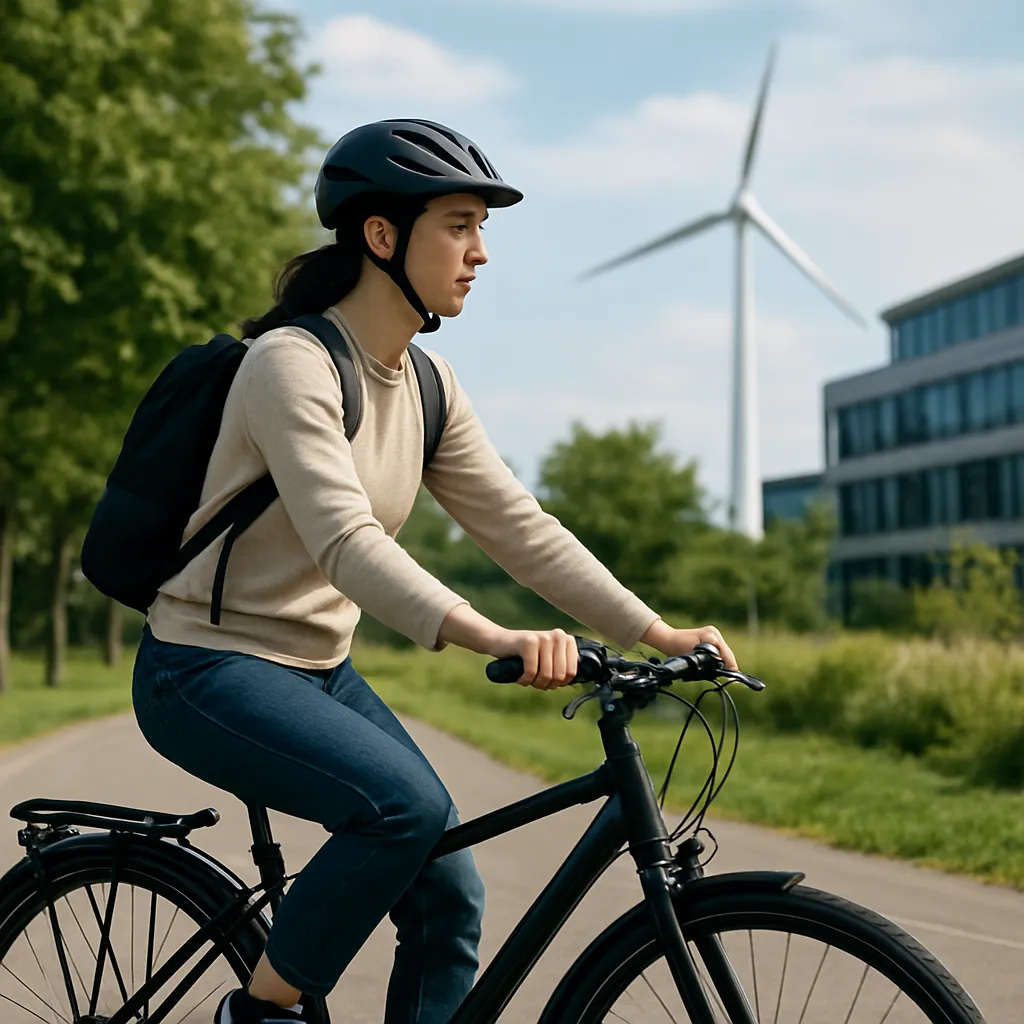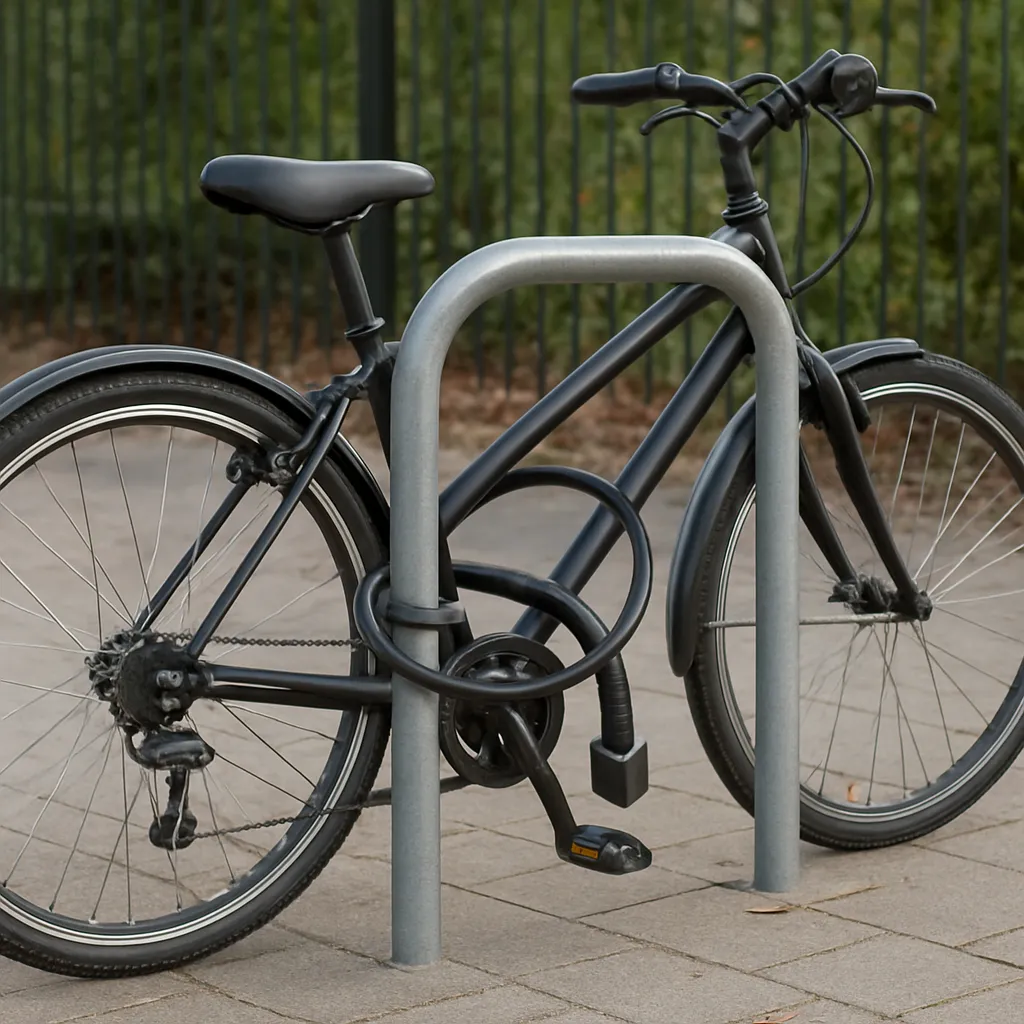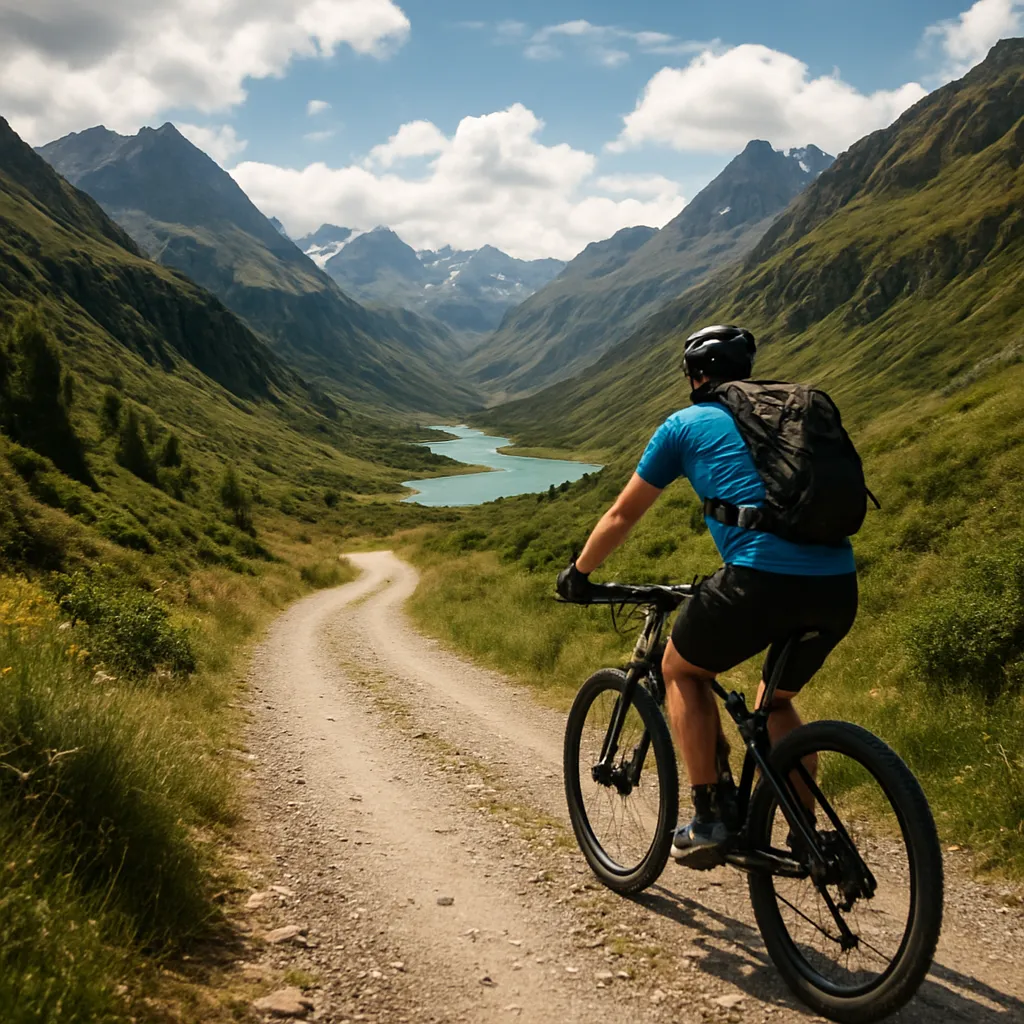
Cycling has emerged as a powerful symbol of modern urban life, blending recreational pleasure with practical transport solutions. Embracing two wheels instead of four can lead to dramatic improvements in air quality, personal well-being, and city dynamics. More than just a pastime, pedal-powered travel directly addresses pressing environmental challenges while fostering robust social ties and reshaping the economic landscape of metropolitan areas. Through this exploration, readers will discover how the humble bicycle stands as an icon of sustainability and progress.
Environmental Benefits of Cycling
Transportation systems account for a substantial portion of global emissions, contributing to rising temperatures and deteriorating air quality. By choosing a bike over a car, individuals make an immediate impact on reducing greenhouse gas outputs. Unlike motorized vehicles that rely on fossil fuels, bicycles operate purely on human energy, generating zero tailpipe pollutants. This simple shift can lower each rider’s carbon footprint, offering a scalable solution to eco-conscious travel.
Cleaner Air and Reduced Pollution
- Each car trip replaced by a bike ride can eliminate over 200 grams of carbon dioxide per kilometer.
- Airborne particulates from wheel brakes and fuel combustion decline in areas with high cycling usage.
- Lower noise pollution contributes to more peaceful urban environments and healthier wildlife habitats.
Preserving Natural Resources
Bicycles demand far fewer materials to manufacture compared to cars. Production of a typical bicycle requires less steel and plastic, and consumes minimal energy during assembly. Maintenance and repair are straightforward, extending the lifespan of each unit and reducing waste destined for landfills. Such qualities make cycling a champion of resource conservation and a beacon of responsible consumption.
Integrated with public transit, bikes enable last-mile connectivity, encouraging multimodal journeys that further reduce reliance on fuel-hungry automobiles. Cities investing in protected lanes and secure parking see dramatic upticks in ridership, proving that urban design intertwined with cycling can transform the very air we breathe.
Health and Social Advantages
Riding a bicycle is an accessible way to boost health and overall fitness. Unlike intensive gym sessions, cycling accommodates a broad range of abilities and ages. It’s a low-impact activity that strengthens muscles, enhances cardiovascular endurance, and promotes joint flexibility without the strain associated with running or weightlifting.
Physical Wellness and Mental Clarity
Regular cycling has been linked to lower risks of chronic diseases such as hypertension, diabetes, and certain cancers. The rhythmic motion of pedaling stimulates endorphin release, reducing stress levels and alleviating symptoms of anxiety and depression. Commuters often report arriving at work feeling invigorated and mentally sharper compared to those who drive through congested traffic.
Building Social Bonds
- Group rides foster a sense of community and shared purpose, encouraging riders from diverse backgrounds to connect.
- Cycling clubs and events create networks of support, offering mentorship for novice riders and camaraderie for seasoned enthusiasts.
- Family bike outings strengthen relationships while instilling eco-friendly values in younger generations.
Urban planners striving for more cohesive societies recognize that bike lanes and public cycling programs serve as social catalysts. Neighborhoods with abundant cycling infrastructure often experience reduced crime rates and greater civic engagement, proving that two-wheeled transport transcends mere carriage to become a tool for social cohesion.
Economic and Urban Impact
Beyond personal savings on fuel and parking, communities benefit economically from cycling through reduced healthcare costs, lower infrastructure expenses, and increased retail activity along bike routes. Municipal budgets can allocate fewer resources to road repairs, as bicycles impose negligible wear on pavement compared to heavy vehicles.
Cost-Effective Mobility
- Purchasing and maintaining a bike is remarkably economical compared to owning a car.
- Cyclists incur minimal expenses for insurance, registration, and parking fees.
- Public bike-sharing programs offer affordable hourly rates that outcompete taxi fares and ride-hailing services.
Transforming Urban Planning
Forward-thinking cities embed cycling into their core urban planning strategies, redesigning streets to prioritize human-powered travel. Protected lanes, bike boxes at intersections, and traffic-calming measures ensure safe coexistence between cyclists and motorists. These modifications not only elevate safety for all road users but also reclaim public space previously dominated by parked cars and wide roadways.
Economic studies reveal that local businesses along cycling corridors see increased foot traffic and higher consumer spending. Cafés, shops, and markets thrive when accessible by bike, generating jobs and stimulating vibrant street life. Tourists, too, often choose destinations with robust cycling networks, boosting hospitality sectors in eco-conscious regions.
Ultimately, the bicycle embodies a multifaceted solution: it advances ecological goals, fortifies personal well-being, and energizes urban economies. As cities worldwide embrace two-wheeled mobility, the vision of cleaner, healthier, and more connected communities comes ever closer to reality.