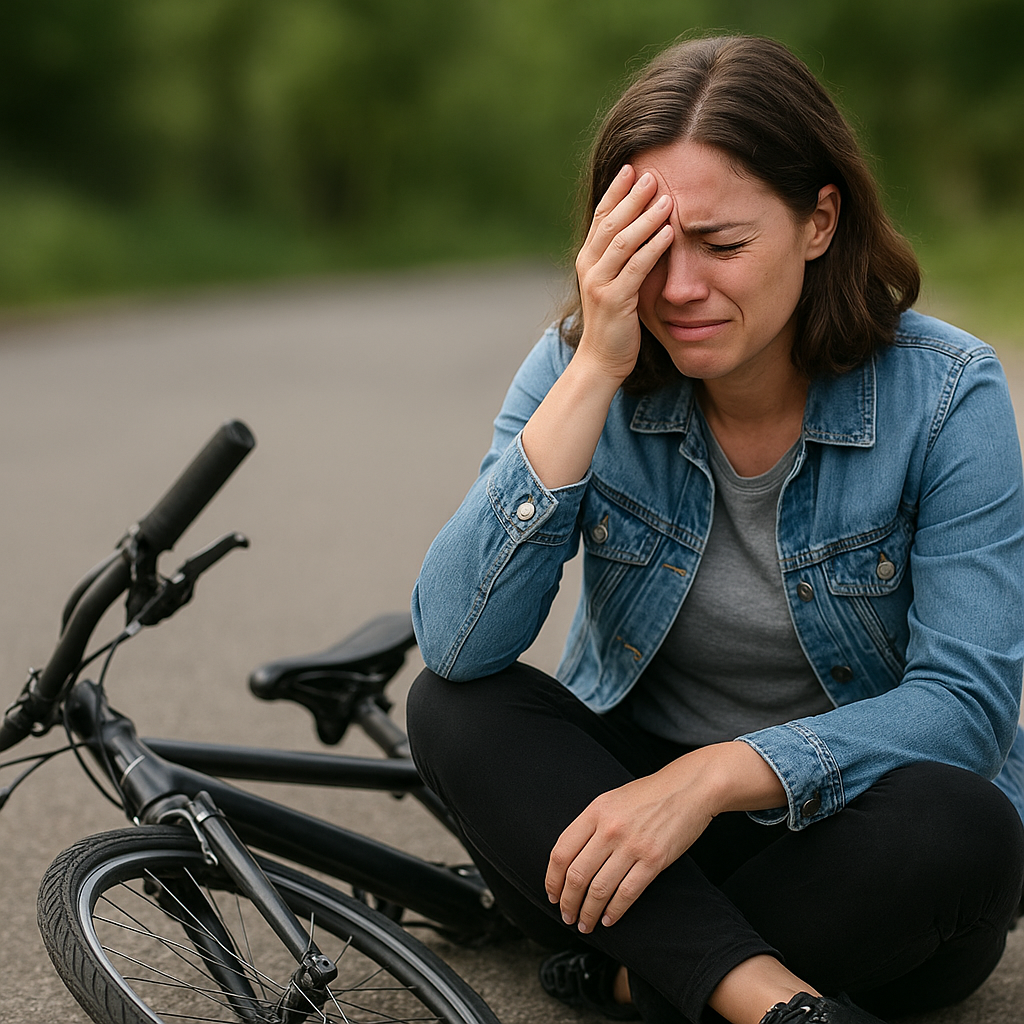
Recovering from a bike accident often involves more than just healing scrapes and bruises. Many cyclists face a mental barrier that can keep them off the saddle for weeks, months or even years. Fear is a natural reaction to a traumatic event, and overcoming it requires a combination of strategies focused on physical readiness, emotional resilience and gradual exposure. By acknowledging anxiety, seeking proper guidance and investing in both mental and physical training, riders can rebuild their trust in their equipment, their skills and their own abilities. Below are practical approaches and techniques to help you reclaim the joy of cycling, manage stress and ride confidently once again.
Understanding Emotional Recovery and Building Resilience
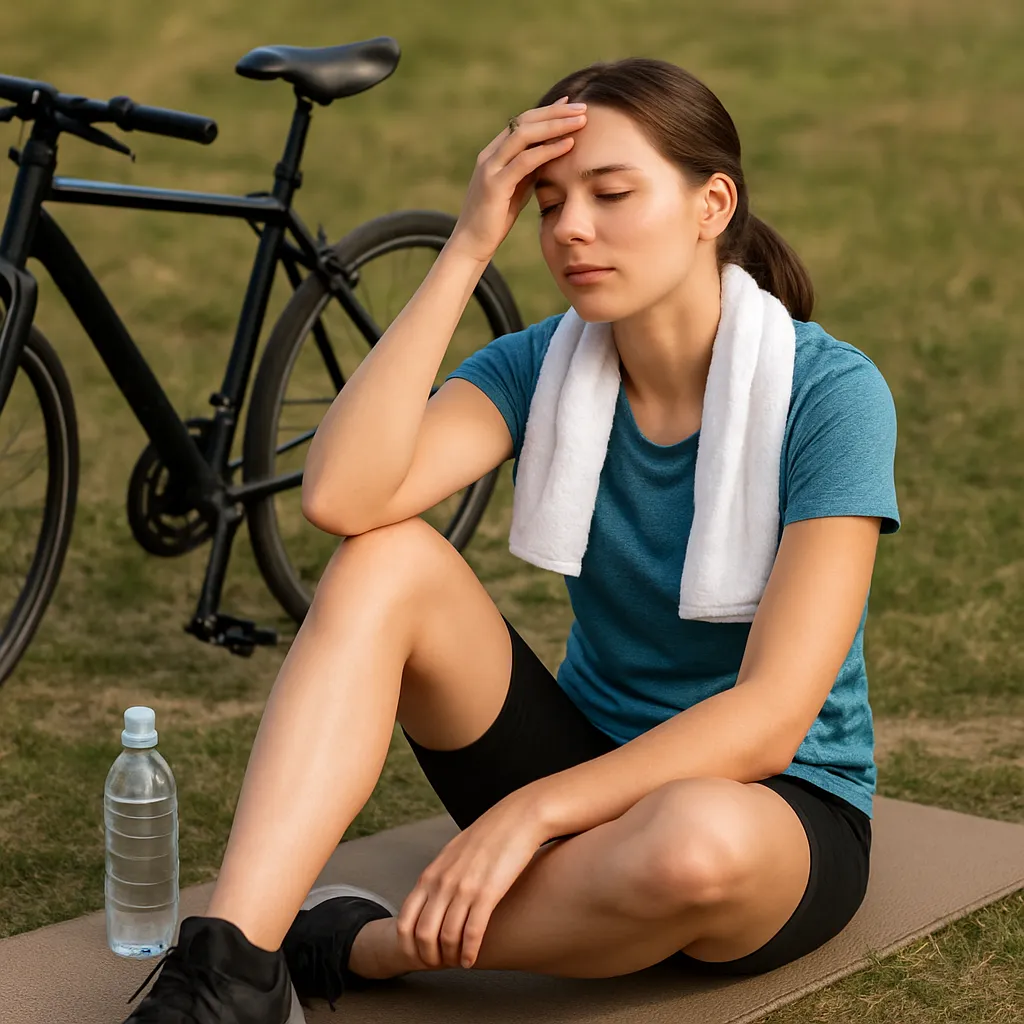
Every cyclist’s journey back to the road begins with acknowledging the emotional impact of a crash. Fear can manifest as sweaty palms, a racing heart or an urge to avoid cycling altogether. These are normal responses triggered by the body’s fight-or-flight mechanism. The first step toward recovery is to identify the specific triggers—whether it’s speeding down a hill, riding in traffic or navigating loose gravel on a trail.
- Mindset shift: Reframe the experience as a learning opportunity. Instead of viewing the accident as proof of ineptitude, recognize it as a momentary lapse or unforeseen circumstance.
- Professional support: Consulting a sports psychologist or counselor can help you process trauma and develop coping strategies tailored to cycling-related fears.
- Peer discussion: Joining a cycling club or online forum allows you to share stories, learn from others who have faced similar challenges and gain perspective on the universal nature of fear after an accident.
Building resilience involves setting small, achievable goals and celebrating each success. Whether it’s a brief ride around the block or a flat, familiar route, every pedal stroke reinforces positive associations. Gradually increasing distance and complexity helps you regain control and reduces the power of fearful memories.
Physical Preparation and Bike Maintenance
After an accident, it’s crucial to ensure that both your body and your bicycle are ready for safe riding. Physical conditioning not only improves performance but also boosts your confidence in handling unexpected situations on the road or trail.
- Strength training: Focus on core muscles, legs and stability exercises to enhance balance and reduce fatigue during long rides.
- Flexibility and mobility: Incorporate stretching routines, yoga or foam rolling to maintain joint health and prevent injuries that might exacerbate anxiety.
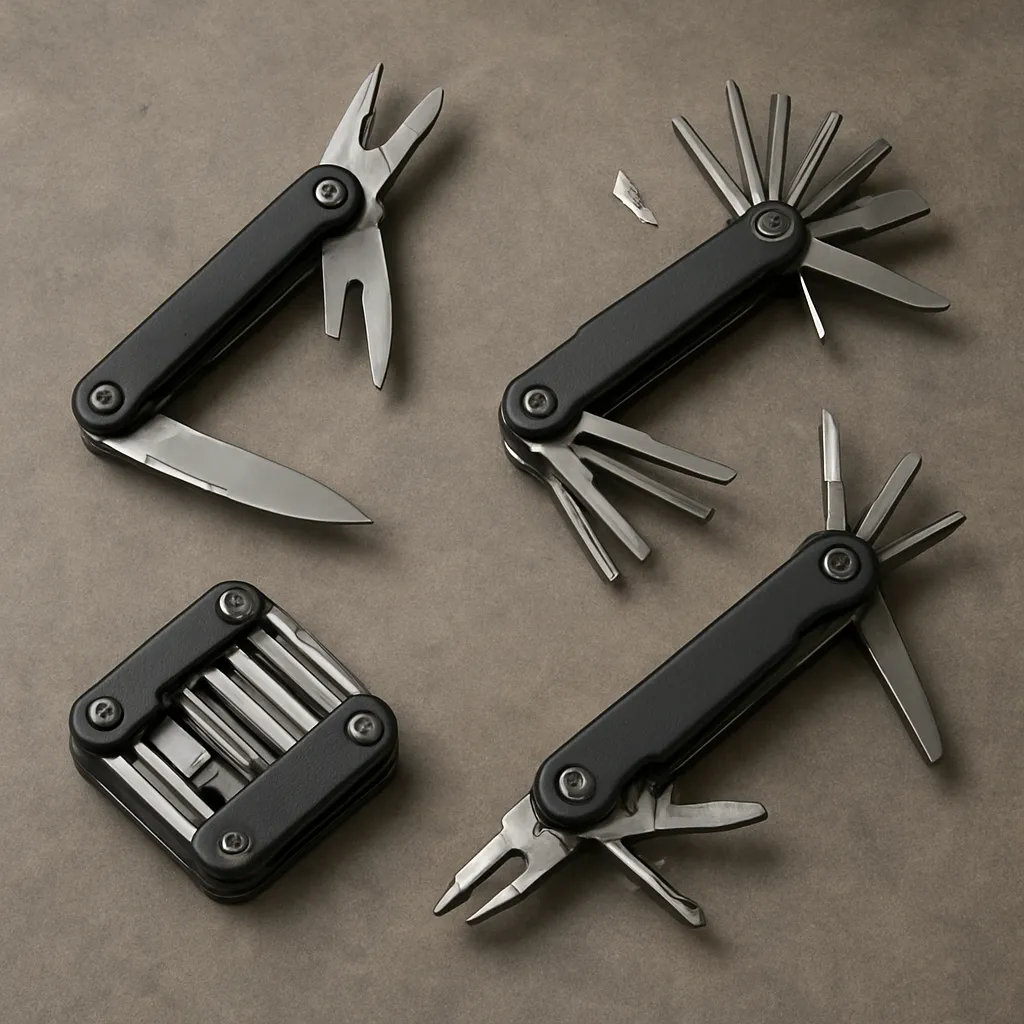
- Bike inspection: A thorough check-up at a local shop or by yourself can address mechanical issues that could cause worry mid-ride. Pay special attention to brakes, tires, chain tension and headset alignment.
- Protective gear upgrade: Investing in a high-quality helmet, gloves, eyewear and reflective clothing can significantly improve your sense of safety and lower your stress when riding near vehicles or on rugged terrain.
Knowing that your bike is in top condition reduces the cognitive load during a ride. You can focus on the scenery, the rhythm of your pedaling and the technical aspects of navigation rather than worrying about equipment failure.
Gradual Exposure Techniques for Cycling Confidence
Gradual exposure is a proven method for overcoming fear. It involves confronting anxiety-provoking situations in a controlled, incremental manner until the stress response diminishes. For cyclists, this means designing a structured plan that reintroduces various aspects of riding at a pace that feels challenging but not overwhelming.
- Step-by-step distance increase: Start with a 5–10 minute ride on a flat, quiet road. Track your heart rate and stress levels, then extend the ride by 5 minutes each session.
- Terrain progression: Begin on smooth asphalt, then move to light gravel, short hills and finally steeper grades. Each new surface builds progress and familiarity.
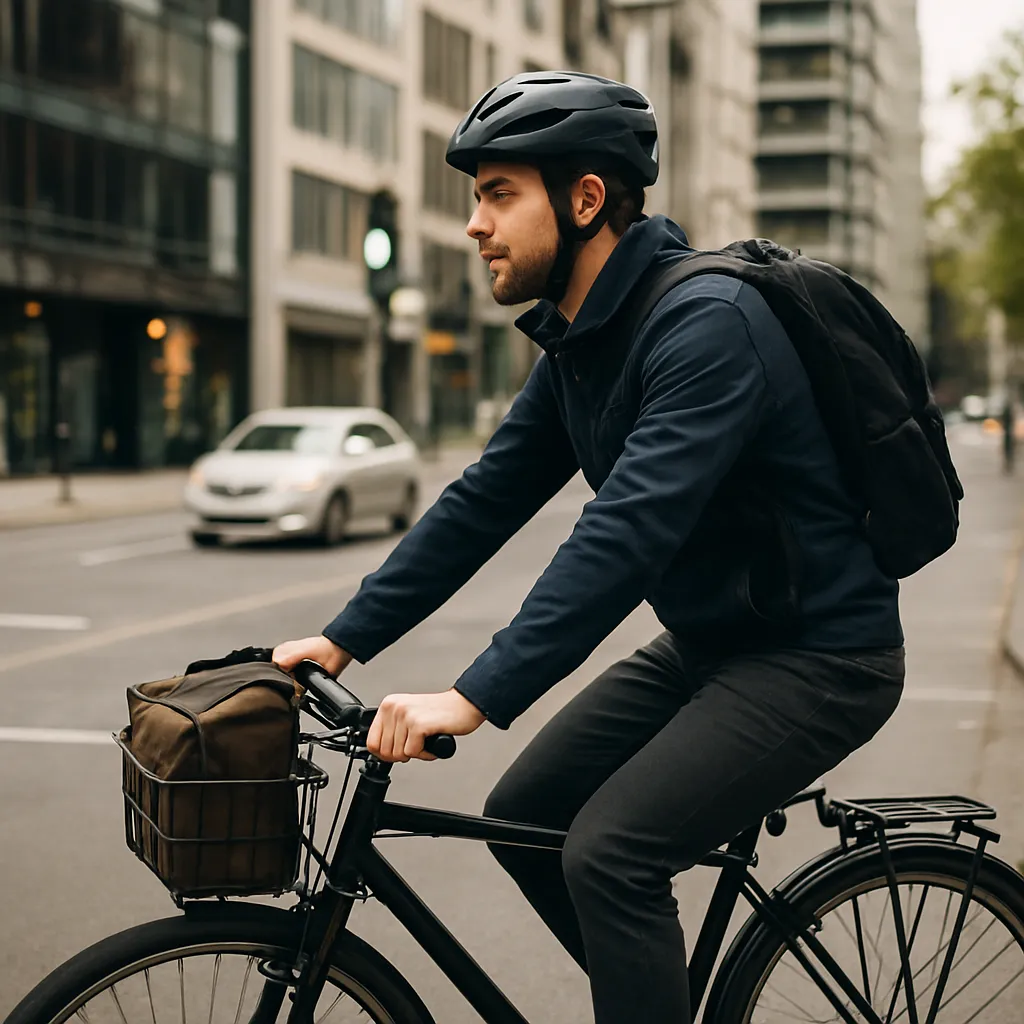
- Controlled traffic drills: Practice riding in low-traffic conditions before tackling busier streets. Use bike lanes, multi-use paths and local parks to refine your spatial awareness.
- Group rides: Riding with experienced cyclists can boost morale. Observing their line choice, braking points and cornering technique is an informal visualization exercise you can apply on solo rides.
- Mental rehearsal: Off the bike, visualize yourself confidently navigating the specific scenario you fear—be it a busy intersection, a fast descent or a sharp curve. This mental practice primes your brain for real-life execution.
By breaking the process into manageable steps, you transform a daunting challenge into a series of attainable milestones. As you master each level, the fear response attenuates and your overall confidence blossoms.
Cultivating Support Networks and Sustainable Habits
Recovery is rarely a solo endeavor. Surrounding yourself with supportive individuals and adopting healthy lifestyle habits accelerates both physical healing and mental fortitude. Community involvement and consistent routines create an environment where fear loses its grip over time.
Finding the Right Cycling Community
- Local clubs: Many bike shops and community centers host weekly rides for all skill levels. Look for “no-drop” groups that prioritize camaraderie over competition.
- Online platforms: Forums, social media groups and cycling apps offer advice, route suggestions and encouragement from riders worldwide.
- Mentorship programs: Pairing up with a seasoned cyclist provides personalized guidance, from gear recommendations to advanced techniques for traffic negotiation.
Establishing Healthy Routines
- Regular training schedule: Consistency is key. Schedule rides, strength workouts and rest days in advance to build a sustainable pattern.
- Mind-body practices: Techniques such as meditation, deep breathing or progressive muscle relaxation help manage stress hormones and maintain mental clarity.
- Nutrition and hydration: Proper fueling supports muscle repair and cognitive function. Include lean proteins, complex carbohydrates and plenty of water or electrolyte drinks.
- Rest and sleep: Quality sleep is vital for emotional regulation and physical recovery. Aim for 7–9 hours per night and consider short naps after intense training sessions.
Finally, maintain persistence by logging your rides, tracking improvements and rewarding yourself for each breakthrough. Recognize that occasional setbacks are part of the journey. With time, patience and the right strategies, you will transform fear into a catalyst for growth and rediscover the exhilaration of cycling under your own power.