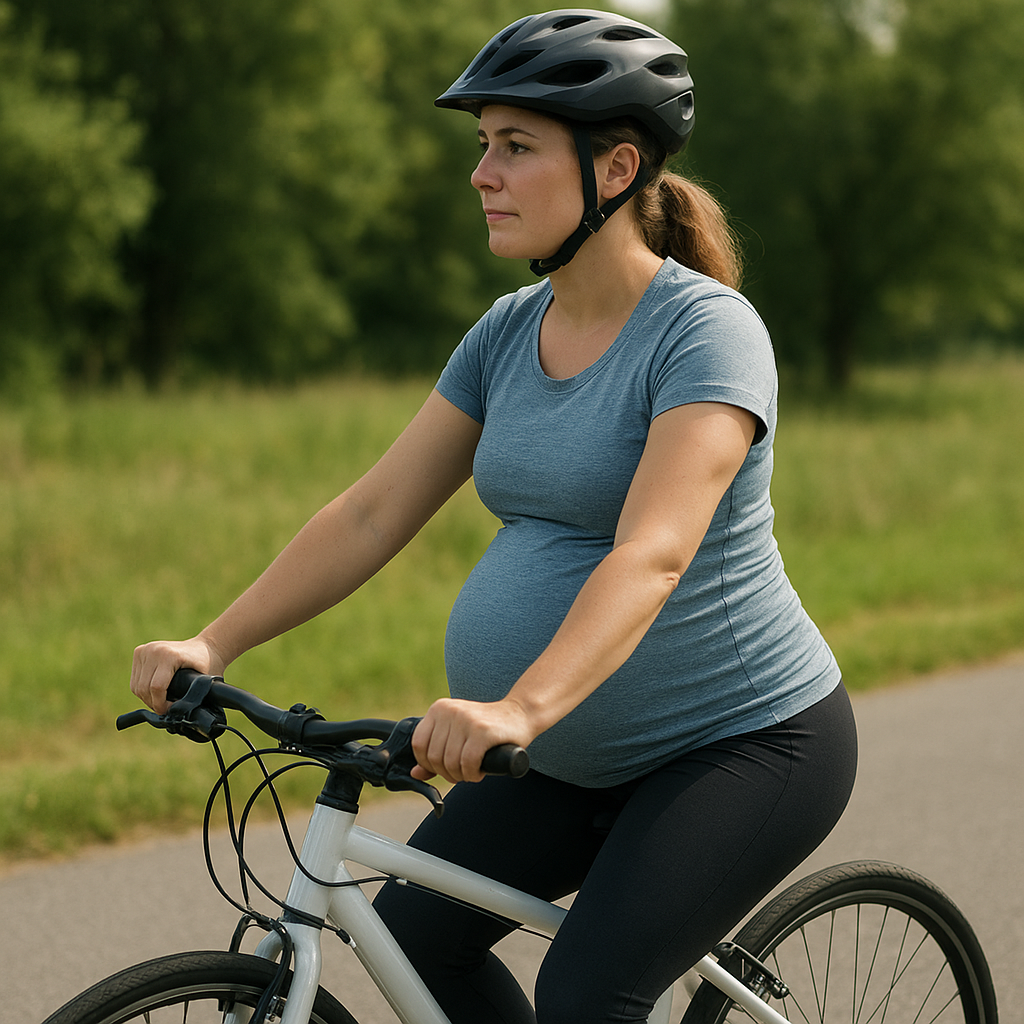
Pregnancy brings a unique set of challenges and changes to a woman’s body, but it also offers an opportunity to maintain an active lifestyle. Among various forms of exercise, cycling stands out as an accessible and enjoyable activity that can help expectant mothers preserve their fitness and mental well-being. This article explores the key considerations, benefits, and safety measures every pregnant cyclist should know before hopping back on the saddle.
Benefits of Cycling for Expectant Mothers
Cycling during pregnancy can be an excellent way to stay in shape while minimizing stress on the joints and ligaments. Unlike high-impact workouts, a bicycle distributes weight evenly and helps strengthen muscles without excessive strain.
- Cardiovascular health: Regular rides promote healthy blood flow and support the growing demands of pregnancy.
- Endorphins boost: Physical activity releases natural mood enhancers, reducing stress and anxiety.
- Enhanced core stability: Engaging abdominal and back muscles reduces the risk of lower back pain.
- Improved balance: Learning to adapt posture on two wheels increases proprioception.
- Weight management: Moderating weight gain through safe exercise contributes to a healthier pregnancy.
Safety Precautions and Adjustments
While the benefits of cycling are compelling, it’s crucial to adapt routines and equipment to the physiological changes occurring with each trimester.
Consult Your Healthcare Provider
Before making any changes to your exercise program, discuss cycling plans with a doctor experienced in prenatal fitness. They can advise on how early you can ride, necessary rest periods, and warning signs that warrant immediate attention.
Monitor Riding Conditions
- Select flat and paved paths to reduce risk of falls. Avoid loose gravel, steep hills, and uneven surfaces.
- Limit rides in extreme weather: high temperatures can lead to dehydration and overheating, while icy roads increase slip hazards.
- Shorten duration: Aim for frequent, moderate sessions rather than long, exhaustive rides.
Adjust the Bike Setup
- Raise the saddle slightly to accommodate growing hips and maintain a comfortable knee angle.
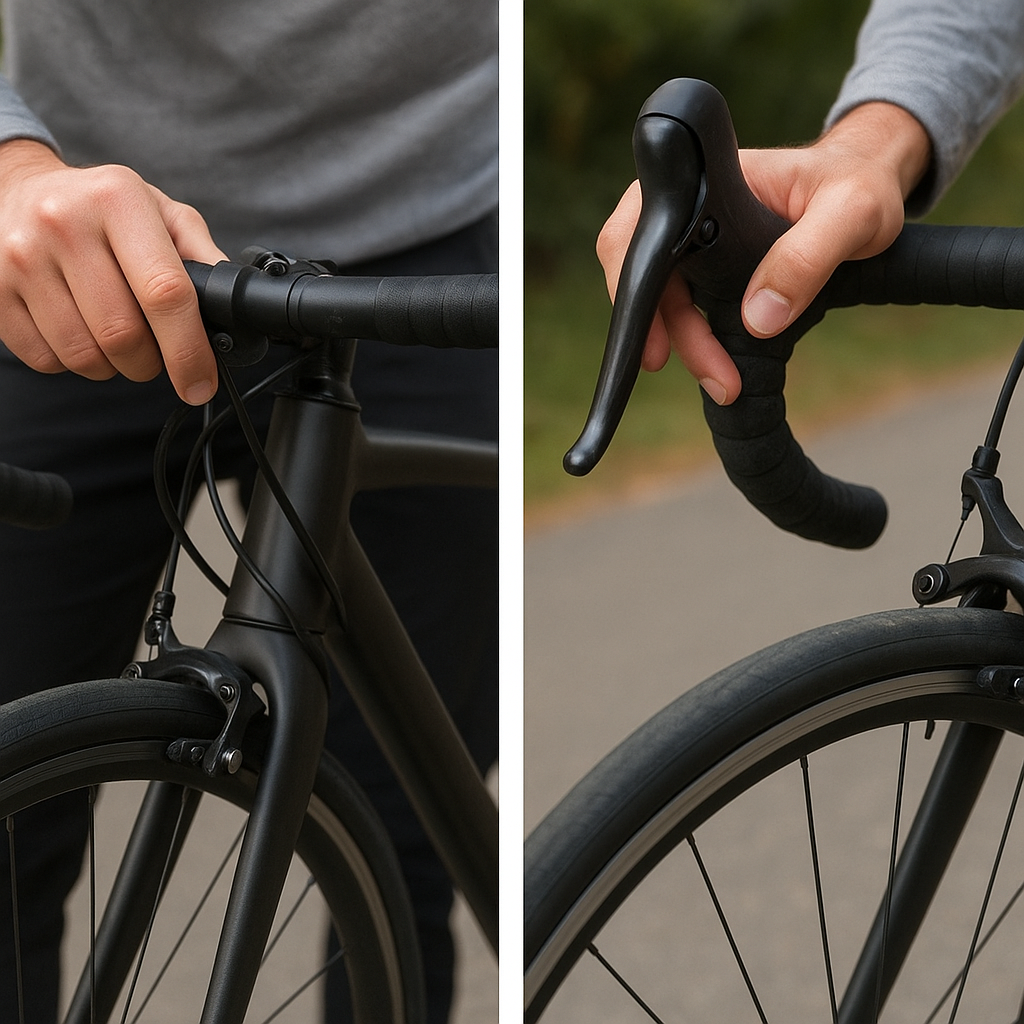
- Widen the handlebars and consider upright handlebars or a bike with a step-through frame for easier mounting and dismounting.
- Install a cushioned seat or wear padded cycling shorts to protect sensitive sit bones.
Choosing the Right Bike and Gear
Selecting a bicycle that accommodates a changing center of gravity is vital for maintaining stability and comfort throughout pregnancy.
Types of Bicycles
- Hybrid bikes: Offer a relaxed upright position and easier steering.
- Recumbent bikes: Provide back support and reduce stress on the lower body, though mounting may require assistance.
- Stationary bikes: Allow safe indoor exercise with no risk of falls, temperature control, and heart rate monitoring.
Essential Gear
- Helmet: Always wear a properly fitted helmet to protect against head injuries.
- Reflective clothing: Make sure to be visible to motorists, especially in low-light conditions.
- Proper footwear: Supportive athletic shoes with non-slip soles ensure better pedal control.
- Hydration pack or water bottle: Dehydration poses risks including vertigo and preterm contractions; frequent sips are recommended.
- Cycle computer or smartphone mount: Helps track pace, distance, and heart rate, ensuring you stay within safe exertion levels.
Common Concerns and Expert Tips
As pregnancy progresses, certain issues may arise that require adjustment of routine or seeking professional guidance.
Handling Fatigue and Nausea
Early pregnancy often brings morning sickness and fatigue. Opt for gentle rides during times when energy levels are higher, usually mid-morning or late afternoon. Shorten your sessions to 15–20 minutes if needed, gradually building back to your usual duration.
Third-Trimester Considerations
- As the belly grows, balance becomes more challenging. Switch to a stationary bike if outdoor riding feels unsafe.
- Avoid sudden stops and starts; keep cadence smooth and consistent to prevent falls.
- Listen to your body: dizziness, palpitations, or sharp abdominal pain indicate the need to stop immediately.
Maintaining Pelvic Floor Health
Cycling engages core muscles, but it can also place pressure on the pelvic floor. Incorporate pelvic floor exercises off the bike, such as Kegels, and practice deep breathing to support muscle relaxation. A qualified physiotherapist can demonstrate safe techniques tailored to your stage of pregnancy.
Maintaining Motivation and Enjoyment
Long-term adherence to exercise is more likely when rides remain social and pleasurable.
- Join a prenatal cycling group or enlist a partner for company and accountability.
- Map new scenic routes; the changing surroundings offer mental stimulation and reduce boredom.
- Track improvements: celebrate milestones such as total distance covered or duration of uninterrupted rides.
By carefully balancing safety and enjoyment, cycling can be a valuable component of a healthy, active pregnancy routine. With the right precautions, proper gear, and professional guidance, expectant mothers can pedal toward improved fitness and well-being from the first trimester through the final weeks.