Riding when temperatures plunge brings a unique blend of **adventure** and **challenge**. Proper preparation can transform frigid mornings into opportunities for growth, enjoyment, and improved winter **performance**. Mastering the art of **layering** ensures you stay warm without sacrificing mobility or **aerodynamics**, helping you tackle icy roads with confidence.
Selecting the Ideal Base Layer
The foundation of any cold-weather cycling kit is the base layer. This garment sits directly against your skin, managing **moisture-wicking** and regulating body heat.
- Material choice: Merino wool offers natural odor resistance, while synthetic fibers like polyester excel at quick drying.
- Fit: A snug fit prevents fabric bunching and ensures efficient heat transfer.
- Thickness: Lightweight options suit milder temps; midweight is best for sub-zero rides.
Base Layer Maintenance
Wash with gentle, non-detergent soap and air-dry to preserve fiber integrity. Avoid fabric softeners, which reduce **breathable** properties.
Adding Insulating Mid Layers
Once moisture is controlled, you need an insulating mid layer to trap trapped air. This layer boosts overall **insulation**, keeping core temperature steady.
- Fleece jackets: Lightweight, breathable, and quick-drying.
- Synthetic quilted vests: Provide targeted warmth without bulk.
- Down alternatives: Offer high warmth-to-weight ratio but may be less effective when wet.
Layer Combination Strategies
Layer a thin fleece under a vest for customizable warmth. If conditions worsen, you can shed the vest without exposing the fleece’s insulating core.
Choosing the Optimal Outer Shell
Your outermost layer shields you from wind, rain, and snow. Prioritize **windproof** and water-resistant qualities without compromising **breathable** performance.
- Softshell jackets: Flexible, lightly insulated, and highly breathable, ideal for active efforts.
- Hardshell jackets: Fully waterproof with sealed seams, perfect for wet, windy days.
- Hybrid designs: Combine softshell panels in high-sweat areas with waterproof laminate in exposed zones.
Ventilation and Fit
Look for zippered vents under arms and on the torso. A slightly longer back protects from road spray, while adjustable cuffs seal out drafts.
Protecting Extremities: Hands, Feet and Head
Heat loss through **extremities** can quickly undermine all other layers. Targeted gear keeps fingertips, toes, and the head warm.
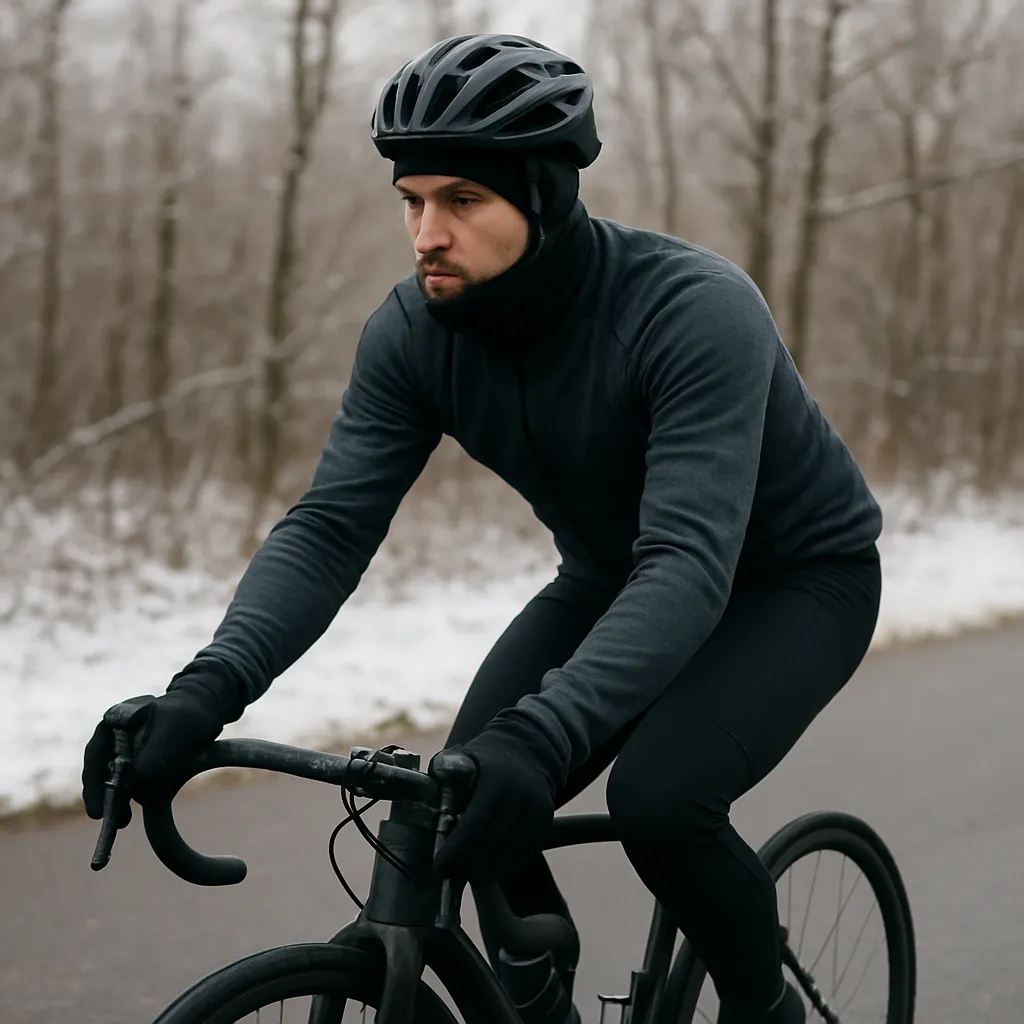
- Gloves: Insulated and windproof, with touchscreen-compatible fingertips for convenience.
- Shoe covers: Neoprene or thermal fabric boots block wind chill and trap heat around shoes.
- Headgear: A thin skull cap in mild cold, upgrade to a balaclava or thermal cap when temps drop below freezing.
Layering Accessories
Consider wearing two pairs of socks—thin moisture-wicking under a thicker thermal layer—to manage sweat and retain warmth.
Managing Moisture and Ventilation
Overheating leads to sweating, and trapped moisture saps warmth faster than cold air. Balance heat retention and airflow to stay comfortable.
- Use pit zips and front zippers to release excess heat during climbs.
- Unzip or remove layers briefly at rest stops to dry out material.
- Choose gear with mesh panels in low-exposure areas to boost airflow without direct wind impact.
Signs of Overheating
Heavy sweating, rapid breathing, or a damp base layer indicate it’s time to ventilate. Adjust layers incrementally rather than stripping down completely.
Fine-Tuning for Performance and Comfort
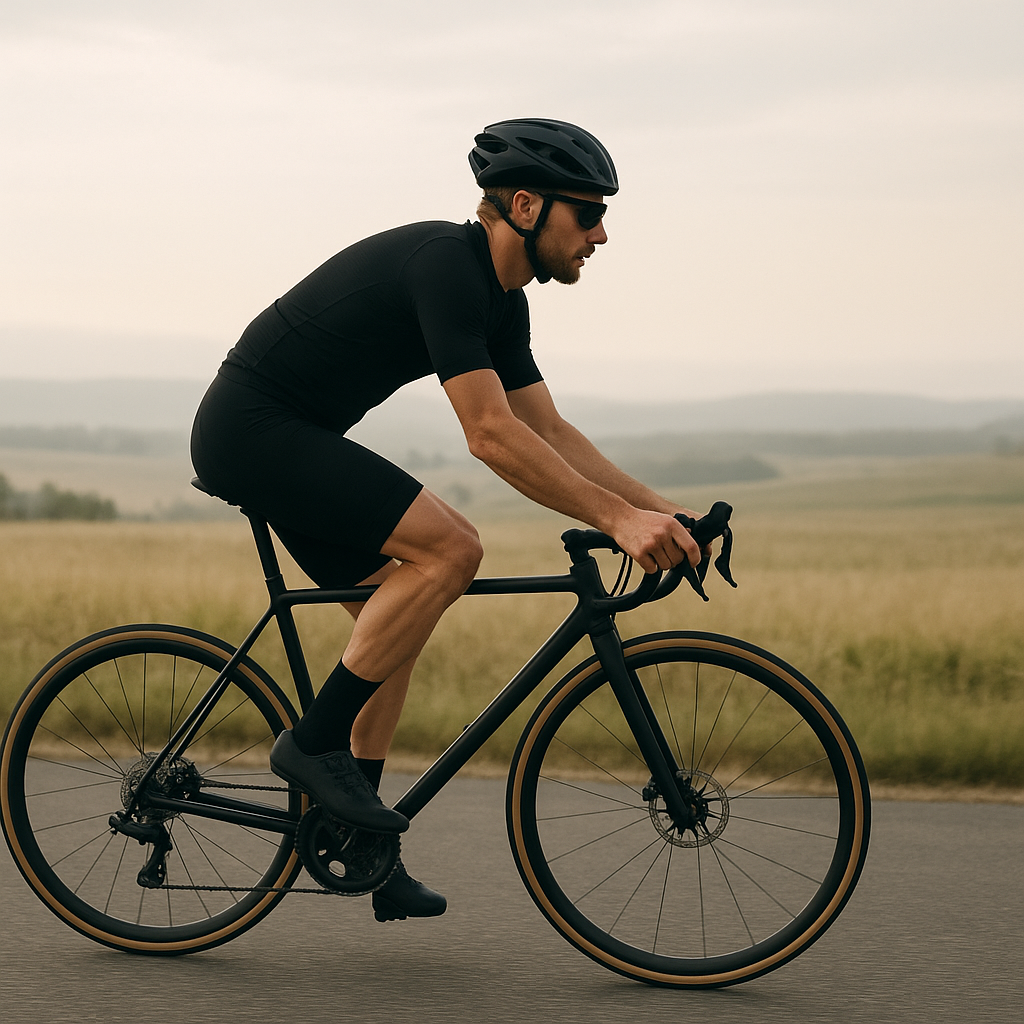
Even in cold conditions, **aerodynamics** matter. Opt for streamlined cuts and smooth fabric transitions to reduce drag. Keep pockets accessible for snacks and small tools without exposing your core to cold air.
- Reflective details enhance safety during short daylight hours.
- Lightweight fabrics with DWR coatings shed light precipitation without adding bulk.
- Strategic seam placement prevents chafing under stress and reduces cold spots.
Real-World Testing
Conduct trial rides in progressively colder temps. Note any gaps in coverage or discomfort points, then swap or adjust layers accordingly.
Conclusion of Gear Planning
Arming yourself with the right combination of base, mid, and outer layers transforms cold-weather cycling from a daunting task into an invigorating experience. Thoughtful attention to **thermal**, **breathable**, and protective properties ensures every ride is both safe and enjoyable, no matter how low the mercury drops.