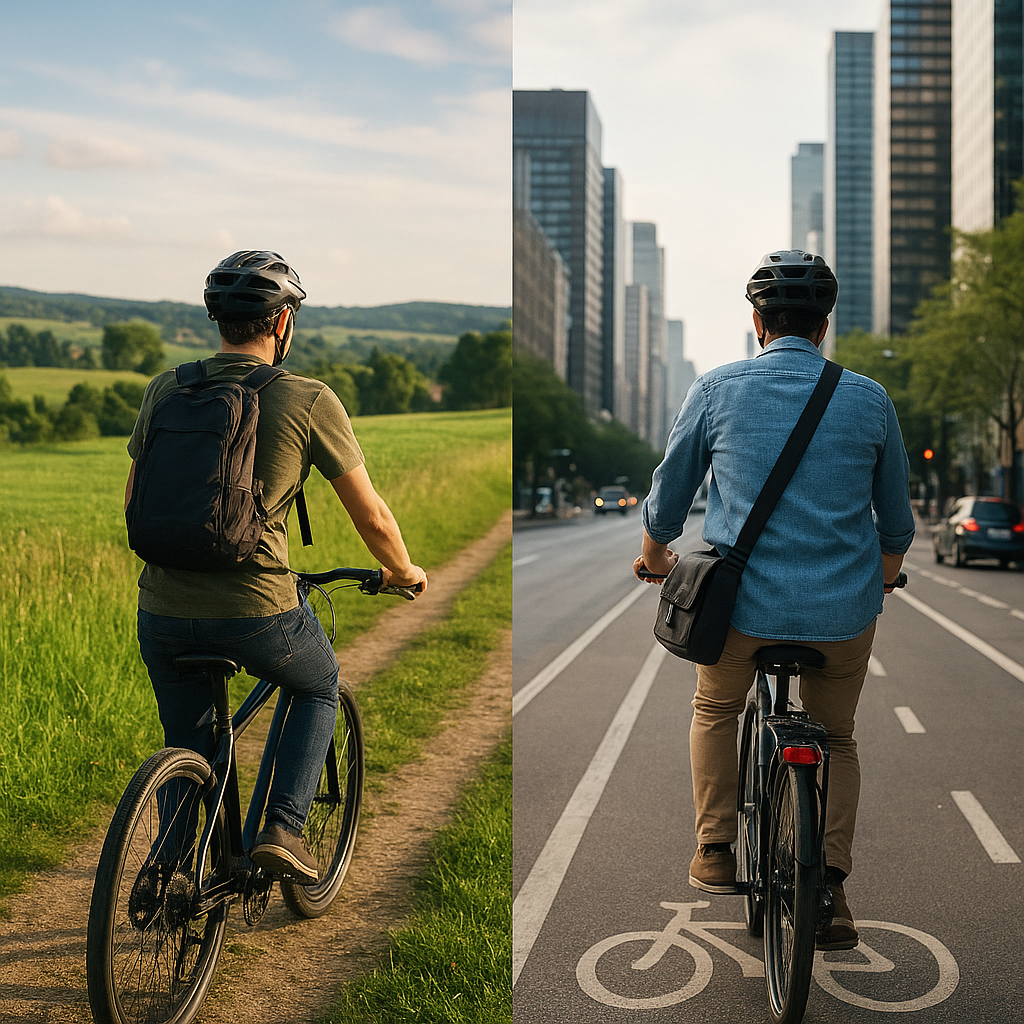
Cycling offers a unique blend of freedom, exercise, and connection with one’s surroundings. Whether you choose winding lanes through the countryside or bustling avenues in the city, each environment presents its own distinct set of challenges and rewards. This article explores the key factors that differentiate rural and urban cycling, shedding light on aspects such as terrain, infrastructure, safety, environmental impact, and overall riding experience.
Terrain and Scenery
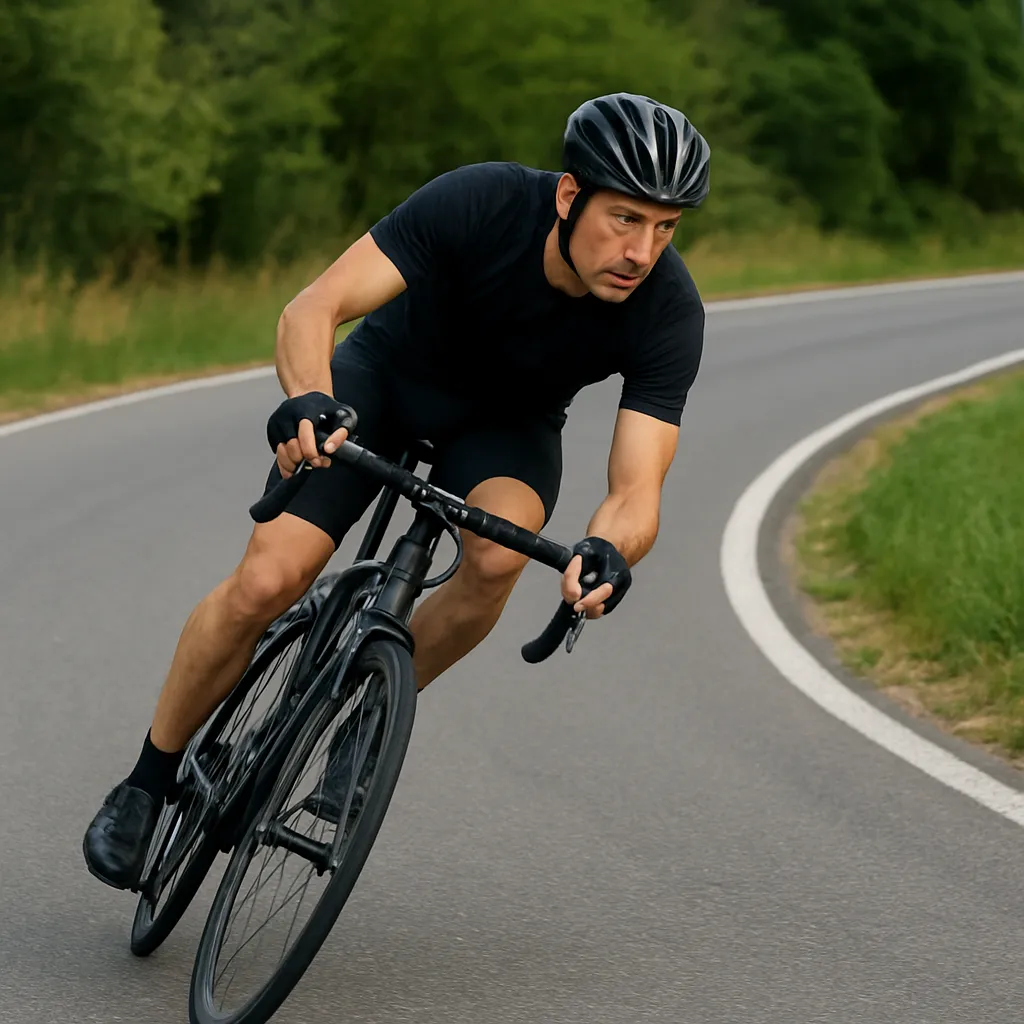
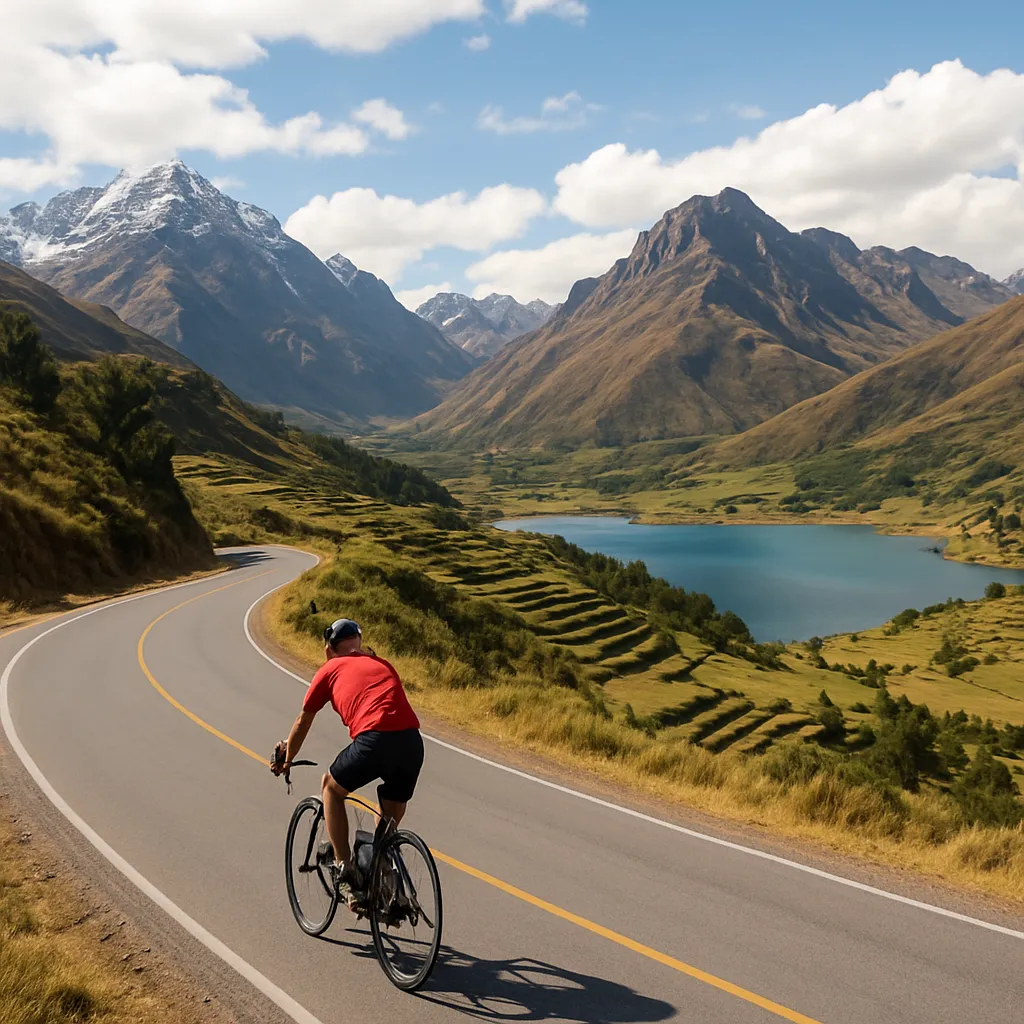
The physical landscape is one of the most striking differences between cycling outside urban areas and within city limits. In rural settings, long stretches of quiet roads, rolling hills, and expansive fields create an appealing backdrop for any ride. City routes, by contrast, feature paved streets, occasional bike lanes, and frequent stops at traffic lights or intersections.
- Rural Routes:
- Often unpaved or partially paved, requiring versatile tire choice and suspension.
- Scenic views of forests, farms, and rivers that enhance the sense of adventure.
- Elevation changes improve stamina and performance for training cyclists.
- Urban Tracks:
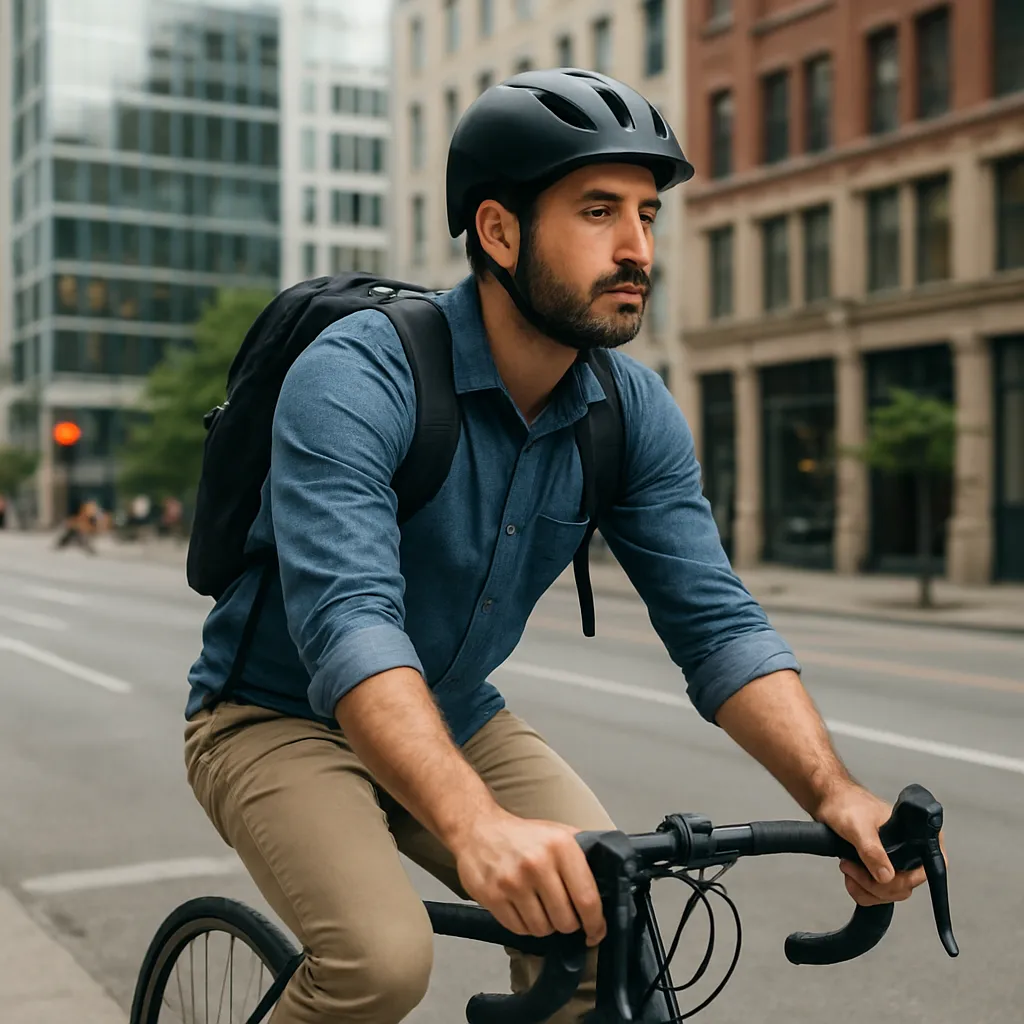
- Flat, smooth surfaces facilitate steady speeds and easier pacing.
- Frequent changes in lighting, sounds, and surroundings maintain mental alertness.
- Landmarks and cityscapes provide a different kind of scenery, often with architectural highlights.
Infrastructure and Safety
Infrastructure dramatically influences the safety and convenience of your ride. Cities have begun investing heavily in cycling networks, but rural areas may still lack dedicated lanes and protective barriers. Each setting demands a different approach to gear, navigation tools, and protective equipment.
Urban Cycling Safety
- Bike Lanes: Dedicated lanes or painted paths reduce conflicts with vehicles but can be interrupted by parked cars or bus stops.
- Traffic Signals: Cyclists must obey lights and stop signs, which can slow down overall speed and flow.
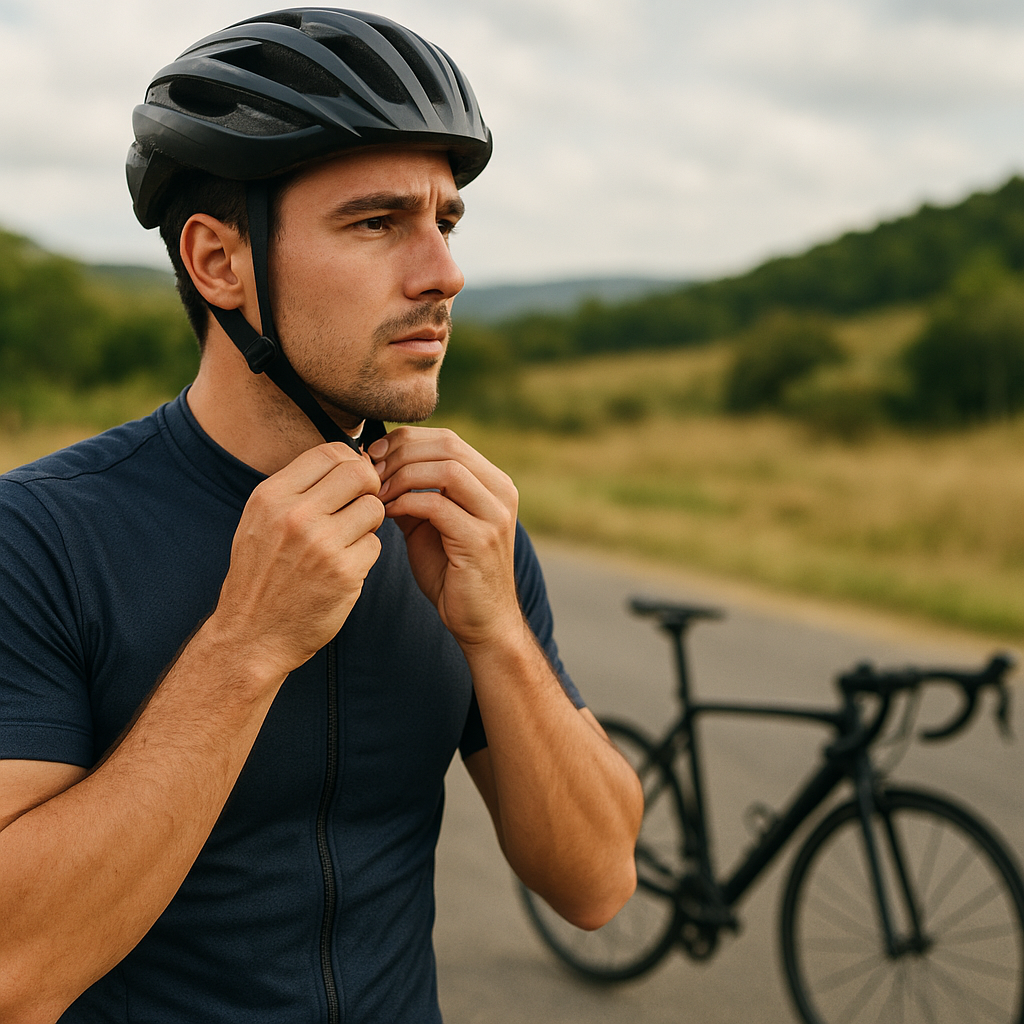
- High Traffic Volume: Encounters with taxis, buses, and delivery trucks elevate risk levels, making helmets, lights, and high-visibility clothing crucial.
Rural Cycling Safety
- Limited Lighting: Many country roads lack street lamps, so front and rear lights become indispensable during dawn, dusk, or overcast days.
- Vehicle Speeds: Cars often travel faster outside city limits, so riders must stay to the right and use reflective gear to remain visible.
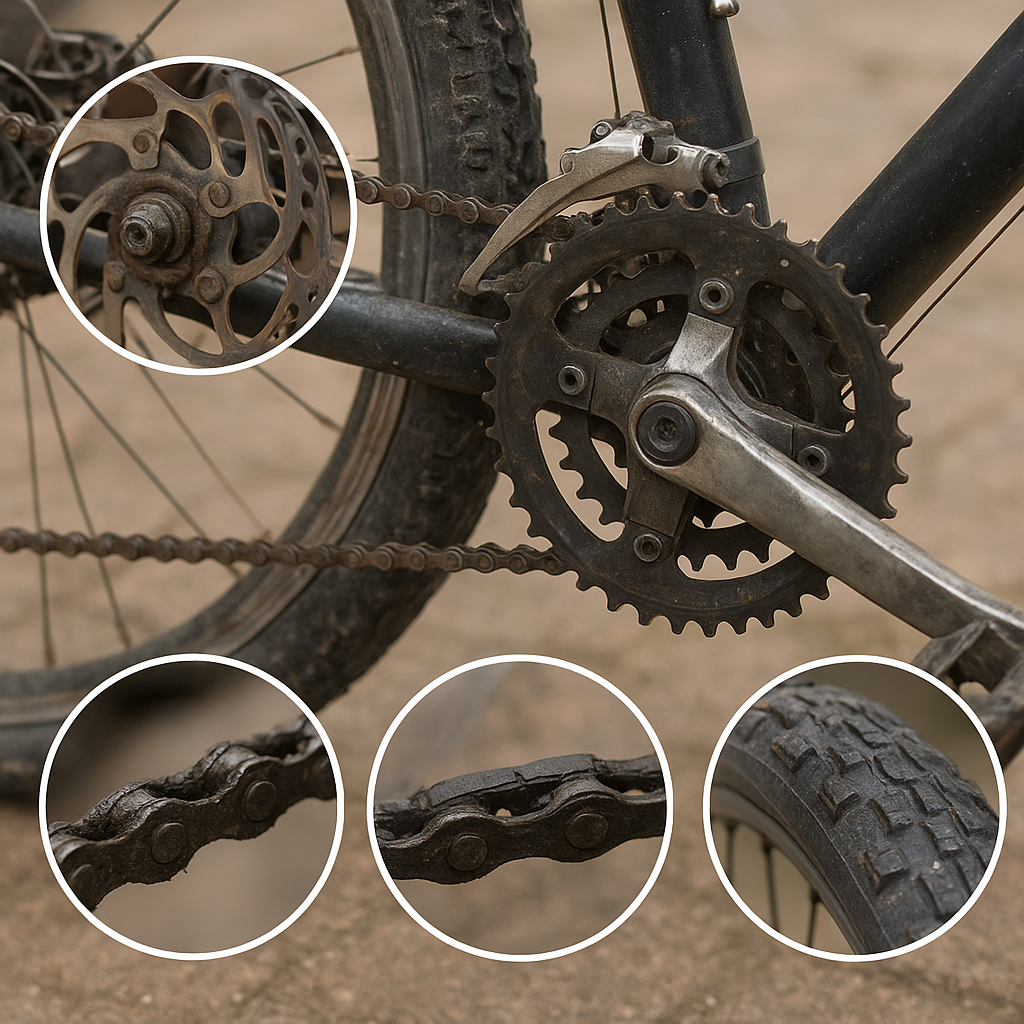
- Road Conditions: Gravel, potholes, or mud patches demand constant attention and can lead to mechanical issues if you’re unprepared.
Training, Fitness, and Health Benefits
Regardless of environment, cycling is an exceptional form of cardiovascular exercise that improves heart health, muscle tone, and mental well-being. However, the specific benefits you reap can vary based on the terrain and intensity of your route.
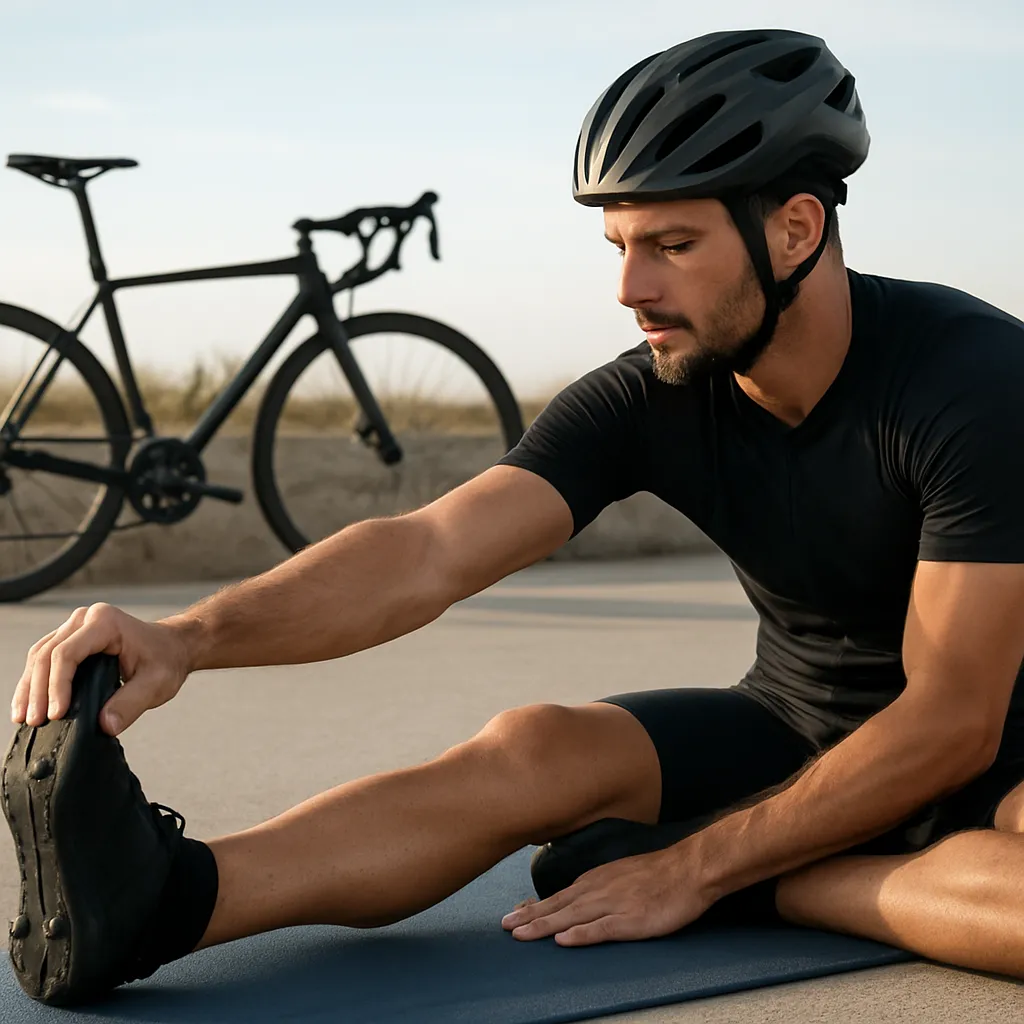
- Endurance Building: Long rural rides with gradual climbs promote aerobic capacity and leg strength, making them ideal for endurance athletes.
- Interval Training: Urban routes with frequent stops naturally incorporate intervals, helping riders boost both speed and recovery skills.
- Mental Health: Exposure to nature in the countryside reduces stress, while the dynamic atmosphere of the city can sharpen focus and decision-making.
Environmental and Social Impact
Cycling reduces carbon emissions, eases parking pressure, and fosters a sense of community among riders. Yet the impact differs depending on whether you’re navigating leafy byways or pedestrian-friendly downtown zones.
- Rural Impact:
- Minimizes disturbance to wildlife and local ecosystems when riders stick to designated trails.
- Promotes eco-tourism in remote areas, supporting small businesses like farms, inns, and cafes.
- Urban Impact:
- Reduces congestion and air pollution in densely populated neighborhoods.
- Encourages multimodal transport solutions, integrating bicycles with public transit.
- Strengthens social ties as cyclists interact with businesses and community events along their routes.
Equipment and Gear Considerations
Selecting the right equipment can make or break your ride. Both settings call for robust bikes, but specific features may vary based on anticipated challenges.
- Rural Gear:
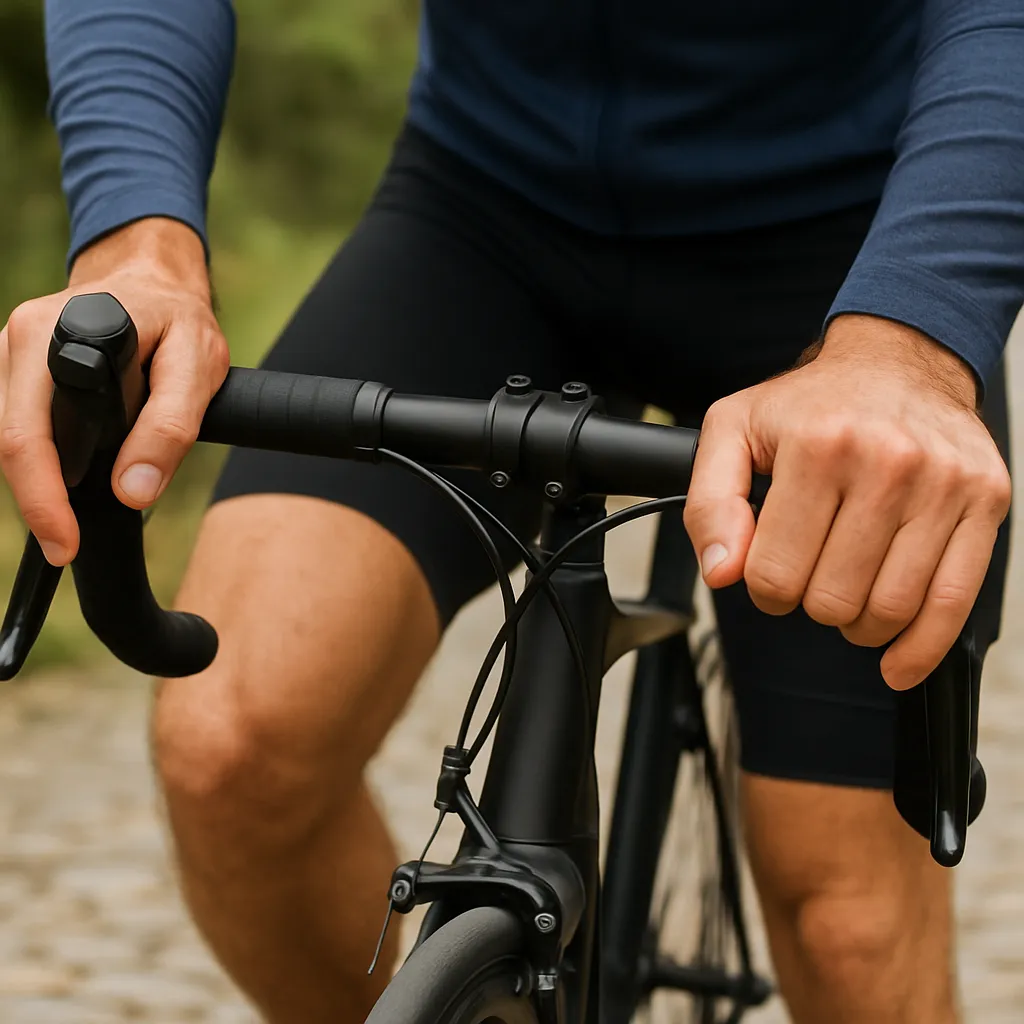
- All-terrain or gravel-specific bikes with wider tires for grip on uneven surfaces.
- Clipless pedals and cycling shoes to improve power transfer during climbs.
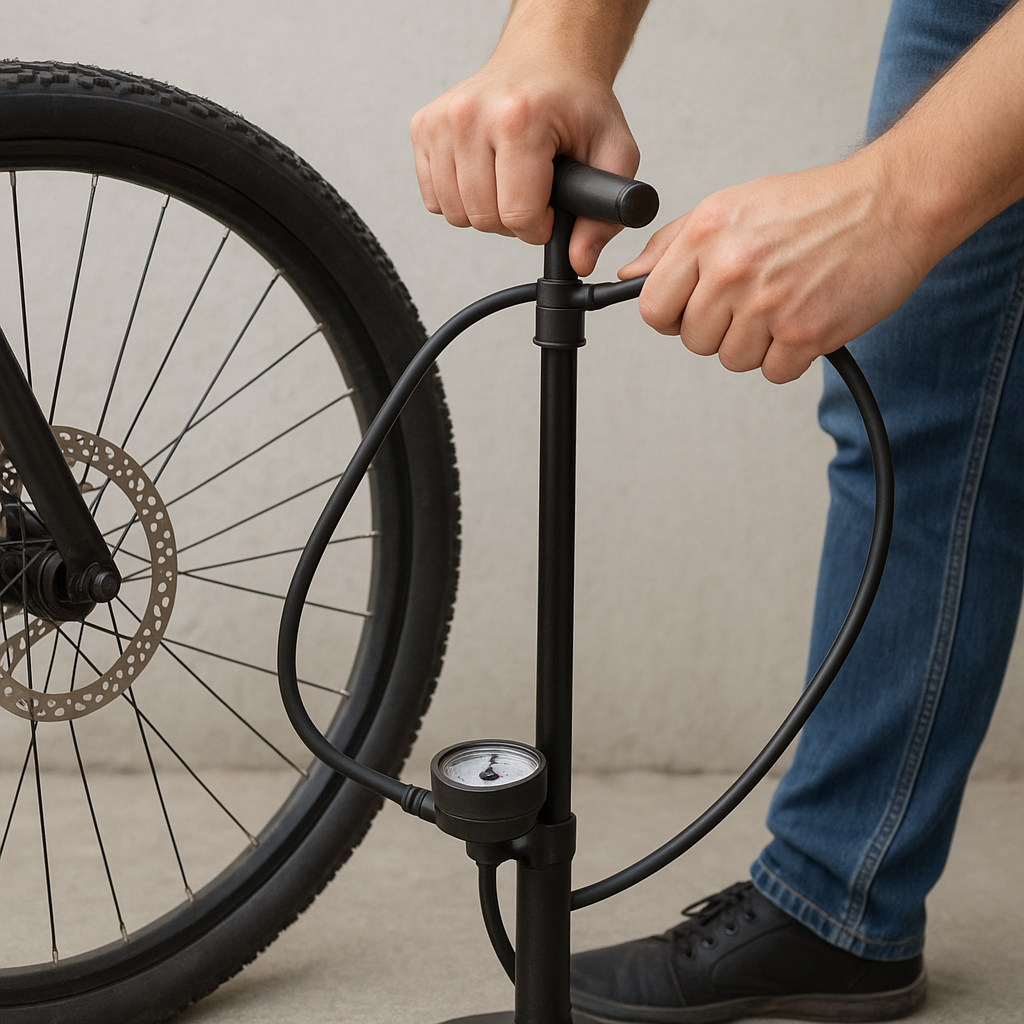
- Multi-tool kits, spare tubes, and portable pumps—helpful in remote areas without quick access to repair shops.
- Urban Gear:
- Compact, nimble city bikes or hybrids that handle tight corners with ease.
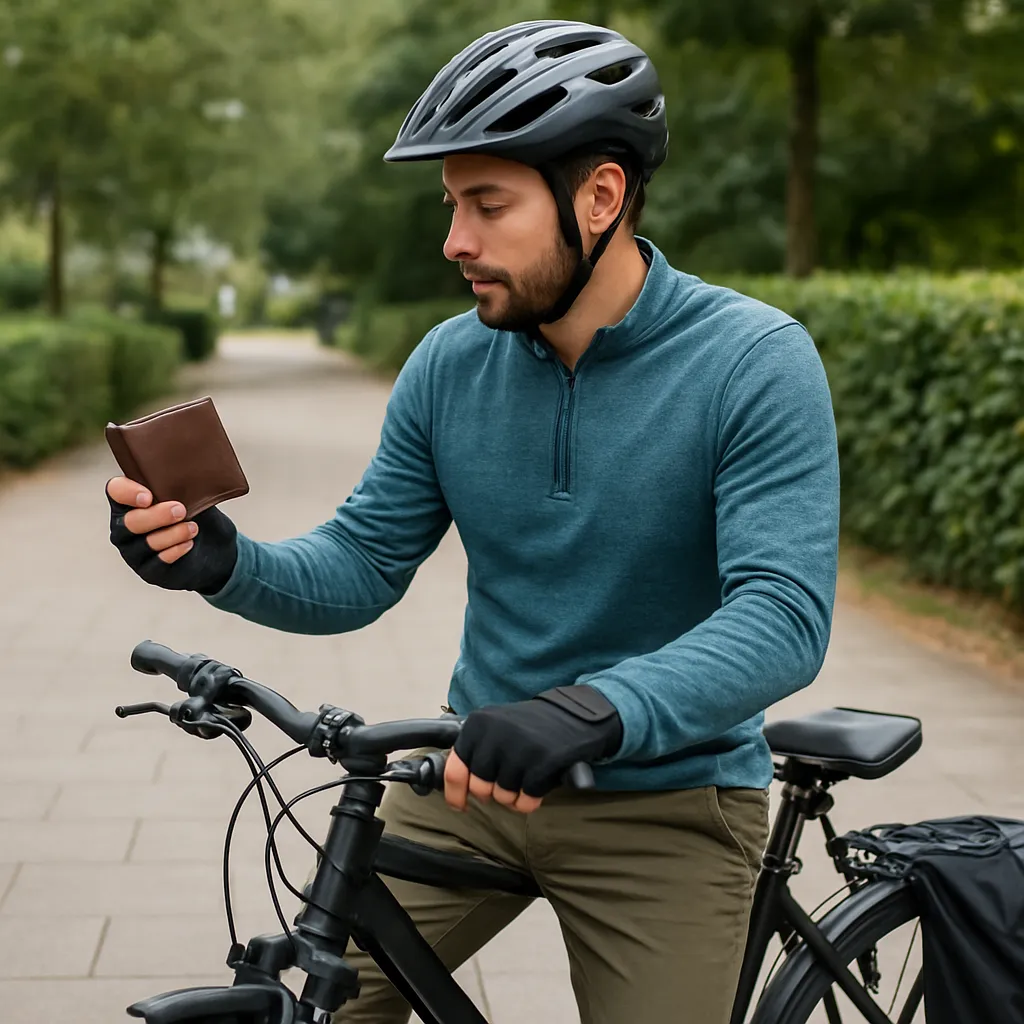
- U-locks and chain locks for securing the bike during errands or commutes.
- Fenders and chain guards to protect clothing from grease and water splashes.
Choosing Your Ideal Ride
Your choice between countryside and city cycling ultimately depends on personal goals. If you crave solitude, scenic challenges, and longer distances, rural roads may be your best match. For those seeking a faster pace, greater convenience, and vibrant street life, urban cycling offers unmatched adventure and connectivity. Both paths deliver unmatched health and environmental rewards, ensuring that every pedal stroke brings you closer to a **greener**, **fitter**, and more **fulfilling** lifestyle.