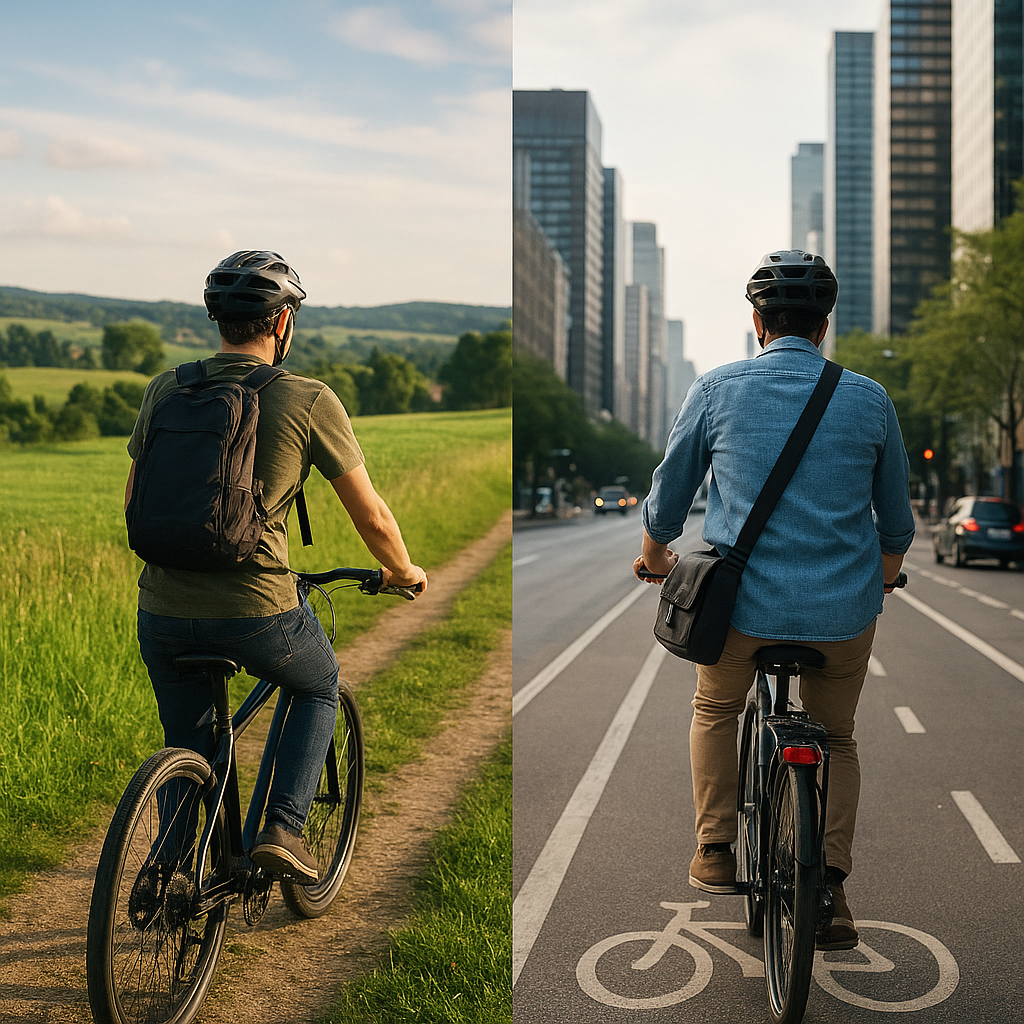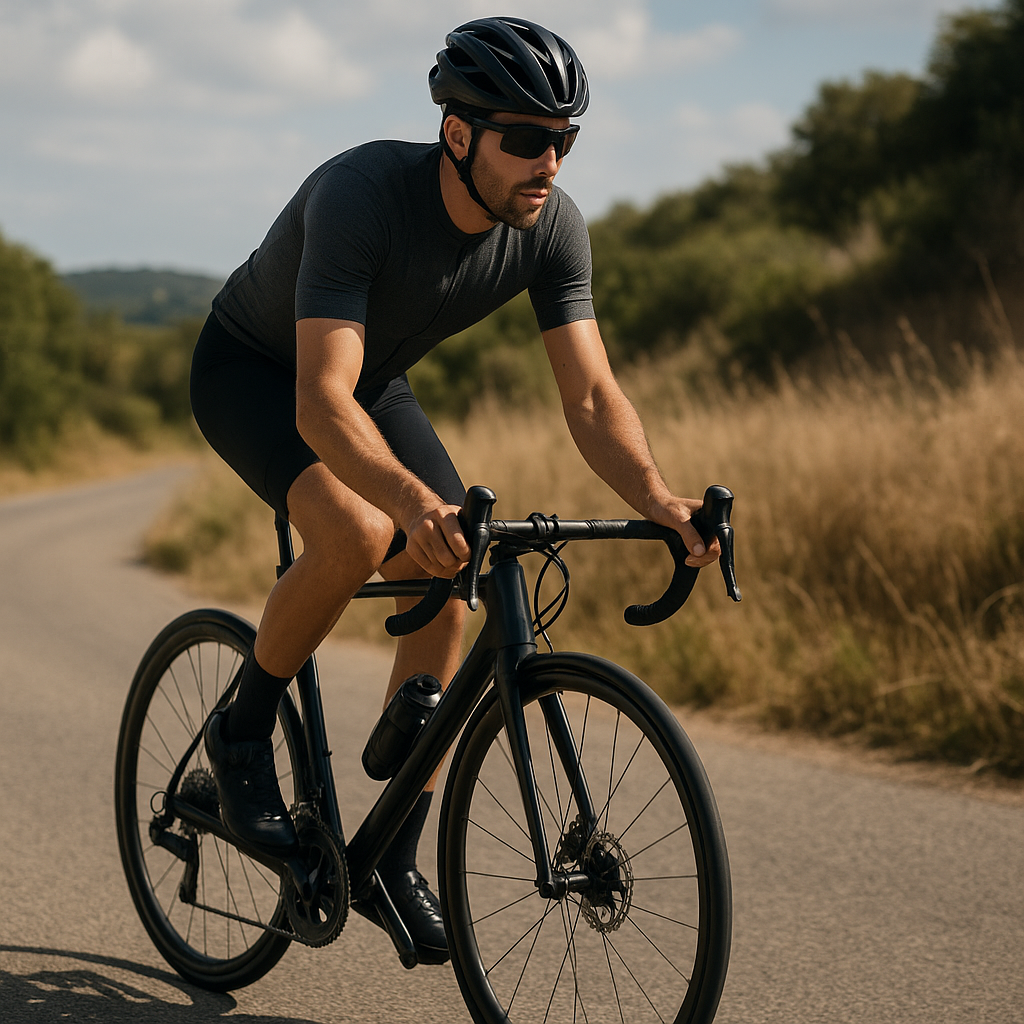
Embarking on a ride while carrying a camera transforms an ordinary journey into an opportunity for visual storytelling. Whether you’re cruising through bustling city streets or powering up a winding mountain trail, capturing those unforgettable moments requires a blend of technical know-how and creative vision. This guide will help you select the perfect equipment, refine your shooting techniques, and polish your images before sharing them with fellow enthusiasts. Gear up, stay safe, and get ready to elevate your cycling photography to the next level.
Choosing the Right Gear for Bicycle Photography
Selecting equipment that complements your riding style and shooting objectives is crucial. You want gear that is lightweight, durable, and capable of handling a variety of conditions. Here are the main considerations:
Camera and Lens Options
- Mirrorless vs. DSLR: Modern mirrorless cameras pack advanced autofocus and compact form factors, while DSLRs often offer rugged build quality and extensive battery life.
- Prime vs. Zoom Lens: A lens like a 35mm or 50mm prime provides sharp images and wide apertures for low-light shots. A versatile 24–70mm zoom covers landscapes and portraits, letting you react quickly to changing scenes.
- Action Cameras: Small, shockproof devices such as GoPros excel at mounting directly on helmets, handlebars, or bike frames. Their wide-angle perspective is perfect for action footage and time-lapse sequences.
Mounts, Straps, and Protection
- Handlebar Mounts: Secure and stable, these mounts let you shoot video while maintaining full control of your bike.
- Chest and Helmet Harnesses: Ideal for first-person POV shots, but be mindful of weight distribution to avoid discomfort during long rides.
- Protective Cases: Waterproof and shock-resistant cases shield your camera from mud, rain, and accidental drops.
Essential Accessories
- Spare Batteries and Memory Cards: Cold weather drains power quickly, so pack extras and high-capacity cards for extended adventures.
- Cleaning Kit: Dust, sweat, and raindrops can compromise lens performance. Carry lens cloths, blower brushes, and rain sleeves.
- Lighting Solutions: Portable LED panels or compact flash units can illuminate subjects during golden hour or in forested areas.
Mastering Composition and Light on the Move
Once you’ve settled on your gear, focus on fundamental principles that elevate mundane snapshots into compelling photographs. These guidelines will help you find and capture dynamic shots during your rides.
Rule of Thirds and Framing
Divide your viewfinder into a 3×3 grid. Position key elements—cyclist, bike, or horizon—along these lines or at their intersections. This creates balanced, harmonious images that draw the viewer’s eye naturally.
Using Leading Lines and Perspective
- Roads, bike lanes, and railings act as leading lines that guide attention toward your subject or into the depth of the scene.
- Low-angle shots make the bike and rider appear larger than life. Get down close to the ground to introduce a sense of scale and drama.
Catching Motion and Panning Techniques
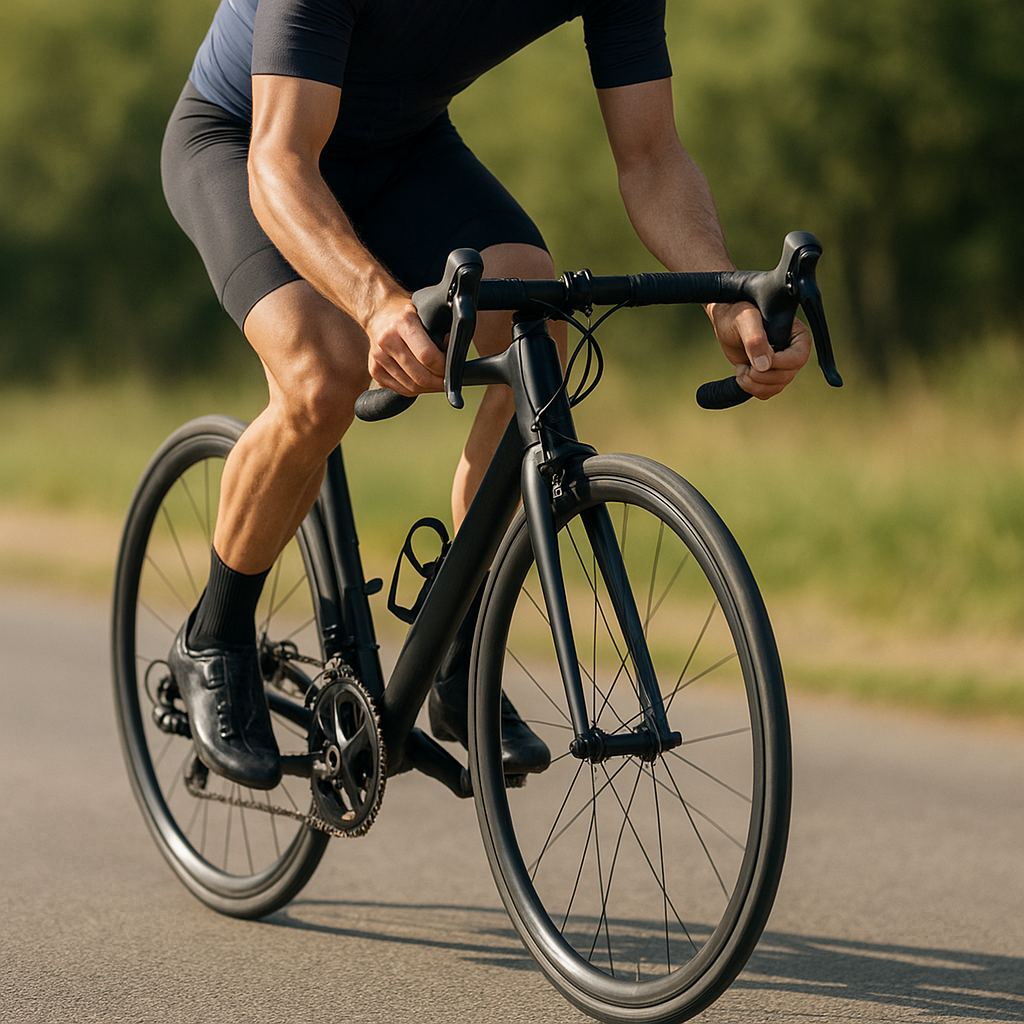
To convey speed, experiment with shutter speed. A shutter of 1/60 to 1/125 second lets you pan with your subject, rendering a tack-sharp rider against a streaked background. Practice smooth camera movements to avoid unwanted blur.
Optimizing Natural Light
- Golden Hour: Early morning and late afternoon light bathes landscapes in warm, soft tones. Use this time to capture emotive portraits and pastel-colored skies.
- Side Lighting and Contrast: Position your subject so that light grazes across surfaces, revealing texture in bike tires, gravel roads, or mountain landscapes.
- Backlighting for Silhouettes: Place the sun behind your subject to create striking outlines. Meter for the sky to render vivid colors and crisp silhouettes.
Weather and Environmental Conditions
Overcast skies offer diffused light, minimizing harsh shadows and ideal for close-up details. Rain and fog add an atmospheric mood—wipe droplets off your lens frequently to keep images clear, and embrace reflections in puddles for creative compositions.
Editing Your Cycling Shots and Connecting with a Community
Post-processing transforms raw files into polished photographs. Developing a consistent workflow enhances your creative voice and ensures that each image reflects your unique style. Once edited, sharing with a vibrant network of cyclists and photographers can spark inspiration and feedback.
Developing a Workflow
- Raw Conversion: Always shoot in RAW to preserve maximum detail and dynamic range. Import files into software like Lightroom or Capture One.
- Exposure and Contrast: Adjust exposure first, then tweak highlights and shadows to balance your scene. Use curves for fine-tuned contrast control.
- White Balance and Color Grading: Set a neutral white balance, then apply subtle color grades—warm tones for summer rides, cooler hues for alpine landscapes.
- Cropping and Straightening: Align horizons and remove distracting elements. Keep your subject’s motion vector (direction of travel) within the frame to maintain flow.
Enhancing Details and Creative Effects
Sharpening, noise reduction, and clarity adjustments help your photography pop. For action shots, emphasize tire tread and spinning spokes. You can also add a gentle vignette to draw attention to the wheeled hero at the center of your frame.
Sharing and Building Community
- Social Platforms: Instagram, Strava, and dedicated cycling forums are perfect for showcasing your work. Use targeted hashtags like #cyclingphotography, #bikeadventures, and #mountainbiking.
- Photo Challenges and Contests: Participate in monthly themes to push your creative boundaries and connect with fellow enthusiasts.
- Collaborations and Meetups: Partner with local riders, bike shops, or event organizers to host group rides with photo stops. This fosters camaraderie and mutual learning.
Storing and Archiving Your Images
As your portfolio grows, a robust storage strategy becomes vital. Maintain an organized folder structure by date, location, or event. Use external hard drives and cloud backup solutions to safeguard your memories against data loss. Regularly purge duplicates and curate your best work into a highlight reel.
Advanced Tips for Pro-Level Cycling Photos
Once you master the basics, dive deeper into advanced techniques that distinguish amateur snapshots from professional-grade imagery.
- Flash Freezing: Combine a low-power off-camera flash with a fast shutter on overcast days to freeze motion and highlight details. Sync your flash at up to 1/200 second for crispness.
- Neutral Density Filters: Use ND filters to achieve long exposures during bright daylight. Smooth out waterfalls, capture cloud streaks, or create ghostly rider trails on deserted roads.
- Drone Perspectives: Bring aerial views to your cycling stories. Follow safety guidelines and local regulations to capture epic panoramas of winding trails and sprawling landscapes.
- Multiple Exposures and HDR: Merge bracketed exposures to balance extreme contrasts—ideal for scenes with sunlit peaks and shadowed valleys.
- Focus Stacking: In macro shots of bicycle components, stack multiple images at different focus distances to achieve razor-sharp clarity from front brake calipers to rear cassette.
Embracing Your Creative Vision
Your personal style emerges when you explore unconventional angles—shoot through spokes, frame riders behind foliage, or experiment with reflections in water and mirrors. Reflect on what inspires you on each ride, then let that passion guide your camera. Over time, you’ll build a signature approach that resonates with audiences and captures the essence of your cycling adventures.
Safety and Respect on the Road
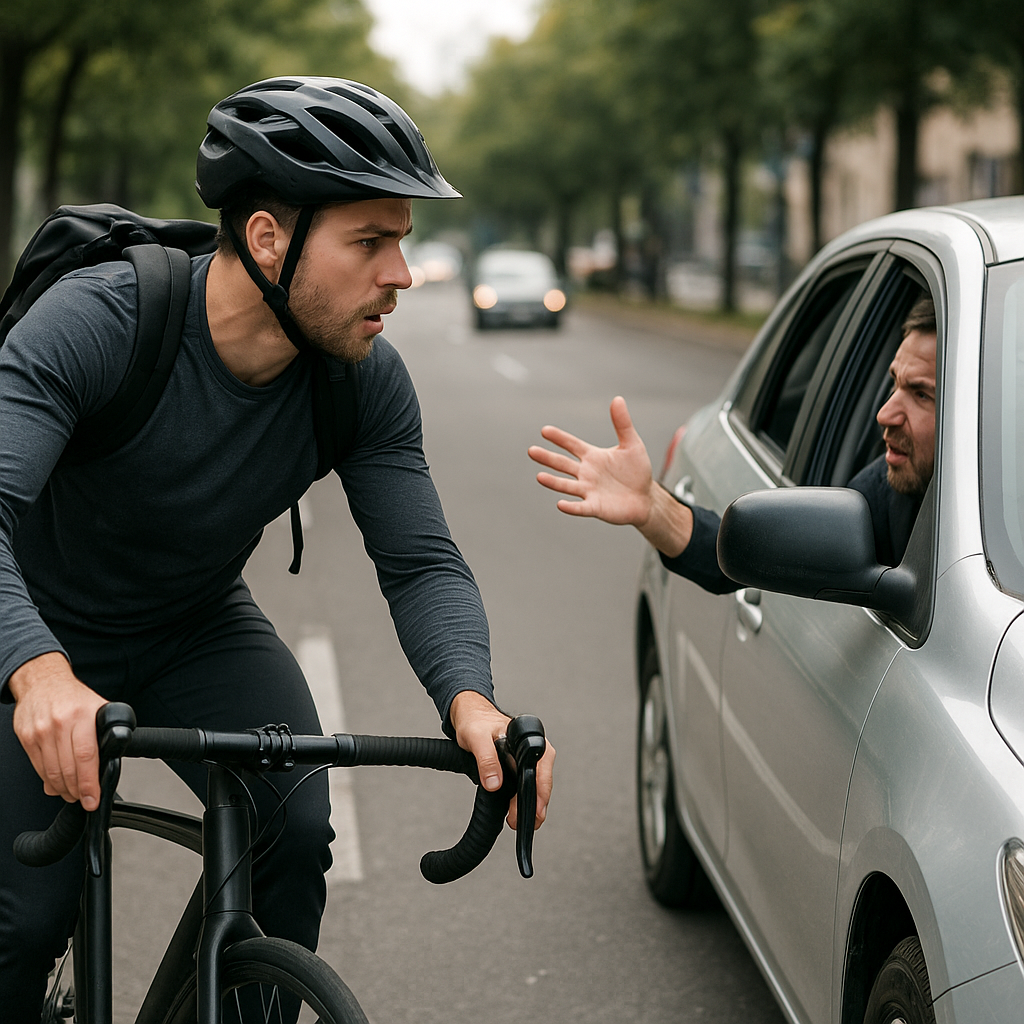
Prioritize your well-being and that of others. Wear reflective gear, signal your intentions to fellow road users, and keep one hand on the handlebars whenever possible. Seek permission before photographing private property or riding in restricted areas. By fostering mutual respect, you’ll enjoy a safer, more supportive environment for your creative pursuits.