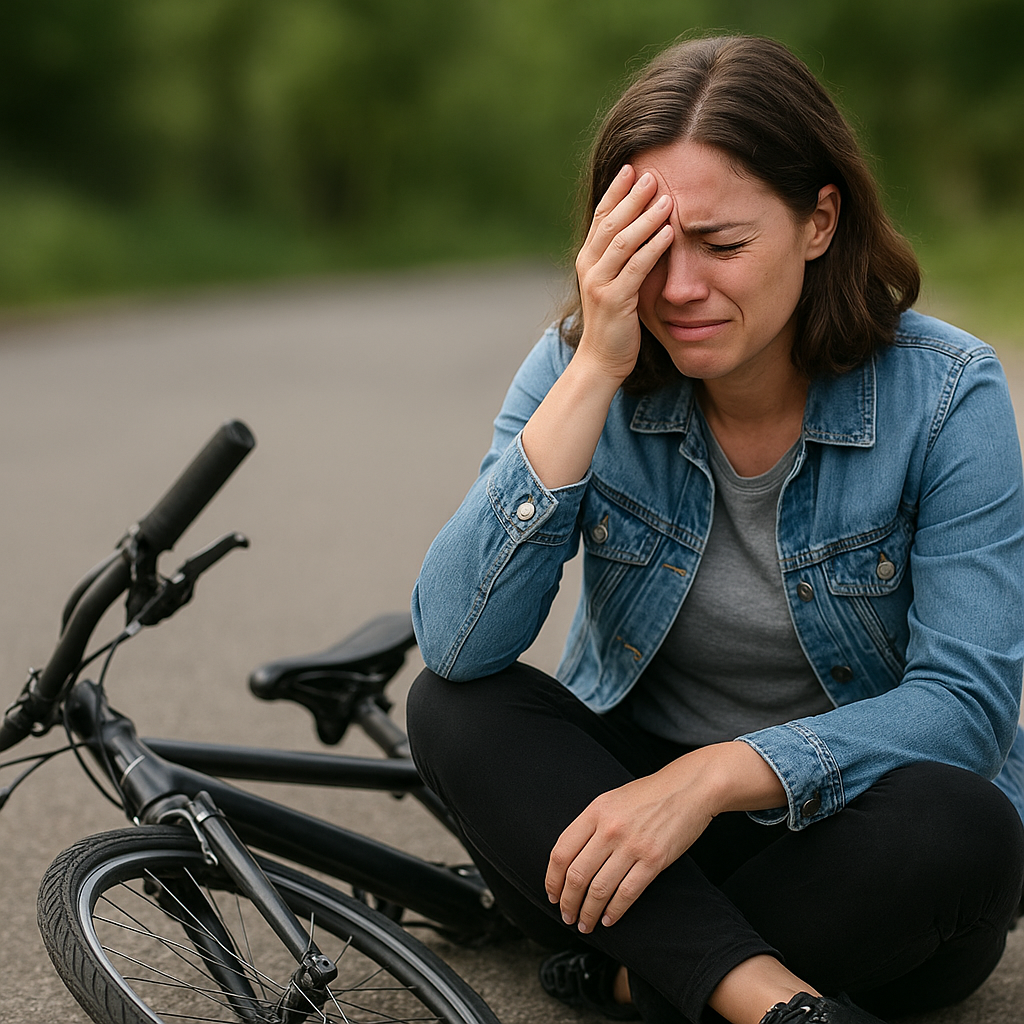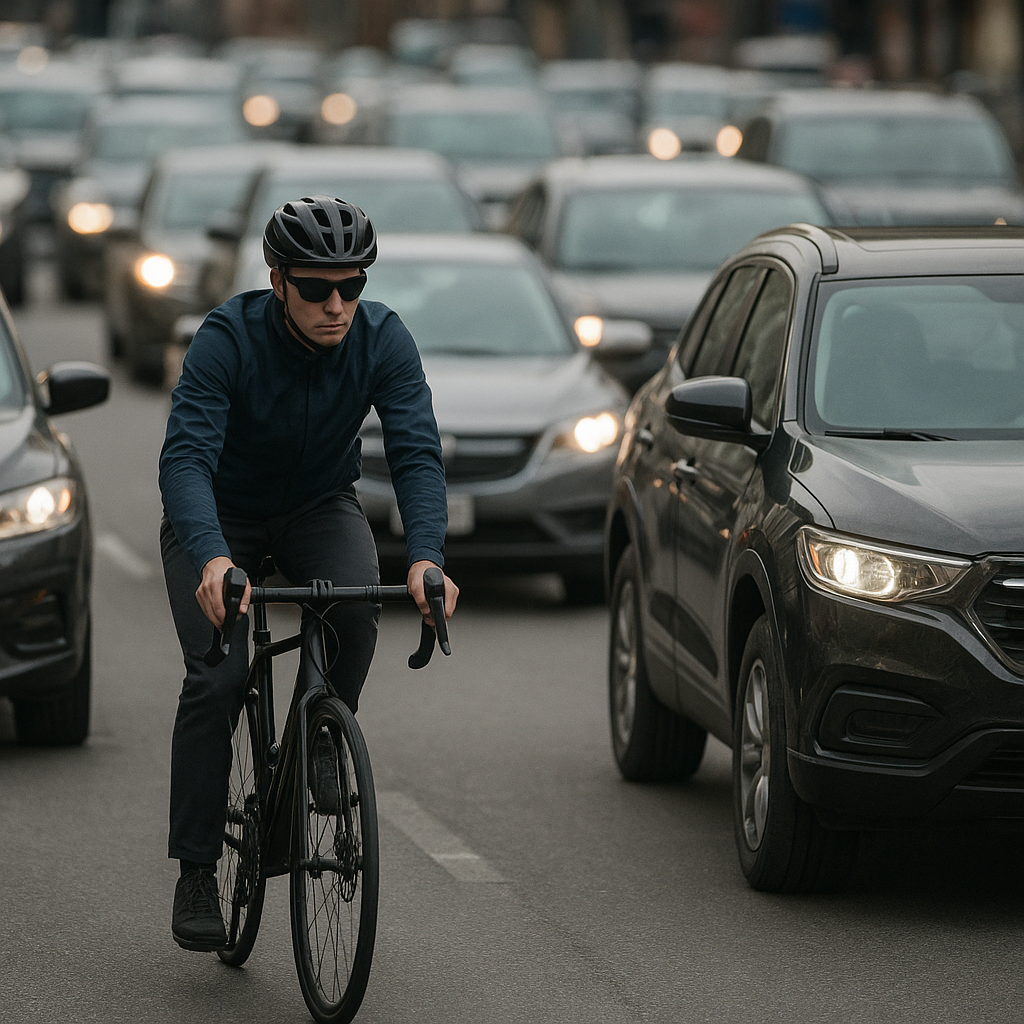
Cycling through crowded streets can feel intimidating, yet with the right approach and mindset, it transforms into a rewarding experience. Riding safely in heavy traffic requires a blend of strategic planning, technical skill, and mental readiness. Embracing a proactive attitude and mastering a few key principles will boost your confidence and minimize risks on the road.
Plan Your Route with Confidence
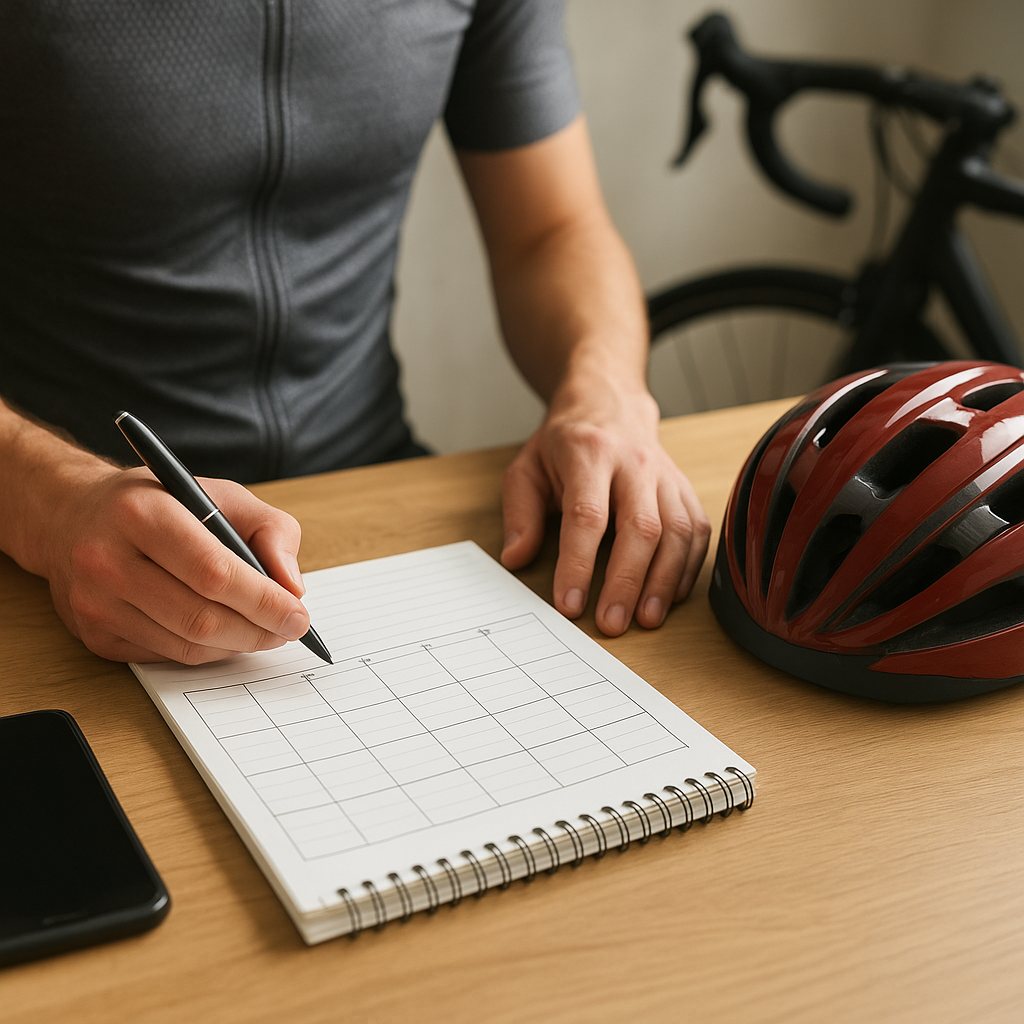
Identifying the safest path before you even hop on your bicycle sets the tone for a smooth journey. Mapping out a route that prioritizes quieter streets and dedicated bike lanes can make a significant difference in your overall safety and comfort. Taking time to research traffic patterns and construction zones allows you to avoid potential bottlenecks and high-speed thoroughfares.
Optimal Path Selection
Start by choosing streets with lower vehicle speeds and volume. Utilize online tools or mobile apps that highlight cycling-friendly roads. Even if a route is slightly longer, the trade-off in reduced stress and fewer conflicts with motor vehicles is well worth it. Identifying spots where you must cross multiple lanes or navigate busy intersections helps you prepare alternative detours.
Timing and Alternatives
Peak hours often bring the most congestion. Whenever possible, plan rides during less busy windows, such as midmorning or early afternoon. If you must travel during rush periods, consider combining cycling with public transit for parts of your route. Many bus and train systems now accommodate bicycles, offering a hybrid solution that cuts down time spent in dense traffic.
Master On-the-Road Techniques
Developing solid riding habits is essential for maintaining control and communicating your intentions to drivers. By refining your positioning on the road and perfecting hand signaling, you establish predictable behavior that other road users can anticipate.
- Maintain a steady line of travel to avoid weaving between vehicles
- Use clear, deliberate hand signals well before making turns or changing lanes
- Make eye contact with drivers at intersections to confirm they see you
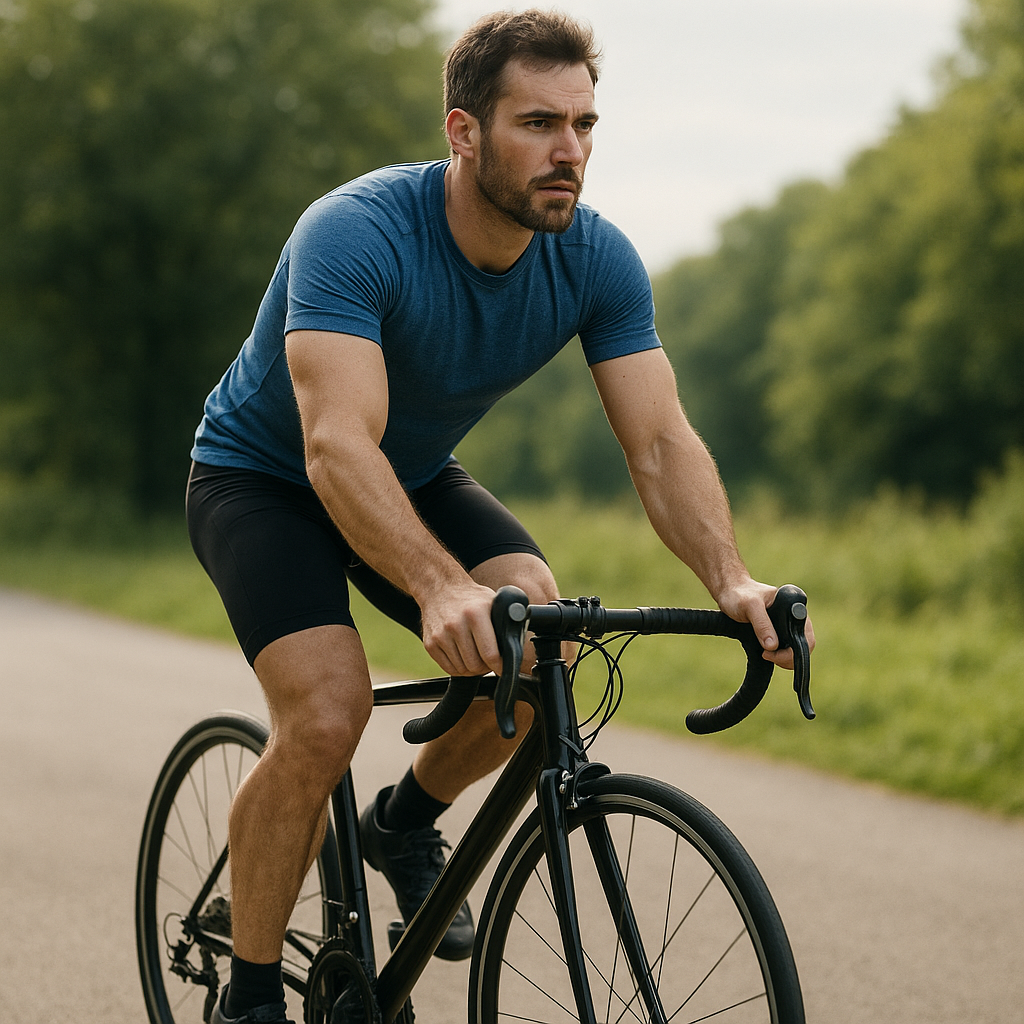
- Adjust your speed to match the flow of traffic while never exceeding speed limits
Practice taking up the full width of a bicycle lane when necessary, especially near intersections. This encourages motorists to overtake only when it’s truly safe. When lanes are too narrow, ride in the center to prevent cars from squeezing by unsafely.
Scan and Anticipate
Keep your head on a swivel. Regularly check behind you and glance at nearby vehicles. This habit of constant awareness allows you to detect sudden lane changes or cars preparing to turn across your path. Anticipating hazards before they materialize gives you precious extra seconds to react and adjust your trajectory.
Equip Yourself for Success
Relying on top-notch equipment enhances both your safety and your riding experience. Quality gear not only performs better but also withstands the rigors of daily use in urban environments.
- Helmet – Select one that fits snugly and meets recognized safety standards. A well-fitted helmet can be the difference between minor and life-threatening injuries.
- Lighting – Bright front and rear lights increase your visibility day or night. Consider lights with multiple flash modes for maximum attention.
- Reflective Elements – Attach reflective strips or stickers to your frame, pedals, and helmet for enhanced low-light recognition.
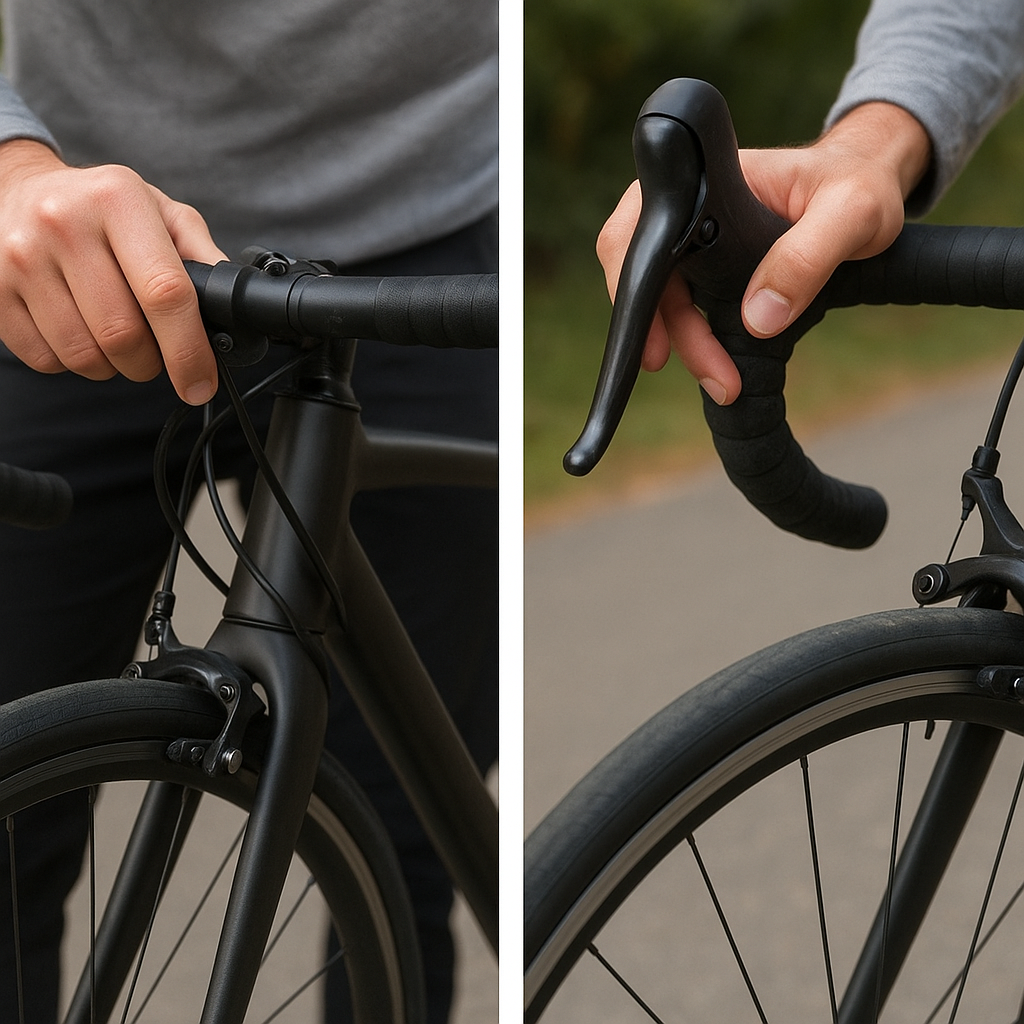
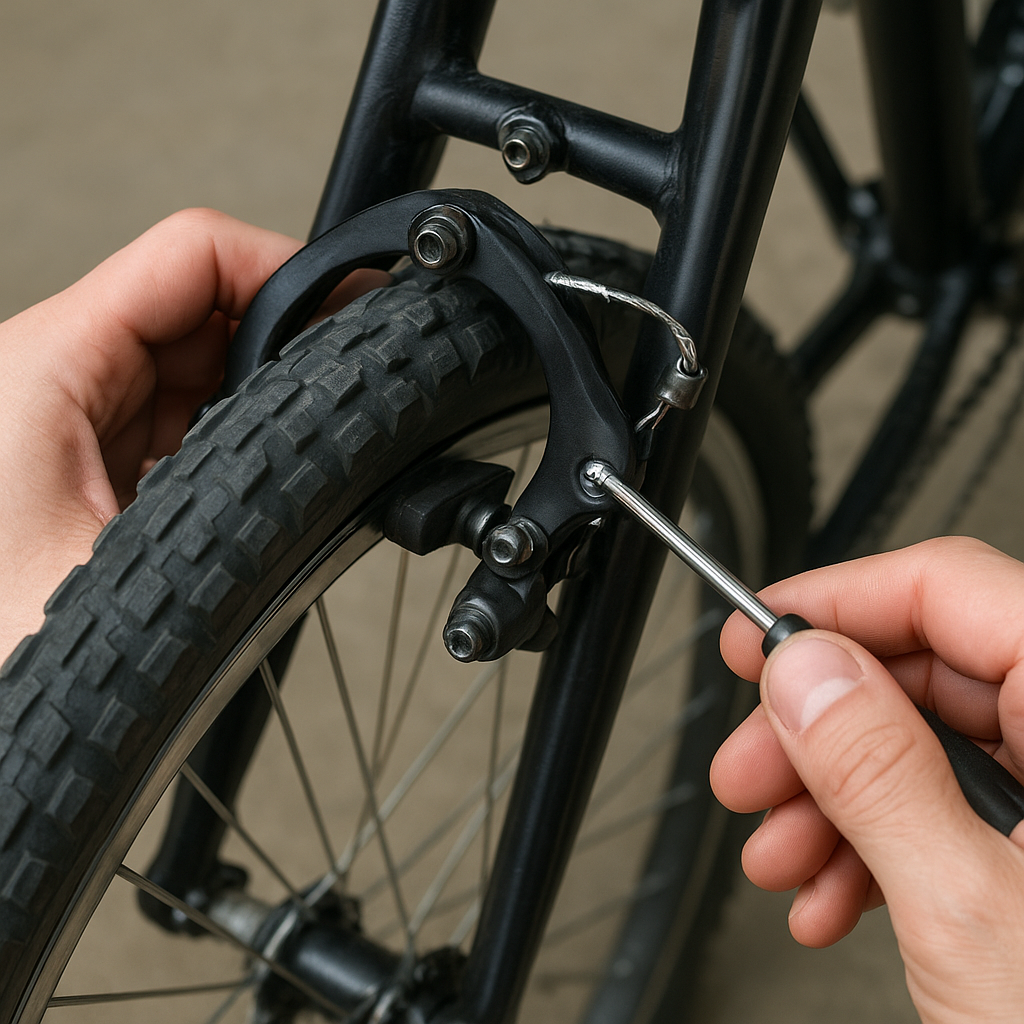
- Brake Maintenance – Responsive brakes are nonnegotiable. Check pad wear, cable tension, or hydraulic fluid levels regularly.
- Mirror – A handlebar or helmet-mounted mirror helps you monitor traffic behind without turning your head excessively.
Invest in a reliable lock and keep essential repair tools on hand. A puncture kit and a mini-pump can save you from being stranded. Familiarize yourself with basic fixes so that roadside repairs become routine rather than stressful emergencies.
Mindset and Defensive Riding
Approaching busy streets with a calm, assertive mindset fosters better decision-making and keeps panic at bay. Defensive riding involves expecting the unexpected and positioning yourself to handle sudden movements by other road users.
- Assume you are not always seen. Double-check vehicle intentions even when you have the right of way.
- Keep a safe buffer space from parked cars to avoid getting clipped by an opening door, a maneuver known as dooring.
- Yield when necessary. Sacrificing a few seconds can prevent more significant setbacks caused by collisions.
- Practice emergency maneuvers in a controlled environment. Quick stops and evasive swerves should feel familiar if you need them in traffic.
Building confidence through gradual exposure to busier roads helps you develop a composed riding style. Begin by cycling during off-peak times, then incrementally push into more congested conditions as your comfort level increases. This strategy builds resilience and sharpens your ability to anticipate potential threats.
Advanced Strategies and Community
Beyond individual skills, tapping into local cycling communities can provide valuable insights. Group rides often feature veterans who demonstrate effective lane control and hazard avoidance. Observing their techniques in real time accelerates your learning curve.
Engaging in workshops on urban cycling safety exposes you to seasoned instructors who cover topics like hand signals in depth and advanced bike handling. Signing petitions or participating in road safety campaigns can also drive infrastructure improvements, making streets safer for everyone.
Building Alliances with Drivers
Encouraging respectful interaction between cyclists and motorists leads to an overall safer environment. Use polite gestures, such as a nod or wave, when drivers yield the right of way. These small acknowledgments foster mutual respect and promote predictability on shared roadways.
By combining thoughtful preparation, proficient technique, quality equipment, and a defensive attitude, cycling through heavy traffic becomes less daunting and more manageable. Embrace learning opportunities, stay vigilant, and you’ll find that navigating busy streets can evolve into an empowering daily routine.