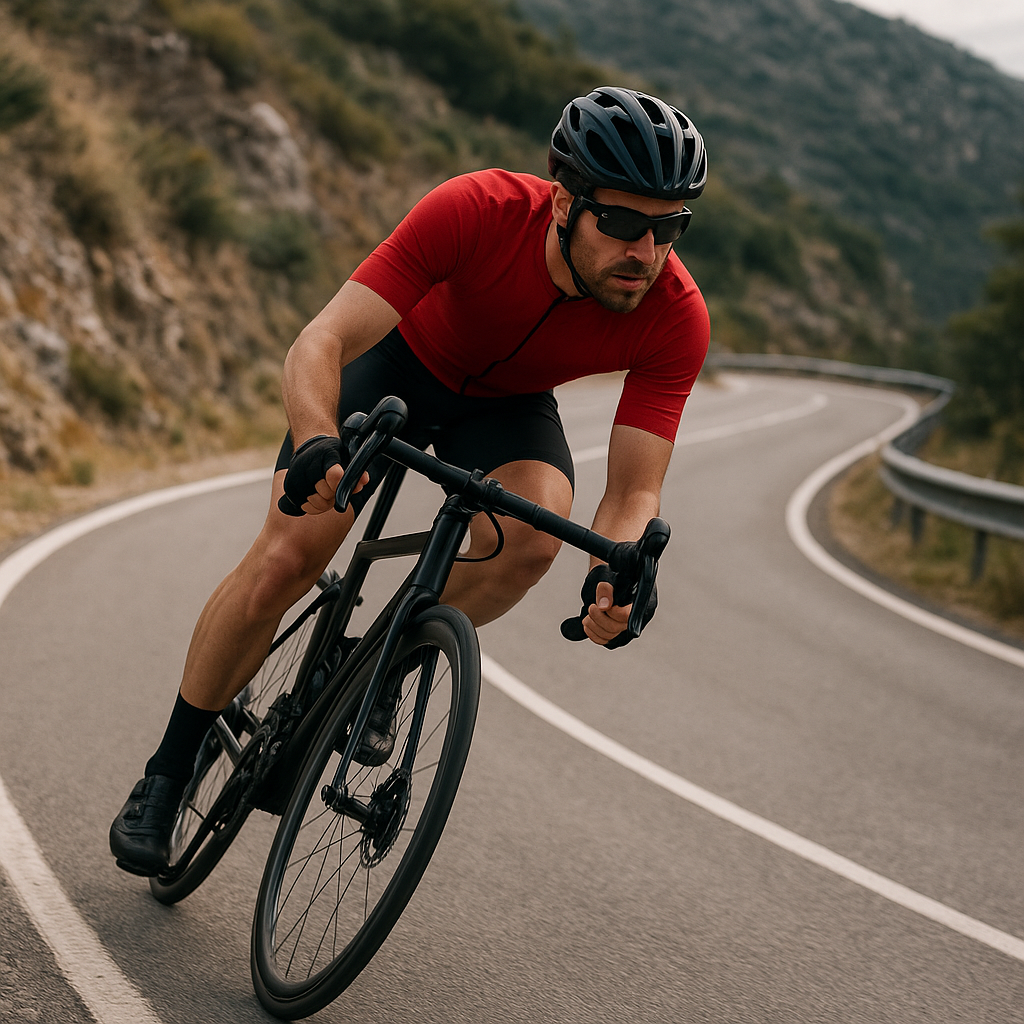
Cycling long distances is a thrilling way to explore new routes, challenge your limits, and improve cardiovascular health. Yet, for many riders, nothing disrupts the joy of a ride faster than painful rubbing that leads to chafing. Whether you’re a weekend warrior or preparing for a multi-day tour, preventing skin irritation can make or break your experience. This article delves into the causes, gear choices, riding practices, and post-ride care essential for maintaining comfort and avoiding painful hotspots.
Understanding the Causes of Skin Irritation
Before exploring solutions, it’s crucial to comprehend what triggers painful rubbing during extended bike rides. Skin irritation often results from excessive friction, constant motion against sensitive areas, and the accumulation of moisture. Key factors include:
- Incorrect saddle shape or position that creates uneven pressure points.
- Clothing materials that trap sweat, increasing dampness and rubbing.
- Riding technique that exaggerates movement in the hips or thighs.
Friction and Pressure Points
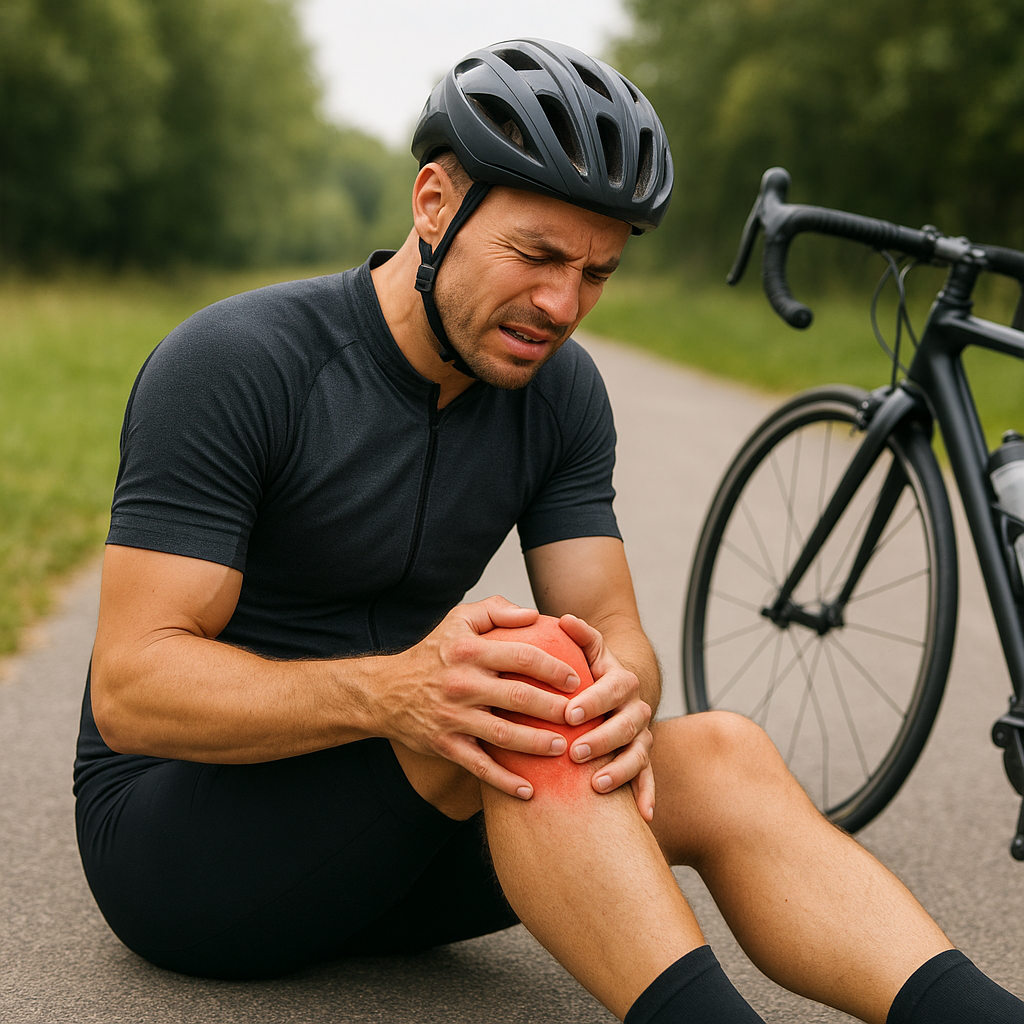
Any hard edge or seam pressing against your skin can become a focal point for irritation. As you pedal, the repeated motion amplifies microscopic rubbing, eventually breaking down the skin’s protective layer. Over time, this leads to red, inflamed spots that can turn into open sores.
Role of Moisture
Sweat is unavoidable on long rides. When moisture builds up, fabrics cling to the skin and intensify friction. Dampness also compromises the epidermal barrier, making skin more prone to irritation. Understanding this interplay sets the stage for effective prevention.
Pre-Ride Gear Selection and Preparation
Selecting the right equipment is your first line of defense against saddle soreness and thigh rubbing. Here are essential considerations before you hit the road:
- Saddle Choice: Opt for a saddle that matches your sit bone width and riding posture. Wide, ergonomically shaped models with a central cut-out relieve pressure in sensitive zones.
- Quality Shorts: Invest in cycling-specific shorts featuring high-density padding (chamois). Ensure they have flatlock seams to reduce rubbing and use moisture-wicking fabrics that draw sweat away from the skin.
- Proper Fit: Too-tight shorts constrict circulation and increase friction; too-loose shorts will bunch up. A snug yet comfortable fit is key for minimizing movement between fabric and flesh.
- Chamois Cream and Lubricant: Apply a thin layer of anti-chafing balm or cream on areas prone to rubbing before your ride. These products create a protective layer that reduces direct skin-to-fabric contact.
Saddle Positioning
Even the best saddle can irritate if it’s misaligned. Adjust the tilt and height so you sit flat with a slight forward lean. Your hips should remain stable, avoiding side-to-side rocking that heightens rubbing.
Pre-Ride Skin Care
Clean, dry skin holds creams and balms better than damp or dirty skin. Shower before long rides and gently exfoliate problem areas to remove dead skin cells. Apply an anti-chafing product, focusing on regions that have caused issues in the past.
On-Ride Strategies to Minimize Discomfort
Comfort on the bike isn’t static; it requires ongoing attention. Here are tactics to implement mid-ride:
- Frequent Position Shifts: Change your posture every 10–15 minutes. Stand on the pedals briefly to relieve pressure and reset contact points.
- Monitor Moisture: Use breathable jerseys with underarm vents or zippered vents on the torso. Consider carrying a small pack of wipes to gently pat down sweat during rest stops.
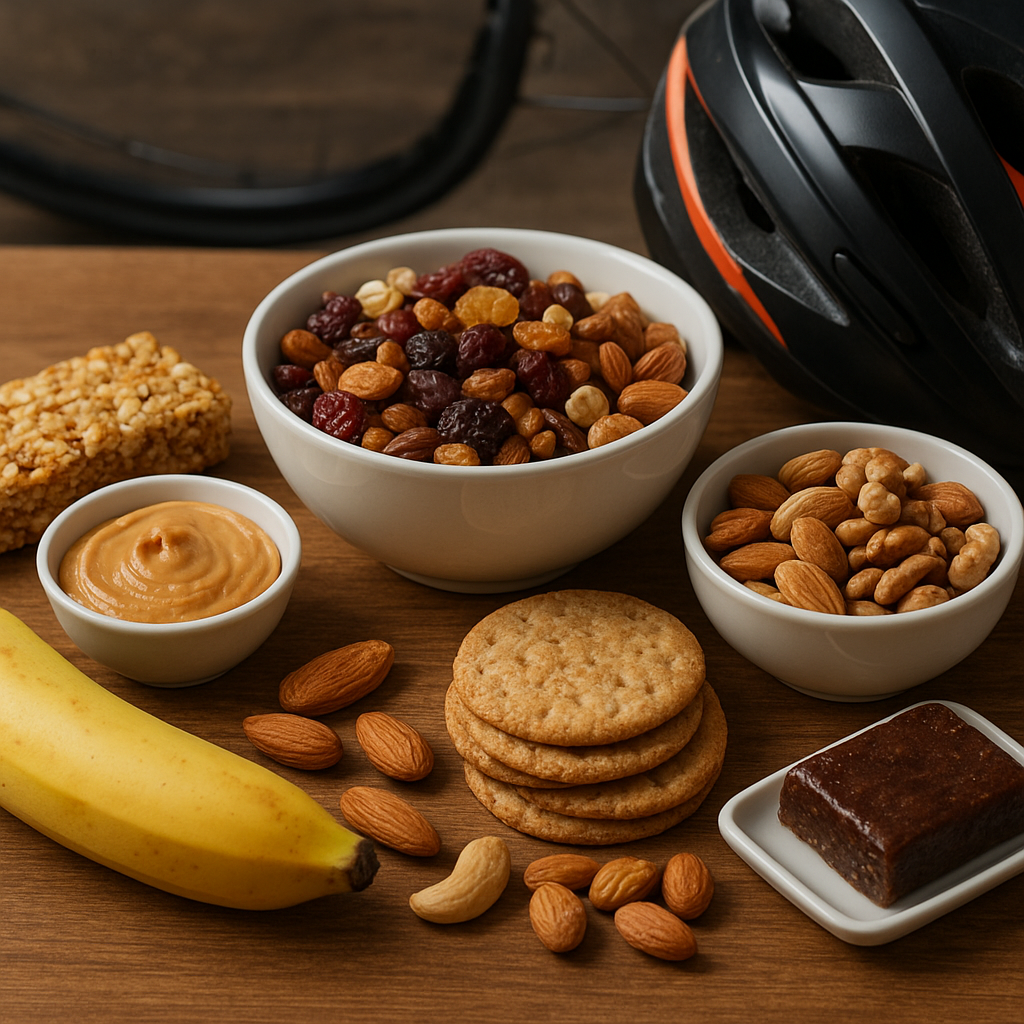
- Hydration and Nutrition: Dehydration thickens sweat, making it saltier and more abrasive. Drink regularly and maintain electrolyte balance. Fueling properly also helps preserve skin integrity.
- Route Planning: Smooth roads reduce vibration and micro-movements that exacerbate friction. Whenever possible, choose paved surfaces over gravel or deteriorated asphalt.
Active Recovery During the Ride
On long endurance rides, build in short recovery segments where you can step off the bike, stretch the hip flexors, and rotate the pelvis. These mini-breaks help distribute pressure and reset the contact area.
Clothing Changes Midday
For all-day excursions, pack a spare pair of cycling shorts. Fresh, dry shorts remove built-up salt and bacteria that irritate the skin. A quick change can dramatically improve comfort for the remaining miles.
Post-Ride Care and Skin Maintenance
Once you’ve conquered the miles, thoughtful recovery helps prevent future flare-ups. Post-ride routines should include:
- Immediate Rinse: Shower as soon as possible to remove sweat, dirt, and residual cream. Use a mild, fragrance-free cleanser to avoid drying out skin.
- Gentle Cleansing: Pat skin dry instead of rubbing. Use a soft towel to prevent further abrasion.
- Healing Ointments: Apply a soothing, anti-inflammatory balm on any red or irritated areas. Look for products containing aloe vera or calendula.
- Loose Clothing: Wear breathable, cotton-based underwear or loose shorts overnight to reduce additional friction as the skin rebuilds itself.
Monitoring and Treatment
If you notice persistent soreness, redness, or cracking, treat the area with an over-the-counter antibiotic cream or hydrocortisone to reduce inflammation. Severe cases may require consulting a dermatologist or sports medicine professional.
Long-Term Strategies
Track recurring trouble spots in a ride journal. Note saddle settings, clothing choices, and environmental conditions. Over time, you’ll identify patterns and refine your equipment and practices for optimal endurance and comfort.
Conclusion
Preventing chafing during long rides involves a holistic approach: selecting the right gear, refining your riding technique, managing moisture, and committing to thorough post-ride care. By understanding how pressure, sweat, and repetitive motion interact, cyclists can drastically reduce discomfort and focus on the pure joy of exploration and achievement. Implement these strategies on your next tour to experience uninterrupted performance, maximize endurance, and promote speedy recovery.