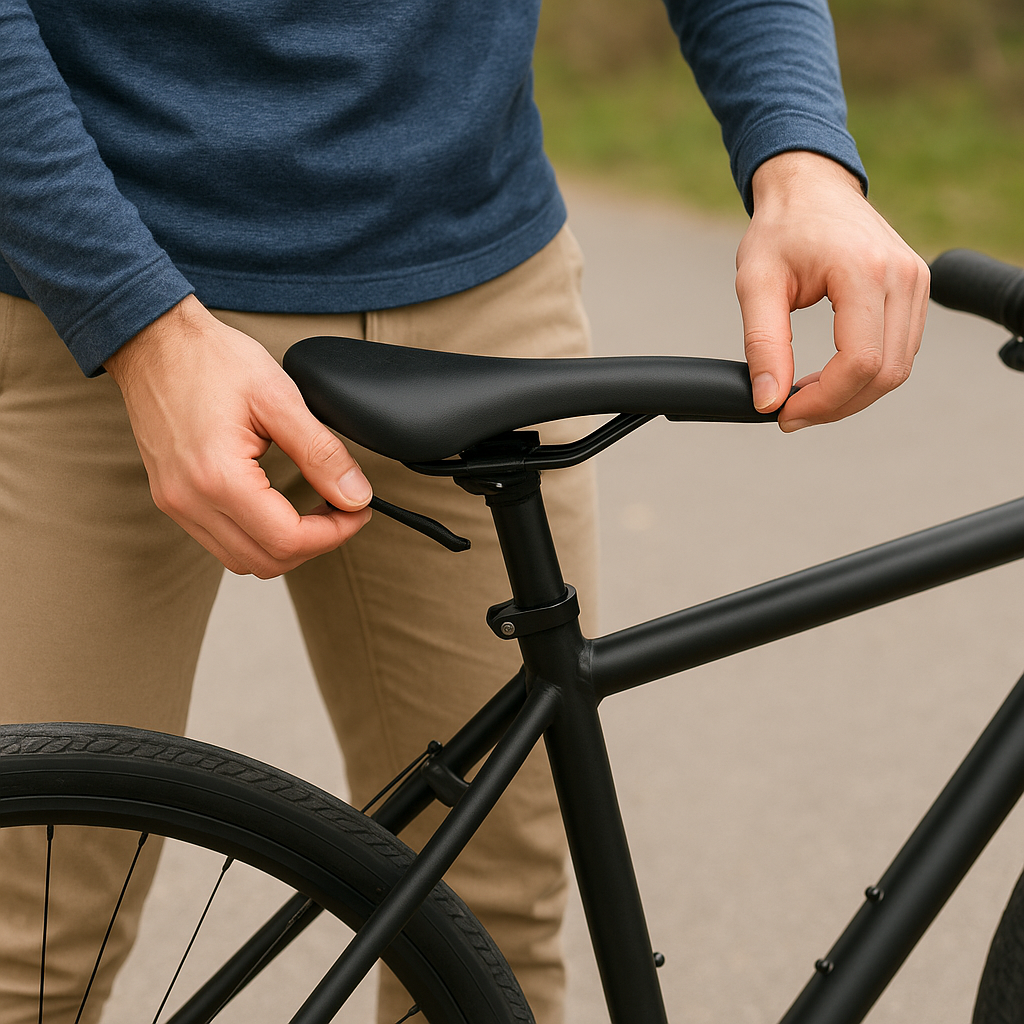
Adjusting the saddle height on a bicycle is more than just twisting a quick-release lever or loosening a clamp. Achieving the correct saddle height can dramatically improve your comfort, boost pedaling efficiency, and reduce the risk of overuse injury. Whether you’re commuting, tackling steep climbs, or simply enjoying a weekend ride, a properly set seat will help you apply power more effectively and maintain a healthy riding posture.
Understanding the Importance of Proper Seat Height
Every cyclist—from casual riders to seasoned racers—knows that a poorly adjusted saddle can lead to aches, pains, and wasted energy. The ideal seat height promotes a natural leg extension, aligning your knees, hips, and ankles in a biomechanically sound pattern. When your saddle is too low, you limit your ability to generate full leg drive, placing extra stress on your knees and reducing overall performance. Conversely, if the seat is too high, you risk overextending your leg, losing control at the bottom of the pedal stroke and causing discomfort in your hip flexors. A balanced setup supports consistent muscle engagement, better blood flow, and a more enjoyable ride.
In addition to power transfer, proper saddle height affects your spinal alignment and upper-body posture. A rider forced to lean excessively or reach forward to compensate for seat misplacement may develop neck and shoulder tension. By fine-tuning seat height, you maintain an ergonomic position that harmonizes your entire body, ensuring that every watt of effort moves you forward effectively.
Determining Your Ideal Seat Height
There are several methods to calculate the starting point for your saddle height, but accuracy and personal comfort should guide final tweaks. Below is a systematic approach to finding that sweet spot:
- Step 1: Measure Your Inseam. Stand barefoot with your feet about 6–8 inches apart and measure from the floor to your crotch. Multiply this number by 0.883 to estimate your saddle height (center of bottom bracket to top of the saddle).
- Step 2: Adjust for Body Mechanics. While the formula provides a great baseline, individual hip flexibility and limb proportions vary. When seated, your knee should maintain a slight bend—approximately 25–35 degrees—when the pedal is at its lowest point.
- Step 3: Fine-Tune With the Heel Method. Place your heel on the pedal and rotate backward until your leg is fully extended. If your hips rock or you cannot reach, lower the saddle slightly until you achieve a full extension without shifting your pelvis.
- Step 4: Check Saddle Fore-Aft Position. Slide the saddle forward or backward on its rails so that, with the crank horizontal, a plumb line from your knee cap drops directly over the ball of your foot. This ensures proper alignment and efficient force application.
Once you’ve set a preliminary height, take your bike to a flat stretch of road or a trainer. Perform a short ride, paying close attention to any discomfort or awkward joint angles. Minor adjustments—sometimes as small as 2–3 millimeters—can make a significant difference in feel and power output. Remember that both overextending and underextending compromise your ability to maintain a smooth pedal stroke.
Making Precise Adjustments on Different Bike Types
The process of adjusting seat height is fundamentally the same across road, mountain, and hybrid bicycles, but specific considerations apply to each category.
Road Bikes
- Use a torque wrench to secure the saddle clamp bolt at the manufacturer-recommended tension.
- Consider a slightly higher seat angle when riding aggressively in drops, as this promotes an aerodynamic posture.
- Ensure the saddle rails are centered and parallel to the top tube for optimal handling.
Mountain Bikes
- If equipped, adjust your dropper post so you can quickly switch between climbing and descending heights without tools.
- Lower the saddle slightly on technical descents to enhance bike control and lower your center of gravity.
- Verify that the saddle tilt is neutral or slightly nose-up to prevent you from sliding forward on rough terrain.
Hybrid and Commuter Bikes
- Strive for a comfortable upright position while still allowing full leg extension.
- A saddle that’s too high can make mounting and dismounting awkward—test your setup by practicing stops in traffic simulations.
- Consider adding a suspension seat post or cushioned saddle if you spend a lot of time on uneven urban roads.
Testing, Riding, and Ongoing Fine-Tuning
After establishing your baseline seat height and position, commit to a series of test rides to verify that everything feels natural and pain-free. Monitor your knees, hips, lower back, and neck for any signs of discomfort. Pay attention to your power delivery: smoother, more consistent pedaling indicates that you’re optimizing energy transfer.
During these trial rides, experiment with:
- Cleat and foot positioning: Adjusting cleats can complement saddle height by influencing the angle at which your foot meets the pedal.
- Saddle tilt: A slight nose-down or nose-up adjustment can relieve pressure points and improve weight distribution.
- Seatpost setback: Minor shifts forward or backward fine-tune your reach to handlebars and contribute to overall stability.
It’s also crucial to maintain your saddle and seatpost assembly. Routinely inspect for wear, clean the post to prevent slippage, and reapply the correct grease or assembly compound if necessary. Over time, even small changes in seat post height can occur due to road vibration or rapid-release misuse, so make it a habit to verify your settings before long rides or races.