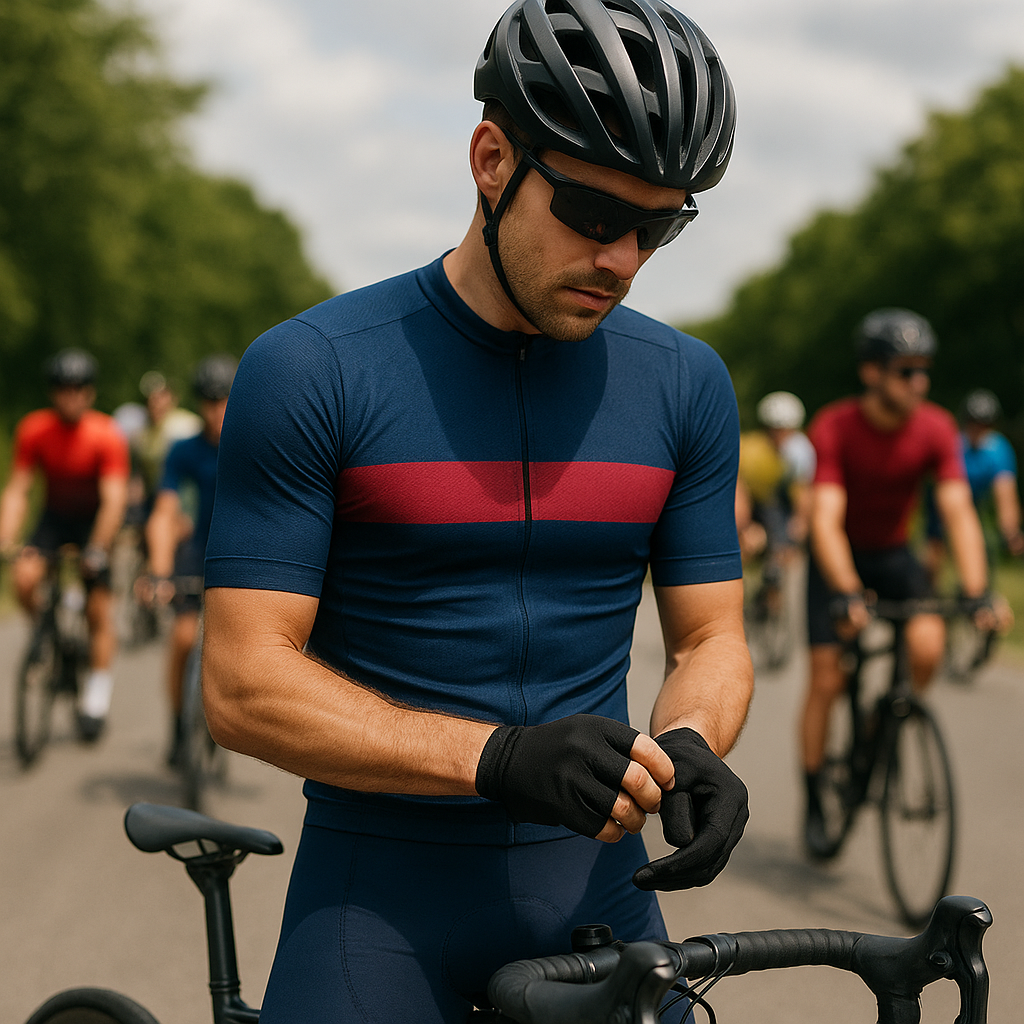
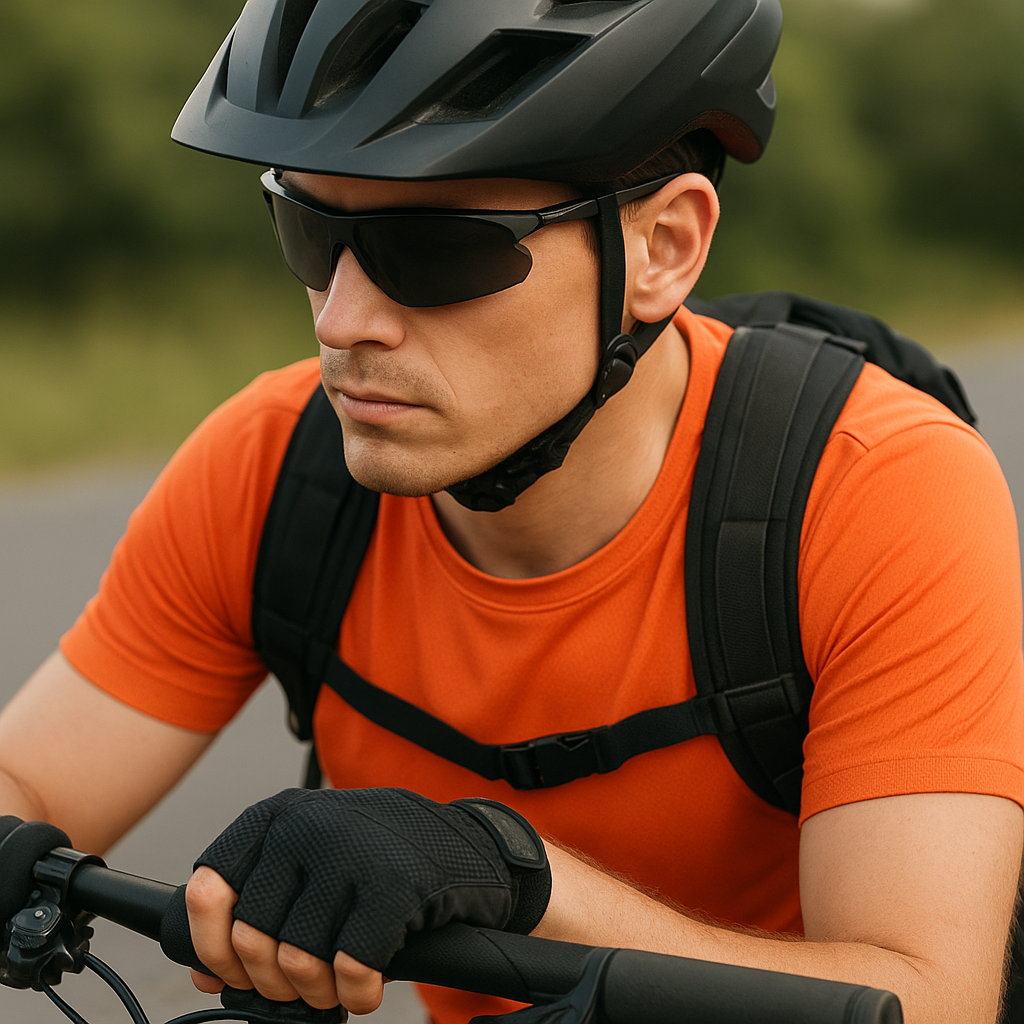
Riding against a headwind can feel like battling an invisible opponent, but with the right approach, you can turn that challenge into an opportunity to improve your technique and efficiency. This guide explores key strategies to help cyclists conquer wind-blown routes, from understanding the science behind resistance to practical tips on posture, gearing, and pacing.
Understanding the Challenge of Riding into Wind
When you pedal into a gust, you’re fighting more than just the road’s incline. The force of air hitting your wheels and body increases the effort required to maintain speed. By grasping the principles of aerodynamics and wind resistance, you’ll know why every watt counts and how slight adjustments in form can have big payoffs.
How Airflow Impacts Speed
Airflow around your bicycle and body produces drag that grows with the square of velocity. That means doubling your speed quadruples aerodynamic drag. In headwinds, your relative speed against air increases, making drag the dominant force to overcome. Reducing your frontal area or smoothing airflow can yield substantial energy savings.
The Role of Body Position
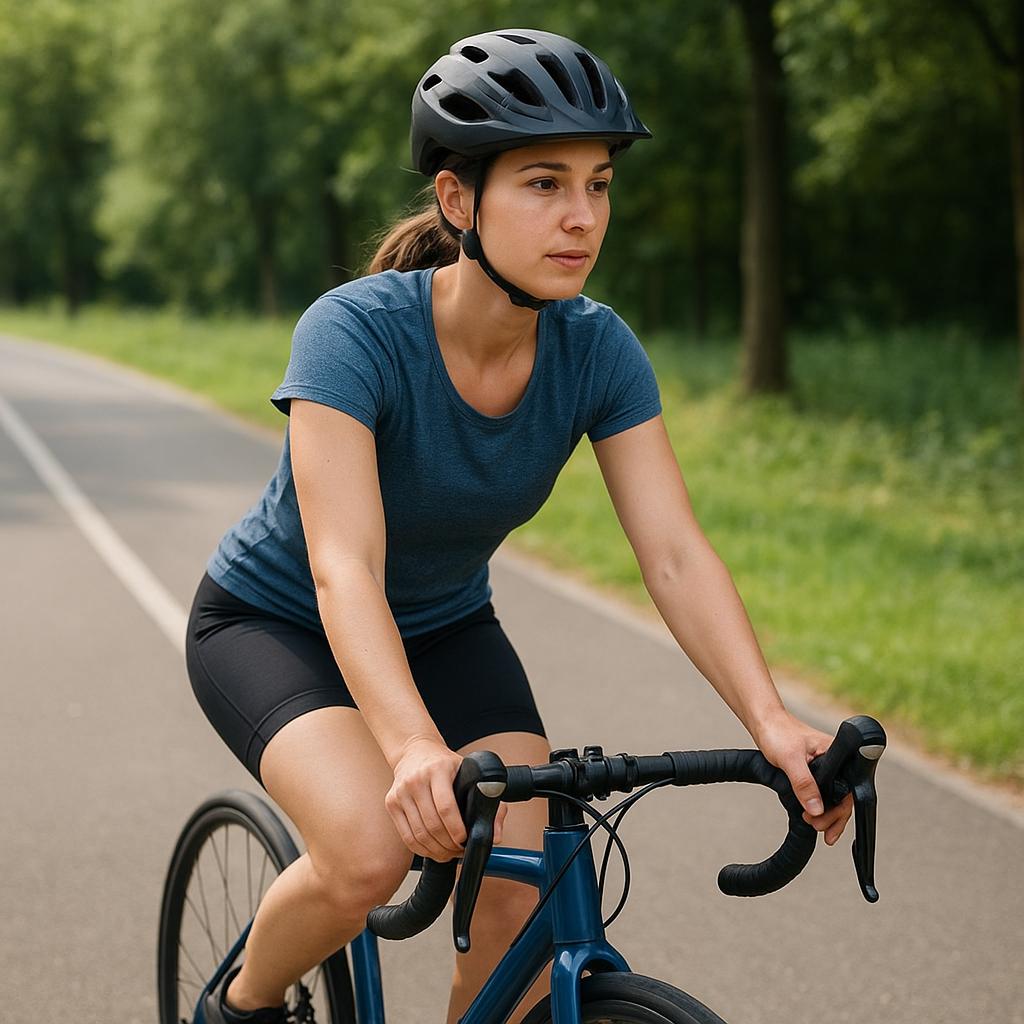
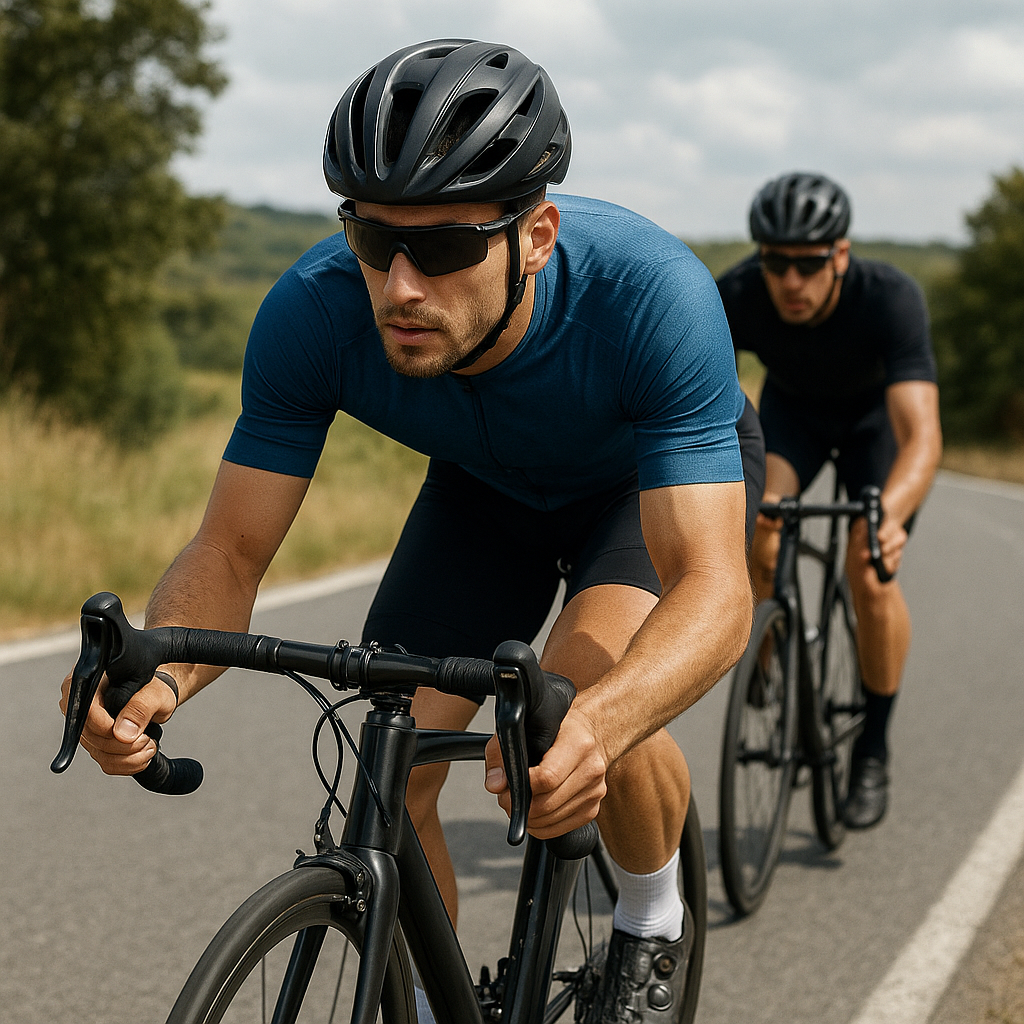
Lowering your torso and tucking elbows reduces frontal surface area. Many riders struggle to maintain this position over long distances, but gentle training in a time trial pose can build the necessary flexibility and strength.
Optimizing Your Position and Gear
Efficient riding isn’t just about brute power; it’s about smart positioning and selecting the right equipment. Invest a minute before your ride to set up your bike and body for success.
Posture and Core Engagement
Engaging your core stabilizes the torso and helps maintain an aerodynamic tuck without collapsing your chest. This engagement protects your lower back and supports sustained power output.
- Keep elbows bent and close to your body.
- Drop your chin slightly to align your neck with your spine.
- Squeeze your glutes and brace your abs for stability.
Gearing Strategy
Choosing the right gears is critical when battling wind. Opt for a slightly harder gear than usual to maintain a consistent cadence—aim for 80–90 RPM to sustain smooth power delivery without burning out your legs.
Techniques and Strategies on the Road
Practical tactics can make headwind segments more manageable. From shifting your line on the road to employing drafting skills, a combination of approaches will keep you moving efficiently.
Utilizing Drafting Safely
Riding closely behind another cyclist reduces your wind exposure dramatically. Proper drafting can save up to 30% of your energy, but requires trust, communication, and precise steering to stay safe at speed.
- Keep a steady distance—around 0.5 to 1 meter—to benefit from the slipstream.
- Maintain smooth pedals and predictable steering to avoid sudden gaps.
- Communicate through hand signals if hazards appear.
Windsock and Flags
Simple tools like a windsock on training fields or roadside flags in rural areas help you gauge wind direction and strength. Use visual cues—tree movement, smoke, or flag orientation—to anticipate shifts and adjust your effort accordingly.
Maintaining Momentum Through Intervals
Rather than grinding at a constant high power, incorporate intervals to make the wind your ally in training. Alternate between short bursts at higher power and recovery periods, conditioning your body to handle surges and transitions smoothly.
- 20 seconds at 110% of your threshold power followed by 40 seconds easy.
- Repeat 8–10 times, then cool down with relaxed pedaling.
- These intervals teach your muscles to adapt quickly to changing loads.
Training and Physical Preparation
Beyond on-bike tactics, building strength and endurance off the saddle pays dividends on windy days. A structured regimen focusing on lower body power, core stability, and flexibility ensures your body can hold an aero position without fatigue.
Strength Workouts
Squats, lunges, and deadlifts develop the glutes, quads, and hamstrings that drive each pedal stroke. Incorporate plyometric drills—box jumps or lunges—to improve explosive power when surging through gusts.
Core and Flexibility
Planks, side planks, and stability ball exercises enhance trunk control. Complement these with regular stretching sessions for hip flexors and hamstrings to ease into a lower handlebar reach.
Fueling and Hydration Strategies
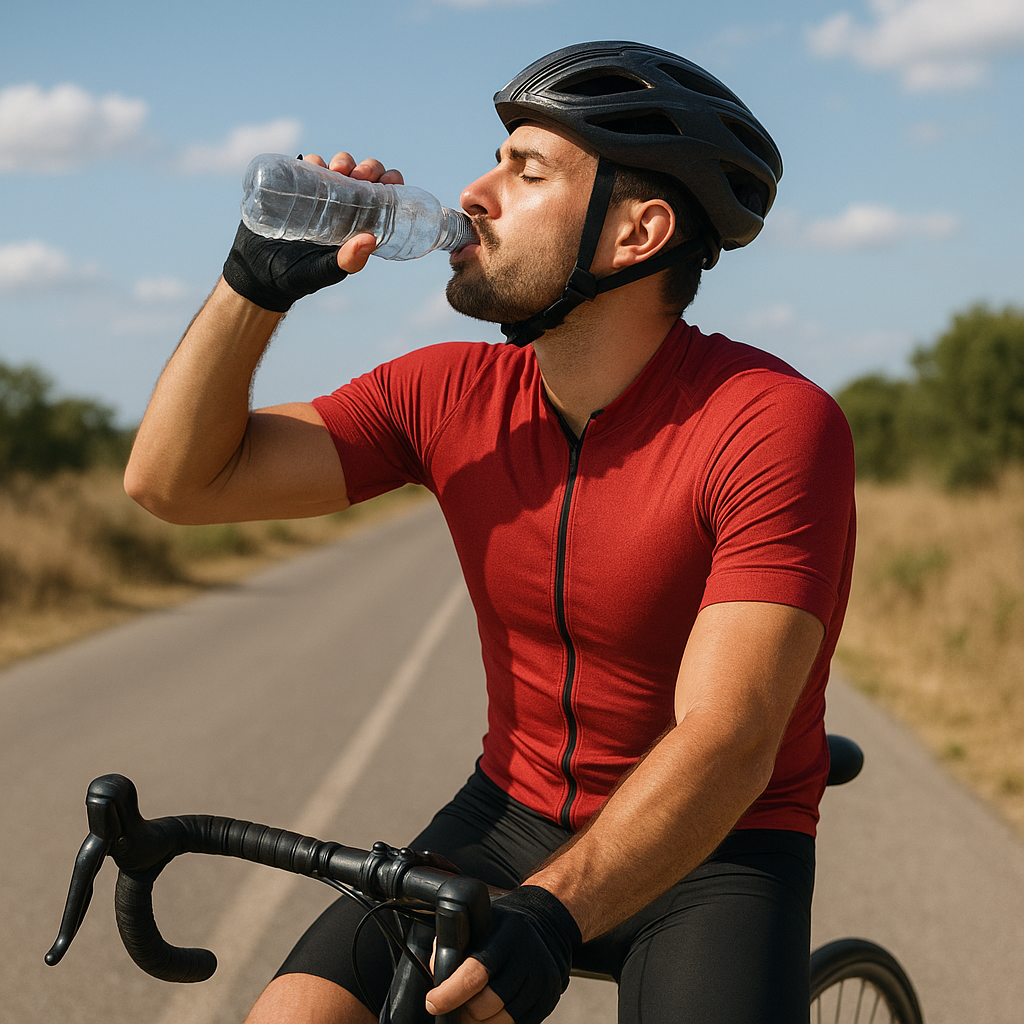
Long efforts into wind demand smart fueling to prevent bonking. Consistent intake of carbohydrates and electrolytes keeps your energy levels steady, while proper nutrition and hydration support recovery and performance.
- Consume 30–60 grams of carbs per hour, adjusting based on intensity.
- Sip fluids regularly—don’t wait until you feel thirsty.
- Include a mix of fast-absorbing and sustained-release carbs for steady output.
Practical Equipment Upgrades
While technique matters most, certain upgrades can boost your efficiency:
- Aero handlebars or clip-on extensions for a streamlined grip.
- Deep-section wheels designed to slice through crosswinds.
- Close-fitting jerseys and bib shorts with minimal flapping.
- Lightweight frame materials to reduce overall drag.
Each component chips away at precious seconds, turning sustained efforts into smoother, faster rides.