Cycling to work each day can be both rewarding and cost-effective, but expenses can add up if you don’t plan carefully. By adopting smart strategies and making intentional choices, you can keep more money in your pocket while enjoying a smooth ride. This article explores practical tips and techniques for daily cyclists aiming to cut costs without sacrificing performance or comfort.
Choosing cost-effective equipment
Selecting the right bicycle and accessories lays the foundation for long-term savings. While it can be tempting to chase the latest high-end models, you can achieve excellent performance on a tighter budget by focusing on quality essentials.
- Bike frame and materials: Steel frames offer remarkable durability and can be less expensive than carbon or titanium. Look for reputable brands with warranties on welds and paint.
- Used bicycles: A well-maintained second-hand bike from a garage sale or online marketplace can deliver reliable performance. Inspect for frame damage, wheel trueness, and component reliability.
- Essential accessories: Prioritize items such as a sturdy lock, lights, and fenders. You can add non-essential extras later as your budget allows.
- Multi-purpose tires: A puncture-resistant, reflective tire can save you the cost of frequent tube replacements and enhance road safety.
Clever commuting strategies
Daily cycling often involves navigating traffic, weather, and time constraints. Embracing efficient habits can reduce wear and tear on your bike and prevent unnecessary expenses.
- Route planning: Use apps or local maps to avoid rough roads and steep hills. A smoother route minimizes maintenance needs and energy expenditure.
- Cycling in stages: If your commute is very long, consider combining cycling with public transport. Many transit systems offer discounted bike passes or free onboard storage during off-peak hours.
- Weather readiness: Invest in waterproof panniers rather than disposable plastic covers. Keeping gear dry prevents damage and extends the lifespan of your clothing.
- Group rides: Sharing a commute with others can lead to carpool-like savings on group tools or discounts at local bike shops.
- Time management: Avoid peak traffic hours to reduce the risk of collisions and associated repair costs.
DIY Repairs and Routine Maintenance
Learning basic repair skills not only empowers you but also slashes the cost of labor at bike shops. A few simple tools and some routine know-how go a long way in keeping your ride smooth and safe.
Essential home workshop tools
- Adjustable wrench and Allen key set: All-purpose items for brake and derailleur adjustments.
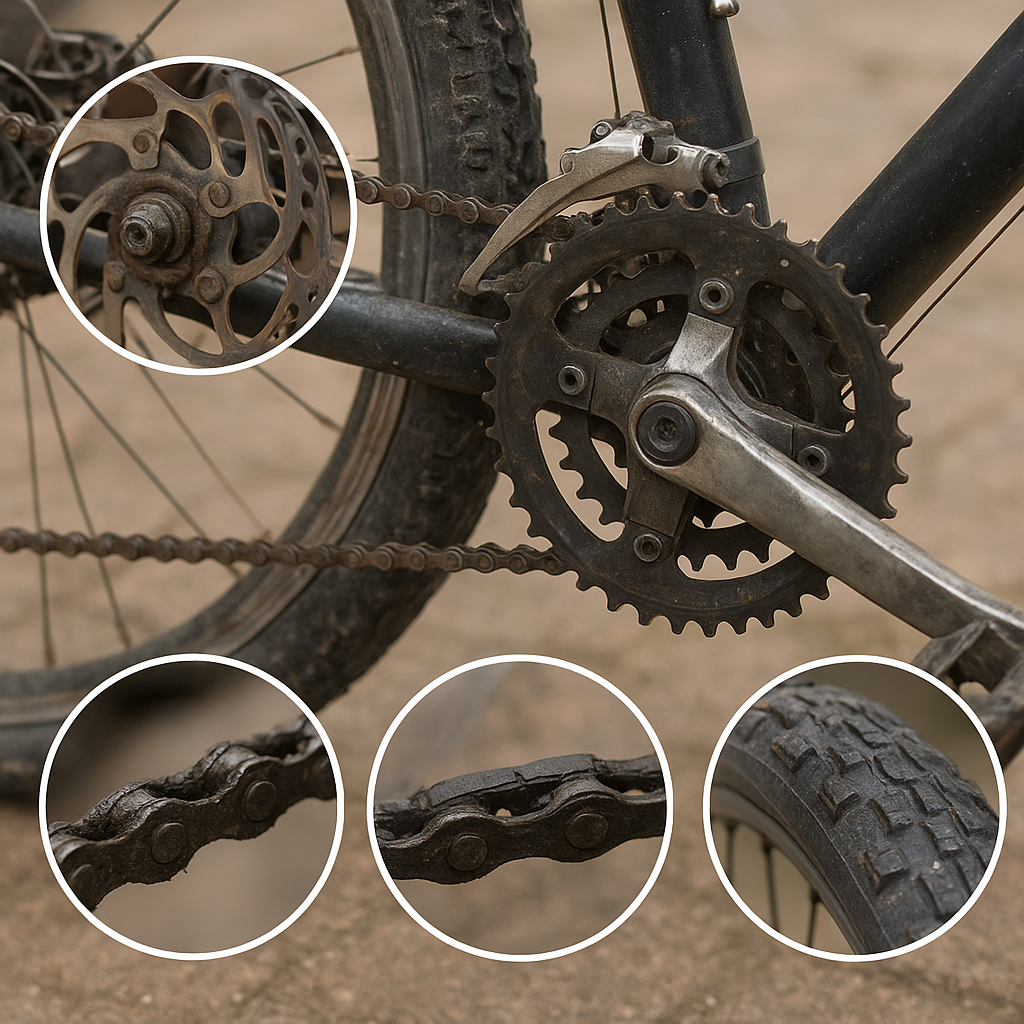
- Chain tool and lubricant: A clean, well-lubricated chain improves pedaling efficiency and reduces drivetrain wear.
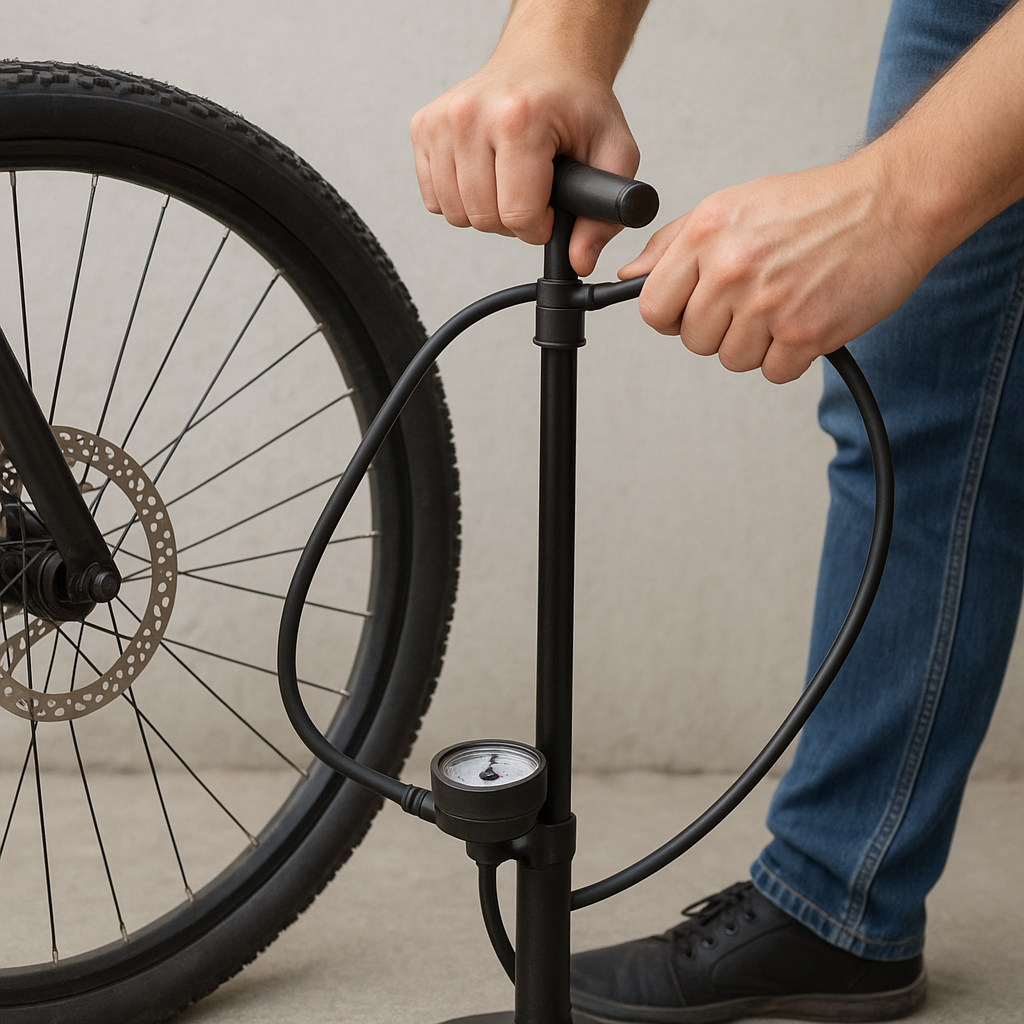
- Tire levers and a mini-pump: Quick flat fixes without resorting to costly roadside assistance.
- Spoke wrench: Keeps wheels true for better handling and reduces rim damage.
Key maintenance tasks
- Cleaning and lubrication: Regularly wash your drivetrain and apply quality chain lube to prevent rust and extend component life. Proper lubrication can save you dozens of dollars in replacement parts each year.
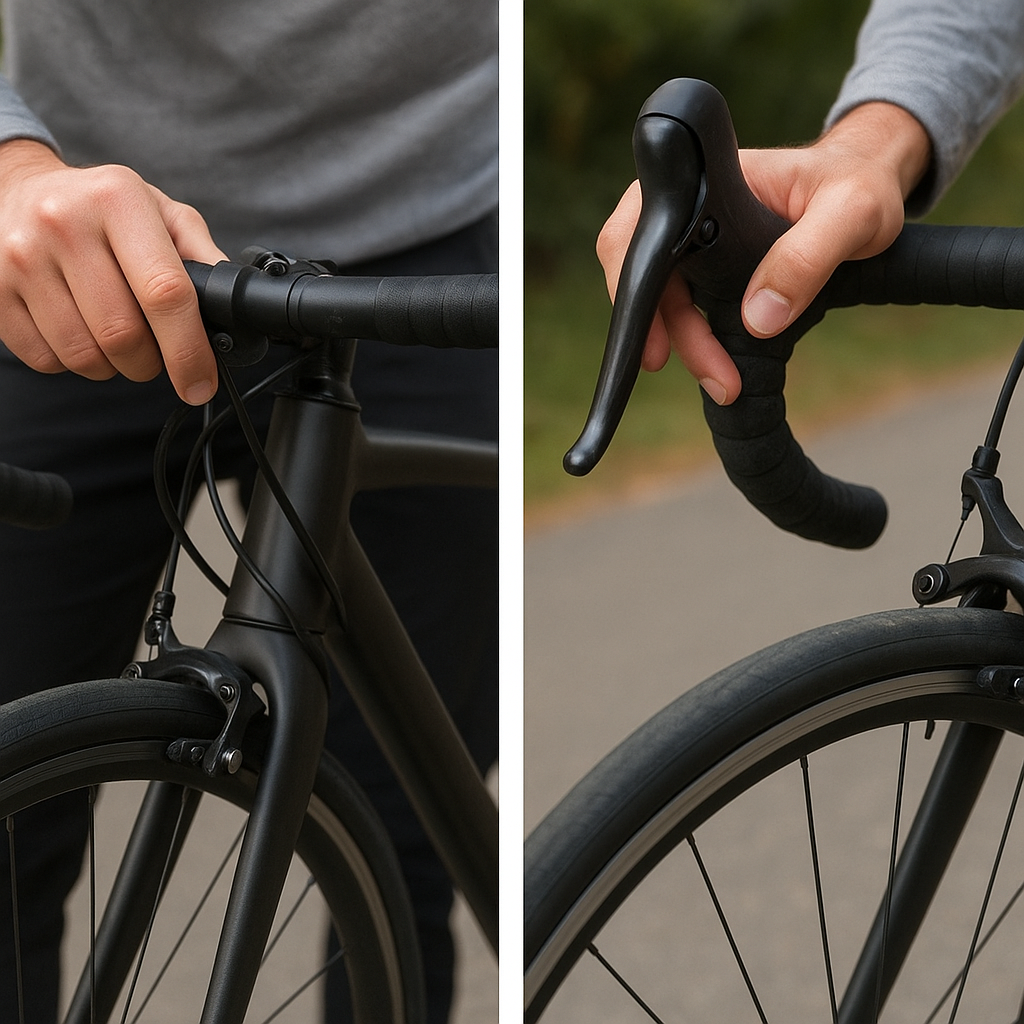
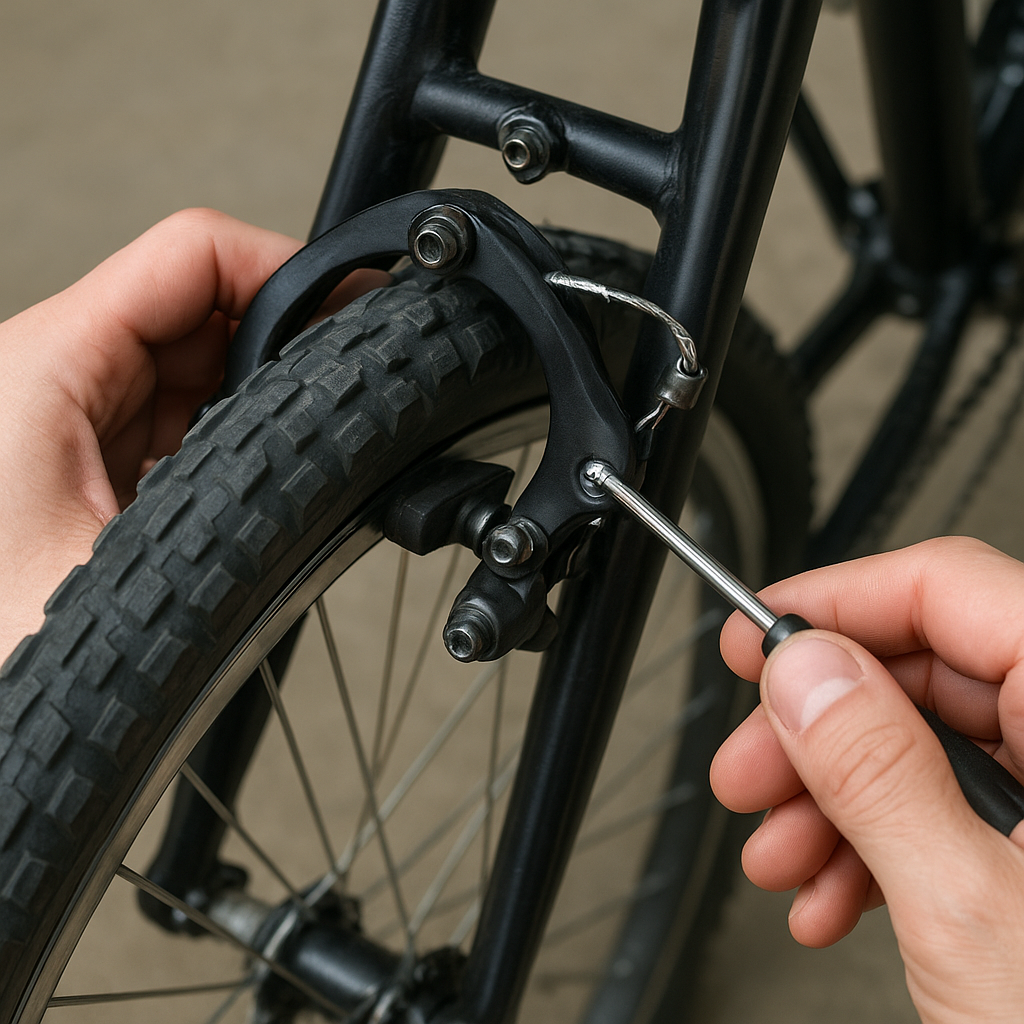
- Brake pad inspection: Worn pads compromise safety and cause rim grooves. Swapping them out at home takes minutes.
- Gear indexing: Fine-tuning derailleur alignment avoids skipped gears and premature wear on the cassette and chainrings.
- Wheel truing: Slight adjustments with a tools and patience can restore wheel alignment and prevent tube pinch flats.
Smart nutrition and gear management
Fueling your body and organizing your cycling kit smartly also play a role in cost savings. Choose self-catered options over expensive café stops and invest in versatile clothing.
- DIY energy snacks: Homemade bars or trail mix cost a fraction of branded products at bike shops. Bulk ingredients like oats, nuts, and dried fruit stretch your dollars further.
- Reusable bottles and containers: Single-use packaging adds up. A durable bottle or insulated flask eliminates recurring expenses.
- Modular clothing: Choose layers that work for multiple seasons. A breathable base layer, a windproof jacket, and a packable rain cape may cost more upfront but serve across years.
- Second-hand first: Check community groups or local swap meets for barely used jerseys, gloves, and protective gear.
Long-term financial planning for cyclists
Savvy cyclists consider insurance, storage solutions, and incremental upgrades as part of their money-saving strategy. Adopting a forward-thinking approach can yield significant dividends over time.
- Bike insurance: Compare annual premiums against potential replacement costs. Theft-protection plans may include roadside assistance or theft-recovery services, offsetting Premium fees.
- Secure storage: At home, invest in a wall-mounted rack or floor stand to prevent damage. At work, look for employer-provided secure racks or negotiate bike storage access as a perk.
- Upgrade strategy: Rather than swapping entire components, prioritize high-wear items like tires and chains. Gradual enhancements mitigate large one-time expenditures.
- Warranty tracking: Keep records of purchase dates and serial numbers. Timely claims on frames and parts can save you hundreds in repair or replacement costs.
By combining savvy purchasing decisions, diligent maintenance, and mindful daily practices, you can significantly lower your overall cycling expenses. With a little upfront effort and the right mindset, the road to affordable commuting becomes smoother and more enjoyable.