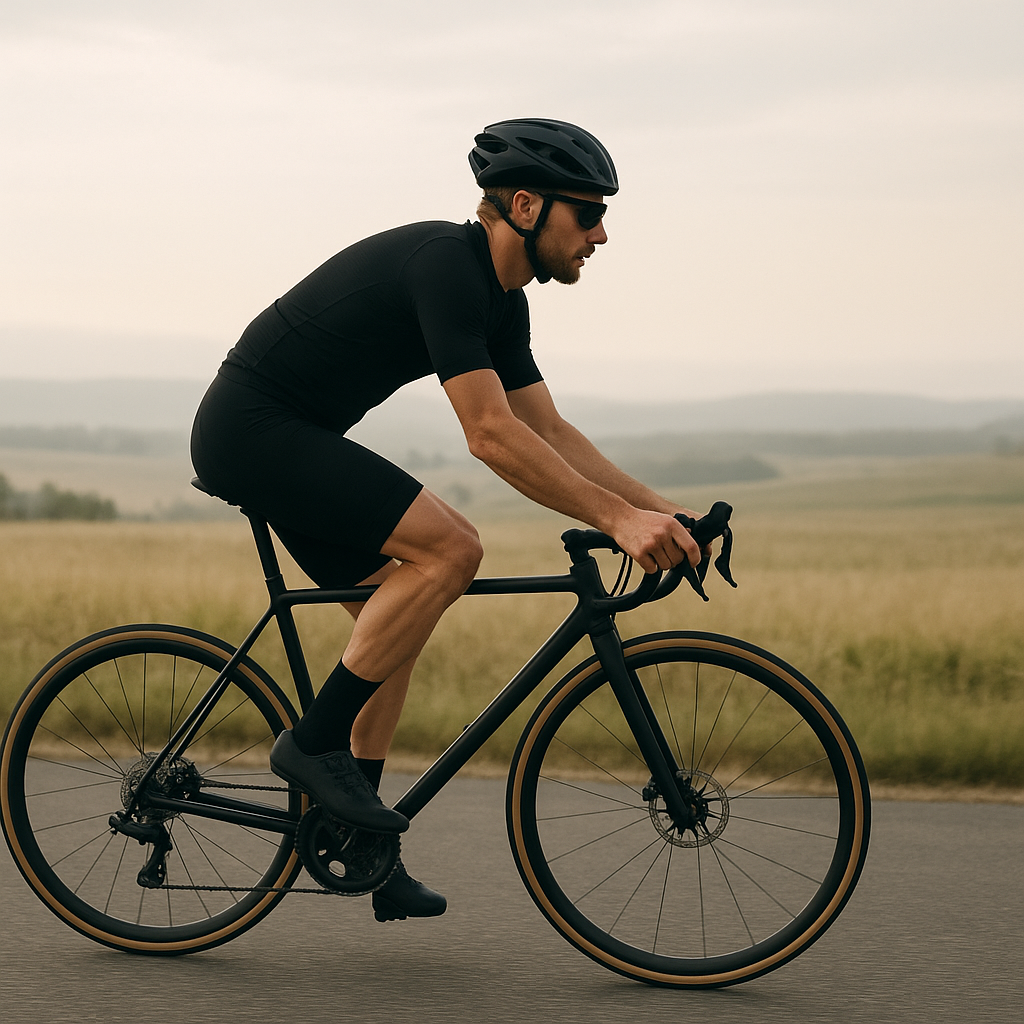
Cyclists across all levels understand that on-bike sessions are only part of the journey. Effective off-bike practices can make a significant difference in how quickly a rider bounces back from intense training or long-distance efforts. Among these practices, stretching plays a pivotal role in maintaining peak physical condition and accelerating recovery. By incorporating targeted routines into post-ride protocols, cyclists can reduce discomfort and enhance readiness for the next challenge.
Understanding the Science Behind Stretching
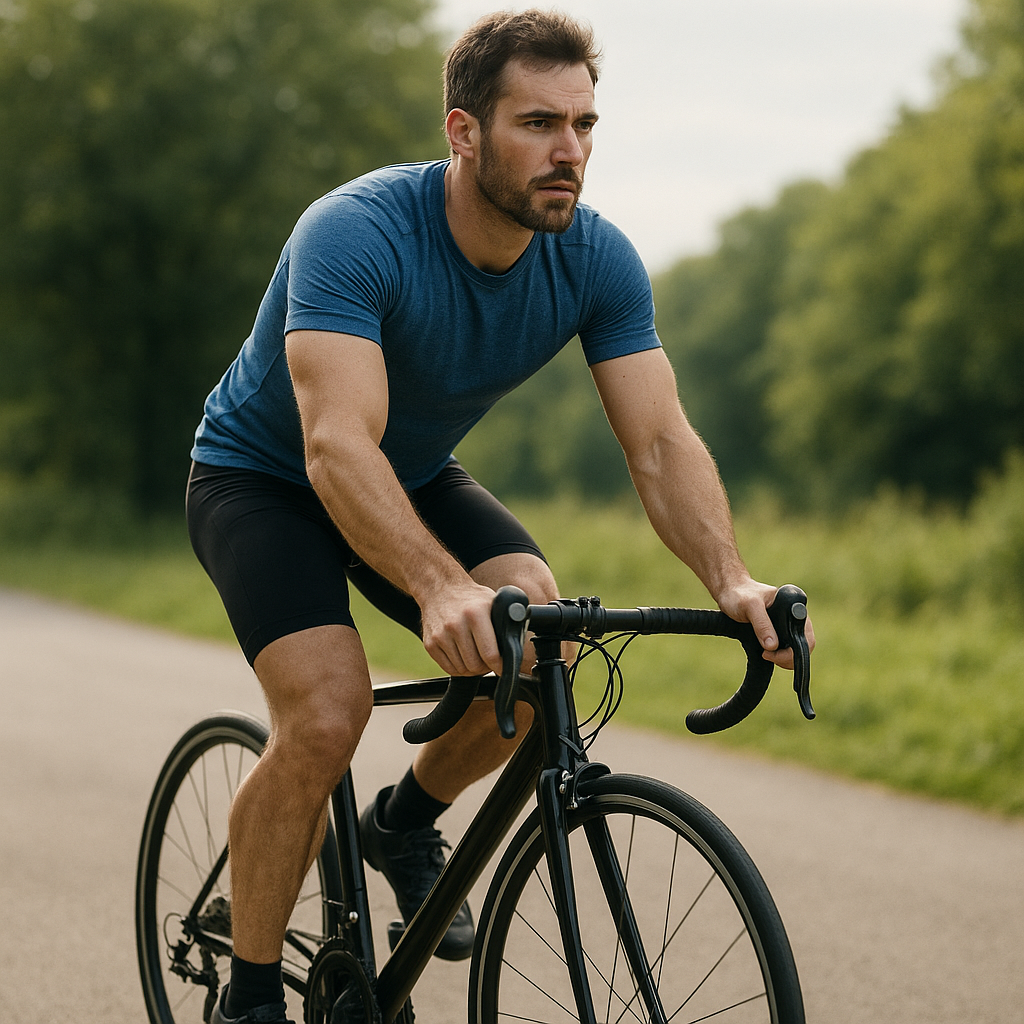
When a cyclist pushes through a climb or undertakes an extended ride, the muscles in the legs, hips and lower back experience micro-tears and elevated tension. Without appropriate intervention, riders may face prolonged stiffness and increased fatigue. Stretching addresses these issues by improving circulation and facilitating the clearance of metabolic waste products such as lactic acid. This process helps to minimize delayed onset muscle soreness and supports tissue repair.
Mechanically, stretching elongates muscle fibers and boosts the muscle’s ability to absorb and distribute forces during the next pedal stroke. Enhanced elasticity also contributes to an improved range of motion, which can translate to more efficient power transfer and reduced risk of overuse injury prevention.
Key Stretching Techniques for Cyclists
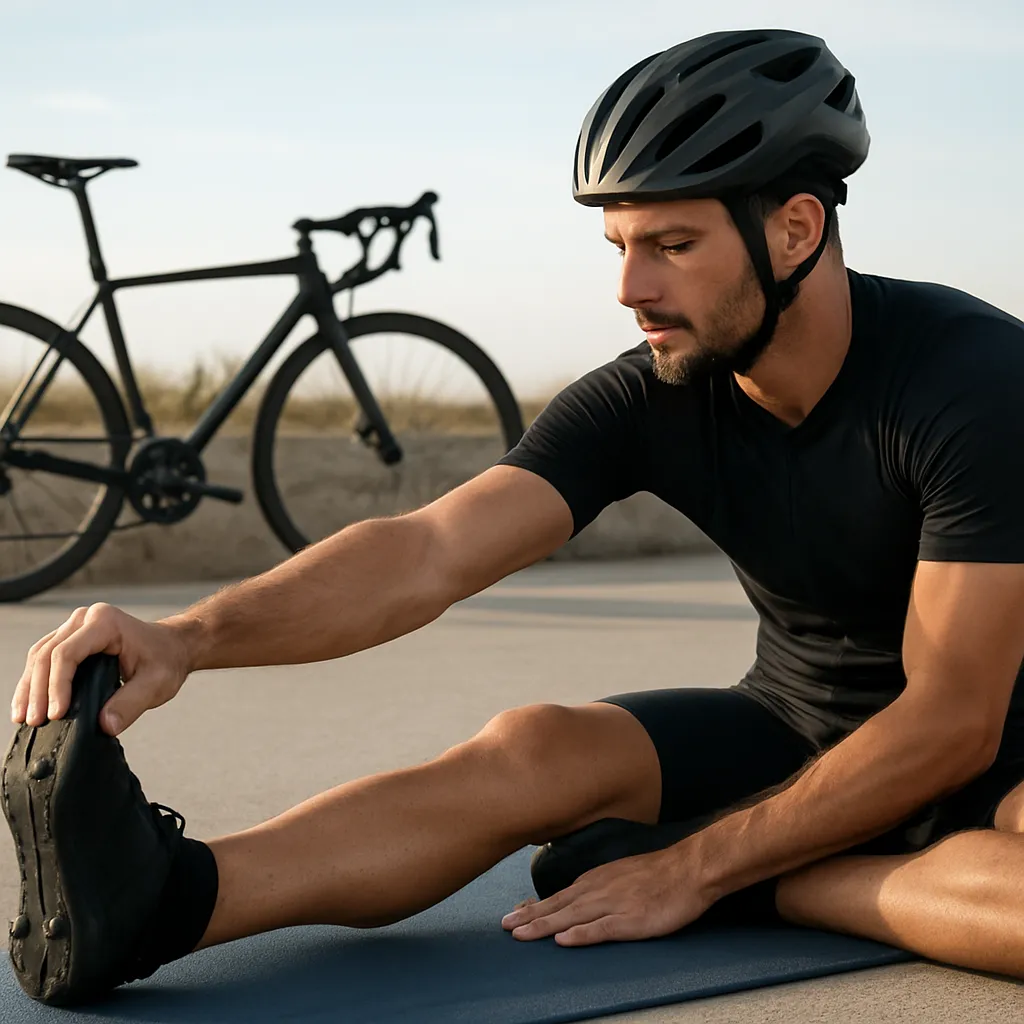
- Static Stretching: Holding a stretch for 20–30 seconds targets deeper muscle layers. Ideal for the quadriceps, hamstrings and hip flexors after cooling down.
- Dynamic Stretching: Incorporates controlled movements that mimic cycling motions. Effective as part of a pre-ride warm-up to activate muscles and joints.
- Proprioceptive Neuromuscular Facilitation (PNF): Combines passive stretching and isometric contractions to achieve greater muscle length gains. Recommended under professional supervision.
- Myofascial Release: Using foam rollers or massage balls to apply sustained pressure on trigger points. Enhances fascial health and reduces localized tension.
Choosing the right method depends on individual goals and training phases. Structured session planning ensures that each technique complements on-bike workouts without leading to overexertion.
Designing an Effective Post-Ride Routine
Consistency is paramount when integrating stretching into recovery. A well-rounded protocol typically follows these steps:
- Light pedaling for 5–10 minutes to gradually lower heart rate.
- Dynamic stretches focusing on hip mobility and ankle articulation.
- Targeted static stretches for major cycling muscle groups: glutes, calf muscles and lower back.
- Myofascial release on tight regions, using tools like foam rollers or lacrosse balls.
- Breathing exercises to promote relaxation and support parasympathetic nervous system activity.
Implementing this sequence three to four times weekly can significantly enhance flexibility and overall mobility. For endurance riders tackling multi-day events, daily stretching sessions become even more critical to maintain consistent performance.
Stretching to Boost Performance and Endurance
While stretching is often associated with cool-downs, certain dynamic routines can be integrated into pre-ride preparation to prime the neuromuscular system. Leg swings, hip circles and walking lunges help increase muscle temperature and activate motor units. This activation leads to improved coordination, allowing cyclists to maintain smoother pedal strokes under high cadence or steep terrain.
Over time, regular stretching contributes to better posture on the saddle and less strain on the lower back. When muscles operate within their optimal length-tension relationship, riders can sustain higher output for longer durations, directly impacting competitive and recreational performance.
Practical Tips for Lasting Results
- Commit to at least 10 minutes of stretching after every significant ride.
- Focus on quality over quantity—hold each static stretch without bouncing.
- Maintain proper form to target the intended muscle group effectively.
- Stay hydrated and consider electrolyte balance to support tissue health.
- Monitor progress by assessing comfort levels and any improvements in joint mobility.
By treating stretching as an essential component rather than an optional add-on, cyclists pave the way for sustainable growth in both recreational outings and competitive endeavors. The strategic use of stretching helps minimize the risk of chronic issues while fostering a more resilient, adaptable body ready to tackle any ride ahead.