Cycling performance hinges on a delicate balance between power output and resistance forces. Among these forces, air resistance stands out as a critical factor that can either propel a rider forward with ease or dramatically slow down progress. By examining how aerodynamics interacts with a rider’s body, equipment, and environment, enthusiasts and professionals alike can unlock new levels of speed and endurance.
Understanding Aerodynamic Drag in Cycling
When a cyclist moves through the air, they encounter a force known as drag. Drag increases exponentially with velocity, meaning that even small increases in speed demand much more energy to overcome air resistance. In simple terms, drag can be broken down into three main components:
- Friction or skin drag: caused by air flowing over the surface of the rider and bicycle frame.
- Pressure or form drag: stemming from differences in air pressure between the front and rear of the rider-bike system.
- Interference drag: resulting from complex interactions where airflow around different parts of the bike and body meet.
By minimizing these effects, cyclists can ride faster while expending less energy, significantly boosting overall efficiency during races, time trials, or long-distance events.
Key Factors Influencing Aerodynamic Performance
Aerodynamic performance depends on multiple variables, each of which can be optimized to reduce drag:
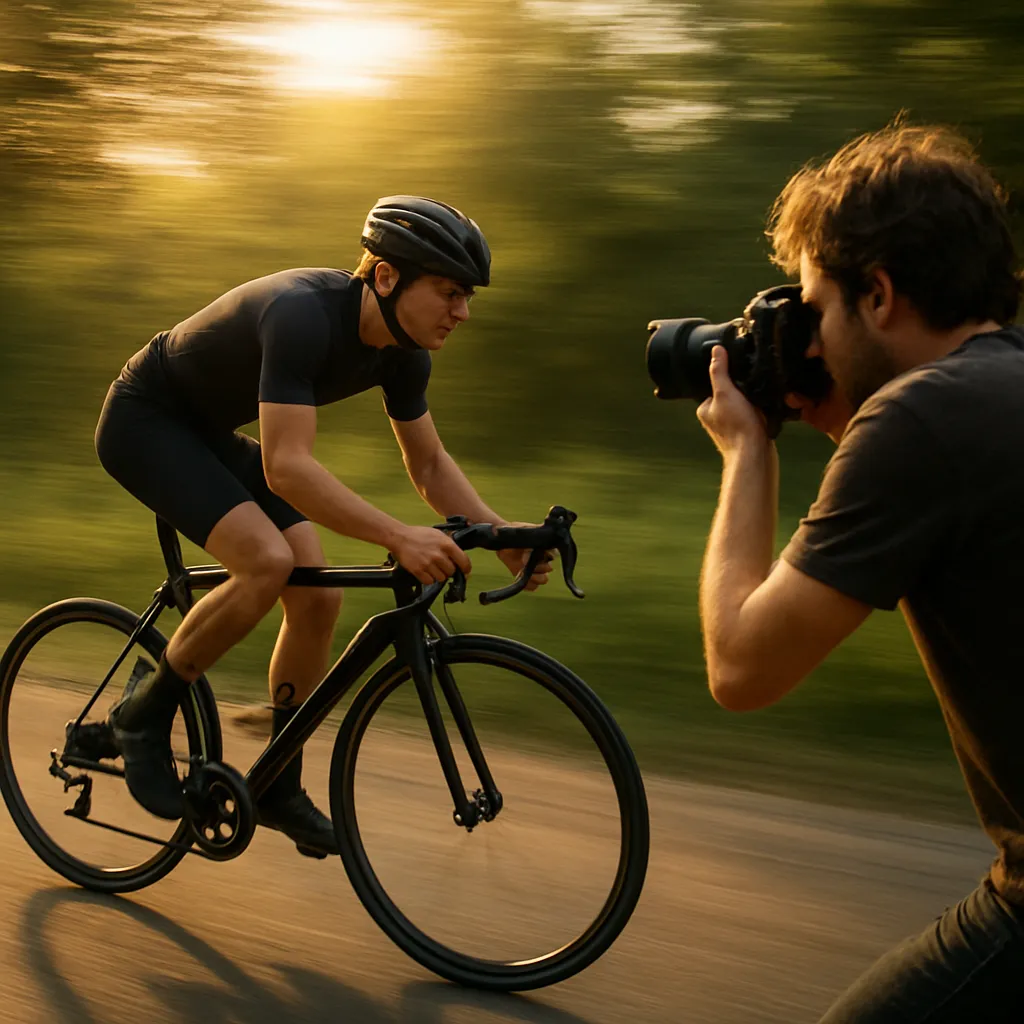
- Rider posture: A tucked position decreases frontal area. Adjustments to saddle height, handlebar reach, and elbow placement all influence the flow of air around the body.
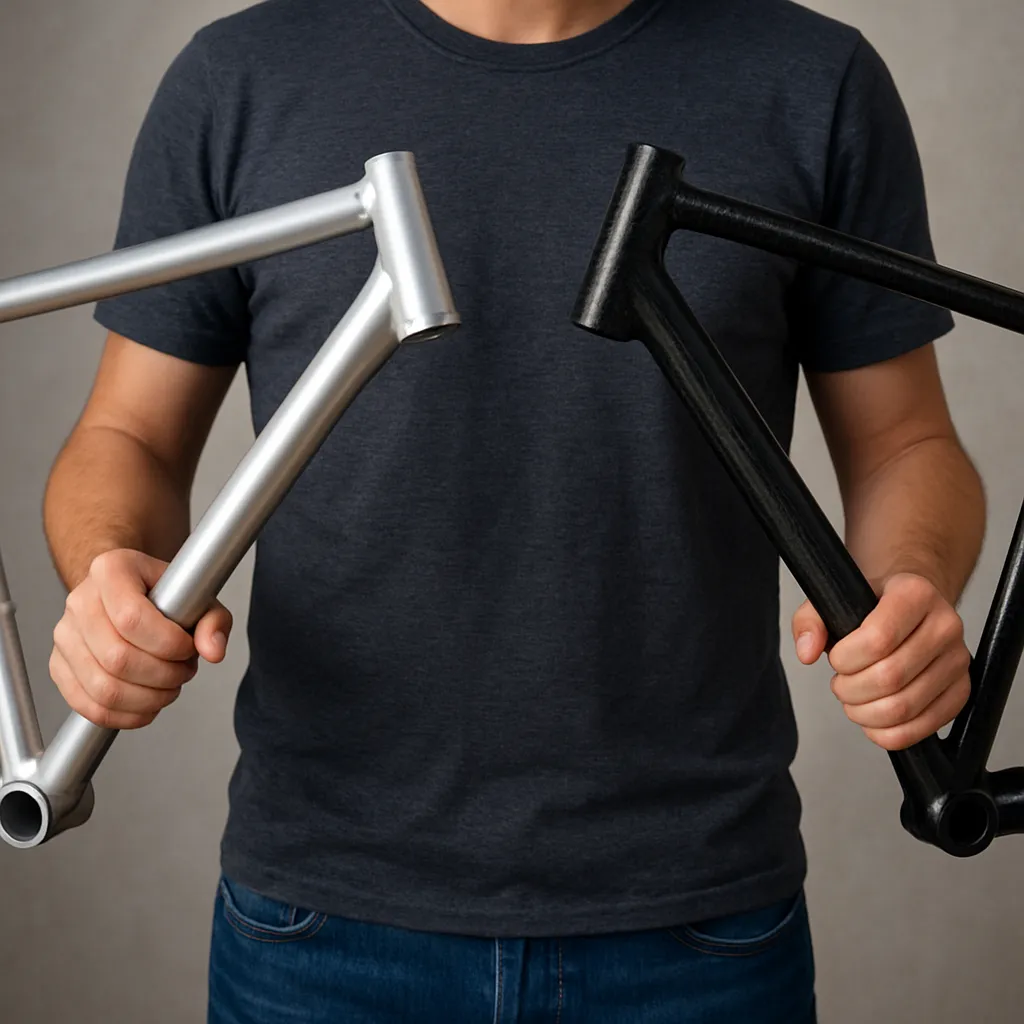
- Bicycle frame geometry: Modern frames use sleek tube shapes and internal cable routing to streamline airflow.
- Helmet and apparel: Aerodynamic helmets feature teardrop profiles, while tight-fitting, textured suits reduce boundary layer separation.
- Wheel design: Deep-section rims or disc wheels help maintain smooth airflow at high speeds.
- Tire width and pressure: Narrower tires with the right inflation minimize rolling resistance without compromising stability.
Attention to each factor allows cyclists to shave off precious seconds in competitive environments, where margins of victory can be razor-thin.
Aerodynamic Testing and Technologies
Advances in testing methods have provided deeper insights into the complex interplay of forces acting on a cyclist. Two primary approaches are:
- Wind tunnel testing: Controlled environments replicate racing conditions, allowing precise measurement of drag coefficients and the impact of equipment changes.
- Computational fluid dynamics (CFD): Virtual simulations model airflow around digital representations of riders and bikes, enabling rapid design iterations without physical prototypes.
Both methods contribute to iterative improvements in bike and gear design. For instance, engineers can evaluate how minor tweaks to helmet vents or frame tube shapes influence pressure distribution and wake turbulence. Professional teams often combine wind tunnel data with on-road testing, using power meters and speed sensors to verify real-world gains.
Innovations and Future Trends in Cycling Aerodynamics
The pursuit of aerodynamic excellence continues to drive innovation across the cycling industry. Emerging trends include:
- Adaptive surfaces: Materials that change texture dynamically to optimize airflow at different speeds or yaw angles.
- Integrated systems: Frames that seamlessly incorporate hydration systems, storage compartments, and cables to reduce interference drag.
- Advanced coatings: Nanotechnology-based paints and finishes that lower skin friction.
- Data-driven fitting: Motion-capture and biomechanical analysis create personalized setups tailored for each rider’s unique anatomy.
Ongoing research in materials science and aerodynamic theory promises to push the boundaries of human-powered speed. As computational resources grow more accessible, even amateur cyclists may benefit from CFD-driven recommendations and affordable wind tunnel alternatives.
Bringing It All Together on the Road
Implementing aerodynamic improvements requires a holistic approach. Riders must balance comfort, safety, and practical considerations when choosing equipment and refining position. While a perfectly optimized aero position can yield substantial gains, it should not compromise a rider’s ability to handle the bike or respond to changing road conditions.
- Experiment incrementally: Introduce one aerodynamic adjustment at a time to isolate its effects on speed and fatigue.
- Prioritize fit: A well-fitted bike allows sustained performance over long distances without undue strain.
- Monitor conditions: Wind direction, course profile, and drafting opportunities all influence the real-world benefits of aero upgrades.
By melding scientific principles with practical experience, cyclists at every level can harness the power of aerodynamics to improve performance, enhance endurance, and achieve new personal bests.