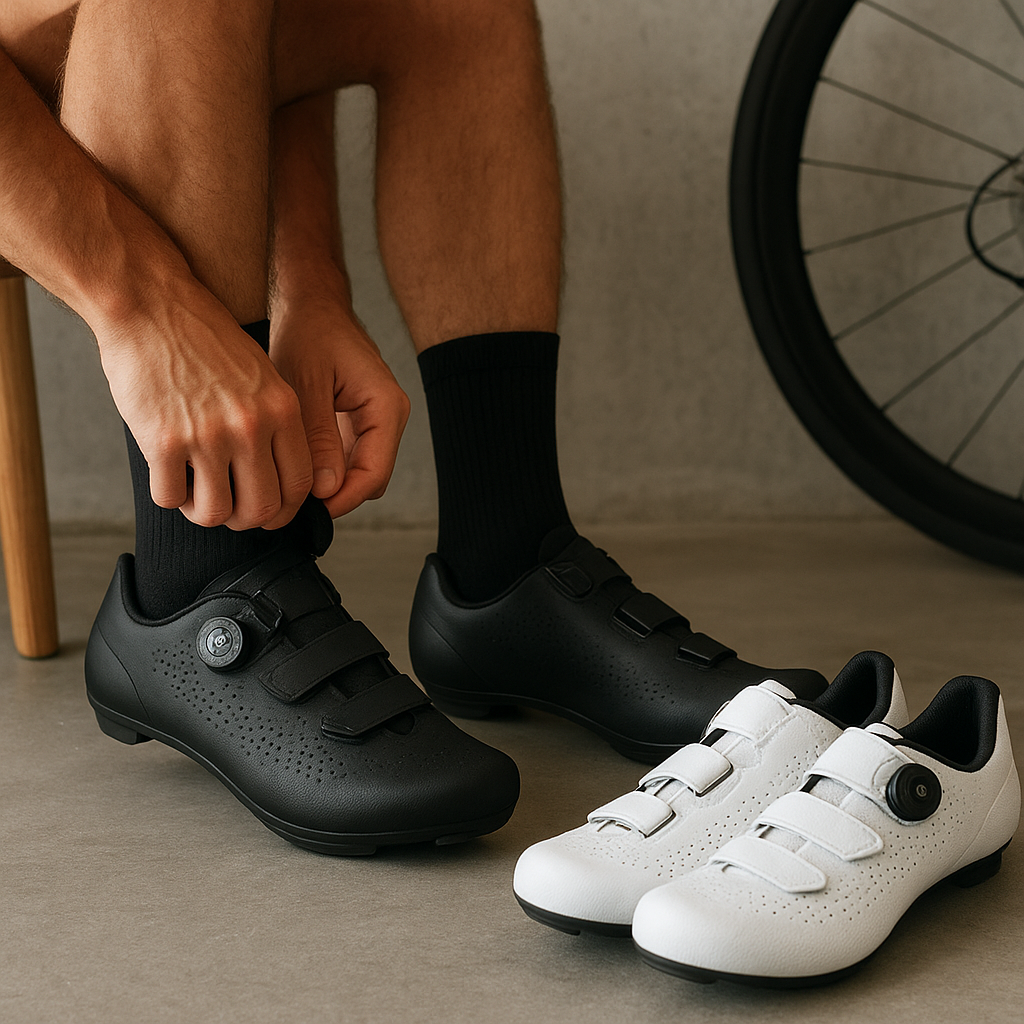
Choosing the perfect pair of cycling shoes can dramatically enhance your riding experience, boost your performance, and ensure long hours in the saddle remain enjoyable. This guide breaks down the essential factors you need to weigh before making a purchase, covering different shoe types, critical features, proper sizing, and ongoing care.
Understanding Different Types of Cycling Shoes
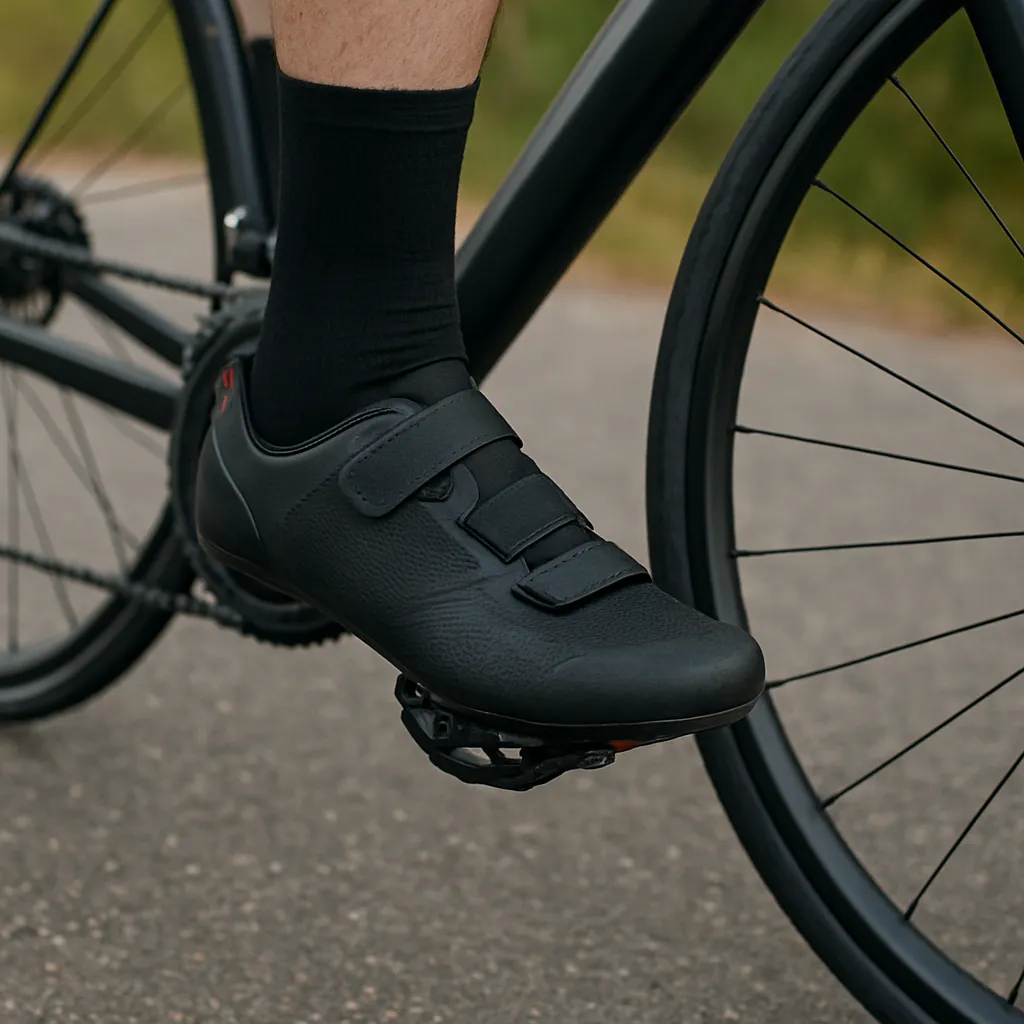
Road Cycling Shoes
Road cycling shoes are engineered for maximum stiffness and efficient power transfer. They typically feature a sleek, lightweight design with a highly rigid sole made of carbon fiber or composite materials. The trade-off is reduced off-bike traction and comfort, but on the pedals, every watt of effort pushes you forward. Look for models with adjustable BOA dials or Velcro straps to fine-tune the fit. Brands often split road shoes into performance-oriented and endurance-focused categories, the latter offering extra comfort padding for longer rides.
Mountain Biking Shoes
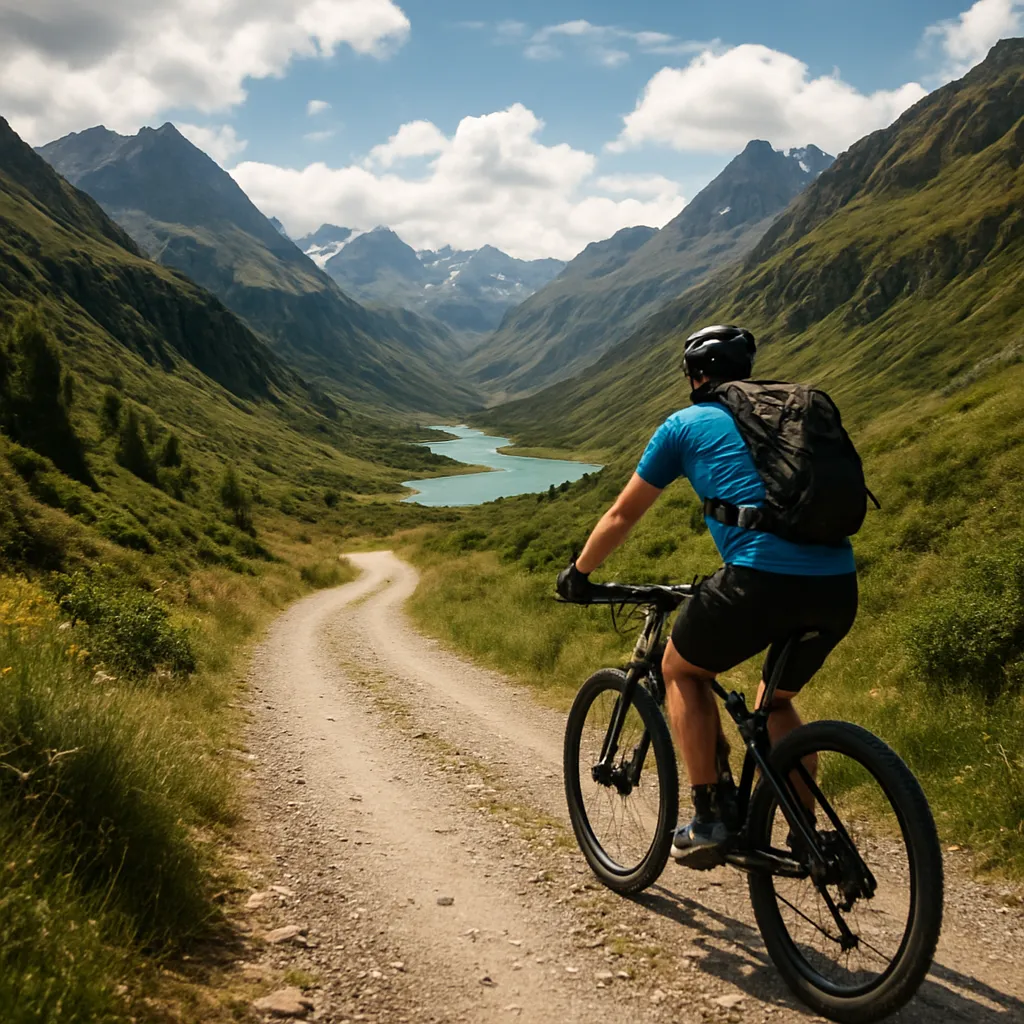
Mountain biking shoes balance pedal efficiency with adequate ventilation and grip for trail use. They come in two main variants: clipless and flat. Clipless MTB shoes have recessed cleats allowing you to walk more naturally off the bike, while flat shoes rely on grippy rubber soles for stability on platform pedals. Sturdy tread patterns and reinforced uppers help protect your feet against rocks and roots. Durability and materials matter here—look for synthetic leather or treated mesh that resists abrasion yet allows airflow.
Indoor and Commuting Shoes
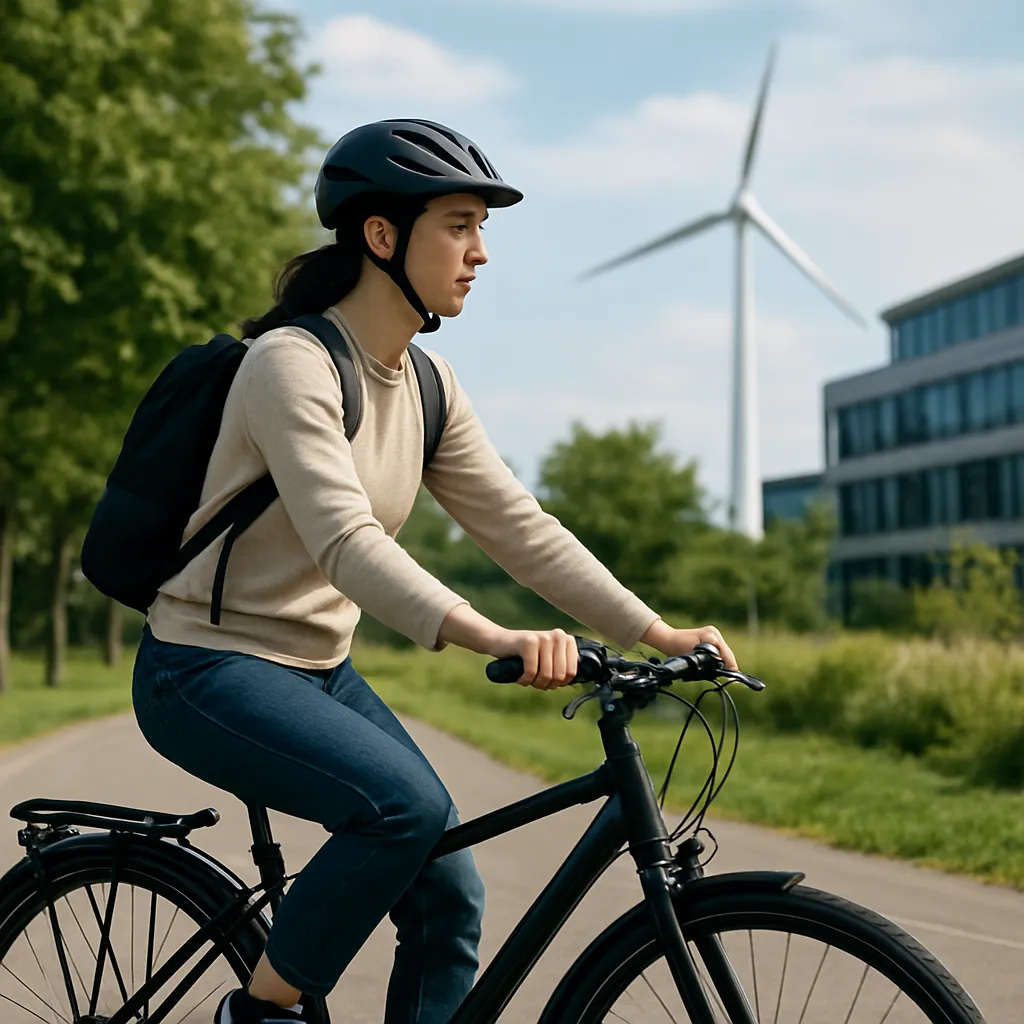
Indoor cycling or spinning shoes often resemble road shoes but emphasize comfort and easy on-and-off. They may include softer soles and minimal closures. Commuter or urban cycling shoes blend cycling features with casual aesthetics. They usually have a recessed cleat area covered by a rubber sole so you can walk comfortably. Weatherproofing and reflective elements can be added bonuses for all-season commuting.
Key Features to Consider
Selecting the right cycling shoe means balancing several performance and practical attributes:
- Stiffness: A rigid sole maximizes energy transfer but may sacrifice comfort. Look for shoes rated on a stiffness scale—higher is better for racing, lower suits long endurance rides.
- Comfort: Adequate padding, anatomically shaped footbeds, and arch support are crucial for avoiding hot spots and numbness on long rides.
- Ventilation: Breathable mesh panels and strategically placed vents help regulate temperature and reduce sweat build-up.
- Fit: A snug, secure fit prevents your foot from sliding. Closure systems—BOA dials, Velcro straps, ratchet buckles—offer varying levels of adjustability.
- Cleats: Compatibility with pedal systems (SPD, SPD-SL, Look, Speedplay) is essential. Make sure the mount pattern on the shoe matches your pedal cleats.
- Sole Material: Carbon fiber soles are lightweight and super stiff, while nylon or composite soles provide a balance between comfort and performance.
- Materials: Synthetic leather and microfiber uppers weigh less and dry faster compared to traditional leather.
- Adjustment Systems: Multiple closure points allow you to micro-tune tension across different parts of your foot.
- Weight: Lighter shoes reduce rotational mass, which can improve efficiency, but they might be less robust.
- Durability: Reinforced areas around the toes and heels extend shoe life, especially for off-road use.
Selecting the Right Fit and Sizing
Proper sizing is the foundation of a great cycling shoe experience. Feet expand as you ride, so aim for a snug fit without pinching. Follow these steps:
- Measure Feet: Stand on a piece of paper, trace your foot outline, and measure length and width. Compare to the manufacturer’s size chart.
- Try Multiple Sizes: Sizing can vary across brands. Always try the specific model before purchase if possible.
- Wear Cycling Socks: Test shoes with the socks you normally ride in to ensure the same thickness and fit.
- Check Toe Clearance: You should have a thumb’s width of space between your longest toe and the shoe’s front.
- Heel Hold: Your heel should stay firmly in place when you tighten closures, preventing lift or slippage.
- Arch Support: Shoes with removable insoles let you swap in custom orthotics if you have high or low arches.
Choosing the Appropriate Closure System
The style of closure can make or break your ride, impacting both comfort and ease of use:
- BOA Dial Systems: Offer precise, micro-adjustable tension and even pressure distribution. Ideal for riders who tweak fit mid-ride.
- Velcro Straps: Simple, lightweight, and cost-effective. However, they may lose tension over time and provide less even pressure.
- Ratchet Buckles: Provide strong lockdown and easy adjustments but add a bit more weight and complexity.
- Lace-Up: Traditional and often more affordable; however, they can loosen under pressure and are harder to adjust on the fly.
Maintenance and Care
Extending the lifespan and performance of your cycling shoes is straightforward if you follow these guidelines:
- Cleaning: After muddy rides, rinse off dirt with a soft brush and warm water. Avoid harsh chemicals that can damage materials.
- Drying: Air-dry shoes upside down with laces or closures loosened. Insert newspaper or moisture-wicking shoe trees to absorb humidity.
- Cleat Inspection: Check for wear on cleat edges and replace them when they become rounded to maintain secure engagement.
- Closure System Care: Keep BOA dials and ratchets free from grit. Occasionally apply a drop of lubricant to moving parts.
- Sole Maintenance: Inspect for cracks or separation between the sole and upper, addressing minor delamination early with specialist adhesive.
Making the Final Decision
Selecting the ideal cycling shoes ultimately boils down to your riding style, budget, and anatomy. Test multiple pairs, if possible, on an indoor trainer before committing. Prioritize comfort and fit over brand prestige, and remember that the shoes you choose are as critical to your bike’s performance as any high-end component. With the right balance of stiffness, support, and breathability, you’ll find every pedal stroke more efficient and every ride more enjoyable.