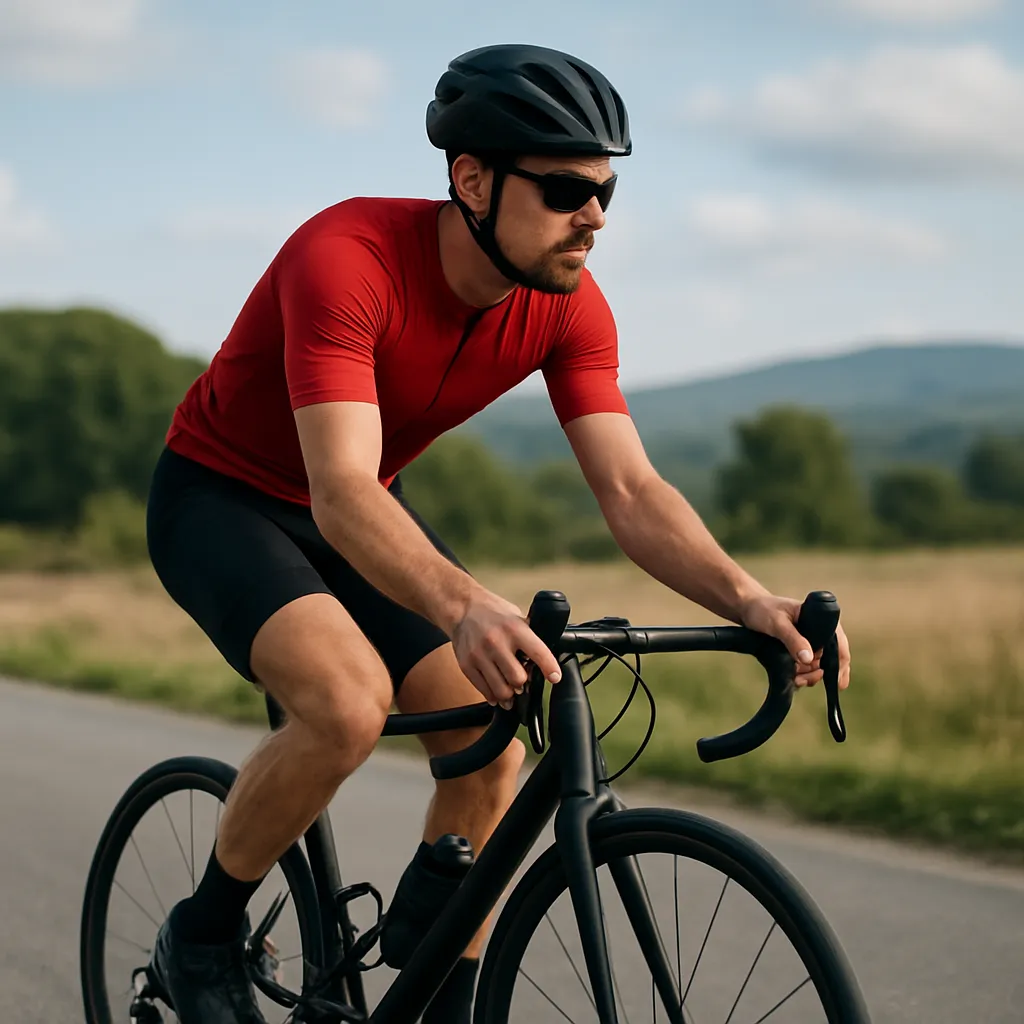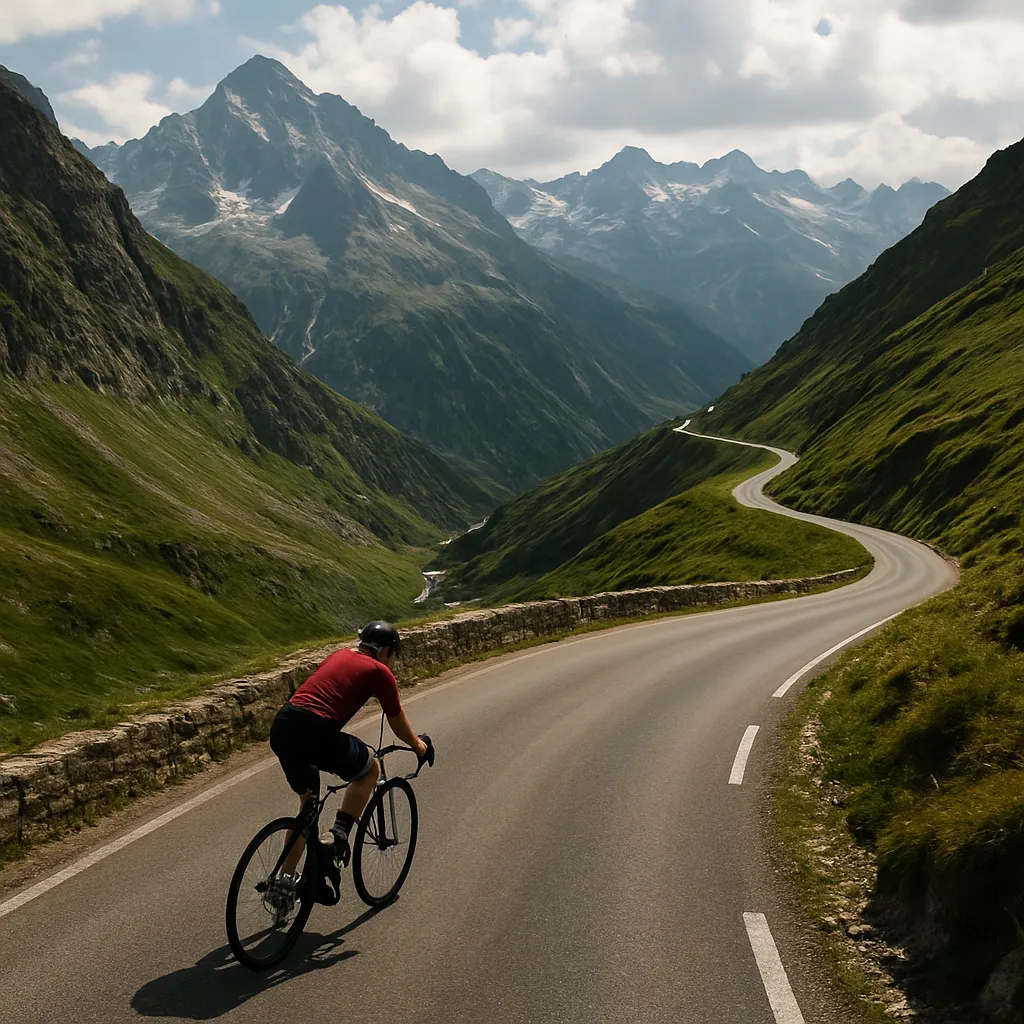
The psychology of competitive cycling delves into the intricate relationship between mind and machine, exploring how thoughts, emotions, and interpersonal dynamics shape performance on the road, track, and mountain trails. By examining mental strategies, motivational drivers, stress management techniques, and team interactions, cyclists can unlock new levels of consistency, resilience, and tactical prowess.
The Mental Terrain of Competitive Cycling
Cycling demands more than physical capability: it requires the cultivation of mental resilience to push through fatigue, maintain focus during long stages, and adapt to unforeseen challenges such as mechanical failures or adverse weather. The rider’s mind becomes a terrain as varied as any mountainous climb, with peaks of confidence and valleys of doubt.
Building Mental Resilience
- Embrace incremental exposure: gradually increasing training stress to acclimate the mind to discomfort.
- Use positive self-talk: reinforce effort by repeating phrases like “One pedal stroke at a time.”
- Reflect on past successes: recall races where you overcame hurdles to strengthen belief in your capabilities.
Concentration and Flow State
Reaching a flow state—an optimal zone of immersion—enables cyclists to react swiftly to attacks, navigate technical descents, and sustain power output. Key techniques include:
- Breathing drills: align inhales and exhales with pedal strokes to anchor attention.
- Single-point focus: fixate on aspects like cadence or road markers to block out distractions.
- Mindfulness practice: brief meditation sessions off the bike to sharpen present-moment awareness.
Motivation and Goal Setting
Effective goal setting provides a roadmap that directs training priorities and race tactics. Whether targeting a personal best time trial or podium placement in a multi-stage tour, clear objectives fuel motivation and prevent mental drift.
Intrinsic vs. Extrinsic Drivers
Intrinsic motivation springs from personal satisfaction—love of the sport or mastery of a new skill—while extrinsic motivation centers on tangible rewards such as trophies, sponsorships, or social recognition. Elite cyclists often blend both:
- Intrinsic: savoring the feeling of acceleration or mastering a technical descent.
- Extrinsic: aiming for a national championship jersey or securing contract extensions.
SMART Goals in Cycling
Specific, Measurable, Achievable, Relevant, and Time-bound objectives structure the season:
- Specific: “Increase Functional Threshold Power (FTP) by 5% in 12 weeks.”
- Measurable: track power data and heart-rate metrics with a cycling computer.
- Achievable: base targets on past performance and current training load.
- Relevant: align with the main goal, such as excelling at a key spring classic.
- Time-bound: set check-ins every four weeks to evaluate progress.
Stress Management and Coping Strategies
High-stakes events, harsh weather, and fierce competitors elevate stress, which—if unchecked—can lead to performance drops or burnout. Learning to regulate stress and physiological arousal is vital.
Pre-Race Routines
Consistent routines prime the mind for competition:
- Visualization: mentally rehearse critical moments, such as breakaways or final sprints.
- Progressive muscle relaxation: sequentially tense and release muscle groups to reduce tension.
- Pre-race checklist: ensure equipment is ready—tires inflated, chain lubed, and nutrition packed—to minimize last-minute worries.
Managing Race-Day Anxiety
Cyclists can experience adrenaline dumps or butterflies in the stomach. Coping tools include:
- Box breathing: inhale for four counts, hold four, exhale four, hold four.
- Anchoring cues: carry a small token or reminder that brings calm confidence.
- Acceptance: acknowledge anxious thoughts without judgment, letting them pass like clouds.
Team Dynamics and Communication
In stage races and team time trials, synergy among riders can make the difference between victory and defeat. Effective collaboration hinges on teamwork, trust, and clear communication.
Roles and Responsibilities
- Team leader: protected rider aiming for general classification or stage wins.
- Domestiques: support leaders by fetching water bottles, setting pace, and chasing attacks.
- Road captain: on-the-bike strategist who reads the race and relays tactical decisions.
Verbal and Nonverbal Signals
Riders develop a shared language of hand signals and shouted codes to coordinate efforts without causing confusion or collisions:
- Pointing downward at wheels to indicate punctures or mechanical issues.
- Gesturing forward for a lead-out train during sprint setups.
- Using brief code words like “sticky” for a challenging climb or “ghost” for a dangerous descent.
Visualization and Mental Rehearsal
Imagining scenarios in vivid detail primes the nervous system and builds confidence. Through mental rehearsal, cyclists can anticipate technical sections, internalize race routes, and refine decision-making under pressure.
Steps to Effective Visualization
- Relaxation: begin in a quiet environment with controlled breathing.
- Multi-sensory detail: include sounds of the crowd, feel of the handlebars, and visual cues of the course.
- Emotional immersion: evoke feelings of excitement, calm focus, and determination.
- Outcome focus: see yourself crossing the finish line strong and composed.
Integrating Visualization into Training
Pair mental rehearsal with physical sessions:
- Before time-trials: review pacing strategies while warming up on rollers.
- Pre-climb: visualize each hairpin and effort zone just before heading into the ascent.
- Recovery rides: use easy spins as opportunities to mentally rehearse race tactics.
Cultivating Consistent High Performance
By merging psychological techniques—such as visualization, structured goal setting, and mindful stress regulation—with robust physical training, competitive cyclists can elevate their performance and sustain excellence throughout demanding seasons.
Continuous Psychological Training
- Schedule regular sessions with a sports psychologist.
- Maintain a mental skills journal to track thoughts, emotions, and progress.
- Engage in team workshops to refine communication and shared mental models.
Balancing Mind and Body
Optimal performance arises when physical preparation and mental conditioning are in harmony. Prioritizing recovery—both muscular and cognitive—ensures riders approach each race with refreshed legs and a resilient mind.